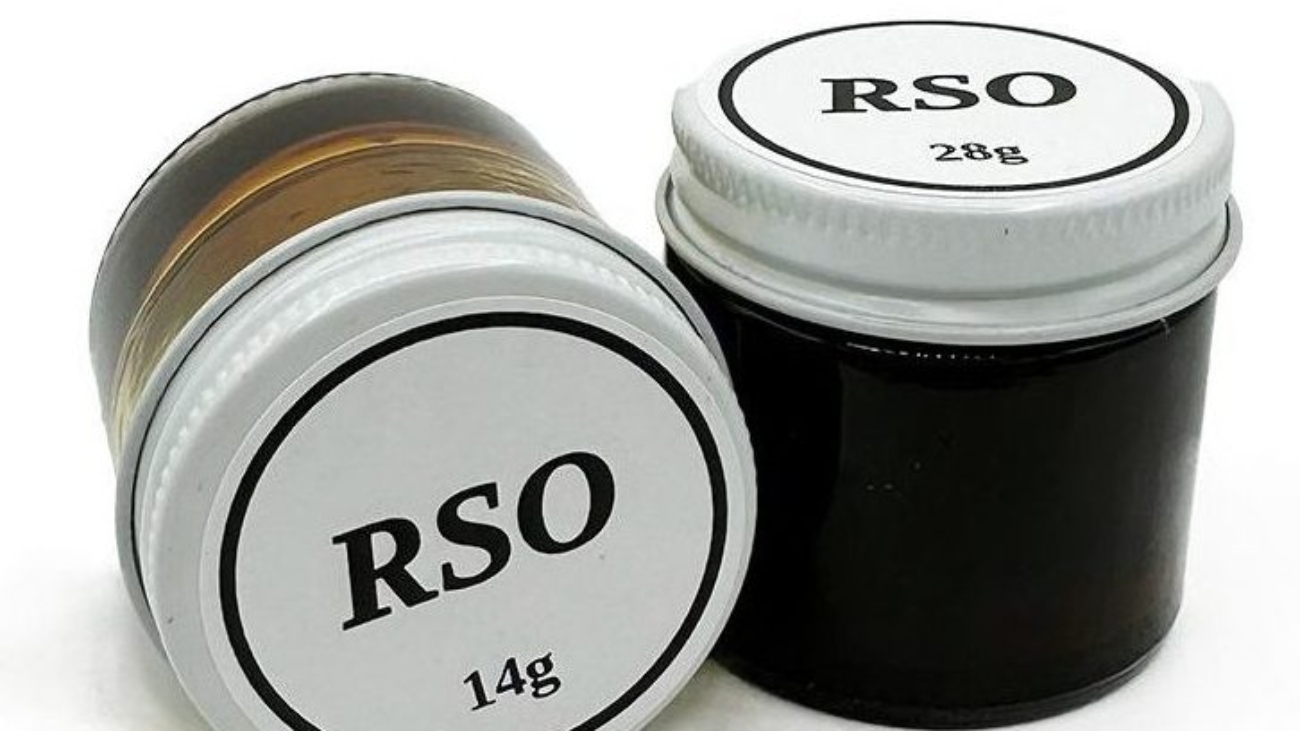
How to Store Rick Simpson Oil for Maximum Freshness

How to Store Rick Simpson Oil for Maximum Freshness

Introduction: Protecting Your Botanical Investment

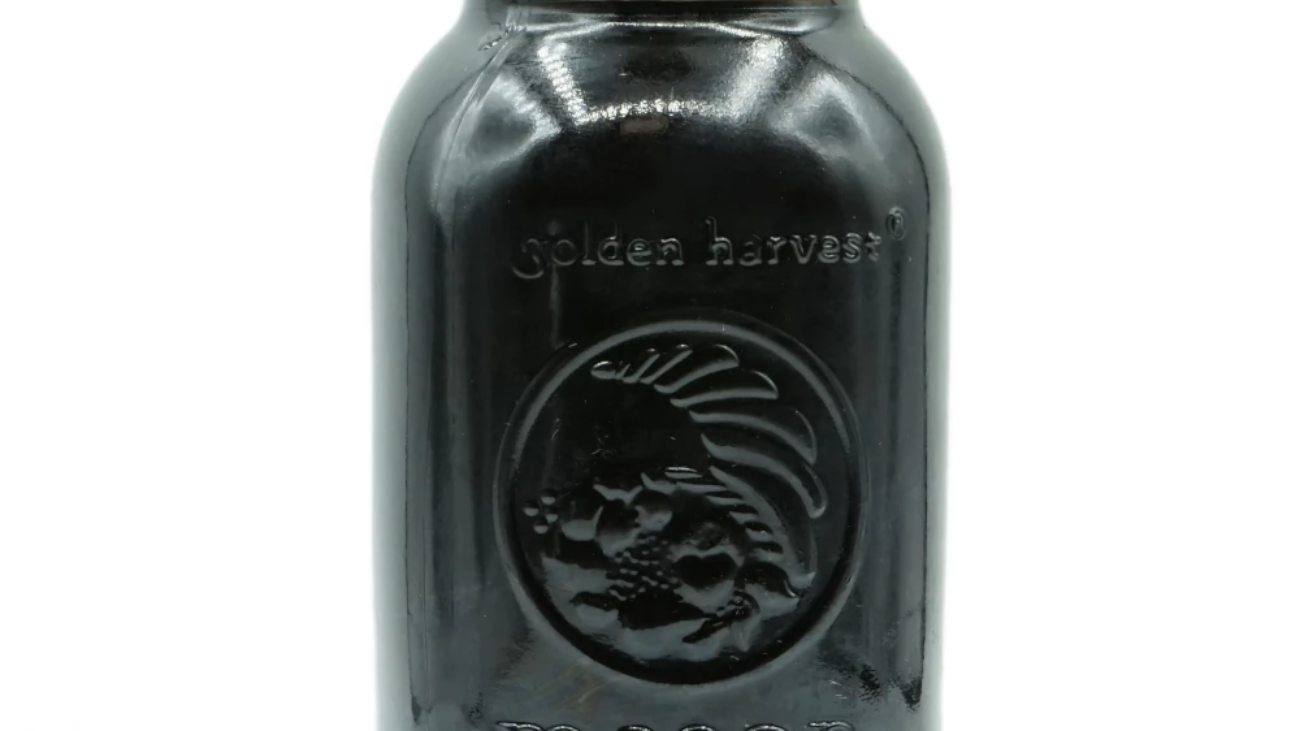
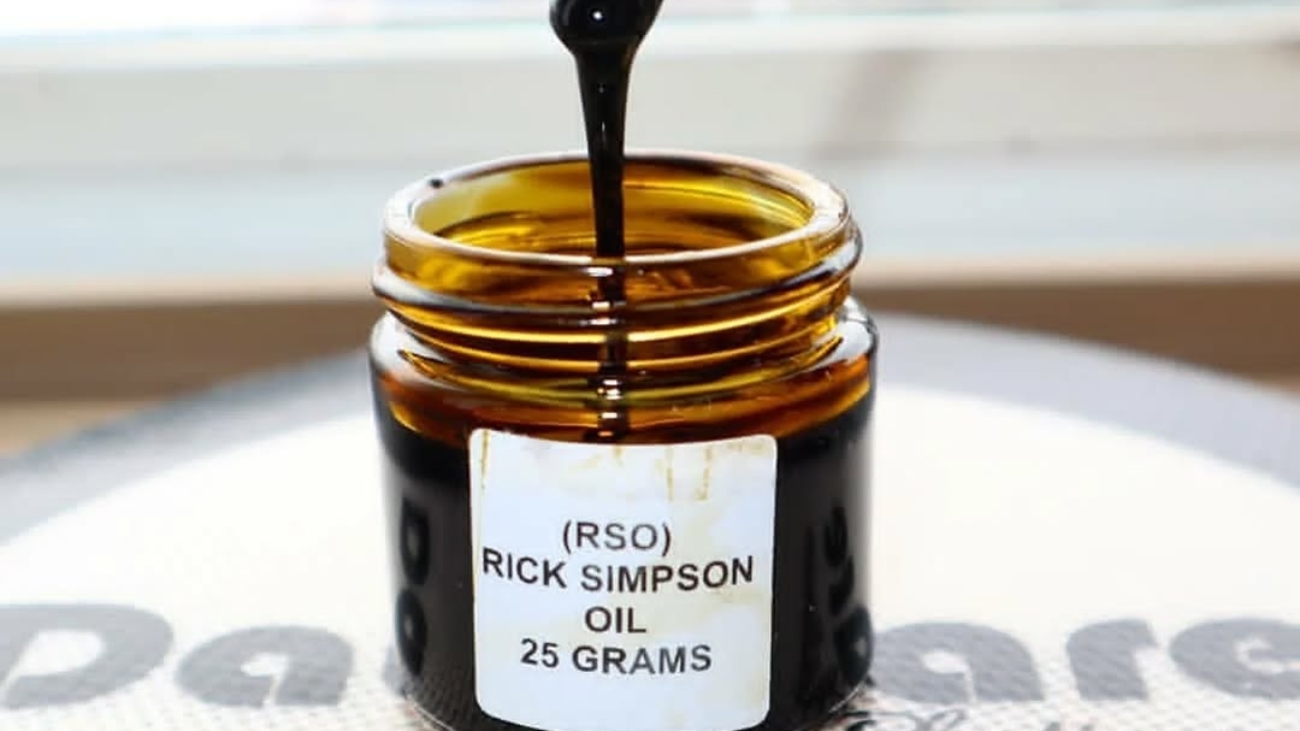
Rick Simpson Oil (RSO) is a prized full-spectrum concentrate valued for its exceptionally high cannabinoid density and potent plant terpenes. Because quality RSO is rich in sensitive active compounds—primarily Tetrahydrocannabinol (THC), secondary cannabinoids, and volatile terpenes—knowing how to store Rick Simpson Oil for maximum freshness is essential to prevent degradation over time.

When exposed to sub-optimal environmental conditions like excessive heat, direct sunlight, or oxygen, precious THC gradually breaks down into Cannabinol (CBN), reducing therapeutic potency and altering the oil’s consistency.

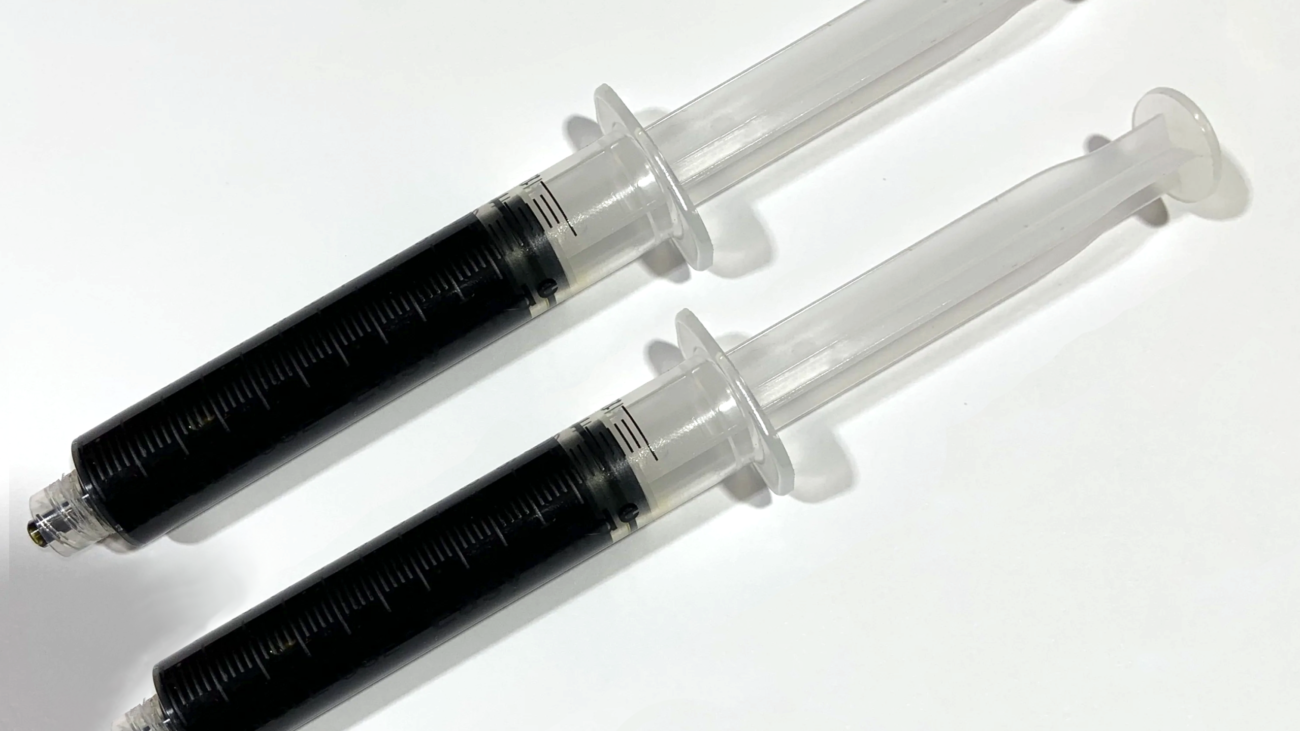
Whether you purchase single syringes or stock up for long-term regimens, following a few fundamental storage rules guarantees your concentrate maintains peak purity for months or even years. Ready to source fresh, lab-verified extracts? You can Shop Pure RSO Products at RSO Healing Hub for batch-tested quality.

The 3 Environmental Enemies of RSO Freshness

To preserve the freshness of high-potency cannabis extracts, you must shield them from three natural elements that accelerate cannabinoid degradation.

Potency Loss = Exposure to Light (UV) + Heat + Oxygen

1. Direct Light & Ultraviolet (UV) Rays

UV radiation is the fastest catalyst for cannabinoid breakdown. Scientific studies confirm that sunlight converts psychoactive THC into CBN at an accelerated rate, causing the oil to lose its characteristic potency.

2. High Heat

Temperatures above 70°F (21°C) loosen the natural resin matrix, causing volatile aromatic terpenes to evaporate. Heat also increases fluid viscosity, making precise syringe dosing messy and difficult.

3. Oxygen Exposure

Oxygen causes lipid oxidation and darkens the color of full-spectrum extracts. Leaving an RSO syringe uncapped allows oxygen to interact directly with active cannabinoids, slowly degrading taste and efficacy.

Where Should You Store RSO? (Storage Options Compared)

Selecting the right storage environment depends on how quickly you plan to consume your RSO syringe.

Storage MethodIdeal DurationTemperature RangePros & Cons
Cool Cabinet / Pantry1 to 3 Months60°F – 68°F (15°C – 20°C)Pros: Convenient daily access.
Cons: Sensitive to room temperature spikes.
Refrigeration3 to 12 Months35°F – 40°F (2°C – 4°C)Pros: Significantly slows degradation.
Cons: Thickens resin; requires warming before dispensing.
Freezer1 to 2+ YearsSub-32°F (< 0°C)Pros: Maximum shelf life preservation.
Cons: Moisture condensation risk if unsealed.

To dive deeper into plant extraction science and holistic health education, visit Psychedelics World.

Step-by-Step: Best Practices for Storing Your RSO Syringe

Following a consistent storage routine protects every drop of concentrate from environmental damage.

1.1. Re-Cap the Syringe Immediately After Use:Step 1: Cap Airtight.

Twist or snap the protective rubber cap tightly onto the syringe tip after every dose to block oxygen exposure and prevent leakages.

2.2. Store in an Opaque Container:Step 2: Shield Light.

Keep your capped syringe inside its original cardboard packaging or a dark, light-proof child-resistant container to block UV rays.

3.3. Place in a Cool, Climate-Controlled Area:Step 3: Cool Location.

Store the container in a dark cabinet away from household heat sources like stoves, microwave exhausts, or sunlit windowsills.

4.4. Warm Gently Before Dosing Cold RSO:Step 4: Dispense Care.

If storing in a refrigerator, never force a cold plunger. Roll the cold syringe between warm palms for 60 seconds to soften the oil safely before squeezing.

Signs Your RSO Has Degraded or Expired

When properly stored, Rick Simpson Oil has an exceptionally long shelf life—often remaining fresh for 12 to 24 months. However, if kept in poor conditions, look out for these indicators of degradation:

  • Drastic Color Shift: A shift from deep dark amber/black to a dull, foggy light brown.
  • Separation or Crystallization: Visible liquid separation or harsh sugar-like cannabinoid crystallization inside the glass chamber.
  • Rancid Smell or Bitter Taste: A sour or chemical off-odor indicating degraded plant lipids or residual moisture contamination.
  • Noticeable Drop in Efficacy: Needing twice your usual dose to achieve familiar therapeutic relaxation.

Frequently Asked Questions (FAQ)

Does Rick Simpson Oil need to be refrigerated?

Refrigeration is not strictly mandatory for short-term daily use (under 30 days) if kept in a cool, dark cabinet. However, refrigeration is highly recommended for multi-month storage to preserve delicate terpenes and delay THC oxidation.

Can Rick Simpson Oil go bad?

RSO does not spoil or grow mold easily because it lacks water content. However, active THC naturally breaks down into non-psychoactive CBN over time, resulting in lost potency rather than toxic spoilage.

What happens if RSO gets too cold and hardens?

Cold RSO thickens significantly inside the glass syringe. Simply place the sealed syringe in a watertight plastic bag and submerge it in a cup of lukewarm water for 2 to 3 minutes to restore a smooth, workable consistency.

Conclusion

Mastering how to store Rick Simpson Oil for maximum freshness is straightforward: keep it cool, keep it dark, and keep it sealed. By shielding your syringes from heat, UV light, and air, you ensure every microscopic drop remains as fresh and potent as the day it was extracted.

Looking for fresh, high-purity concentrates processed under strict laboratory standards? Shop Tested RSO Products at RSO Healing Hub today for premium full-spectrum extracts delivered straight to your door.
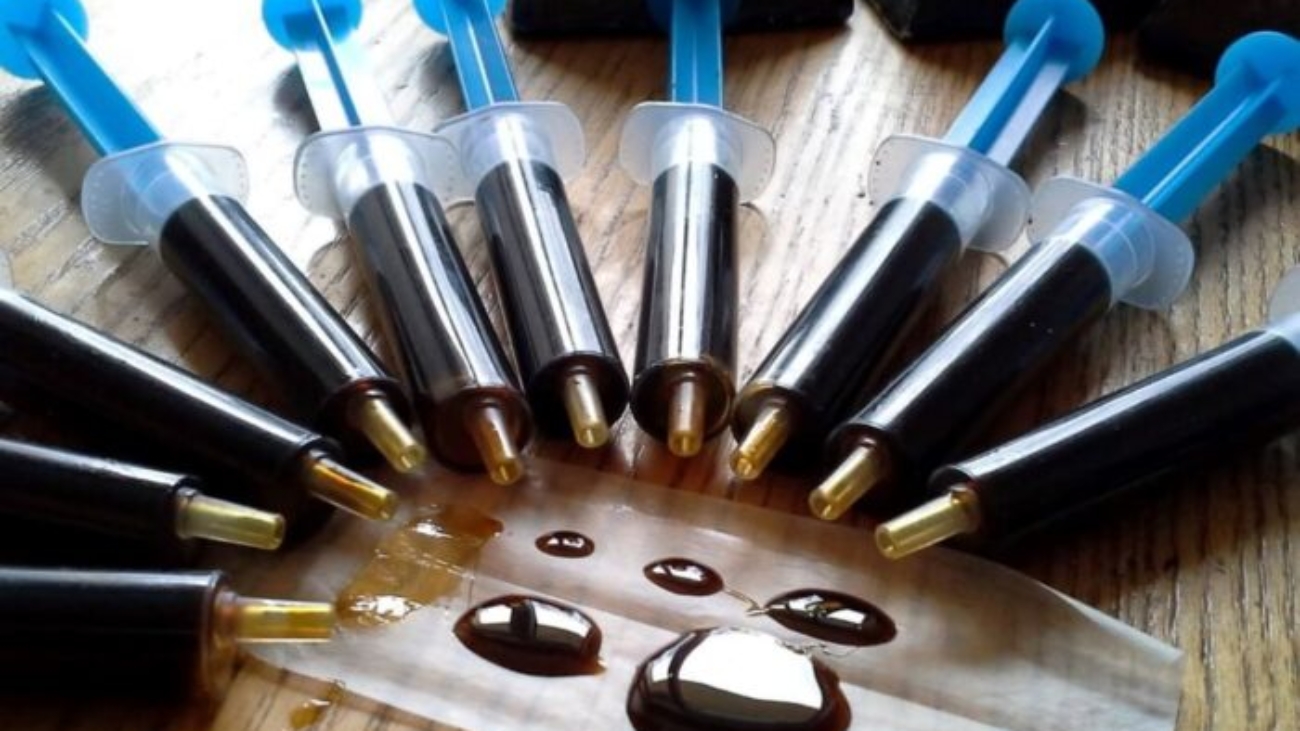
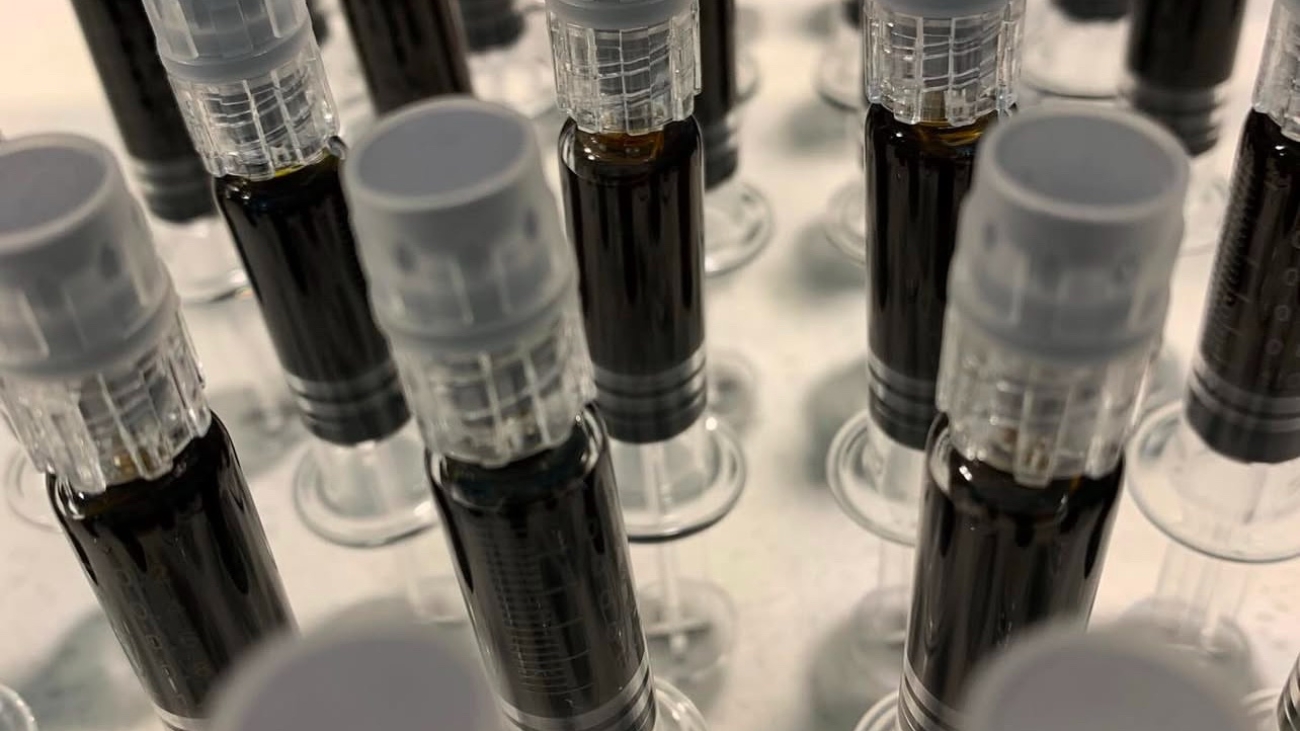
Rick Simpson Oil for Sleep

Rick Simpson Oil for Sleep: What Users Report and What Research Shows

Introduction: Why RSO Is Popular for Sleep Support

Getting a full night of deep, undisturbed rest is essential for physical repair, cognitive function, and emotional resilience. For millions struggling with chronic insomnia, midnight awakenings, or pain-induced restlessness, traditional over-the-counter and prescription sleep aids often come with unwanted dependency or heavy morning grogginess.

Enter Rick Simpson Oil (RSO)—a full-spectrum, high-potency cannabis concentrate renowned for its heavy, relaxing physical effects.

Containing anywhere from 60% to 90% active THC alongside natural plant terpenes, RSO offers a dense cannabinoid profile that affects sleep architecture differently than standard CBD tinctures or low-dose edibles.

If you are exploring pure, lab-tested extracts to support your nightly routine, you can Shop Verified RSO Products at RSO Healing Hub to ensure clean batch quality.

What Real Users Report About RSO for Sleep

In online patient communities, dispensaries, and wellness forums, user experiences with Rick Simpson Oil for sleep are overwhelmingly centered around its potent physical sedation.

1. Rapid Sleep Onset (Falling Asleep Faster)

Users frequently report that consuming RSO 60 to 90 minutes before bedtime quiets a racing mind and induces a deep, heavy body sensation often described as a “couch-lock” or “weighted blanket” effect.

2. Elimination of Midnight Awakenings

Because ingested RSO is processed through the liver (converting delta-9-THC into the more potent 11-hydroxy-THC), its therapeutic window lasts 6 to 8 hours. Consumers with severe insomnia note that RSO helps them stay asleep through the entire night without waking up at 2 AM or 3 AM.

3. Relief from Pain-Induced Restlessness

For individuals whose insomnia stems from chronic nerve pain, muscle spasms, or joint stiffness, RSO addresses the underlying physical discomfort that prevents restful posture during sleep.

User Insight: While most users experience deep rest, taking a dose that is too large or taking it too late at night can cause a temporary “RSO hangover”—a lingering feeling of heaviness or brain fog the next morning.

What Scientific Research Shows About Cannabinoids and Sleep

While clinical trials evaluating trade-named “Rick Simpson Oil” are limited, extensive medical research examines the individual mechanisms behind high-THC full-spectrum extracts and sleep regulation.

1. Reduction in Sleep Latency

Clinical studies on THC show that activating central nervous system CB1 receptors shortens sleep onset latency—meaning it reduces the time required to transition from full wakefulness to light sleep.

2. Suppression of REM Sleep and Vivid Dreams

Research indicates high doses of THC decrease the duration of REM (Rapid Eye Movement) sleep while increasing slow-wave (deep) sleep.

  • Benefit: Reduces vivid nightmares or PTSD-related sleep disruptions.
  • Trade-Off: Chronic long-term REM suppression can affect dream recall and emotional processing over extended periods.

3. Terpene Synergy (Myrcene & Linalool)

Full-spectrum RSO retains natural terpenes that enhance sedation:

  • Myrcene: Known for its sedating, muscle-relaxing qualities.
  • Linalool: A floral terpene that modulates GABA receptors to lower anxiety and calm the nervous system.

For deeper insights into plant medicine research and holistic wellness frameworks, visit Psychedelics World.

User Experiences vs. Scientific Evidence

FeatureUser ReportsScientific Research Findings
Falling AsleepMind calms quickly; physical body feels deeply relaxed within 1–2 hours.THC significantly reduces sleep latency by modulating CB1 receptors in central nervous system.
Staying AsleepUninterrupted 7 to 8 hours of sleep without waking up mid-night.11-hydroxy-THC (metabolized orally) provides extended 6–8 hour active duration.
Nightmares / DreamsDreams become less frequent or stop altogether.High THC reduces time spent in REM sleep, suppressing dream frequency and intensity.
Morning ExperienceRefreshed if dosed correctly; groggy if dose was too high.High doses late in the evening can leave residual active metabolites upon waking.

Step-by-Step Nighttime Protocol for Beginners

Using high-potency RSO for sleep requires careful timing and conservative dosing to prevent waking up groggy.

1.1. Dose 1 to 2 Hours Before Sleep:Timing: 90 Minutes Before Bed.

Because oral absorption takes 45 to 90 minutes, take your dose early enough so the peak sedating effect aligns with your desired bedtime.

2.2. Start Microscopic (~5mg THC):Dosage: Half a Grain of Rice.

Begin with a dose no larger than half a grain of rice. Overdosing high-THC oil before bed can cause restlessness or an racing heart rather than sleepiness.

3.3. Swallow with a High-Fat Snack:Bioavailability: Pair with Fat.

Consume your RSO dose with a spoonful of peanut butter, almond butter, or full-fat yogurt to maximize liver conversion and smooth out absorption.

4.4. Dim Lights and Unplug:Environment: Prepare for Rest.

Allow the natural sedating terpenes and cannabinoids to take effect in a cool, dark room free from blue light screens.

Frequently Asked Questions (FAQ)

Will Rick Simpson Oil make me feel hungover in the morning?

If you take too much RSO or take it too late in the night, you may experience a mild “cannabis hangover” consisting of dry mouth, grogginess, or slight brain fog. Starting with a microscopic dose and taking it 2 hours before bed prevents this.

Is RSO better for sleep than CBD oil?

CBD is non-intoxicating and excellent for mild daytime anxiety, but it lacks the heavy physical sedating power of high-THC RSO. For severe insomnia or pain-related sleep loss, full-spectrum RSO is generally reported to be much more effective.

Can I build a tolerance to RSO if I take it every night for sleep?

Yes. Daily use of high-THC cannabis causes CB1 receptor downregulation, meaning your body builds tolerance over time. Taking periodic 2-to-3 day breaks or keeping your bedtime dose at the lowest effective amount helps preserve long-term efficacy.

Conclusion

Both anecdotal user reports and scientific research agree: Rick Simpson Oil is a powerful option for sleep support. By reducing the time it takes to fall asleep, lengthening deep sleep phases, and relieving physical discomfort, RSO offers comprehensive relief for difficult nights.

To achieve the best results, start low, pair your dose with healthy fats, and give your body time to adapt. Ready to upgrade your nightly rest? Shop Tested RSO Products at RSO Healing Hub today to find premium, full-spectrum extracts tailored to your wellness needs.

Can You Travel With Rick Simpson Oil?

Can You Travel With Rick Simpson Oil? Laws and Regulations Explained

Introduction: Navigating the Legal Complexities of RSO Travel

If you rely on full-spectrum concentrates for daily wellness, one major concern naturally arises: can you travel with Rick Simpson Oil? Because traditional Rick Simpson Oil (RSO) contains ultra-potent concentrations of active THC (often 60% to 90%), transporting it across state borders, aboard airplanes, or into international territory involves complex legal boundaries.

While laws surrounding state-level medical cannabis continue to evolve, air space and interstate highways fall under federal or international jurisdiction. Knowing the exact difference between high-THC RSO and federally compliant hemp-derived extracts will keep your journey stress-free.

If you are planning a trip and need to verify the source purity or lab certification of your extracts, you can Shop Verified RSO Products at RSO Healing Hub prior to travel.

Flying with RSO: What TSA Regulations Actually Say

The Transportation Security Administration (TSA) is responsible for passenger safety at US airports. Understanding their operational protocol helps clarify what happens at security checkpoints:

  • TSA Focus is Security, Not Drug Enforcement: TSA security officers do not actively search for illegal drugs. Their primary mandate is detecting weapons, explosives, and safety threats to aircraft.
  • Local Law Enforcement Referral: If a TSA officer discovers a high-THC substance during routine screening, agency policy dictates referring the matter to local airport police.
  • Local Jurisdiction Outcome: If you are departing from an airport in a state where high-THC cannabis is legal, local police typically do not confiscate or arrest for personal-use quantities, provided you comply with state possession limits. However, you may be asked to store or dispose of the item before boarding.

The Federal Airspace Paradox

Even if you are flying between two states where cannabis is legal (e.g., from California to Colorado), airplanes and airport sterile zones operate under federal jurisdiction. The Federal Aviation Administration (FAA) bans high-THC cannabis on commercial aircraft.

Hemp-Derived Exception: RSO made from industrial hemp containing 0.3% or less THC by dry weight is federally legal under the 2018 Farm Bill and is permitted on domestic US flights.

Risk Assessment Across Common Travel Scenarios

Travel ModeLegal StatusRisk LevelPrimary Consideration
Domestic Air Travel (Hemp-Derived RSO < 0.3% THC)Federally LegalLowMust follow 3.4 oz liquid limit; carry Certificate of Analysis (COA).
Domestic Air Travel (High-THC RSO)Federally IllegalModerate to HighTSA defers to local police, but FAA rules prohibit THC on civil aircraft.
Driving Across State LinesFederally IllegalModerate to HighCrossing state borders with high-THC oil violates federal interstate commerce laws.
International Travel (Any High-THC RSO)Strictly IllegalExtreme / SevereCrossing international borders carries severe criminal penalties and border arrest.

Driving Across State Lines with RSO

Driving with high-THC Rick Simpson Oil presents different legal hurdles than flying:

  1. Interstate Commerce Laws: Federal law strictly prohibits transporting high-THC cannabis across state lines, even if both the origin state and destination state have legalized recreational or medical cannabis.
  2. State Reciprocity: Some states honor out-of-state medical cannabis cards, allowing you to purchase RSO upon arrival. However, reciprocity does not grant legal permission to transport the product across state borders yourself.
  3. Storage Rules: If traveling within a single legal state, store RSO sealed in its original dispensary packaging in your vehicle’s trunk or a locked glove compartment to comply with “open container” vehicle laws.

For further reading on holistic wellness frameworks and plant medicine regulations, visit Psychedelics World.

How to Handle TSA 3-1-1 Liquid Rules for RSO

Because Rick Simpson Oil is sold in syringes as a thick paste or dark oil, airport security treats it as a liquid or gel.

1.1. Keep Syringes Under 3.4 Ounces (100ml):Rule 1: Check Volume.

Standard RSO syringes usually hold 1 gram to 3 grams of resin (well below the 3.4 oz limit), making them compliant with TSA volume restrictions.

2.2. Store in a Clear, Quart-Sized Bag:Rule 2: Clear Bagging.

Place your oil syringe inside a clear, resealable plastic bag alongside your other carry-on liquids for easy security inspection.

3.3. Carry a Certificate of Analysis (COA):Rule 3: Carry Documentation.

If traveling with hemp-derived RSO (<0.3% THC), keep a printed lab report proving its legal status and exact cannabinoid breakdown.

4.4. Consider Sourcing Upon Arrival:Rule 4: Destination Sourcing.

To eliminate all legal risk when traveling for extended periods, purchase high-THC RSO directly at a licensed dispensary in your destination state.

Frequently Asked Questions (FAQ)

Can I put Rick Simpson Oil in my checked luggage?

Hemp-derived RSO (<0.3% THC) is allowed in checked bags. High-THC RSO remains federally prohibited in both carry-on and checked luggage because baggage is subject to federal security checks and airport scanning.

Can I travel internationally with high-THC RSO?

No. Taking high-THC cannabis products across international borders is illegal under both international drug treaties and national border customs laws. Severe legal consequences, including imprisonment and permanent travel bans, apply regardless of your medical status.

What happens if TSA finds high-THC RSO in my bag?

TSA will halt screening and refer the matter to local airport police. In a legal state, officers will confirm you meet local age/medical card requirements and may ask you to surrender or dispose of the product. In a prohibition state, local police can issue citations or file criminal charges.

Conclusion

When asking if you can travel with Rick Simpson Oil, the key factor is understanding federal versus state boundaries. While hemp-derived RSO containing under 0.3% THC can travel freely within the United States, high-THC RSO carries significant legal risk on commercial flights and across state lines. The safest option for high-potency THC care is sourcing your oil locally upon arrival at your destination.

Always prioritize clean, third-party lab-certified extracts. Shop Pure RSO Extracts Today at RSO Healing Hub to access premium products with verifiable lab documentation.

Rick Simpson Oil Side Effects and Safety Considerations

Rick Simpson Oil Side Effects and Safety Considerations

Introduction: Understanding High-Potency Cannabis Safety

Rick Simpson Oil (RSO) is widely known for its exceptionally high cannabinoid concentration, often yielding 60% to 90% active THC. Because full-spectrum extracts deliver such a dense, unrefined dose of cannabinoids and plant compounds, understanding Rick Simpson Oil side effects and safety considerations is vital for any consumer.

While many individuals use RSO to support their wellness goals, taking high levels of THC without proper preparation can lead to uncomfortable physical and psychological reactions.

Approaching RSO with clear safety guidelines ensures you maximize therapeutic potential while keeping unwanted reactions to a minimum. If you are looking for clean, third-party tested extracts, you can Shop Pure RSO Products at RSO Healing Hub to verify batch purity before use.

Common Short-Term Side Effects of RSO

Because RSO is absorbed orally and metabolized by the liver, its psychoactive and physical effects are stronger and longer-lasting than inhaled cannabis. Most side effects are dose-dependent, meaning higher amounts significantly increase their intensity.

1. Physical Side Effects

  • Sedation and Severe Drowsiness: Due to heavy THC and myrcene content, feeling extremely heavy or sleepy is common.
  • Dry Mouth & Dry Eyes: Cannabinoids temporarily inhibit salivary gland secretion and reduce eye hydration.
  • Dizziness or Low Blood Pressure: THC can cause temporary vasodilation, leading to a drop in standing blood pressure (orthostatic hypotension).
  • Increased Heart Rate (Tachycardia): A temporary spike in heart rate can occur during the initial absorption peak.

2. Cognitive and Emotional Side Effects

  • Impaired Coordination and Slowed Motor Skills: Fine motor control and balance are noticeably reduced.
  • Short-Term Memory Fog: Memory retention and mental processing speed slow down while peak THC levels remain active.
  • Anxiety or Paranoia: If an individual takes more than their tolerance can handle, high THC can stimulate the amygdala, triggering temporary feelings of panic or anxiety.

Overview: Mild vs. High-Dose Side Effects

Side EffectLow-to-Moderate DosesHigh or Over DosesDuration
DrowsinessLight relaxation / restful feelingHeavy lethargy / deep sleep4 – 8 hours
Dry Mouth / EyesMild thirstModerate discomfort2 – 6 hours
Blood PressureSlight changeDizziness upon standing1 – 3 hours
Cognitive StateMild euphoria / calmDisorientation / paranoia2 – 6 hours

Critical Safety Considerations & Drug Interactions

Beyond standard short-term side effects, there are important clinical safety factors to evaluate before starting Rick Simpson Oil.

1. Cytochrome P450 Enzyme Interaction

Like grapefruit juice, concentrated cannabinoids interact with Cytochrome P450 (CYP450) liver enzymes. These enzymes are responsible for metabolizing a wide array of prescription medications, including:

  • Blood thinners (e.g., Warfarin)
  • Anticonvulsants and anti-seizure drugs
  • Blood pressure medications
  • Sedatives and anti-anxiety treatments

When RSO competes for these liver enzymes, it can raise or lower the concentration of prescription drugs in your bloodstream. Always consult a qualified physician if taking pharmaceuticals alongside high-potency cannabis.

To explore broader educational discussions on botanical medicine safety and holistic health protocols, visit Psychedelics World.

Essential Precautions: How to Minimize RSO Risks

Minimizing adverse effects comes down to cautious dosing, environmental preparation, and proper timing.

1.1. Start with a Microscopic Dosing Strategy:Rule 1: Start Small.

Never start with a full syringe line or large drop. Begin with no more than half a grain of rice (~5mg THC) to evaluate your personal tolerance safely.

2.2. Take Doses Before Bedtime:Rule 2: Plan Timing.

If you are concerned about drowsiness or psychoactive intensity, consume your starting dose 1 to 2 hours before sleep so you can sleep through the peak.

3.3. Never Drive or Operate Heavy Machinery:Rule 3: Avoid Risks.

RSO significantly slows reaction time and motor coordination. Avoid driving or performing hazardous tasks while under the influence of oil.

4.4. Keep CBD and Water Nearby:Rule 4: Counterbalance.

Stay well-hydrated throughout the day. If you accidentally take too much, taking pure CBD oil or chewing on black peppercorns can help lessen THC-induced anxiety.

Frequently Asked Questions (FAQ)

How long do Rick Simpson Oil side effects last?

When ingested orally, RSO side effects typically begin within 45 to 90 minutes, peak around 2 to 4 hours, and can linger for 6 to 8 hours depending on individual metabolism and dose size.

Can you overdose on Rick Simpson Oil?

Cannabinoids do not cause fatal respiratory arrest like opioids because there are no CB1 receptors in the brainstem respiratory center. However, an overdose of RSO can cause intense, uncomfortable intoxication, panic, and prolonged sleepiness.

Is RSO safe for elderly individuals?

Elderly individuals can use RSO, but they should exercise extreme caution due to an increased risk of dizziness, low blood pressure, and fall risks. Starting with a microscopic dose and having caregiver assistance is strongly recommended.

Conclusion

Understanding Rick Simpson Oil side effects and safety considerations empowers you to use this potent extract responsibly. By respecting its potency, adhering to the “start low and go slow” rule, and consulting a healthcare provider regarding drug interactions, you can minimize discomfort while exploring its therapeutic potential.

Always ensure you are sourcing pure, lab-tested concentrates free from residual solvents or harmful additives. Shop Tested RSO Products at RSO Healing Hub today to access verified full-spectrum extracts you can rely on.

Rick Simpson Oil Benefits

Rick Simpson Oil Benefits: What Current Research Says

Introduction: Separating Science from Speculation

Rick Simpson Oil (RSO) has captured worldwide attention as one of the most potent full-spectrum cannabis concentrates available. Originally developed in the early 2000s by Canadian engineer Rick Simpson, this thick, unrefined extract is rich in Tetrahydrocannabinol (THC), secondary cannabinoids, and plant terpenes.

While thousands of personal testimonials praise its therapeutic potential, modern wellness consumers increasingly ask: what does current research actually say about Rick Simpson Oil benefits?

While large-scale human clinical trials specifically labeled “RSO” remain limited due to federal cannabis restrictions, a growing body of scientific literature examines the individual mechanisms behind high-concentration THC, whole-plant extractions, and the endocannabinoid system (ECS).

If you are looking to integrate lab-tested, high-grade extracts into your daily routine, you can Shop Pure RSO Products at RSO Healing Hub for verified purity and potency.

The Science of the “Entourage Effect”

To understand why RSO is often studied differently from isolated THC or CBD oils, researchers point to a phenomenon known as the entourage effect.

Full-Spectrum RSO = High THC + Secondary Cannabinoids (CBD, CBG, CBN) + Plant Terpenes

Unlike single-molecule isolates, whole-plant extracts preserve the natural synergy between various hemp compounds:

  • Primary Cannabinoids: High-potency THC interacts directly with CB1 receptors in the central nervous system.
  • Secondary Cannabinoids: Trace amounts of CBD, CBG, and CBN help modulate receptor activity and reduce unwanted side effects.
  • Terpenes: Natural aromatic compounds like myrcene, caryophyllene, and linalool enhance cannabinoid absorption across the blood-brain barrier.

What Current Research Says About Primary RSO Benefits

While formal clinical trials on RSO specifically are ongoing, extensive research on high-THC full-spectrum cannabis extracts highlights several key therapeutic areas.

1. Relief for Chronic Discomfort & Inflammation

Cannabinoids interact with CB1 and CB2 receptors throughout the nervous system to inhibit pain signaling pathways. Studies evaluating high-potency cannabis extracts show significant potential for:

  • Easing deep neuromuscular tension.
  • Modulating inflammatory responses in joint and tissue pathways.
  • Providing long-lasting relief for persistent, hard-to-treat discomfort.

2. Deep Sleep & Circadian Rhythm Support

Because RSO contains concentrated levels of THC alongside sleep-inducing terpenes (such as myrcene), research shows high-THC extracts shorten the time it takes to fall asleep (sleep latency) and prolong restorative deep-sleep cycles.

3. Appetite Stimulation & Nausea Suppression

One of the most clinically established benefits of high-THC cannabis is its interaction with ghrelin (the hunger hormone) and brainstem nausea centers. Research supports THC concentrates for:

  • Stimulating healthy appetite.
  • Reducing acute and chronic nausea symptoms.
  • Helping maintain body weight during intensive medical treatments.

For further exploration into alternative plant therapies and emerging holistic health frameworks, visit Psychedelics World.

Anecdotal Claims vs. Scientific Evidence

When exploring Rick Simpson Oil benefits, it is essential to distinguish between proven clinical effects and areas where preclinical laboratory research is still developing.

Therapeutic AreaCurrent Research StatusKey Findings
Pain & InflammationStrong Scientific SupportTHC and full-spectrum terpenes significantly decrease nerve pain and systemic inflammation.
Nausea & AppetiteStrong Scientific SupportClinically proven mechanism; THC activates CB1 receptors to stimulate appetite and suppress emesis.
Sleep SupportModerate-to-Strong SupportHigh-THC extracts reduce REM sleep latency and improve night-time restful periods.
Oncology & Cellular HealthPreclinical / Lab Studies OnlyIn-vitro (petri dish) and animal studies show cannabinoid anti-tumor activity, but robust human trials are still required.

Research Takeaway: While lab and animal studies on cannabinoids and cellular health show promise, RSO should be viewed as a complementary whole-plant wellness extract rather than a standalone medical cure. Always consult with a healthcare professional when managing serious medical conditions.

How to Utilize RSO Safely Based on Current Evidence

Because RSO is exceptionally concentrated, scientific consensus emphasizes the importance of conservative administration:

  1. Start Microscopic: Begin with a dose no larger than half a grain of rice (~5mg to 10mg THC).
  2. Combine with Dietary Fats: Research confirms cannabinoids are fat-soluble. Consuming RSO with healthy fats (peanut butter, coconut oil, avocado) dramatically boosts bioavailability and absorption consistency.
  3. Allow Sufficient Absorption Time: Oral ingestion requires 45 to 90 minutes to take effect as the oil passes through hepatic digestion.

Frequently Asked Questions (FAQ)

Is Rick Simpson Oil clinically approved?

While individual pharmaceutical drugs derived from cannabinoids exist, raw RSO is classified as a whole-plant botanical extract rather than an FDA-approved pharmaceutical drug.

How does RSO differ from standard CBD oil?

Standard CBD oil is typically derived from industrial hemp and contains minimal to zero THC (less than 0.3%). RSO is a full-spectrum extract containing high concentrations of active THC (often 60% to 90%), making it significantly more potent.

Can I build a tolerance to RSO over time?

Yes. Clinical studies show that regular daily intake of THC leads to receptor downregulation, building tolerance. This allows long-term users to consume higher therapeutic doses with less psychoactive disruption.

Conclusion

Understanding Rick Simpson Oil benefits requires balancing real-world patient success stories with grounded scientific evidence. Research firmly supports high-THC full-spectrum cannabis extracts for managing chronic discomfort, encouraging deep sleep, and stimulating appetite. As clinical studies expand, our understanding of this legendary extract continues to grow.

Prioritize your wellness journey with lab-tested, high-purity concentrates. Shop Pure RSO Products Today at RSO Healing Hub to access premium, full-spectrum extracts you can trust.

How Much Rick Simpson Oil Should Beginners Take

How Much Rick Simpson Oil Should Beginners Take

Introduction: The Golden Rule of RSO Dosing

If you are new to full-spectrum cannabis concentrates, one crucial question comes first: how much Rick Simpson Oil should beginners take? Because Rick Simpson Oil (RSO) is an exceptionally concentrated extract containing between 60% and 90% active THC, proper dosing is the single most important factor in ensuring a comfortable, safe, and therapeutic experience.

Unlike low-potency CBD tinctures or pre-measured edibles, RSO arrives as a thick, viscous paste inside an oral syringe. Estimating a tiny initial dose requires care and clear visual guidelines.

Whether you are seeking relief from chronic discomfort, struggling with deep insomnia, or exploring whole-plant wellness options, starting with a conservative dosage allows your body to adapt safely.

Ready to begin your journey with pure, lab-tested concentrates? You can Shop Verified RSO Products directly to get high-grade extracts with reliable potency.

The Starting Dose: The “Half a Grain of Rice” Rule

When determining how much RSO a beginner should take, the universal medical cannabis standard is half a grain of uncooked dry rice (approximately 1/4th of a drop or roughly 5mg to 10mg of total cannabinoids).

Beginner Starting Dose = Half a Grain of Rice (approx. 5mg - 10mg THC)

Because RSO is intensely potent, taking a full drop or a syringe line on your first attempt can trigger overwhelming intoxication, severe drowsiness, or temporary anxiety. Starting with a microscopic amount allows you to evaluate your sensitivity to THC without discomfort.

Why “Half a Grain of Rice”?

  • Precision Control: Oral syringes make it easy to squeeze out tiny bead-sized droplets.
  • Tolerance Assessment: Helps identify how sensitive your endocannabinoid system is to high THC levels.
  • Minimizing Side Effects: Prevents heavy intoxication while still delivering therapeutic plant compounds.

To read more about complementary holistic wellness frameworks and plant medicine insights, you can visit Psychedelics World.

Step-by-Step: Squeezing and Measuring Your Beginner Dose

Handling a sticky, concentrated resin can be tricky at first. Following this simple routine ensures you measure your dose accurately every time.

1.1. Warm the Syringe in Your Hands:Step 1: Soften the Oil.

Cold RSO is very thick and hard to squeeze. Roll the syringe between your palms for 60 seconds or place it in a sealed bag dipped in warm water to loosen the resin.

2.2. Remove the Syringe Cap:Step 2: Uncap.

Twist off the rubber protective cap. Hold the syringe upright to prevent accidental dripping.

3.3. Gently Squeeze a Tiny Bead:Step 3: Dispense.

Apply slow, steady pressure to the plunger until a tiny droplet the size of half a grain of rice emerges onto the tip.

4.4. Place on Food or Under Tongue:Step 4: Administer.

Transfer the droplet onto a piece of food (like a banana slice or spoonful of peanut butter) or place it directly under your tongue for sublingual absorption.

The 12-Week RSO Titration Schedule for Beginners

If you are following a structured high-dose protocol—such as the classic 60-gram regimen popularized by Rick Simpson—you will need to gradually build your physical tolerance over 90 days.

Week 1: 1/2 Grain ➔ Weeks 2–5: Double Every 4 Days ➔ Weeks 6–12: 1 Gram Daily

The Standard Schedule Breakdown

PhaseDurationFrequency & Dose SizeTarget Daily Total
Week 1Days 1 – 71/2 grain of rice every 8 hours (3x daily)~15mg – 30mg THC
Weeks 2 – 5Days 8 – 35Double the dose size every 4 daysEscalating to ~500mg
Weeks 6 – 12Days 36 – 901 full gram daily (divided into 3 doses)~600mg – 900mg THC

Important Note: You do not need to reach a full gram per day unless you are following a specific high-dose regimen under medical guidance. Many wellness users find optimal daily relief at much smaller maintenance doses.

If you are looking to source high-purity concentrates formatted for precise dosing, explore options at RSO Healing Hub.

How Long Should Beginners Wait Before Taking More?

Patience is essential when learning how much Rick Simpson Oil to take. Because RSO is often swallowed, it must pass through your digestive system and liver before taking full effect.

  • Sublingual Intake (Under the Tongue): Takes 15 to 30 minutes to start working; peaks around 1 to 2 hours.
  • Oral Ingestion (Swallowed with Food): Takes 45 to 90 minutes to take effect; peaks around 2 to 3 hours.

Crucial Rule: Never take a second dose within 3 hours of your first dose. The most common mistake beginners make is assuming the oil isn’t working and taking more too soon.

Pro-Tips to Improve Your Dosing Experience

  • Always Consume with Fat: THC is fat-soluble. Eating your RSO dose alongside healthy fats—such as peanut butter, avocado, full-fat yogurt, or coconut oil—significantly increases absorption rate and bioavailability.
  • Mask the Bitter Flavor: If you dislike the earthy, bitter taste of whole-plant resin, squeeze your dose into an empty gelatin capsule or tuck it inside a marshmallow.
  • Dose at Night Initially: Taking your starting doses 1 to 2 hours before bedtime allows you to sleep through the strongest psychoactive peak while building tolerance comfortably.

What to Do If You Accidentally Take Too Much

If you miscalculate your dose and feel overly intoxicated, stay calm. Keep these simple safety steps in mind:

  1. Remind Yourself You Are Safe: Cannabinoids do not cause life-threatening respiratory depression. The intense feeling is temporary and will pass.
  2. Take Pure CBD: High doses of CBD help block THC from binding to brain receptors, softening psychoactive intensity.
  3. Chew Black Peppercorns: Black pepper contains beta-caryophyllene, a natural terpene known to ease THC-induced anxiety.
  4. Hydrate & Rest: Drink plenty of water, lie down in a quiet room, and rest until the peak subsides.

Frequently Asked Questions (FAQ)

How many milligrams of THC are in a grain-of-rice dose?

A full grain-of-rice dose of standard 70% THC RSO contains approximately 20mg to 25mg of active THC. Therefore, a beginner’s half-grain dose contains roughly 10mg to 12.5mg of THC.

Can I take RSO every day?

Yes. Many individuals use RSO daily. Regular daily consumption builds cannabinoid tolerance over time, allowing users to experience deep physical benefits without intense psychoactivity.

Should I take RSO on an empty stomach?

It is best avoided. Taking RSO on an empty stomach can cause erratic absorption times or mild gastrointestinal discomfort. Always pair it with a small meal or snack containing healthy fats.

Conclusion

Determining how much Rick Simpson Oil beginners should take comes down to one core principle: start low and go slow. By beginning with a dose no larger than half a grain of rice, pairing it with healthy fats, and allowing your body time to adapt, you can safely unlock the therapeutic power of full-spectrum cannabis.

Always prioritize clean, third-party lab-tested extracts to ensure accurate potency. Ready to start your wellness journey with confidence? Shop Pure RSO Extracts Today and discover premium concentrates delivered straight to your door.
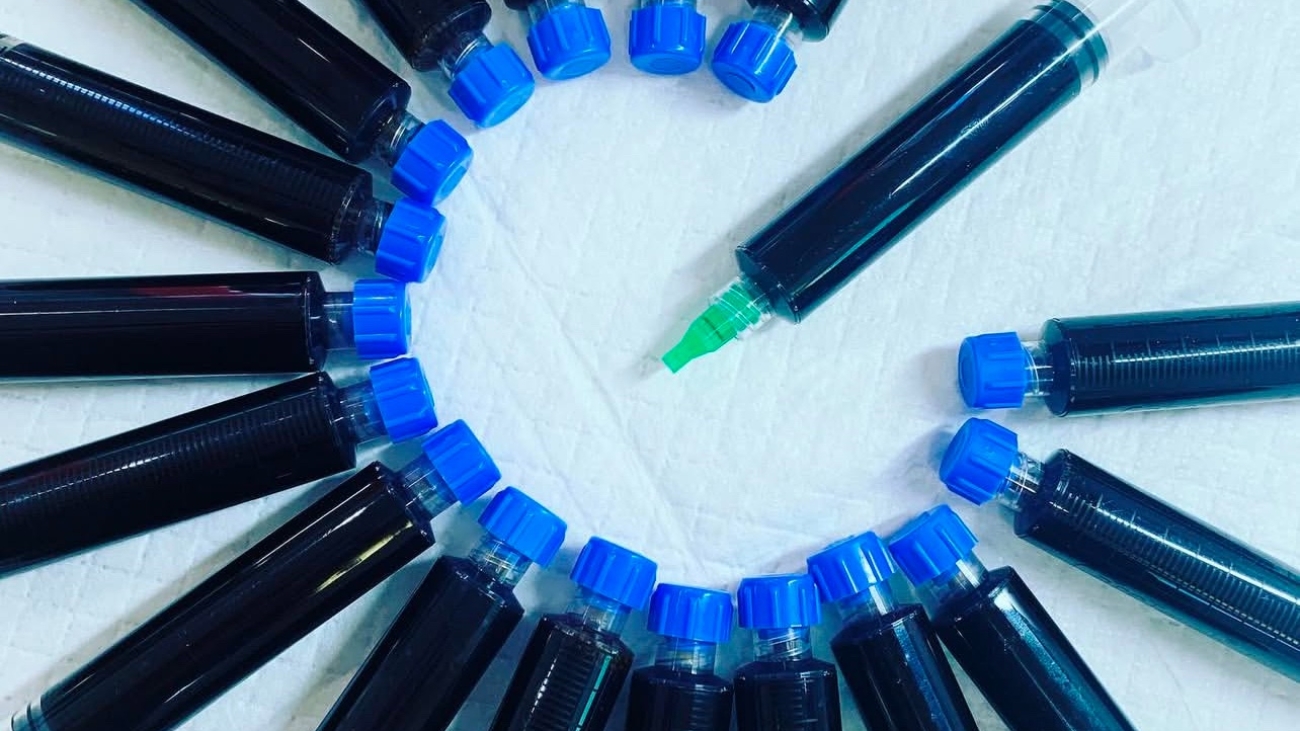
How to Store Rick Simpson Oil for Maximum Freshness

How to Use Rick Simpson Oil: Methods, Tips, and Best Practices

Introduction: Mastering RSO Administration

Knowing how to use Rick Simpson Oil (RSO) properly is the most critical step in achieving a positive, safe experience with high-potency cannabis extracts. Rick Simpson Oil is renowned for its incredible density of active cannabinoids, but its dark, thick, molasses-like consistency and high THC concentration can make administration intimidating for beginners.

Unlike light tinctures or pre-measured edibles, RSO usually arrives packaged in glass or plastic oral syringes. Measuring a tiny, accurate dose requires a bit of technique, patience, and understanding of how your body metabolizes full-spectrum concentrates.

Whether you are using RSO for intensive physical support, pain management, or deep sleep, this comprehensive guide explores the best consumption methods, practical tips to handle sticky oil, dosing best practices, and common mistakes to avoid.

If you are ready to start with pure, lab-tested full-spectrum oil, you can Shop Verified RSO Products directly from trusted sources.

The 4 Primary Ways to Consume Rick Simpson Oil

Because RSO is fully decarboxylated during production—meaning the THC is already activated—you do not need to heat it before consumption. There are four main ways to administer RSO, each with unique onset times and duration of effects.

1. Sublingual Administration (Under the Tongue)

Sublingual intake is one of the most effective ways to take RSO. By placing a small drop directly under your tongue, cannabinoids pass through the oral mucous membranes directly into the bloodstream.

  • Onset Time: 15 to 30 minutes.
  • Duration: 4 to 6 hours.
  • Best For: Faster relief from acute physical discomfort, anxiety, or nausea.

2. Oral Ingestion (Swallowing with Food)

Swallowing RSO allows it to travel through your digestive tract and process through the liver. The liver converts delta-9-THC into 11-hydroxy-THC, a compound that produces longer-lasting and more intense bodily sedation.

  • Onset Time: 45 to 90 minutes.
  • Duration: 6 to 8+ hours.
  • Best For: Long-lasting overnight sleep support and sustained physical relief.

3. Topical Application (On the Skin)

RSO can be applied directly onto the skin to address localized surface concerns, minor skin irritations, or external spots.

  • Method: Dab a tiny amount onto the targeted area, cover with a bandage, and replace every 12 to 24 hours.
  • Psychoactivity: Topical application generally produces minimal to no systemic intoxication.

4. Encapsulation (DIY Gel Capsules)

If you dislike the strong, bitter taste of raw cannabis oil, you can squeeze your doses into empty gelatin or vegetable capsules along with a drop of carrier oil (like coconut or olive oil).

  • Best For: Easy, discreet daily dosing without any taste.

To learn more about natural plant-based therapies and holistic wellness practices, feel free to visit Psychedelics World.

At-a-Glance Comparison: RSO Consumption Methods

MethodOnset TimeDurationTaste ImpactKey Advantage
Sublingual15 – 30 mins4 – 6 hoursStrong / BitterFast absorption bypasses liver
Oral (Swallowed)45 – 90 mins6 – 8+ hoursModerate (Masked)Extended relief duration
Capsules60 – 90 mins6 – 8 hoursNonePrecise, tasteless dosing
Topical15 – 45 minsVariableNoneTargeted local skin relief

Step-by-Step Guide: How to Dispense an RSO Syringe

Because cold RSO can be extremely thick and stubborn to push out of a syringe, following a simple preparation routine prevents accidental over-dispensing.

1.1. Warm the Syringe in Your Hands:Step 1: Gentle Heat.

Hold the sealed RSO syringe between your palms for 1 to 2 minutes, or place it in a sealed plastic bag dipped in warm water for 30 seconds. This softens the thick oil so it flows smoothly.

2.2. Remove the Cap Slowly:Step 2: Uncap Carefully.

Twist or pull the rubber tip off the syringe opening. Keep the syringe upright so oil doesn’t spill out.

3.3. Squeeze Out a Grain-of-Rice Sized Dose:Step 3: Measure the Dose.

Gently press the plunger until a drop roughly the size of half a grain of rice (approximately 1/4th of a drop) emerges onto your fingertip, a spoon, or a piece of food.

4.4. Place and Consume:Step 4: Administer.

Place the oil under your tongue for sublingual absorption, or swallow it with a small bite of high-fat food (like peanut butter or avocado).

5.5. Cap and Store Safely:Step 5: Clean & Store.

Wipe any residual oil from the tip with a clean tissue, replace the cap, and store the syringe in a cool, dark place out of reach of children.

Essential Pro-Tips for Using RSO

Handling a super-concentrated resin comes with a learning curve. These practical best practices ensure a smooth experience:

Warm Syringe ➔ Pair with Healthy Fats ➔ Start Small ➔ Stay Hydrated

1. Always Pair RSO with Healthy Fats

Cannabinoids like THC and CBD are fat-soluble. Consuming your RSO dose alongside healthy fats—such as peanut butter, coconut oil, full-fat yogurt, or avocado—significantly improves absorption and bioavailability in your digestive system.

2. How to Mask the Strong Taste

Raw RSO has a pungent, earthy, and bitter herbal flavor due to concentrated plant resins and chlorophyll. If you find the flavor unappealing, try these simple masking tricks:

  • Stick the dose onto a small piece of fruit (like a banana slice) or a spoonful of peanut butter and swallow it whole.
  • Freeze tiny individual doses on parchment paper for 15 minutes, then swallow them like pills with water.
  • Squeeze doses into empty gelatin capsules.

3. What to Do If You Take Too Much

If you accidentally consume more RSO than intended and feel overly intoxicated or anxious, remember these reassuring steps:

  • Stay Calm: Remind yourself that cannabinoid overconsumption is temporary and not physically dangerous.
  • Take Pure CBD: High doses of CBD can help counteract and soften THC’s psychoactive intensity.
  • Chew Black Peppercorns: Black pepper contains the terpene beta-caryophyllene, which helps ease THC-induced anxiety.
  • Rest & Hydrate: Drink water, lie down in a quiet, dark room, and sleep it off.

Need a reliable source for pure, lab-tested concentrates? Visit the RSO Healing Hub Store for high-grade extracts packaged in user-friendly syringes.

Best Practices for Dosing Safety

  • Follow the “Start Low, Go Slow” Rule: Never start with a full syringe line. Begin with half a grain of rice and wait at least 2 hours before considering a second dose.
  • Keep a Dosing Journal: Write down the time, dose size, consumption method, and effects to track your tolerance build-up over time.
  • Avoid Driving or Operating Machinery: High-THC concentrates impair reaction times and cognitive focus. Always use RSO in a safe home environment.
  • Consult Your Doctor: If you are taking prescription medications, consult a knowledgeable healthcare provider, as cannabinoids interact with liver enzymes (Cytochrome P450).

Frequently Asked Questions (FAQ)

Can I cook with Rick Simpson Oil?

Yes, but avoid exposing RSO to direct high heat (over 300°F / 150°C), as high temperatures degrade fragile terpenes and reduce THC potency. Instead, stir RSO into warm sauces, soups, or warm butter after removing them from the stove.

Should RSO be refrigerated?

Refrigeration extends the shelf life of RSO and keeps it fresh. However, cold oil becomes very stiff. Always let the syringe sit at room temperature or warm it in your hands before attempting to push the plunger.

How long does a 1-gram RSO syringe last?

For a complete beginner taking half-a-grain-of-rice doses (around 10mg–15mg of THC per dose), a single 1-gram syringe can last anywhere from 3 to 4 weeks.

Conclusion

Mastering how to use Rick Simpson Oil comes down to preparation, patience, and starting with conservative doses. Whether you prefer fast-acting sublingual absorption under the tongue, long-lasting oral capsules, or topical application, RSO provides versatile, full-spectrum support for your wellness routine.

Prioritize safety, choose clean products, and build your tolerance step-by-step. Ready to experience premium, lab-verified cannabis concentrates? Buy Quality RSO Online today and take control of your health journey with confidence.

Rick Simpson Oil vs Cannabis Tinctures

Rick Simpson Oil vs Cannabis Tinctures: Which Is Right for You?

Introduction: Choosing the Right Cannabis Concentrate

As medical and wellness applications for cannabis continue to evolve, consumers are presented with a wide variety of administration methods. Two of the most effective liquid and resinous concentrates available are Rick Simpson Oil (RSO) and Cannabis Tinctures.

While both products represent concentrated forms of cannabinoids, they differ dramatically in their manufacturing process, potency levels, physical appearance, and ideal use cases.

Choosing between Rick Simpson Oil and a cannabis tincture comes down to understanding your health goals, desired onset speed, and tolerance for psychoactive effects.

If you already know that high-potency, full-spectrum extracts fit your wellness protocol, you can Shop Quality RSO Today to browse pure, lab-tested concentrates.

What Is Rick Simpson Oil (RSO)?

Rick Simpson Oil (RSO) is an unrefined, whole-plant cannabis extract developed to preserve the complete profile of the plant matter. It is produced by washing high-THC cannabis flower with a solvent to extract cannabinoids, terpenes, and plant waxes. Once the solvent completely evaporates, what remains is a dark, viscous, tar-like oil.

Key Characteristics of RSO

  • High Potency: RSO commonly boasts THC levels between 60% and 90%.
  • Viscous Consistency: Extremely thick resin packaged in oral syringes.
  • Whole-Plant Extract: Contains minor cannabinoids, natural chlorophyll, and plant fats to maximize the entourage effect.

To learn more about plant-based wellness and holistic health insights, feel free to visit Psychedelics World for deeper reading.

What Are Cannabis Tinctures?

A cannabis tincture is a liquid extract created by steeping cannabis flower or concentrates in alcohol or a carrier oil (such as MCT coconut oil or olive oil). Tinctures have been used in traditional medicine for centuries due to their long shelf life, accurate dosing control, and gentle onset.

Key Characteristics of Cannabis Tinctures

  • Controlled Potency: Tinctures usually contain moderate cannabinoid concentrations (e.g., 5mg to 30mg per drop/dropper).
  • Liquid Consistency: Thin, free-flowing liquid packaged in glass dropper bottles.
  • Targeted Formulas: Available in various cannabinoid ratios, such as 1:1 THC:CBD, high-CBD, or CBN-rich sleep blends.

At-a-Glance Comparison: RSO vs. Cannabis Tinctures

Comparing these two popular methods side by side makes it easy to spot the fundamental differences:

FeatureRick Simpson Oil (RSO)Cannabis Tinctures
Primary AppearanceThick, dark, sticky resin pasteClear or amber liquid
PackagingPlastic or glass oral syringesDropper bottles with calibrated pipettes
THC PotencyExceptionally High (60% – 90%)Mild to Moderate (Adjustable per drop)
Extraction MediumSolvents (purged completely)Alcohol, MCT oil, or glycerin base
Dosing PrecisionMeasured in grain-of-rice incrementsMeasured in drops or milliliters (mL)
AdministrationSublingual, oral, or topicalSublingual or added to foods/drinks
Taste ProfileIntensely earthy, bitter, herbalMild, herbal, or flavored (mint, citrus)

Potency and Dosing Control: Heavy Relief vs. Microdosing

The biggest distinction between Rick Simpson Oil vs Cannabis Tinctures is the sheer concentration of active cannabinoids per serving.

RSO: High-Concentration Systemic Relief

A single dose of RSO the size of a grain of rice can deliver anywhere from 25mg to 50mg+ of pure THC. Because of this high concentration, RSO is primarily designed for individuals needing heavy-duty symptom support, severe pain management, or high-dose cannabinoid therapy.

Tinctures: Precision Microdosing

Tinctures excel at dose customization. A calibrated dropper allows users to consume as little as 1mg to 2mg of THC at a time, making it simple to find your exact “sweet spot” without accidental over-intoxication.

Tinctures = Easy Microdosing (1mg - 10mg per serving)
RSO       = High-Dose Therapy (25mg - 100mg+ per serving)

If you are looking for concentrated, high-potency oil crafted under rigorous quality standards, check out the options at RSO Healing Hub.

Onset Time and Absorption Methods

How quickly you feel the effects depends on how you consume each concentrate.

Sublingual Absorption (Under the Tongue)

  • Tinctures: Because tinctures are thin liquids, holding drops under your tongue for 60 seconds allows rapid absorption into the sublingual blood vessels. Onset usually occurs within 15 to 30 minutes.
  • RSO: RSO can also be held under the tongue, but its thick resinous texture takes longer to dissolve into oral mucous membranes.

Oral Ingestion (Swallowing)

  • Tinctures: When mixed into smoothies, beverages, or swallowed directly, the tincture processes through the digestive tract and liver. Onset takes 45 to 90 minutes, providing long-lasting effects (4 to 8 hours).
  • RSO: Most users swallow RSO by placing a small dab onto food (like a piece of bread, fruit, or peanut butter). Like edibles, processing through the liver produces 11-hydroxy-THC, resulting in a deep, long-lasting bodily effect.

Pros and Cons Breakdown

Evaluating the strengths and limitations of both options helps clarify which format best serves your daily routine:

“Choosing between RSO and tinctures isn’t about which product is overall superior—it’s about matching cannabinoid strength and delivery style to your personal health needs.”

Rick Simpson Oil (RSO)

  • Pros:
    • Maximum cannabinoid density per dose.
    • Preserves full-spectrum plant waxes and minor phytocompounds.
    • Highly cost-effective per milligram of THC for high-dose users.
  • Cons:
    • Thick texture makes fine-tuned low dosing challenging for beginners.
    • Strong, bitter taste that can linger in the mouth.
    • High THC levels can produce intense intoxication if overconsumed.

Cannabis Tinctures

  • Pros:
    • Effortless and exact dosing using calibrated liquid droppers.
    • Faster sublingual absorption compared to dense resins.
    • Available in non-intoxicating ratios (e.g., high-CBD or 1:1 THC:CBD).
    • Palatable taste, often available in natural flavor options.
  • Cons:
    • Lower concentration per milliliter makes high-dose therapy expensive.
    • Carrier oils (like alcohol) can cause a mild burning sensation under the tongue.

How to Decide: Which Is Right for You?

Ask yourself the following practical questions before purchasing:

  1. What is your tolerance level?
    • If you are a beginner or sensitive to THC, start with a Cannabis Tincture.
    • If you have a built-up tolerance or need intense physical relief, consider RSO.
  2. Do you need to function during the workday?
    • Tinctures allow for subtle daytime microdosing without overwhelming psychoactivity.
    • RSO is best reserved for evening use, severe chronic conditions, or when resting.
  3. Are you treating localized or systemic symptoms?
    • For everyday anxiety, minor joint stiffness, or light stress, Tinctures offer flexible, quick relief.
    • For deep chronic pain, severe chemotherapy nausea, or formal high-dose protocols, RSO provides robust whole-plant support.

Frequently Asked Questions (FAQ)

Can I mix RSO with carrier oil to make a tincture?

Yes. Many users create an “RSO Tincture” by gently warming RSO and blending it with MCT coconut oil or olive oil. This reduces the viscosity, improves sublingual absorption, and allows for easier dropper-based dosing.

Which lasts longer: RSO or tinctures?

When swallowed, both products process through the liver and offer similar durations of relief (6 to 8 hours). However, sublingually absorbed tinctures take effect faster and peak slightly sooner.

Is RSO more natural than a tincture?

Both are natural botanical extracts. However, authentic RSO undergoes less refinement, retaining more raw plant waxes, chlorophylls, and dark resins than filtered commercial tinctures.

Conclusion

Understanding Rick Simpson Oil vs Cannabis Tinctures allows you to select the concentrate that aligns perfectly with your wellness goals. While tinctures offer flexible, beginner-friendly liquid dosing, Rick Simpson Oil remains the premier choice for individuals needing high-potency, whole-plant support.

Ready to explore pure, lab-verified full-spectrum concentrates? Buy Quality RSO Online today and get reliable, syringe-packaged extracts delivered with confidence.

Rick Simpson Oil vs CBD Oil: What’s the Difference?

Rick Simpson Oil vs CBD Oil: What’s the Difference?

Introduction: Navigating the World of Cannabis Oils

As interest in plant-based wellness continues to expand worldwide, consumers looking into natural remedies often encounter a wide variety of cannabis extracts. Two of the most frequently discussed—and often confused—products are Rick Simpson Oil (RSO) and CBD Oil.

At first glance, both products are dark or amber plant extracts derived from the Cannabis sativa species, and both interact with the human body’s endocannabinoid system. However, mistaking one for the other can lead to vastly different experiences, especially regarding psychoactive intensity, legal status, and primary therapeutic intent.

Understanding the debate surrounding Rick Simpson Oil vs CBD Oil is essential whether you are seeking mild everyday stress management or intensive symptom support.

If you already know that high-potency, full-spectrum extracts fit your wellness goals, you can Shop Quality RSO Extracts to find lab-tested formulations.

The Fundamental Difference: Cannabinoid Profiles

The core difference between Rick Simpson Oil and conventional CBD oil comes down to chemical composition—specifically the balance between Tetrahydrocannabinol (THC) and Cannabidiol (CBD).

What Is Rick Simpson Oil (RSO)?

Rick Simpson Oil is a full-spectrum extract traditionally derived from high-THC cannabis strains. It is an unrefined, concentrated whole-plant extract designed to retain the maximum amount of active THC along with natural terpenes and minor cannabinoids.

  • Primary Cannabinoid: THC (typically 60% to 90%).
  • Secondary Cannabinoids: Minor amounts of CBD, CBG, CBN, and CBC.
  • Plant Source: High-THC female cannabis plants (often referred to as marijuana).

What Is CBD Oil?

CBD oil is primarily produced from industrial hemp strains specifically bred to contain high concentrations of cannabidiol and minimal trace amounts of THC.

  • Primary Cannabinoid: CBD (ranging from 5% to 50%+ depending on formula strength).
  • THC Content: Must remain at or below 0.3% THC by dry weight in most legal jurisdictions.
  • Plant Source: Industrial hemp (Cannabis sativa L.).

To explore broader perspectives on natural plant medicines and holistic health practices, feel free to visit Psychedelics World for related articles.

At-a-Glance Comparison: RSO vs. CBD Oil

To help you understand the core differences between these two popular extracts at a glance, compare their defining traits side by side:

FeatureRick Simpson Oil (RSO)Standard CBD Oil
Primary Active CompoundHigh THC (60% – 90%)High CBD (0.3% or less THC)
Psychoactive EffectIntensely Intoxicating (“High”)Non-Intoxicating
Plant OriginHigh-THC Cannabis FlowerLow-THC Industrial Hemp
Consistency & AppearanceThick, dark, tar-like viscous pasteLight golden or clear liquid tincture
Primary Method of SaleGlass oral syringesDropper bottles, sprays, or capsules
Legal StatusRegulated in legal cannabis marketsWidely available over-the-counter
Primary Use CasesHeavy pain relief, appetite, palliative careAnxiety, mild inflammation, everyday stress

Psychoactivity: Will It Make You High?

Perhaps the most practical distinction for consumers is whether an oil produces intoxicating effects.

Psychoactive Experience with RSO

Because RSO contains exceptionally high levels of activated THC, it will produce a strong psychoactive high. First-time users often experience significant euphoria, deep physical sedation, altered sensory perception, and drowsiness.

Building a physical tolerance over time reduces the intensity of these effects, which is why beginners are always advised to start with doses no larger than half a grain of rice.

The Non-Intoxicating Nature of CBD Oil

CBD does not bind directly to the brain’s CB1 receptors in the same way THC does. As a result, CBD oil does not produce an intoxicating high.

Users typically report feeling a subtle wave of mental relaxation, reduced physical tension, or enhanced focus without any impairment of cognitive or motor functions.

Plant Origins and Legal Landscape

The source plant dictates not only the chemical makeup of the oil but also how easily you can purchase and possess it under local laws.

High-THC Cannabis Plant ➔ Solvent Extraction ➔ High-THC RSO (Regulated)
Industrial Hemp Plant   ➔ CO2/Ethanol Extract ➔ High-CBD Oil (Widely Legal)

1. Legal Status of CBD Oil

Thanks to modern agricultural frameworks like the 2018 U.S. Farm Bill and similar European regulations, hemp-derived CBD products containing less than 0.3% THC are broadly legal across many international markets. You can easily buy CBD oil online, in health food stores, and in pharmacies.

2. Legal Status of RSO

Because true RSO contains high levels of THC, its legal status mirrors that of medical and recreational cannabis. In regions where high-THC cannabis remains restricted, authentic RSO cannot be legally purchased off standard retail shelves. Always check your local jurisdiction’s cannabis laws before purchasing high-THC concentrates.

If you reside in a legal market and are seeking authentic full-spectrum formulations, visit the RSO Healing Hub Store for verified product options.

Health Benefits: How Are They Used?

While both oils interact with the body’s endocannabinoid system, their clinical applications often differ based on their primary active compounds.

When Is CBD Oil Typically Used?

CBD oil is ideal for mild-to-moderate everyday wellness support and self-care routines:

  • Managing Daily Anxiety & Stress: Helps regulate mood responses and calm an overactive nervous system.
  • Improving Sleep Architecture: Assists in falling asleep faster without causing heavy morning grogginess.
  • Mild Anti-Inflammatory Support: Popular among athletes and individuals with general joint stiffness.
  • Non-Disruptive Daily Use: Perfect for people who need relief during work hours or while driving.

When Is Rick Simpson Oil Typically Used?

RSO is utilized when individuals require deep, high-potency systemic support or palliative symptom care:

  • Severe Chronic Pain: Highly effective for persistent nerve pain, deep muscle aches, and structural discomfort.
  • Chemotherapy Symptom Relief: Widely known for combating severe nausea, vomiting, and appetite loss during intense medical treatments.
  • Profound Sleep & Sedation: Used by individuals suffering from severe, chronic insomnia or trauma-related sleep disturbances.
  • Intensive Whole-Plant Protocols: Utilized by individuals following specific high-dose cannabinoid regimens under medical guidance.

Extraction Methods and Texture Differences

You can easily distinguish RSO from CBD oil simply by looking at their physical characteristics and packaging.

RSO: Dark, Dense, and Viscous

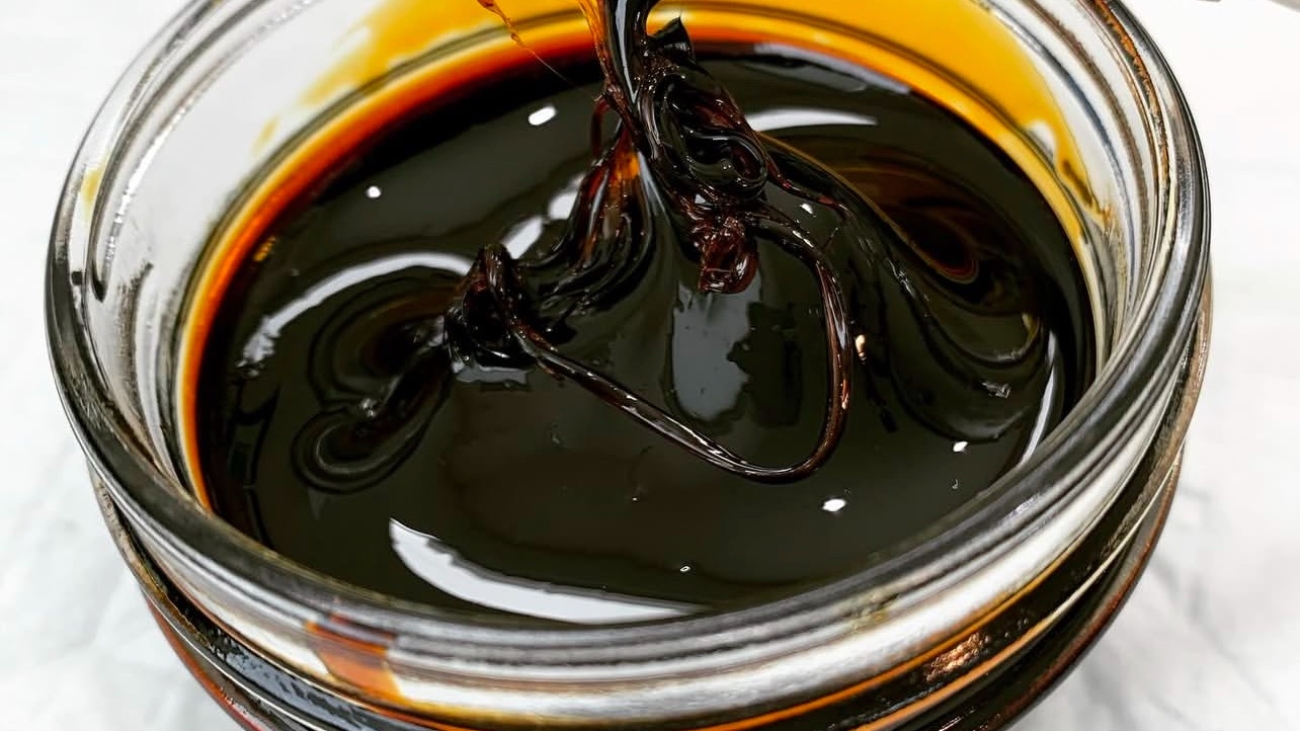
  • Appearance: Dark brown or black, thick like molasses or tar.
  • Packaging: Almost exclusively packaged in plastic or glass oral syringes because it is too thick to flow through a standard dropper bulb.
  • Flavor Profile: Strong, bitter, herbal, and earthy due to retained chlorophyll, plant resins, and concentrated terpenes.

CBD Oil: Fluid and Refined

  • Appearance: Clear, light golden, or pale green liquid.
  • Packaging: Housed in glass dropper bottles, capsules, or softgels.
  • Flavor Profile: Usually mild and earthy; often combined with pleasant carrier oils (like MCT coconut oil or hemp seed oil) or natural flavorings (like peppermint or citrus).

How to Choose: Which Oil Is Right for You?

Selecting between Rick Simpson Oil and CBD Oil depends on your specific health needs, lifestyle, and comfort level with THC:

  1. Choose CBD Oil if:
    • You want daily relief from stress, mild pain, or trouble sleeping.
    • You need to remain completely clear-headed for work, driving, or parenting.
    • You live in an area with strict regulations on high-THC products.
    • You prefer standard tinctures that are easy to measure in drops.
  2. Choose Rick Simpson Oil if:
    • You are managing severe chronic symptoms, intense pain, or heavy nausea.
    • You are seeking the full power of high-THC full-spectrum cannabinoids.
    • You are comfortable experiencing psychoactive effects or intend to build tolerance gradually.
    • You want a concentrated, pure whole-plant extract packaged in precise syringe doses.

Frequently Asked Questions (FAQ)

Can I turn CBD oil into RSO?

No. RSO is defined by its high THC content extracted from high-THC cannabis strains. While you can make a concentrated CBD oil paste, it will not have the high-THC properties that characterize authentic Rick Simpson Oil.

Is RSO stronger than CBD oil?

In terms of psychoactivity and raw THC potency, yes. RSO is significantly more potent than standard CBD oil. However, “strength” depends on what you are treating—CBD oil is often more effective for everyday anxiety where high THC might otherwise induce panic.

Can I mix RSO and CBD oil together?

Yes. Many individuals consume both cannabinoids together to harness the full entourage effect. In fact, taking CBD alongside high-THC RSO can help soften the psychoactive intensity of THC while boosting overall anti-inflammatory benefits.

Conclusion

Understanding the difference between Rick Simpson Oil vs CBD Oil empowers you to make informed, safe decisions for your personal health journey. While CBD oil offers versatile, non-intoxicating support for everyday stress and minor ailments, Rick Simpson Oil stands out as a high-potency, full-spectrum extract designed for intensive symptom management.

Prioritize purity, safety, and verifiable lab testing regardless of which extract you choose. Ready to explore authentic, full-spectrum concentrates? Shop Pure RSO Products Today and discover high-grade extracts crafted for maximum therapeutic value.