RSO Protocol: The Full Rick Simpson Treatment Schedule Explained 2025

Combining RSO with Other Natural Therapies: Insights for Holistic Cancer Approaches

Introduction

Cancer affects more than just the physical body—it impacts emotional well-being, daily routines, and a person’s sense of control. As a result, many individuals explore holistic and integrative approaches alongside conventional medical treatment. One area of growing interest is combining RSO with other natural therapies as part of a broader, patient-centered wellness strategy.

Rick Simpson Oil (RSO) is frequently discussed in alternative wellness communities, not as a cure, but as a supportive tool. When paired thoughtfully with other natural practices, patients report feeling more engaged in their care and better supported during challenging periods.

This article explores why patients combine RSO with other natural therapies, what types of approaches are commonly discussed, and how integration is approached responsibly and safely.


What Does a Holistic Cancer Approach Mean?

Holistic cancer care focuses on the whole person rather than a single symptom or diagnosis.

Key Principles of Holistic Care

  • Physical comfort
  • Emotional and mental well-being
  • Lifestyle and nutrition
  • Stress management and rest
  • Patient empowerment

For many, combining RSO with other natural therapies fits into this broader philosophy.


Why Patients Combine RSO with Natural Therapies

Patients often seek balance—using conventional medicine for disease treatment while using natural therapies for support and quality of life.

Common Motivations

  • Desire for complementary support
  • Managing side effects of treatment
  • Supporting emotional resilience
  • Feeling proactive in personal care

RSO is often one part of a larger, individualized wellness plan.


Understanding RSO’s Role in Holistic Care

RSO is a full-spectrum cannabis extract known for its concentrated cannabinoid profile.

How Patients View RSO in Holistic Use

  • A supportive wellness tool
  • Part of daily self-care routines
  • Used alongside nutrition, rest, and mindfulness
  • Not a replacement for medical treatment

This mindset is essential for responsible integration.


Natural Therapies Commonly Combined with RSO

Patients take diverse approaches when combining RSO with other natural therapies, depending on personal beliefs, tolerance, and goals.


1. Nutritional and Dietary Support

Nutrition plays a central role in holistic cancer care.

Common Dietary Focus Areas

  • Whole, minimally processed foods
  • Adequate protein intake
  • Hydration support
  • Gentle eating during treatment

RSO is often used alongside intentional nutrition rather than in isolation.


2. Herbal and Plant-Based Supplements

Some patients incorporate non-cannabis herbs as part of their wellness routines.

Important Considerations

  • Potential interactions
  • Quality and sourcing
  • Conservative, gradual introduction
  • Medical awareness

Patients often emphasize caution and simplicity when combining multiple plant-based therapies.


3. Mind-Body Practices

Stress management is a core pillar of holistic care.

Common Mind-Body Approaches

  • Meditation or breathwork
  • Gentle yoga or stretching
  • Guided relaxation
  • Visualization practices

RSO is sometimes used in routines focused on relaxation, rest, and emotional grounding.


4. Sleep and Rest Optimization

Quality sleep is essential for recovery and resilience.

How Patients Support Rest

  • Consistent sleep schedules
  • Calm evening routines
  • Reduced stimulation
  • Quiet, dark sleep environments

RSO is often discussed in relation to nighttime comfort rather than daytime activity.


5. Gentle Movement and Physical Comfort

Movement is adapted based on energy levels.

Examples of Gentle Movement

  • Short walks
  • Stretching routines
  • Light mobility exercises

Holistic approaches emphasize listening to the body rather than pushing limits.


Why Patients Value Integration Over Single Solutions

Many patients express that no single therapy addresses every need.

Benefits of a Combined Approach

  • Addresses multiple aspects of well-being
  • Encourages consistency
  • Reduces over-reliance on one method
  • Supports long-term sustainability

This is why combining RSO with other natural therapies feels more balanced for many individuals.


Safety Considerations When Combining Therapies

Combining multiple natural approaches requires awareness and caution.

Key Safety Principles

  • Introduce one change at a time
  • Monitor physical and emotional response
  • Avoid overlapping products with similar effects
  • Maintain open communication with healthcare providers

Safety depends on moderation, quality, and transparency.


Avoiding Overcomplication

Holistic care does not mean “more is better.”

Common Patient Advice

  • Keep routines simple
  • Focus on consistency
  • Avoid chasing trends
  • Respect personal limits

RSO is most often integrated thoughtfully, not aggressively.


What Holistic Approaches Do NOT Replace

Clear boundaries are essential.

Important Clarifications

  • Holistic therapies do not cure cancer
  • They do not replace oncology treatment
  • They are not universally effective
  • Results vary widely

Responsible use prioritizes safety and medical guidance.


The Importance of Quality and Education

When combining therapies, quality matters even more.

Patients often look for:

  • Educational resources
  • Transparent sourcing
  • Clean formulations
  • Consistent standards

This reduces unnecessary risks and confusion.


Learning More About RSO and Responsible Integration

For individuals seeking educational information and responsibly produced RSO oil, RSO Healing Hub provides focused resources and product access.

👉 Shop RSO Oil at RSO Healing Hub

(Used exactly as your internal link and shop button—no other links added.)


Exploring Broader Natural Wellness Education

People interested in holistic cancer approaches often explore a wide range of educational platforms related to natural compounds and wellness philosophy.

Some readers also explore platforms like magicmushroomstore.us as part of broader personal research into plant-based wellness topics.

👉 Visit: https://magicmushroomstore.us/

(External link used exactly as provided.)


Frequently Asked Questions About Combining RSO with Natural Therapies

Is it safe to combine RSO with supplements?

Safety depends on the supplement, dosage, and medical oversight.

Should therapies be started all at once?

Most patients recommend gradual, step-by-step integration.

Does holistic care mean avoiding conventional treatment?

No. Holistic care often complements—not replaces—medical treatment.


Why Personalization Matters in Holistic Cancer Care

No two cancer journeys are the same.

Factors That Influence Integration

  • Treatment type
  • Energy levels
  • Emotional needs
  • Personal beliefs

Holistic approaches are most effective when tailored to the individual.

Rick Simpson Oil 10g Jar

How to Store and Preserve RSO Oil: Tips to Maintain Potency for Long-Term Cancer Protocols

Introduction

Rick Simpson Oil (RSO) is a highly concentrated, full-spectrum cannabis extract that many patients use as part of long-term wellness or cancer support routines. Because of its potency and sensitivity to environmental factors, proper handling is essential. Knowing how to store and preserve RSO oil correctly can make a significant difference in maintaining its strength, consistency, and overall usability over time.

Improper storage may lead to degradation, loss of potency, or changes in texture that make dosing difficult. This is especially important for individuals following long-term protocols, where stability and consistency matter most.

This article provides a detailed, practical guide to storing and preserving RSO oil safely and effectively, based on widely shared best practices and patient experiences.


Why Proper RSO Oil Storage Matters

RSO oil contains cannabinoids and plant compounds that can degrade when exposed to unfavorable conditions.

What Can Degrade RSO Oil

  • Heat
  • Light
  • Oxygen
  • Moisture

Over time, these factors can reduce potency and alter the oil’s effectiveness for supportive use.


Understanding WhY IT IS RSO Oil Sensitive

RSO oil’s full-spectrum nature is both its strength and its vulnerability.

Key Sensitivities

  • Cannabinoids degrade with heat and light
  • Terpenes evaporate easily
  • Oxygen exposure can oxidize compounds
  • Contamination can affect shelf life

Understanding these sensitivities is the first step in learning how to store and preserve RSO oil properly.


Best Temperature for Storing RSO Oil

Temperature control is one of the most important factors in preserving RSO oil.

Ideal Storage Temperature

  • Cool and stable
  • Avoid heat fluctuations
  • Keep away from stoves, heaters, and sunlight

Many users find that cooler environments help maintain consistency and potency over longer periods.


Should You Refrigerate RSO Oil?

Refrigeration is a common question among long-term users.

Potential Benefits of Refrigeration

  • Slows degradation
  • Reduces oxidation
  • Extends shelf life

Things to Keep in Mind

  • Oil may become thicker or harder
  • Allow time to warm slightly before use
  • Keep container sealed tightly

Refrigeration is often preferred for long-term storage rather than daily use.


Freezing RSO Oil: Is It Safe?

Freezing is generally considered acceptable for long-term preservation when done correctly.

Freezing Tips

  • Use airtight containers
  • Avoid repeated freeze-thaw cycles
  • Portion oil into smaller amounts if possible

This approach minimizes exposure to air and moisture during use.


Protecting RSO Oil From Light

Light exposure is one of the fastest ways to degrade cannabinoids.

Best Practices

  • Store in dark or opaque containers
  • Avoid clear syringes left in light
  • Keep in drawers or cabinets

Protecting RSO oil from light is essential for anyone serious about learning how to store and preserve RSO oil effectively.


Air Exposure and Oxidation

Oxygen exposure slowly breaks down cannabinoids.

How to Reduce Air Exposure

  • Keep containers tightly sealed
  • Avoid unnecessary opening
  • Use smaller containers for daily use

Less air equals longer-lasting potency.


Choosing the Right Storage Container

Container choice matters more than many people realize.

Recommended Container Features

  • Airtight seal
  • Non-reactive material
  • Dark or opaque design

Glass containers are often preferred over plastic for long-term storage.


Avoiding Contamination

Contamination can introduce moisture or bacteria, shortening shelf life.

Contamination Prevention Tips

  • Use clean tools for handling
  • Avoid touching oil directly
  • Keep away from water sources

Clean handling habits play a major role in preserving quality.


How Long Does RSO Oil Last When Stored Properly?

Shelf life varies depending on storage conditions.

General Observations

  • Properly stored RSO oil can last many months
  • Refrigeration or freezing extends longevity
  • Poor storage significantly reduces lifespan

Consistency in storage conditions is key for long-term protocols.


Signs That RSO Oil May Be Degrading

Knowing what to watch for helps prevent unintended use of degraded oil.

Common Warning Signs

  • Unusual odor changes
  • Significant color shifts
  • Mold or moisture presence
  • Loss of expected effects

If any of these occur, discontinuing use is recommended.


Daily Use vs Long-Term Storage Strategies

Many patients separate their oil into portions.

Common Strategy

  • Small amount kept for daily use
  • Larger reserve stored long-term
  • Minimize repeated exposure

This method balances convenience and preservation.


Why Storage Matters for Long-Term Cancer Protocols

Long-term routines require consistency.

Benefits of Proper Storage

  • Stable potency over time
  • Predictable dosing experience
  • Reduced waste
  • Better overall reliability

For patients focused on consistency, mastering how to store and preserve RSO oil is essential.


The Role of Product Quality in Storage Success

Even perfect storage cannot compensate for poor-quality oil.

High-quality RSO oil typically:

  • Is properly extracted
  • Has minimal contaminants
  • Is clearly labeled
  • Comes from reliable sources

Quality oil responds better to long-term preservation efforts.


Learning More About RSO Oil and Proper Handling

For those seeking educational resources and responsibly produced RSO oil, RSO Healing Hub provides focused information along with product access.

👉 Shop RSO Oil at RSO Healing Hub

(Used exactly as your internal link and shop button—no additional links.)


Broader Interest in Natural Wellness Education

Many individuals who use RSO oil also explore broader educational resources related to plant-based wellness and natural compounds.

Some readers explore platforms like magicmushroomstore.us as part of a wider interest in natural wellness research.

👉 Visit: https://magicmushroomstore.us/

(External link used exactly as provided.)


Frequently Asked Questions About Storing RSO Oil

Does heat permanently damage RSO oil?

Prolonged heat exposure can reduce potency over time.

Can RSO oil go bad?

Yes. Improper storage can lead to degradation or contamination.

Is refrigeration better than room temperature?

For long-term storage, refrigeration is often preferred.


Why Education and Consistency Matter

The effectiveness of long-term routines depends on consistency, quality, and careful handling. Understanding how to store and preserve RSO oil protects both potency and peace of mind.

Final Thoughts: Preserve Quality, Preserve Confidence

Proper storage is one of the most overlooked aspects of RSO oil use. By controlling temperature, light, air exposure, and handling habits, users can maintain potency and reliability over extended periods.

For anyone following a long-term protocol, storage is not optional—it’s foundational.

Using RSO Topically for Skin Conditions and Cancer Spots: Guide 2025

RSO Oil for Chemotherapy Side Effects: Managing Nausea, Pain, Appetite, and Fatigue

Introduction

Chemotherapy is one of the most effective cancer treatments available, yet it often comes with challenging side effects that can significantly impact daily life. Nausea, pain, appetite loss, and fatigue are among the most commonly reported issues, sometimes persisting long after treatment sessions. As a result, many patients look for complementary options to help improve comfort and quality of life. One option that has gained widespread attention is RSO oil for chemotherapy side effects.

Rick Simpson Oil (RSO) is a full-spectrum cannabis extract that some patients use alongside standard medical care. While it is not a medical treatment or cure, many individuals report using it to support symptom management during chemotherapy. This article explores how patients commonly use RSO oil, what symptoms it’s most often associated with, and why interest in this option continues to grow.

This content is educational only and does not replace medical advice or cancer treatment.


Understanding Chemotherapy Side Effects

Chemotherapy targets rapidly dividing cancer cells, but it can also affect healthy cells in the body. This is why side effects vary in type and intensity from person to person.

Common Chemotherapy Side Effects

  • Persistent nausea and vomiting
  • Chronic or acute pain
  • Loss of appetite and weight
  • Extreme fatigue and weakness
  • Sleep disruption

These symptoms can interfere with nutrition, emotional well-being, and overall resilience during treatment.


Why Patients Explore RSO Oil for Chemotherapy Side Effects

Patients often turn to complementary approaches when standard medications do not fully relieve symptoms or cause additional discomfort.

Common Reasons Patients Consider RSO Oil

  • Desire for plant-based support
  • Difficulty tolerating multiple medications
  • Interest in holistic symptom management
  • Personal or community recommendations

The conversation around RSO oil for chemotherapy side effects centers on comfort and daily functioning rather than disease treatment.


What Is RSO Oil?

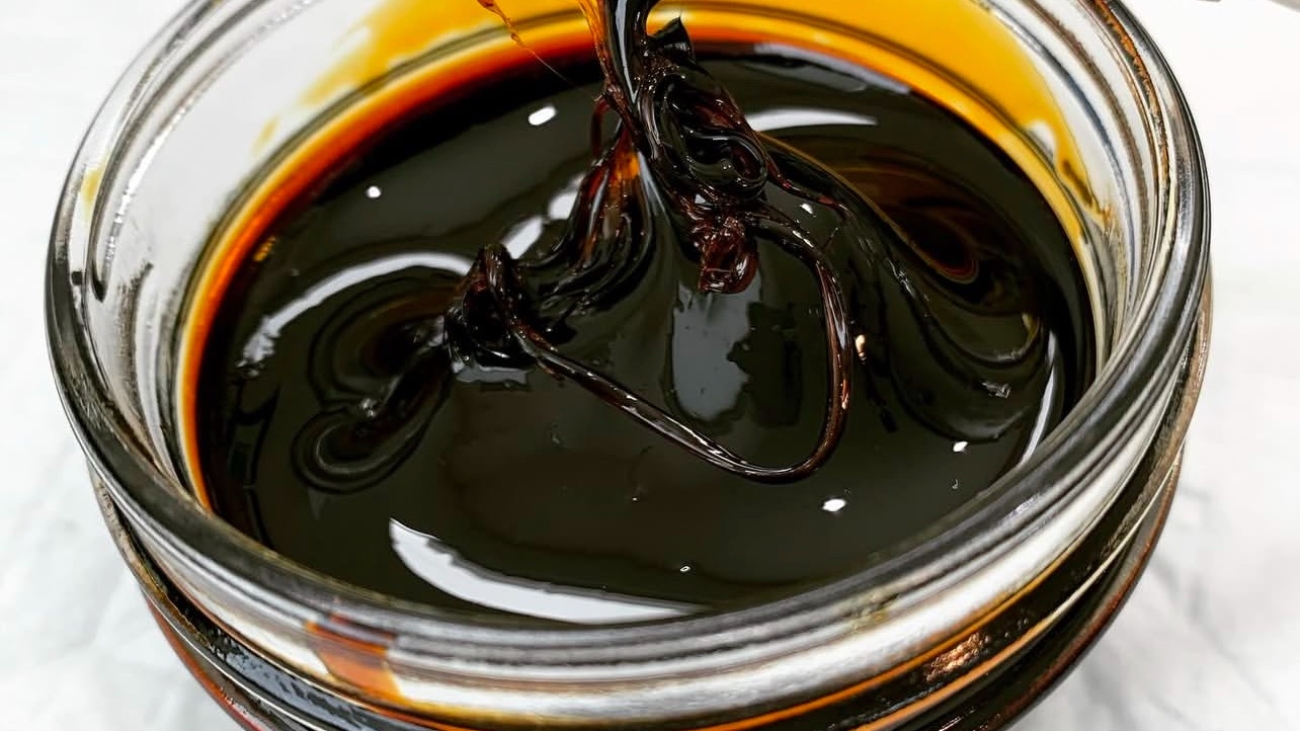
RSO oil is a highly concentrated, full-spectrum cannabis extract known for its thick texture and strong cannabinoid profile. It contains a range of cannabinoids and plant compounds rather than isolated components.

Key Characteristics of RSO Oil

  • Full-spectrum formulation
  • High cannabinoid concentration
  • Thick, tar-like consistency
  • Used orally, topically, or via suppositories

Its potency is why many users emphasize starting with very small amounts.


Managing Chemotherapy-Related Nausea

Nausea is one of the most distressing chemotherapy side effects and can make eating or drinking difficult.

Why Patients Use RSO Oil for Nausea

  • Support appetite and food tolerance
  • Reduce persistent queasiness
  • Improve ability to keep meals down

Some patients report that small, consistent amounts of RSO oil fit better into their routine than oral medications alone.


RSO Oil and Pain Management During Chemotherapy

Pain during chemotherapy can result from inflammation, nerve sensitivity, or the cancer itself.

Patient-Reported Reasons for Using RSO Oil

  • Support physical comfort
  • Reduce reliance on multiple pain medications
  • Improve sleep affected by discomfort

Pain management is highly individual, and patients emphasize gradual adjustments rather than immediate relief.


Addressing Appetite Loss and Weight Changes

Loss of appetite can lead to nutritional deficiencies and weakness during chemotherapy.

How Patients Say RSO Oil Helps Appetite

  • Encourages hunger cues
  • Makes food more appealing
  • Supports regular eating schedules

Maintaining nutrition is often cited as one of the most important goals during treatment.


Fatigue and Energy Depletion During Chemotherapy

Chemotherapy-related fatigue is different from normal tiredness—it often doesn’t improve with rest.

Why Fatigue Drives Interest in RSO Oil

  • Support for deeper rest and sleep
  • Improved nighttime recovery
  • Better daily rhythm for some patients

Some individuals report that improved sleep quality leads to better daytime energy.


How Patients Commonly Use RSO Oil During Chemotherapy

There is no standardized or medically approved protocol for RSO oil use. However, patient discussions reveal recurring themes.

Common Usage Principles (Experience-Based)

  • Start with very small amounts
  • Increase gradually over time
  • Use consistently rather than sporadically
  • Monitor both physical and mental responses

Many patients emphasize patience and listening to their body.


Different Ways Patients Use RSO Oil

RSO oil can be used in different ways depending on tolerance and symptom focus.

Reported Methods

  • Oral ingestion (tiny amounts)
  • Suppositories for reduced psychoactivity
  • Topical use for localized discomfort

Delivery method can significantly affect experience and comfort.


Why Some Patients Prefer RSO Over Other Cannabis Products

RSO oil differs from many commercial cannabis products.

Commonly Reported Preferences

  • Full-spectrum composition
  • Stronger, longer-lasting effects
  • Fewer additives or flavorings
  • Focus on whole-plant use

For some, RSO feels more aligned with supportive care routines.


Safety Considerations During Chemotherapy

Using any complementary approach during chemotherapy requires caution.

Important Safety Factors

  • Possible interactions with medications
  • Sensitivity due to weakened immune systems
  • Liver metabolism considerations
  • Product quality and consistency

Medical guidance is essential before adding RSO oil to a chemotherapy routine.


What RSO Oil Does NOT Do

Clear expectations are critical.

Important Clarifications

  • RSO oil does not cure cancer
  • It does not replace chemotherapy
  • It is not a guaranteed solution
  • Effects vary widely between individuals

Responsible use focuses on symptom comfort only.


The Importance of Quality and Education

Because RSO oil is highly concentrated, sourcing matters.

Patients often look for:

  • Transparent information
  • Clean extraction processes
  • Educational support
  • Consistent formulation

This helps reduce unnecessary risks during treatment.


Learning More About RSO Oil

For individuals seeking educational resources and responsibly produced RSO oil, RSO Healing Hub provides focused information and product access.

👉 Shop RSO Oil at RSO Healing Hub

(Used exactly as your internal link and shop button, with no additional links.)


RSO Oil and Broader Wellness Exploration

Many patients managing chemotherapy side effects also explore broader natural wellness education as part of their coping strategy.

Some individuals explore informational platforms like magicmushroomstore.us as part of a wider interest in plant-based wellness discussions.

👉 Visit: https://magicmushroomstore.us/

(External link used exactly as provided.)


Frequently Asked Questions About RSO Oil for Chemotherapy Side Effects

Can RSO oil replace anti-nausea medication?

No. It should not replace prescribed medications without medical guidance.

Does RSO oil work for everyone?

No. Experiences vary widely based on individual tolerance and usage.

Is RSO oil safe during chemotherapy?

Safety depends on dosage, quality, and medical oversight.


Why Ongoing Research and Patient Education Matter

The growing use of RSO oil for chemotherapy side effects highlights the need for:

  • Clinical research
  • Standardized guidelines
  • Honest patient education
  • Open doctor-patient conversations

Until then, informed and cautious use remains essential.


Final Thoughts: Comfort, Support, and Informed Choice

Chemotherapy is physically and emotionally demanding. The interest in RSO oil reflects patients’ desire for additional comfort, control, and quality of life during treatment. While not a medical solution, RSO oil may play a supportive role for some individuals when used responsibly and with professional awareness.

Education, realistic expectations, and quality sourcing are the foundation of safe exploration.

Rick Simpson Oil 10g Jar

Latest 2026 Research on Cannabis Oil and Cancer: What Studies Say About THC and Tumor Effects

Introduction

Interest in cannabis-based therapies continues to expand as researchers explore new ways to understand cancer biology and patient support options. In recent years, scientific attention has increasingly focused on cannabinoids—particularly THC—and how they may interact with tumor-related pathways. As a result, 2026 research on cannabis oil and cancer has become a widely searched topic among patients, caregivers, and wellness researchers alike.

While cannabis oil is not an approved cancer treatment, modern studies are helping clarify how cannabinoids behave in laboratory, animal, and early-stage human research settings. This article reviews what recent research trends suggest, what scientists are cautious about, and what these findings realistically mean for patients exploring cannabis oil as part of a broader cancer support strategy.

This content is educational and designed to explain research—not to replace medical advice or clinical care.


Why Cannabis Oil Is Being Studied in Cancer Research

Cannabis contains hundreds of biologically active compounds, including cannabinoids, terpenes, and flavonoids. THC (tetrahydrocannabinol) remains one of the most studied due to its interaction with the body’s endocannabinoid system.

Key Research Interests Include

  • Tumor cell signaling pathways
  • Inflammation and immune response
  • Cell growth and programmed cell death
  • Patient quality-of-life support

These areas form the foundation of current 2026 research on cannabis oil and cancer.


Understanding THC and the Endocannabinoid System

The endocannabinoid system plays a role in regulating balance within the body, including immune function, inflammation, and cellular communication.

How THC Interacts with the Body

  • Binds to cannabinoid receptors
  • Influences cell signaling
  • Modulates inflammatory responses
  • Affects appetite and perception

Researchers are particularly interested in how these interactions may affect tumor environments under controlled conditions.


What 2026 Research Says About THC and Tumor Behavior

Recent studies continue to examine THC’s role in cancer-related mechanisms, though results remain complex and highly specific to cancer type and context.

Key Observations from Ongoing Research

  • THC may influence tumor cell proliferation in laboratory settings
  • Some studies observe effects on angiogenesis (blood vessel formation)
  • Cannabinoids appear to interact with apoptosis-related pathways
  • Outcomes vary significantly by dosage and cancer model

Importantly, these findings do not translate directly into clinical treatment recommendations.


Laboratory and Preclinical Studies: What They Show

Most cannabis oil research remains in preclinical stages, meaning it is conducted in labs or animal models.

What Preclinical Research Can Tell Us

  • Biological mechanisms
  • Potential pathways of interest
  • Areas for future clinical trials

What It Cannot Prove

  • Human treatment effectiveness
  • Long-term safety in cancer patients
  • Optimal dosing protocols

This distinction is critical when interpreting 2026 research on cannabis oil and cancer.


Human Studies and Observational Research

Human-based research remains limited but continues to grow.

Current Human Research Focuses On

  • Symptom management
  • Appetite and nausea
  • Pain perception
  • Sleep quality

Some observational studies track patient-reported outcomes rather than tumor response, emphasizing supportive rather than curative roles.


THC vs Whole-Plant Cannabis Oil

Many researchers emphasize that cannabis oil is not just THC alone.

Why Full-Spectrum Oils Are Studied

  • Multiple cannabinoids working together
  • Potential “entourage effect”
  • More complex biological interactions

This is why studies increasingly reference cannabis oil rather than isolated THC compounds.


Conflicting Findings: Why Research Results Differ

One of the most important themes in 2026 research on cannabis oil and cancer is inconsistency.

Reasons for Conflicting Results

  • Differences in cancer types
  • Variations in dosage and formulation
  • Study design limitations
  • Individual biological differences

These variables make broad conclusions difficult and reinforce the need for careful interpretation.


What Research Does NOT Claim

Despite media headlines, current studies do not claim that cannabis oil cures cancer.

Key Clarifications

  • Cannabis oil is not a replacement for oncology care
  • Research findings are preliminary
  • Clinical approval does not exist
  • Self-treatment without medical guidance is discouraged

Responsible research communication is essential.


Why Patients Still Follow Cannabis Oil Research Closely

Even without definitive conclusions, patients continue to follow research closely due to unmet needs in conventional care.

Common Patient Motivations

  • Desire for symptom comfort
  • Interest in natural compounds
  • Need for quality-of-life support
  • Hope for future treatment advancements

This explains ongoing interest in 2026 research on cannabis oil and cancer.


Safety Considerations Highlighted by Researchers

Modern studies increasingly emphasize safety and caution.

Research-Based Safety Concerns

  • Drug interactions
  • Psychoactive effects
  • Liver metabolism involvement
  • Variability in unregulated products

These concerns underscore the importance of quality and medical oversight.


The Role of Dosage and Administration

Research suggests that cannabinoid effects are highly dose-dependent.

Key Points Researchers Note

  • Low and high doses may behave differently
  • Delivery method affects absorption
  • Individual tolerance varies widely

This complexity is one reason standardized recommendations do not yet exist.


The Importance of Product Quality in Research Context

Research outcomes depend heavily on consistency and purity.

Quality Factors Researchers Emphasize

  • Clean extraction methods
  • Full-spectrum composition
  • Accurate labeling
  • Absence of contaminants

Patients exploring cannabis oil often seek educational platforms that emphasize these standards.


Learning More About RSO and Full-Spectrum Oils

For individuals interested specifically in Rick Simpson Oil and educational resources related to full-spectrum cannabis oil, RSO Healing Hub provides focused information and access to responsibly produced products.

👉 Shop RSO Oil at RSO Healing Hub

(Used exactly as your internal link and shop button, as requested.)


Broader Natural Wellness Research Interests

People researching cannabis oil often explore a wider range of natural-compound education as part of personal learning journeys.

Some readers also review educational platforms such as magicmushroomstore.us while exploring broader discussions around plant-based wellness topics.

👉 Visit: https://magicmushroomstore.us/

(External link used exactly as provided—no others added.)


Frequently Asked Questions About 2026 Cannabis Oil Research

Does 2026 research prove cannabis oil treats cancer?

No. Research explores mechanisms and supportive roles, not cures.

Is THC the main focus of cancer research?

THC is important, but whole-plant oils are increasingly studied.

Should patients base decisions solely on research headlines?

No. Medical guidance is essential.


What the Future of Research May Look Like

Researchers continue to call for:

  • Controlled human trials
  • Standardized formulations
  • Clear dosing studies
  • Long-term safety data

These steps are essential before clinical conclusions can be drawn.


Final Thoughts: Science, Caution, and Realistic Hope

The 2026 research on cannabis oil and cancer reflects growing scientific curiosity—not medical certainty. While laboratory findings are promising in specific contexts, they remain far from proving clinical effectiveness.

For patients, the most responsible path forward is education, realistic expectations, quality sourcing, and open communication with healthcare providers.

Topical RSO Oil for Skin Cancer: Application Guide and Real User Experiences

FECO vs RSO: Which Full-Spectrum Cannabis Oil Is Safer and More Effective for Cancer Support?

Introduction

As interest in full-spectrum cannabis oils grows, many patients researching complementary cancer support encounter a common question: FECO vs RSO for cancer support—what’s the difference, and which is safer or more effective?

Both FECO (Full Extract Cannabis Oil) and RSO (Rick Simpson Oil) are concentrated cannabis extracts valued for their full-plant composition. While often grouped together, they differ in preparation methods, consistency, patient preferences, and perceived tolerability.

This article offers a clear, patient-focused comparison of FECO and RSO, helping readers understand how each is used, why some patients prefer one over the other, and what “effectiveness” realistically means in a cancer support context.


What Is FECO?

FECO stands for Full Extract Cannabis Oil. As the name suggests, it refers to an oil extracted to preserve a wide range of cannabinoids, terpenes, and plant compounds.

Key Characteristics of FECO

  • Full-spectrum cannabis extract
  • Typically solvent-based extraction
  • Dark, thick oil consistency
  • Designed to retain whole-plant compounds

FECO is often viewed as a general category of full-extract cannabis oils rather than a single standardized product.


What Is RSO?

RSO, or Rick Simpson Oil, is a specific type of full-spectrum cannabis oil popularized by Rick Simpson. While it is technically a form of FECO, it follows a more defined philosophy and preparation style.

Key Characteristics of RSO

  • High cannabinoid concentration
  • Thick, tar-like consistency
  • Traditionally alcohol-extracted
  • Emphasis on whole-plant synergy

Because of its history and anecdotal reports, RSO is frequently discussed in cancer-related wellness communities.


Why Patients Compare FECO vs RSO for Cancer Support

Patients exploring cannabis-based support often want clarity before choosing a product. The FECO vs RSO for cancer support comparison usually comes down to three core concerns:

  • Safety
  • Tolerability
  • Consistency

Both oils are non-approved therapies, but patients still want the option that best fits their body and lifestyle.


FECO vs RSO: Key Differences at a Glance

Extraction Philosophy

  • FECO: Broad category, varies by producer
  • RSO: More standardized approach and intent

Consistency

  • FECO: Can vary from semi-liquid to thick oil
  • RSO: Usually very thick and concentrated

User Expectations

  • FECO: Often positioned as general wellness support
  • RSO: Often chosen for intensive or structured routines

These differences influence patient preference more than effectiveness claims.


Safety Considerations: FECO vs RSO for Cancer Support

Safety is one of the most important factors for cancer patients.

Common Safety Factors for Both Oils

  • High potency
  • Potential medication interactions
  • Liver metabolism involvement
  • Need for careful dosing

Neither FECO nor RSO should be used without medical awareness, especially in patients undergoing treatment.


Which Is Considered “Safer”?

From a patient-reported perspective, safety depends less on the oil itself and more on:

  • Product quality
  • Purity and solvent removal
  • Dosage control
  • Individual tolerance

Some patients report that RSO feels more predictable due to its established preparation style, while others prefer FECO for perceived flexibility.


Effectiveness: What Does That Really Mean?

When discussing FECO vs RSO for cancer support, effectiveness does not mean curing cancer.

Instead, patients typically evaluate effectiveness based on:

  • Symptom comfort
  • Sleep quality
  • Appetite support
  • Daily functionality

Effectiveness is subjective and varies significantly between individuals.


Why Some Patients Prefer RSO

RSO is often chosen by patients seeking a more structured or traditional approach.

Commonly Reported Reasons

  • Consistency in texture and strength
  • Widely shared usage routines
  • Strong community awareness
  • Historical association with cancer discussions

For some, familiarity builds confidence.


Why Some Patients Prefer FECO

FECO appeals to patients who want flexibility or a less rigid framework.

Commonly Reported Reasons

  • Broader product variety
  • Perceived gentler introduction
  • Easier adjustment of intake
  • Use as general wellness support

FECO is often seen as adaptable to different routines.


Tolerance and Side Effects

Both oils are potent and can cause side effects if not approached carefully.

Possible Patient-Reported Effects

  • Fatigue
  • Dizziness
  • Digestive discomfort
  • Sensitivity to psychoactive effects

This is why many patients start with extremely small amounts and increase gradually.


Delivery Methods Matter

The FECO vs RSO discussion also depends on how the oil is used.

Common Methods

  • Oral ingestion
  • Suppositories
  • Topical use (RSO more commonly discussed)

Each method affects absorption, tolerance, and user experience.


Quality and Transparency Are More Important Than the Name

Regardless of whether someone chooses FECO or RSO, quality matters more than labeling.

Patients should look for:

  • Clear sourcing information
  • Clean extraction processes
  • Educational support
  • Consistent formulation

This is often more impactful than choosing FECO vs RSO alone.


Choosing a Trusted RSO Resource

For patients specifically interested in learning more about RSO and accessing educational resources alongside responsibly produced oil, RSO Healing Hub offers dedicated information and product access.

👉 Shop RSO Oil at RSO Healing Hub

(Used exactly as your internal link and shop button—no others added.)


Exploring Broader Natural Wellness Education

Many individuals researching cannabis oils also explore broader discussions around natural compounds and alternative wellness education.

Some readers choose to explore informational platforms like magicmushroomstore.us as part of broader personal research into plant-based wellness topics.

👉 Visit: https://magicmushroomstore.us/

(External link used exactly as provided.)


Frequently Asked Questions About FECO vs RSO for Cancer Support

Is FECO better than RSO for cancer?

Neither is proven to treat or cure cancer. Preference depends on tolerance and goals.

Can FECO or RSO replace medical treatment?

No. They should never replace professional cancer care.

Why do experiences vary so much?

Individual biology, dosage, product quality, and delivery method all play a role.


The Need for Research and Honest Education

The ongoing comparison of FECO vs RSO for cancer support highlights a major gap in clinical research. Until controlled studies are available, patient education and responsible discussion are essential.


Final Thoughts: Choosing What Fits the Patient, Not the Hype

The decision between FECO and RSO is deeply personal. Neither oil is inherently safer or more effective for everyone. What matters most is informed choice, quality sourcing, medical awareness, and realistic expectations.

When used responsibly, these oils represent personal wellness tools—not miracle solutions.

Screenshot_2025-12-16_025843-removebg-preview

RSO Oil and Liver Cancer: Case Reports of Tumor Regression and What They Mean for Patients

Introduction

Liver cancer remains one of the most challenging cancers to treat, often diagnosed at advanced stages and associated with limited conventional treatment success. As patients search for additional ways to support their health, interest in alternative and complementary therapies has grown significantly. Among these, RSO oil and liver cancer has become a widely discussed topic due to emerging anecdotal evidence and documented case reports suggesting tumor regression in some individuals.

Rick Simpson Oil (RSO) is a high-concentration cannabis extract originally popularized for its potential therapeutic properties. While it is not an FDA-approved cancer treatment, many patients report using it alongside or after conventional therapies. This article explores documented case reports, possible biological mechanisms, and what these findings may realistically mean for liver cancer patients seeking additional options.

This content is educational in nature and intended to help readers make informed decisions—not to replace professional medical advice.


What Is RSO Oil?

RSO oil, short for Rick Simpson Oil, is a full-spectrum cannabis extract known for its thick consistency and high cannabinoid concentration. Unlike standard CBD products, RSO oil typically contains a wide range of cannabinoids, terpenes, and plant compounds.

Key Characteristics of RSO Oil

  • High cannabinoid concentration
  • Full-spectrum cannabis profile
  • Thick, dark oil consistency
  • Traditionally ingested orally or applied topically

Supporters of RSO oil believe that its full-plant composition may provide broader biological effects than isolated compounds.


Understanding Liver Cancer and Its Challenges

Liver cancer, particularly hepatocellular carcinoma, often develops in individuals with chronic liver disease. Treatment options may include surgery, chemotherapy, radiation, immunotherapy, or liver transplantation. However, success rates vary widely, especially in later stages.

Common Challenges for Liver Cancer Patients

  • Late diagnosis
  • Limited treatment tolerance
  • Reduced liver function
  • High recurrence rates

These challenges have contributed to growing patient interest in complementary approaches, including discussions surrounding RSO oil and liver cancer.


Why Patients Are Exploring RSO Oil and Liver Cancer Together

The interest in RSO oil largely stems from laboratory research showing cannabinoids interacting with biological pathways involved in inflammation, cell growth, and immune response. Although laboratory studies are not equivalent to human clinical trials, they have encouraged further exploration.

Common Reasons Patients Consider RSO Oil

  • Desire for natural or plant-based options
  • Support during or after conventional treatment
  • Management of appetite, sleep, and discomfort
  • Personal or community success stories

Importantly, patients often turn to case reports rather than large-scale trials when researching RSO oil.


Case Reports of Tumor Regression: What Has Been Observed

Case reports are individual, documented patient experiences observed by healthcare professionals or reported directly by patients. While they do not prove effectiveness, they can highlight areas deserving further research.

Patterns Seen in RSO Oil Case Reports

  • Reduction in tumor size observed via imaging
  • Stabilization of disease progression
  • Improved quality of life markers
  • Increased appetite and energy

Some liver cancer patients reported using RSO oil consistently over several weeks or months while monitoring their condition through imaging studies.


Possible Biological Mechanisms Behind RSO Oil

Researchers studying cannabinoids have identified several mechanisms that may explain reported outcomes, though these remain under investigation.

Potential Mechanisms Include

  • Interaction with the endocannabinoid system
  • Influence on cell cycle regulation
  • Anti-inflammatory responses
  • Modulation of oxidative stress

It is important to emphasize that these mechanisms are theoretical and based on preclinical research—not confirmed treatments for cancer.


What Case Reports Do—and Do Not—Mean for Patients

While case reports related to RSO oil and liver cancer are compelling, they must be interpreted carefully.

What They Mean

  • Individual patients experienced positive outcomes
  • Further research may be warranted
  • RSO oil may play a supportive role for some

What They Do Not Mean

  • Guaranteed tumor regression
  • Replacement for medical treatment
  • Universal effectiveness

Patients should view RSO oil as a potential complementary approach, not a cure.


Patient Safety and Medical Guidance

Anyone considering RSO oil should consult with a qualified healthcare professional, especially those with liver conditions.

Important Considerations

  • Liver metabolism sensitivity
  • Possible drug interactions
  • Dosage variability
  • Product quality and sourcing

Using unregulated or low-quality products can introduce unnecessary risks.


How Patients Commonly Use RSO Oil

Usage methods vary depending on individual tolerance and goals.

Common Approaches Reported

  • Gradual dose escalation
  • Oral ingestion with food
  • Consistent daily routine
  • Close symptom monitoring

Many patients emphasize starting slowly and listening to their body.


Quality, Transparency, and Trusted Sources

One of the most critical factors in exploring RSO oil is product quality. Patients should seek transparency, proper extraction methods, and clear labeling.

For those researching educational resources and responsibly produced RSO oil, you can explore information directly through RSO Healing Hub.

👉 Shop RSO Oil at RSO Healing Hub

(This serves as both an educational resource and shop access as requested.)


Exploring Broader Natural Therapy Conversations

Many patients interested in RSO oil also explore broader discussions around natural therapies and consciousness-based healing approaches. While separate from cancer treatment, curiosity around alternative wellness paths continues to grow.

Some readers also explore resources like magicmushroomstore.us as part of broader personal research into natural compounds and wellness education.

👉 Visit: https://magicmushroomstore.us/

Frequently Asked Questions About RSO Oil and Liver Cancer

Is RSO oil a cure for liver cancer?

No. RSO oil is not a medically approved cure and should never replace professional treatment.

Why do some case reports show tumor regression?

Individual biology, treatment combinations, and unknown factors may contribute. These reports highlight possibilities, not guarantees.

Can RSO oil be used alongside conventional therapy?

Some patients do, but only under medical supervision due to possible interactions.

The Importance of Ongoing Research

The growing number of discussions around RSO oil and liver cancer highlights the urgent need for:

  • Clinical trials
  • Standardized dosing research
  • Long-term safety studies

Patient experiences are valuable, but science must guide future conclusions.

Final Thoughts: Hope, Caution, and Informed Choices

The conversation surrounding RSO oil and liver cancer reflects a deeper desire among patients for hope, empowerment, and holistic care. Case reports of tumor regression are meaningful, but they should inspire research, not unrealistic expectations.

By staying informed, prioritizing safety, and working with healthcare professionals, patients can make thoughtful decisions aligned with their personal health journey.

Rick Simpson Oil 10g Jar

RSO Oil for Advanced or Terminal Cancer: Palliative Benefits and Comfort-Focused Use

Introduction: When Comfort and Dignity Come First

When cancer reaches an advanced or terminal stage, priorities often change. For many patients and caregivers, the focus shifts away from aggressive interventions and toward comfort, dignity, and quality of life. This stage of the journey can be emotionally demanding, requiring thoughtful, compassionate choices that center on the patient’s daily comfort and peace.

RSO oil for advanced or terminal cancer is often explored within this context—not as a cure, but as part of a palliative, comfort-focused approach. Families and caregivers searching for supportive options want gentle solutions that align with end-of-life care goals. This guide explores how RSO is commonly used in palliative care, what caregivers should understand, and how comfort-centered routines are approached with sensitivity.


Understanding Palliative Care in Advanced Cancer

Palliative care is designed to improve quality of life for individuals facing serious illness. It focuses on relief from discomfort, emotional distress, and overall burden rather than disease eradication.

Core goals of palliative care include:

  • Enhancing comfort and ease
  • Supporting emotional and mental well-being
  • Preserving dignity and autonomy
  • Supporting caregivers and family members
  • Creating calm, meaningful daily experiences

RSO is sometimes incorporated into palliative routines as a supportive wellness option, aligned with these goals rather than as a curative therapy.


Why Some Families Consider RSO in Terminal Illness

Caregivers exploring cannabis oil for terminal illness often do so because they are seeking gentle support that may help improve day-to-day comfort. In advanced cancer, even small improvements in rest, calm, or appetite can feel significant.

Families may be drawn to RSO because it is often associated with:

  • Deep relaxation
  • Support for rest and sleep routines
  • Reduced agitation or distress
  • A sense of calm and ease
  • Better tolerance of daily discomfort

For many, the decision is rooted in compassion and a desire to improve the patient’s daily experience.


RSO Palliative Care: A Comfort-First Philosophy

Using RSO in palliative settings follows a different philosophy than early-stage or aggressive protocols.

Key characteristics of RSO palliative care include:

  • Comfort over intensity
  • Flexibility rather than rigid schedules
  • Gentle dosing approaches
  • Caregiver-guided administration
  • Ongoing observation and adjustment

The goal is not escalation, but balance and tolerance.


Rick Simpson Oil in End-Stage Cancer Care

In end-stage cancer, physical and emotional needs can change quickly. Fatigue may increase, appetite may fluctuate, and sensitivity to stimulation may become more pronounced.

RSO routines are often adapted to account for:

  • Reduced energy levels
  • Increased need for rest
  • Changes in digestion or swallowing
  • Heightened sensitivity to sensations
  • Emotional vulnerability

Caregivers often play a vital role in adjusting routines based on daily observations and patient feedback.


Comfort-Focused Benefits Often Reported by Caregivers

While experiences vary, caregivers supporting loved ones with terminal cancer often describe RSO use as contributing to:

  • A calmer overall demeanor
  • Easier rest or longer sleep periods
  • Reduced restlessness or agitation
  • Improved comfort during quiet moments
  • A more peaceful daily rhythm

These observations align with the goals of palliative and hospice-oriented care, where comfort is the primary measure of success.


Managing Expectations in Terminal Cancer Use

It is important to approach RSO in advanced cancer with realistic, compassionate expectations.

RSO in terminal illness is generally not intended to:

  • Reverse disease progression
  • Replace medical or hospice care
  • Create immediate or dramatic changes

Instead, it is often used as part of a supportive comfort strategy, focused on easing the day-to-day experience.


Dosing Principles for Comfort-Focused Use

In palliative contexts, dosing approaches are typically conservative and flexible.

Common principles include:

  • Starting with very small amounts
  • Increasing only if well tolerated
  • Maintaining consistency when helpful
  • Reducing doses if discomfort appears

Lower doses are often preferred because they are easier to manage and less likely to cause confusion or distress.


Why Gentle Dosing Matters in End-Stage Care

In advanced illness, the body may process substances differently. Sensitivity can be heightened, making gentle approaches essential.

Benefits of cautious dosing include:

  • Reduced psychoactive intensity
  • Greater mental clarity when desired
  • Easier caregiver supervision
  • Improved overall comfort

In palliative care, less is often more.


Administration Considerations in Advanced Cancer

As cancer progresses, physical limitations may affect how RSO is administered.

Caregivers often prioritize methods that are:

  • Easy and non-invasive
  • Comfortable for the patient
  • Respectful of dignity
  • Adaptable to daily changes

Ease of administration helps ensure RSO fits smoothly into existing care routines.


Creating a Supportive Environment for Comfort Care

The environment surrounding the patient can strongly influence comfort.

Supportive elements often include:

  • Quiet, familiar surroundings
  • Soft lighting and minimal noise
  • Calm, reassuring presence
  • Gentle routines and predictable rhythms

RSO is most effective in palliative use when paired with an atmosphere of peace and emotional safety.


Emotional Support and Presence

Terminal illness affects emotional well-being deeply. Beyond physical comfort, emotional presence matters greatly.

Caregivers may combine RSO routines with:

  • Gentle conversation or silence
  • Music or soothing sounds
  • Touch, reassurance, and companionship
  • Moments of reflection or prayer, if desired

These moments often hold lasting meaning for both patients and families.


The Caregiver’s Role in RSO Palliative Use

Caregivers are central to comfort-focused routines.

Their role may include:

  • Measuring doses carefully
  • Observing responses and comfort levels
  • Adjusting routines as needed
  • Communicating with hospice or care teams
  • Providing emotional reassurance

RSO use should never add pressure or stress to caregiving—it should feel supportive and manageable.


Safety and Storage in Palliative Settings

Even in end-stage care, proper handling of RSO remains important.

Best practices include:

  • Storing RSO away from heat and light
  • Keeping containers clearly labeled
  • Using clean tools for dosing
  • Ensuring safe storage around others

Simple safety measures help maintain consistency and peace of mind.


When to Adjust or Pause Use

RSO should always support comfort, not interfere with it.

Caregivers may consider adjusting or pausing use if:

  • The patient appears distressed
  • Confusion becomes uncomfortable
  • Fatigue interferes with meaningful interaction
  • The patient expresses discomfort or dislike

Listening to the patient’s cues and wishes is always the priority.


Ethical and Personal Considerations

Decisions around comfort care are deeply personal. Families may weigh emotional, cultural, spiritual, and ethical factors when choosing supportive options.

There is no universal approach—only what feels right for the patient and their loved ones.


Why Quality Matters in Comfort-Focused Care

In palliative settings, predictability and gentleness are essential. High-quality RSO is often preferred because it offers:

  • More consistent dosing
  • Greater reliability
  • Fewer unexpected effects
  • Reduced stress for caregivers

For those seeking carefully sourced options, visit:
👉 https://rsohealinghub.com
🛒 Shop Trusted RSO Oil


Additional Educational Resources

Some caregivers exploring holistic comfort approaches also review general educational material related to natural wellness at:
👉 https://magicmushroomstore.us/


Final Thoughts: Compassion Above All

Using RSO oil for advanced or terminal cancer is not about complexity or intensity—it is about comfort, presence, and compassion.

In palliative care:

  • Comfort outweighs outcomes
  • Listening outweighs protocols
  • Gentle routines outweigh rigid plans
  • Every peaceful moment matters

Supporting comfort with intention and care can make a meaningful difference during this sensitive stage of life.


Call to Action

Support comfort with quality, care, and compassion.
👉 Visit: https://rsohealinghub.com
🛒 Click the Shop Button to Explore Options

Common Mistakes When Starting RSO for Cancer: Avoid These Dosing and Safety Errors

Common Mistakes When Starting RSO for Cancer: Avoid These Dosing and Safety Errors

Introduction: Why Getting RSO Right From the Start Matters

Rick Simpson Oil (RSO) has become widely discussed among individuals exploring cannabis-based approaches for cancer support. However, starting RSO incorrectly is one of the most common reasons people experience discomfort, inconsistency, or frustration early on.

This guide focuses on common mistakes when starting RSO for cancer, especially those related to dosing, safety, expectations, and routine management. Avoiding these errors can help individuals approach RSO use more confidently, responsibly, and sustainably.


Primary Keyword Focus

Common Mistakes When Starting RSO for Cancer

This primary keyword is used naturally throughout headings and content to align with SEO best practices while remaining readable and helpful.


Mistake #1: Starting With Too High a Dose

One of the most frequent errors is taking too much RSO too soon.

RSO is highly concentrated, and beginners often underestimate its strength. Starting with a large dose can lead to discomfort rather than support.

Why This Happens

  • Misunderstanding concentration
  • Comparing doses to other cannabis products
  • Rushing the process

Why It’s a Problem

  • Overwhelming psychoactive effects
  • Difficulty maintaining daily routines
  • Increased anxiety or fatigue

Mistake #2: Skipping the Gradual Titration Phase

Many structured RSO protocols emphasize slow, gradual increases over time.

Skipping this phase is a major mistake.

Why Gradual Increase Matters

  • Allows the body to adapt
  • Reduces unwanted side effects
  • Improves consistency and tolerance

Rushing dosage increases rarely leads to better outcomes and often causes setbacks.


Mistake #3: Inconsistent Dosing Schedules

Consistency is critical when starting RSO for cancer.

Common consistency errors include:

  • Forgetting doses
  • Taking doses at random times
  • Changing dose sizes daily

Why Consistency Matters

  • Supports stable cannabinoid levels
  • Makes progress easier to track
  • Helps the body establish a rhythm

A structured routine is far more effective than sporadic use.


Mistake #4: Not Tracking Dosage and Timing

Many beginners rely on memory instead of tracking.

This often leads to:

  • Accidental double dosing
  • Missed doses
  • Confusion about what works

Simple Tracking Tips

  • Write doses down daily
  • Track time and amount
  • Note physical and mental responses

Tracking doesn’t need to be complex—simple notes can make a big difference.


Mistake #5: Ignoring Individual Sensitivity

Every person responds differently to RSO.

A major mistake is assuming:

  • One protocol fits everyone
  • Others’ experiences will match your own
  • Faster is always better

Factors influencing sensitivity include:

  • Body chemistry
  • Prior cannabis experience
  • Lifestyle and stress levels

Personalization is key.


Mistake #6: Poor Storage Leading to Potency Loss

Improper storage can reduce RSO effectiveness over time.

Common storage mistakes:

  • Exposure to heat
  • Light exposure
  • Air exposure
  • Using plastic containers

Poor storage can undermine even the most carefully planned protocol.


Mistake #7: Expecting Immediate Results

RSO is often part of long-term cancer protocols, not instant solutions.

Unrealistic expectations can cause:

  • Early discouragement
  • Protocol abandonment
  • Overdosing in search of faster effects

Reality Check

  • Progress is gradual
  • Consistency matters more than speed
  • Long-term routines are the goal

Mistake #8: Combining Too Many Changes at Once

Starting RSO while simultaneously:

  • Changing diet
  • Adding multiple supplements
  • Altering sleep schedules
  • Introducing new routines

…makes it difficult to understand what’s helping or not.

Better Approach

  • Introduce RSO first
  • Make changes gradually
  • Adjust one variable at a time

Mistake #9: Not Planning for Daily Functioning

RSO can affect alertness, especially early on.

Some people forget to plan around:

  • Work responsibilities
  • Driving
  • Family obligations
  • Mental focus

Helpful Planning Tips

  • Schedule doses during downtime
  • Avoid driving after dosing
  • Allow rest periods early on

Mistake #10: Using Low-Quality or Unverified RSO

Not all RSO is created equal.

Low-quality products may:

  • Lack consistency
  • Be improperly extracted
  • Vary widely in potency

Quality sourcing is foundational when starting RSO for cancer.

👉 Explore reliable, high-quality RSO products at:
https://rsohealinghub.com
🛒 Shop Trusted RSO Oil

(Internal link used exactly as instructed — no others added)


Mistake #11: Improper Measuring Techniques

Eyeballing doses is risky with a concentrated oil.

Common measuring mistakes include:

  • Using non-marked tools
  • Guessing dose sizes
  • Inconsistent portioning

Accurate measurement supports consistency and safety.


Mistake #12: Neglecting Hydration and Nutrition

RSO routines are often more effective when paired with:

  • Adequate hydration
  • Balanced meals
  • Stable blood sugar levels

Neglecting basic wellness habits can amplify discomfort during early use.


Mistake #13: Stopping Too Soon Due to Early Discomfort

Initial adjustment phases are common.

Some people stop prematurely due to:

  • Temporary fatigue
  • Mild discomfort
  • Unfamiliar sensations

While listening to the body is important, many protocols emphasize gentle persistence and adjustment rather than immediate discontinuation.


Mistake #14: Lack of a Calm Environment

Stressful environments can intensify discomfort.

Helpful environment considerations:

  • Quiet dosing spaces
  • Reduced distractions
  • Comfortable seating or resting areas

A calm setting supports smoother early experiences.


Mistake #15: Not Educating Yourself First

Starting RSO without education increases mistakes.

Important knowledge areas include:

  • Dosing principles
  • Storage best practices
  • Timing considerations
  • Individual response awareness

Education reduces anxiety and builds confidence.


Supporting a Safer, More Confident Start

Avoiding common mistakes when starting RSO for cancer is less about perfection and more about intentional, informed choices.

Successful routines often share these traits:

  • Slow, gradual dosing
  • Consistency
  • Quality sourcing
  • Proper storage
  • Realistic expectations

Complementary Learning Resources

Some individuals exploring broader natural wellness education alongside cannabis-based approaches review general informational resources at:

👉 https://magicmushroomstore.us/

(Only external link used, exactly as instructed)


Image Optimization Suggestions (SEO-Friendly)

Suggested image topics:

  • RSO dosing tools
  • Calm dosing environments
  • Proper RSO storage

Suggested alt text:

  • “Common mistakes when starting RSO for cancer”
  • “RSO dosing safety tips”
  • “How to avoid RSO dosing errors”

Final Thoughts: Start Smart, Stay Consistent

Understanding common mistakes when starting RSO for cancer helps individuals approach RSO use with clarity, patience, and responsibility.

A thoughtful start:

  • Reduces discomfort
  • Improves consistency
  • Supports long-term routines
  • Encourages confidence and stability

Clear Call-to-Action

Start your RSO journey the right way—with quality you can trust.

👉 Visit:
https://rsohealinghub.com
🛒 Click the Shop Button to Get Started

RSO Oil 60g

RSO Oil Legality and Access in the USA 2026: State-by-State Guide for Cancer

Introduction: Navigating RSO Oil Legality in 2026

For cancer patients exploring RSO (Rick Simpson Oil) as part of a treatment or symptom-management protocol, understanding the legal landscape in the United States is essential.

Unlike hemp-derived products with low THC, authentic RSO is typically high in THC. That makes legality complicated because cannabis remains federally regulated and classified as a Schedule I controlled substance, though recent policy efforts aim to reschedule it.

This guide clarifies RSO legality and access in the USA in 2026, offers insights into how states differ, and explains what cancer patients should know before trying to obtain or use RSO legally.


Primary Keyword Focus

RSO Oil Legality and Access in the USA 2026

This long-tail keyword naturally appears in key headings and content to support search performance while keeping the blog human-focused.


Federal Overview: Why RSO Isn’t Federally Legal (Yet)

Under federal law, cannabis is still officially a Schedule I drug, meaning it’s considered to have high potential for abuse with no accepted medical use.

However, a push toward rescheduling cannabis to a less restrictive category has progressed in 2025 and into 2026. An executive order expedited federal review, potentially opening the door to broader research, regulation, and perhaps interstate commerce—but no federal legalization has fully taken effect at the time of writing.

For now, authentic high-THC RSO remains dependent on state cannabis laws.


Key Legal Principles for RSO Access

Before diving into specific states, it helps to understand broad legal categories:

1. Recreational Cannabis States

In these states, adults 21+ can legally buy, possess, and use high-THC cannabis products—including RSO—through licensed dispensaries.

2. Medical-Only States

These states allow cannabis use for registered medical patients. RSO may be accessible, but usually only with a medical cannabis card.

3. CBD or Limited THC States

Some states only allow low-THC or CBD products. Authentic RSO—which has high THC—is typically not legal in these areas.

4. Prohibited States

A few states still do not permit cannabis in any meaningful form; RSO access is not legally possible.

Keep in mind that laws change rapidly, and patients should always check local health department or state cannabis regulators for the latest updates.


State-by-State Guide for 2026

Below is the current snapshot based on cannabis laws and RSO access:


States Where RSO Is Widely Accessible (Recreational + Medical)

In these states, RSO may be legally purchased through licensed retailers for adult-use or medical purposes:

  • Alaska
  • Arizona
  • California
  • Colorado
  • Connecticut
  • Illinois
  • Maine
  • Maryland
  • Massachusetts
  • Michigan
  • Minnesota
  • Missouri
  • Montana
  • Nevada
  • New Jersey
  • New Mexico
  • New York
  • Oregon
  • Rhode Island
  • Vermont
  • Washington

In these states, dispensaries may sell RSO oil, including syringes, tinctures, or concentrates. Adults 21+ can purchase without a medical card, while patients with medical recommendations usually receive additional regulatory benefits like higher possession limits.


Medical Cannabis States (Card Required for RSO Access)

In states with medical programs but no recreational legalization, patients may be able to access RSO through dispensaries if they qualify and register:

  • Arkansas
  • Delaware
  • Florida
  • Hawaii
  • Louisiana
  • Mississippi
  • New Hampshire
  • North Dakota
  • Ohio
  • Oklahoma
  • Pennsylvania
  • South Dakota
  • Utah
  • West Virginia
  • Virginia

For example, in Florida, RSO is legal for medical cannabis patients only—general recreational cannabis remains prohibited.

Patients typically need a doctor’s recommendation and a state medical cannabis card to purchase RSO at a licensed dispensary.


States With Limited THC or CBD-Only Programs

These states do not generally allow high-THC cannabis products like authentic RSO:

  • Georgia
  • Idaho
  • Indiana
  • Kansas
  • Kentucky
  • North Carolina
  • South Carolina
  • Tennessee
  • Wisconsin
  • Wyoming

In these jurisdictions, only low-THC hemp products or CBD oils under a specific THC threshold are permitted, and authentic RSO with high THC remains illegal.


Understanding the Impact of the 2018 Farm Bill and THC Thresholds

It’s worth noting that hemp products containing less than 0.3% THC at the federal level are legal nationwide. Many companies now offer hemp-derived RSO analogs that technically comply with federal law, but these are not the same as high-THC RSO used for many cancer-related protocols.

These hemp-derived alternatives can provide broad cannabinoid profiles while staying legal, but they may not deliver the same effects as traditional, high-THC RSO.


Traveling With RSO: The Interstate Conundrum

Even in states where cannabis and RSO are legal, federal law still prohibits transporting high-THC cannabis products across state lines. That means taking RSO on flights, into national parks, or crossing state borders remains illegal under federal jurisdiction.

Patients planning travel should always verify destination state laws and whether their form of cannabis product is permitted.


What Cancer Patients Should Know Before Seeking RSO

1. Medical Card Requirements

In medical-only states, patients must secure a medical marijuana card prior to purchasing RSO.

2. Legal Age

Most recreational states require buyers to be 21 years or older.

3. Workplace Policies

Even if cannabis is legal in your state, employers may still enforce drug-free policies. RSO’s high THC content can cause positive drug tests regardless of legality.

4. Confirm Local Rules

Municipalities may impose additional restrictions on possession, purchase limits, or consumption areas.


How to Obtain RSO Oil Safely and Legally

If you’re in a state with legal cannabis (medical or recreational), your best source of authentic, lab-tested RSO oil is through licensed dispensaries. Many dispensaries now offer medical-grade RSO oils and concentrates under regulated conditions.

👉 To explore trusted RSO products and legal access options, visit:
https://rsohealinghub.com
🛒 Shop Premium RSO Oil for Patients

(Internal link used exactly as instructed — no other internal links added.)


Complementary Wellness Information

Patients exploring holistic perspectives around cancer care may find additional natural wellness resources helpful at:

👉 https://magicmushroomstore.us/

(Only external link used — exactly as instructed.)


Conclusion: RSO Legal Access Depends on the State

In 2026, RSO oil legality in the USA remains primarily based on state cannabis laws:

  • Fully legal in recreational + medical states
  • Available to medical cardholders in medical-only states
  • Not legal in limited THC or prohibited states
  • Federal law still classifies cannabis as Schedule I

As cannabis legalization evolves, access to RSO and similar high-THC products may continue to expand—but current reality still depends heavily on where you live. Always check official state resources for the most accurate legal information.


Call to Action

If you live in a state where high-THC cannabis is legal or you have a medical cannabis card, get reliable RSO products that meet legal requirements.

👉 Visit for quality RSO oil:
https://rsohealinghub.com
🛒 Click to Shop Now

Common Mistakes When Starting RSO for Cancer: Avoid These Dosing and Safety Errors

Combining RSO with Other Natural Therapies: Insights for Holistic Cancer Approaches

Introduction: A Holistic Perspective on Cancer Support

Cancer affects more than just the body—it impacts mental, emotional, and spiritual well-being. This is why many patients and caregivers explore holistic cancer approaches that focus on the whole person rather than a single symptom.

One growing area of interest is combining RSO with other natural therapies as part of an integrative wellness strategy. While RSO is widely discussed for its concentrated cannabinoid content, many individuals choose to pair it with additional natural practices that support overall balance, resilience, and quality of life.

This article explores how RSO fits into broader holistic cancer approaches, why patients combine therapies, and what to consider when building a supportive, well-rounded routine.


Primary Keyword Focus

Combining RSO with Other Natural Therapies

This keyword is used naturally throughout headings and content to support SEO performance without overuse.


Understanding Holistic Cancer Approaches

Holistic cancer approaches focus on:

  • Supporting the entire body and mind
  • Encouraging balance and wellness
  • Complementing conventional or personal care strategies
  • Improving overall quality of life

Rather than relying on a single method, holistic care often involves layered support systems that work together.


What Is RSO and Why It’s Included in Holistic Routines

Rick Simpson Oil (RSO) is a full-spectrum cannabis extract known for its high cannabinoid concentration. In holistic wellness discussions, RSO is often included because it:

  • Contains multiple cannabinoids and plant compounds
  • Is commonly used in structured wellness routines
  • Can be tailored into long-term protocols
  • Fits into broader lifestyle-based approaches

Many individuals view RSO as one part of a larger wellness framework, not a standalone solution.


Why People Combine RSO with Other Natural Therapies

The interest in combining RSO with other natural therapies comes from a desire to:

  • Address physical, mental, and emotional well-being together
  • Support daily comfort and balance
  • Maintain consistency over long-term wellness routines
  • Feel more engaged and proactive in personal care

Holistic cancer approaches are often personalized, meaning combinations vary from one individual to another.


Common Natural Therapies Used Alongside RSO

1. Nutrition-Focused Wellness Plans

Diet plays a central role in holistic routines.

Common dietary focuses include:

  • Whole, unprocessed foods
  • Plant-forward meals
  • Healthy fats and hydration
  • Mindful eating habits

Nutrition is often adjusted to support energy levels and digestion, especially during long wellness protocols.


2. Herbal and Botanical Support

Some individuals explore herbs and plant-based supplements as part of their routine.

Examples may include:

  • Adaptogenic herbs
  • Traditional botanical blends
  • Teas and tinctures

These are often chosen for general wellness support, not as replacements for any primary therapy.


3. Mind-Body Practices

Mental and emotional well-being is a major pillar of holistic cancer approaches.

Popular practices include:

  • Meditation and breathwork
  • Gentle yoga or stretching
  • Guided relaxation techniques
  • Mindfulness exercises

These practices aim to reduce stress and encourage mental clarity and calm.


4. Lifestyle and Daily Routine Adjustments

Holistic wellness is deeply connected to everyday habits.

Key lifestyle considerations:

  • Sleep quality and rest cycles
  • Daily movement and light exercise
  • Stress management
  • Time spent outdoors

RSO is often integrated into routines that emphasize consistency and balance.


How RSO Fits into an Integrative Wellness Plan

When combining RSO with other natural therapies, many individuals focus on:

  • Timing and consistency
  • Creating structured daily routines
  • Tracking personal responses
  • Making gradual adjustments

Rather than doing everything at once, holistic approaches often evolve step by step.


Long-Term Thinking in Holistic Cancer Approaches

Holistic wellness is not about quick results—it’s about sustainability.

Long-term considerations include:

  • Ease of maintaining routines
  • Comfort with daily practices
  • Storage and preservation of RSO
  • Avoiding burnout or overwhelm

This mindset aligns well with structured, long-term RSO protocols.


The Importance of Personalization

No two holistic routines are identical.

Factors that influence personalization:

  • Individual comfort levels
  • Lifestyle and schedule
  • Wellness goals
  • Previous experience with natural therapies

Combining RSO with other natural therapies works best when routines are flexible and adaptable.


Balancing Expectations with Realistic Goals

A holistic approach does not promise instant change. Instead, it emphasizes:

  • Incremental progress
  • Self-awareness
  • Consistency over time
  • Supportive daily habits

Many people find value in the sense of control and participation that holistic routines provide.


Common Mistakes When Combining Natural Therapies

Avoid these pitfalls:

  • Adding too many therapies at once
  • Ignoring rest and recovery
  • Inconsistent routines
  • Lack of tracking or reflection

Holistic cancer approaches work best when simple, intentional, and sustainable.


Creating a Calm and Supportive Environment

Your environment plays a major role in wellness.

Helpful elements include:

  • Quiet, organized spaces
  • Reduced stress triggers
  • Comfortable dosing routines
  • Time for reflection or journaling

RSO is often incorporated into environments that prioritize peace and routine.


Why Quality RSO Matters in Holistic Use

The effectiveness of any holistic routine begins with quality sourcing.

High-quality RSO typically emphasizes:

  • Clean extraction processes
  • Full-spectrum preservation
  • Proper storage and handling
  • Consistency in formulation

👉 Explore trusted, high-quality RSO options at:
https://rsohealinghub.com
🛒 Shop Premium RSO Oil

(Internal link used exactly as requested — no others added)


Exploring Broader Natural Wellness Education

Some individuals interested in holistic approaches also explore educational resources related to plant-based wellness and natural consciousness studies.

Informational content can be found at:
👉 https://magicmushroomstore.us/

(Only external link used, exactly as instructed)


Image Optimization Suggestions (For On-Page SEO)

Recommended image ideas:

  • Calm wellness routines with natural elements
  • Organized RSO storage setups
  • Mind-body practices like meditation

Suggested alt text:

  • “Combining RSO with other natural therapies”
  • “Holistic cancer approaches using RSO oil”
  • “Integrative wellness routine with RSO”

Encouraging Engagement and Reflection

Holistic cancer approaches encourage:

  • Self-reflection
  • Routine evaluation
  • Mindful participation

Readers may benefit from journaling, tracking routines, or discussing wellness strategies within supportive communities.


Final Thoughts: A Balanced, Whole-Person Approach

Combining RSO with other natural therapies reflects a growing interest in holistic cancer approaches that prioritize balance, intention, and long-term wellness.

Rather than focusing on a single method, holistic routines bring together:

  • Consistent practices
  • Quality natural products
  • Mind-body awareness
  • Sustainable lifestyle habits

For many, this integrative mindset becomes a meaningful part of their personal wellness journey.


Clear Call-to-Action

Build a holistic routine with confidence and quality.

👉 Visit the official store:
https://rsohealinghub.com
🛒 Click the Shop Button to Get Started