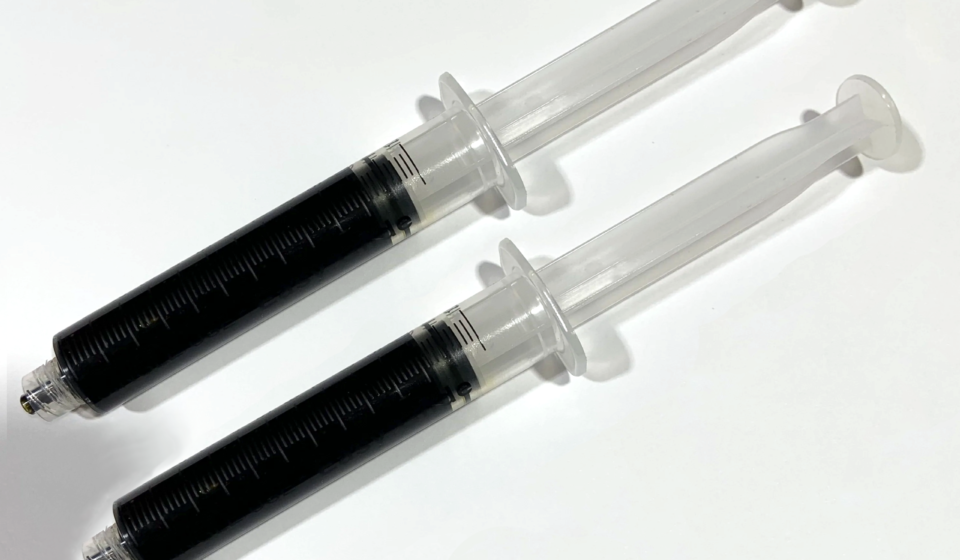
RSO Gummies and Their Effects

RSO Gummies and Their Effects: Benefits, Duration, and Side Effects

RSO Gummies and Their Effects: Benefits, Duration, and Side Effects

Cannabis edibles have become increasingly popular among people interested in exploring different ways to experience cannabis. Among these products, RSO gummies have attracted attention because they combine the convenience of a gummy with Rick Simpson Oil, a concentrated cannabis extract known for its high cannabinoid content.

But what exactly are RSO gummies, and what effects can someone expect?

Understanding RSO gummies and their effects is important for anyone researching cannabis edibles, particularly because these products can produce different experiences depending on their THC concentration, formulation, and individual sensitivity.

Some people are interested in relaxation, while others explore cannabis products for sleep, discomfort, or general wellness. However, RSO gummies are not suitable for everyone, and their effects can be unpredictable.

In this comprehensive guide, we explore what RSO gummies are, how they work, their potential effects, how long they last, possible side effects, and important safety considerations.

Whether you are researching cannabis edibles for the first time or simply looking to understand RSO gummies better, this article provides an educational overview of what you should know.

What Are RSO Gummies?

RSO gummies are cannabis-infused edible products made using Rick Simpson Oil.

Rick Simpson Oil, commonly called RSO, is a concentrated cannabis extract associated with a full-spectrum cannabinoid profile.

Depending on the cannabis variety and manufacturing process, RSO may contain THC, CBD, other cannabinoids, and naturally occurring plant compounds.

Unlike traditional cannabis oils that are consumed directly, RSO gummies incorporate the extract into a chewable edible.

They are generally designed to provide a convenient and familiar way to consume cannabis without smoking or vaping.

RSO gummies may differ from conventional THC gummies because of the type of extract used.

However, the effects depend primarily on the amount of THC and other cannabinoids present rather than simply whether a product carries the RSO label.

Two gummies containing the same amount of THC may produce broadly similar effects, although their formulations and individual responses can differ.

What Makes RSO Gummies Different From Regular THC Gummies?

The main difference is the cannabis extract used during production.

Traditional THC gummies may use cannabis distillate, which is a refined extract containing a high concentration of THC.

RSO gummies may instead contain a less-refined cannabis extract that retains a broader range of naturally occurring compounds.

Depending on the formulation, these compounds can include:

  • THC, the primary intoxicating cannabinoid.
  • CBD, a non-intoxicating cannabinoid.
  • Minor cannabinoids such as CBG and CBC.
  • Terpenes, which contribute to cannabis aroma and flavor.

The actual composition varies between manufacturers.

It is important not to assume that every RSO gummy contains the same ingredients or produces identical effects.

RSO Gummies and Their Effects: What Can You Expect?

The effects of RSO gummies depend on several factors, including THC concentration, individual tolerance, metabolism, previous cannabis experience, and whether the product is consumed with food.

Because RSO gummies are edible cannabis products, their effects usually develop more slowly than those associated with smoking or vaping.

Some people experience noticeable relaxation, while others may experience changes in perception, mood, appetite, or concentration.

1. Relaxation and Calmness

One commonly reported effect of THC-containing gummies is relaxation.

Some consumers describe feeling less tense or more comfortable after consuming cannabis edibles.

However, relaxation is not guaranteed.

THC can also produce anxiety, nervousness, or uncomfortable psychological effects, particularly when the amount consumed is higher than an individual’s tolerance.

The same product may feel relaxing to one person and overwhelming to another.

2. Changes in Mood

Cannabis gummies may influence mood and emotional perception.

Some people report feeling more cheerful, relaxed, or mentally detached from everyday stress.

Others may experience heightened sensitivity, confusion, or anxiety.

These differences highlight why individual experiences with cannabis edibles can vary considerably.

The amount of THC, personal circumstances, and the surrounding environment can all influence the experience.

3. Sleep and Drowsiness

Some people use cannabis edibles because they believe the products help them relax before bedtime.

THC can cause drowsiness in certain individuals.

However, the effects on sleep are not consistent across all users, and cannabis can also interfere with aspects of sleep quality.

Research into cannabis and sleep continues to develop.

RSO gummies should not be considered a proven treatment for insomnia or other sleep disorders.

Anyone experiencing persistent sleep difficulties should discuss appropriate treatment options with a qualified healthcare professional.

4. Changes in Appetite

THC may increase appetite in some people.

This effect is sometimes described as experiencing the munchies.

Cannabis-based medicines have been investigated for appetite-related symptoms in certain medical settings.

However, appetite changes do not automatically mean that RSO gummies provide nutritional benefits or improve an underlying health condition.

5. Changes in Sensory Perception

THC can influence how people experience their surroundings.

Some individuals notice changes in their perception of music, food, colors, time, or physical sensations.

These effects can be mild or more pronounced depending on the amount of THC consumed.

Higher exposure may also cause confusion, impaired judgment, or uncomfortable perceptual changes.

How Long Do RSO Gummies Take to Work?

One of the most important things to understand about RSO gummies is that they do not usually produce immediate effects.

Unlike inhaled cannabis, edible cannabis must pass through the digestive system before its cannabinoids enter the bloodstream.

This process takes time.

For many people, edible cannabis effects may begin within approximately 30 minutes to two hours.

However, the timing varies, and some individuals may not feel the full effects for several hours.

Understanding the RSO Gummies Timeline

StageTypical Experience
Initial onsetApproximately 30 minutes to 2 hours
Stronger effectsOften develop over the following hours
Peak effectsMay occur around 2–4 hours, depending on the product
Main effectsCan last several hours
Residual effectsMay continue into the following day

These are general estimates rather than guaranteed timelines.

The amount consumed, formulation, food intake, metabolism, and individual sensitivity can significantly influence how long the effects last.

Why Do RSO Gummies Take Longer Than Smoking?

When cannabis is inhaled, cannabinoids enter the bloodstream through the lungs.

This allows effects to develop relatively quickly.

When cannabis is eaten, THC must pass through the digestive system and liver.

The liver converts some THC into 11-hydroxy-THC, a metabolite that can contribute to the effects of edible cannabis.

This helps explain why edible experiences can feel different from inhaled cannabis.

The delayed onset also creates an important safety concern.

Someone may assume that a gummy has not worked and consume additional cannabis before the first serving has reached its full effect.

This can lead to excessive intoxication and unpleasant symptoms.

Potential Benefits of RSO Gummies

RSO gummies are frequently discussed in cannabis wellness communities.

However, it is important to distinguish between personal experiences, potential supportive effects, and scientifically established medical benefits.

RSO gummies are not approved or established as treatments for cancer, chronic disease, or other serious medical conditions.

Convenient Cannabis Consumption

One practical advantage of gummies is convenience.

They are portable, chewable, and do not require smoking or vaping.

This makes them different from inhaled cannabis products.

However, convenience does not eliminate the risks associated with THC.

Edibles can still cause intoxication, impairment, and unwanted psychological effects.

Avoiding Cannabis Smoke

RSO gummies do not require inhaling cannabis smoke.

This means they avoid the direct respiratory exposure associated with smoking cannabis.

However, edible products have their own risks, including delayed effects, accidental overconsumption, and prolonged impairment.

Potential Supportive Effects

Cannabinoid-based medicines have been studied for certain symptoms, including chemotherapy-related nausea and vomiting.

Some cannabis-based products may also have a role in selected pain-management situations.

However, these findings cannot automatically be applied to RSO gummies.

The formulation, cannabinoid content, dose, and medical circumstances matter.

Anyone considering cannabis for a medical symptom should discuss appropriate options with a qualified healthcare professional.

RSO Gummies Side Effects: What Should You Know?

Although RSO gummies may seem like simple edible products, they can produce significant side effects.

The risk depends on factors such as THC concentration, individual tolerance, medication use, and the amount consumed.

1. Dizziness

THC can affect coordination, balance, and perception.

Some people experience dizziness or lightheadedness after consuming cannabis edibles.

These effects may become more pronounced when the product contains a high concentration of THC.

2. Anxiety and Paranoia

THC can produce uncomfortable psychological effects.

Possible experiences include:

  • Nervousness.
  • Anxiety.
  • Panic.
  • Paranoia.
  • Confusion.
  • Distorted perception.

These effects can be particularly concerning for individuals who are sensitive to THC or who consume more than intended.

3. Dry Mouth

Dry mouth is a commonly reported cannabis effect.

Some individuals also experience dry eyes or changes in their perception of thirst.

These symptoms may be uncomfortable but are not necessarily signs of a serious medical problem.

4. Increased Heart Rate

THC can temporarily increase heart rate.

Some people may also experience changes in blood pressure.

Individuals with cardiovascular conditions should discuss cannabis use with a healthcare professional before considering THC-containing products.

5. Drowsiness and Impaired Concentration

RSO gummies may cause sleepiness, reduced alertness, and difficulty concentrating.

These effects can interfere with everyday activities.

Driving or operating machinery while impaired by cannabis is unsafe.

6. Excessive Intoxication

Taking too much edible cannabis can produce a particularly unpleasant experience.

Possible symptoms include severe anxiety, confusion, vomiting, hallucinations, rapid heartbeat, and extreme drowsiness.

If someone develops severe symptoms, difficulty breathing, chest pain, or becomes difficult to wake, seek emergency medical assistance.

How to Reduce the Risks of RSO Gummies

Understanding edible cannabis safety is important because the effects can develop slowly and last longer than expected.

For anyone considering a THC-containing edible, the following precautions are important.

Understand the THC Content

The amount of THC matters more than the product’s marketing description.

A gummy labeled RSO does not automatically indicate its potency.

Check the product’s stated cannabinoid content and whether the information comes from reliable testing.

Products with unclear ingredients or unknown THC concentrations present additional risks.

Avoid Taking More Too Quickly

Edible cannabis has a delayed onset.

Taking additional servings before the initial effects develop can increase the risk of excessive intoxication.

The effects may continue intensifying for several hours.

Patience is essential when evaluating an edible’s effects.

Avoid Mixing Cannabis With Alcohol

Combining cannabis and alcohol can increase impairment.

The combination may also make the effects less predictable.

Avoid driving or activities that require coordination and judgment after consuming THC.

Keep Gummies Away From Children

Cannabis gummies can resemble ordinary candy.

This creates a serious accidental-ingestion risk.

Store cannabis products securely, in their original packaging, and out of reach of children and pets.

Consider Medication Interactions

Cannabinoids may interact with certain prescription medicines.

This is particularly important for individuals taking medications for chronic conditions or undergoing medical treatment.

Consult a healthcare professional or pharmacist before combining cannabis products with prescription medication.

RSO Gummies vs. Other Cannabis Edibles

RSO gummies are one of several edible cannabis formats.

Understanding the differences can help readers recognize that the extract used in a product does not determine every aspect of its effects.

ProductGeneral Characteristics
RSO gummiesEdibles made with Rick Simpson Oil
THC gummiesGummies containing THC, often using different cannabis extracts
CBD gummiesGummies formulated primarily with cannabidiol
Cannabis chocolatesEdibles containing cannabis extracts in chocolate
Cannabis capsulesOral products containing cannabis oils or extracts

All edible cannabis products can produce delayed effects.

Their intensity and duration depend on cannabinoid content, formulation, and individual response.

RSO gummies are not necessarily stronger than other THC gummies when the amount of THC is comparable.

The important consideration is the actual composition of the product.

Are RSO Gummies Suitable for Everyone?

No.

Cannabis edibles may be inappropriate for certain individuals, particularly those who are more vulnerable to THC-related effects.

Extra caution is important for:

  • People who are inexperienced with cannabis.
  • Individuals with a history of psychosis or certain psychiatric conditions.
  • People with cardiovascular conditions.
  • Individuals taking medications that may interact with cannabinoids.
  • Pregnant or breastfeeding individuals.
  • Anyone who needs to drive or perform safety-sensitive activities.

The legal status of cannabis products also varies between countries and regions.

Consumers should understand the laws applicable to their location before considering cannabis products.

Frequently Asked Questions About RSO Gummies and Their Effects

1. What are RSO gummies used for?

RSO gummies are edible cannabis products made using Rick Simpson Oil.

Some people explore them for relaxation or other subjective effects associated with THC.

They are not established treatments for cancer or other serious medical conditions.

2. Do RSO gummies make you feel high?

RSO gummies containing THC can produce intoxication.

The intensity depends on the THC concentration, amount consumed, individual tolerance, and other factors.

Products containing little or no THC may produce different effects.

3. How long do RSO gummies last?

The effects of edible cannabis can last several hours.

Depending on the product and individual response, effects may persist for approximately 6–12 hours, with residual impairment sometimes lasting longer.

4. Are RSO gummies stronger than regular gummies?

Not necessarily.

Their effects depend primarily on the THC content and formulation.

An RSO gummy containing the same amount of THC as another cannabis gummy may produce broadly similar effects.

5. Can RSO gummies help with sleep?

Some people report drowsiness after consuming THC-containing gummies.

However, the effects on sleep vary, and RSO gummies are not a proven treatment for insomnia.

6. Can RSO gummies cause anxiety?

Yes.

THC can cause anxiety, panic, or paranoia in some individuals.

These effects may become more likely or more intense with excessive consumption.

7. Are RSO gummies the same as CBD gummies?

No.

RSO gummies may contain substantial THC, depending on the formulation.

CBD gummies are generally formulated around cannabidiol, although some products may contain additional cannabinoids.

Always check the product’s actual ingredients.

8. Are RSO gummies a cancer treatment?

No reliable clinical evidence establishes RSO gummies as an effective cancer treatment.

Cannabinoids have been investigated in laboratory research and supportive-care settings, but RSO gummies have not been proven to shrink tumors or cure cancer.

Patients with cancer should consult their oncology team before considering cannabis products.

Final Thoughts: Understanding RSO Gummies and Their Effects

RSO gummies have attracted interest because they offer a convenient edible format containing Rick Simpson Oil.

Their effects can include relaxation, changes in mood, drowsiness, appetite changes, and intoxication when THC is present.

However, the experience varies considerably between individuals.

The delayed onset of edible cannabis makes understanding timing, potency, and potential side effects especially important.

RSO gummies should not be viewed as guaranteed wellness products or medical treatments.

Anyone considering cannabis edibles should understand their ingredients, recognize possible interactions, and seek professional guidance when appropriate.

Responsible cannabis education begins with understanding both the potential effects and the risks.

Explore More About RSO

Interested in learning more about RSO products and cannabis-related information?

Visit RSO Healing Hub to explore additional educational content and browse available products.

SHOP RSO PRODUCTS

For additional information and broader discussions about cannabis and psychedelic-related topics, visit:

Explore Psychedelics World

Join the Conversation: Have you researched RSO gummies before? What questions do you have about their effects, ingredients, or safety? Share your thoughts in the comments.
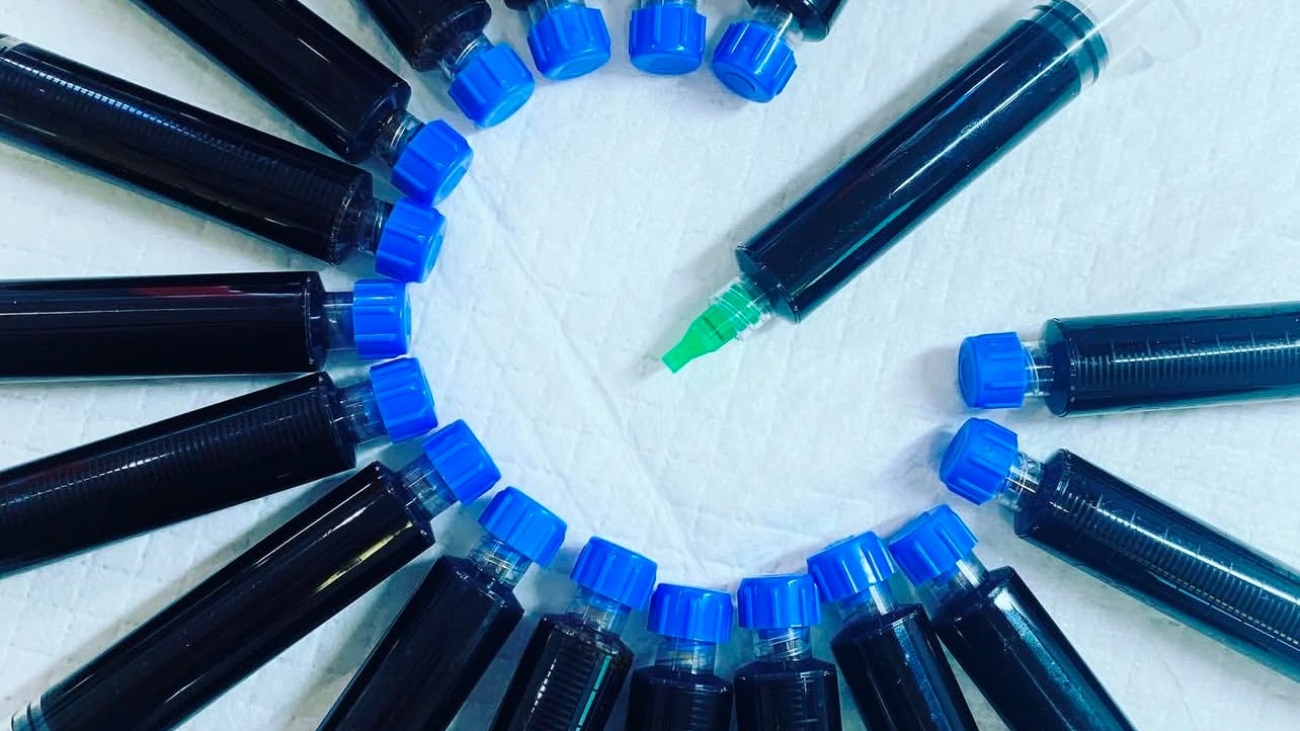
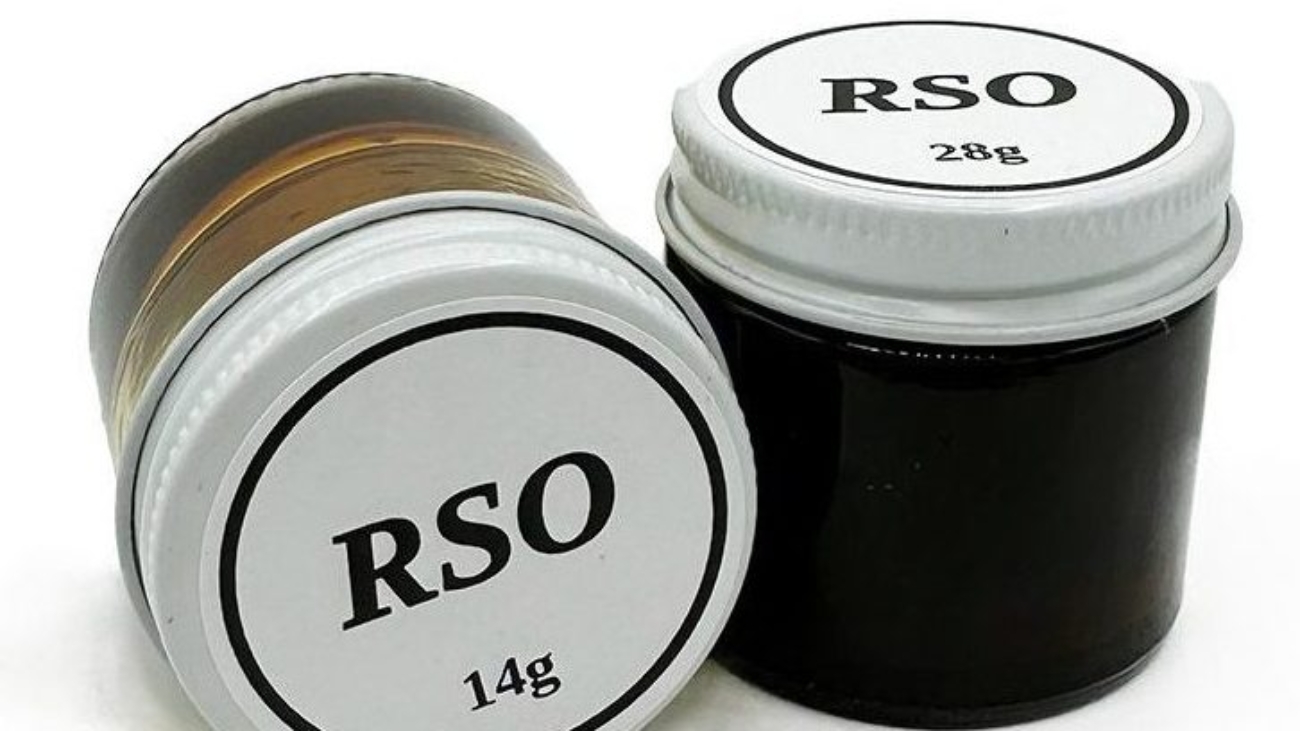
RSO and Cancer Regression

RSO and Tumor Regression

SEO Title

RSO and Tumor Regression: Can Rick Simpson Oil Help Fight Cancer?

Meta Description: Explore RSO and tumor regression, what research says about cannabis and cancer, potential benefits, risks, and what patients should know.

Primary Keyword: RSO and Tumor Regression

Secondary Keywords: Rick Simpson Oil and cancer, RSO oil for tumors, cannabis oil and cancer research, RSO potential cancer benefits, cannabis and tumor growth, RSO cancer treatment research, cannabinoids and cancer cells.

Suggested URL Slug: rso-and-tumor-regression

Tags: RSO and Tumor Regression, Rick Simpson Oil, RSO Oil, Cannabis Oil, Cannabis and Cancer Research, Tumor Regression, Cannabinoids, Cancer Research, Medical Cannabis, RSO Education


RSO and Tumor Regression: Can Rick Simpson Oil Help Fight Cancer?

Cancer remains one of the most challenging health conditions worldwide, encouraging patients, researchers, and healthcare professionals to explore different approaches to treatment and symptom management. Among the natural products attracting considerable attention is Rick Simpson Oil (RSO), a highly concentrated cannabis extract commonly discussed in conversations about cannabinoids and cancer.

The relationship between RSO and tumor regression has become a particularly interesting topic for people researching cannabis-based products and their potential effects on cancer cells. Online discussions frequently include personal experiences, laboratory research, and claims about tumors shrinking after cannabis oil use.

But what does the available scientific evidence actually show?

Can RSO influence cancer cell activity? Does laboratory research support the possibility of tumor regression? And what should patients understand before considering cannabis-derived products?

This article explores the science behind RSO, the relationship between cannabinoids and cancer research, potential supportive benefits, and the important distinction between laboratory findings and proven cancer treatments.

What Is Rick Simpson Oil (RSO)?

Rick Simpson Oil, commonly known as RSO, is a concentrated cannabis extract associated with Rick Simpson, who popularized its use after sharing his personal experience with cannabis oil.

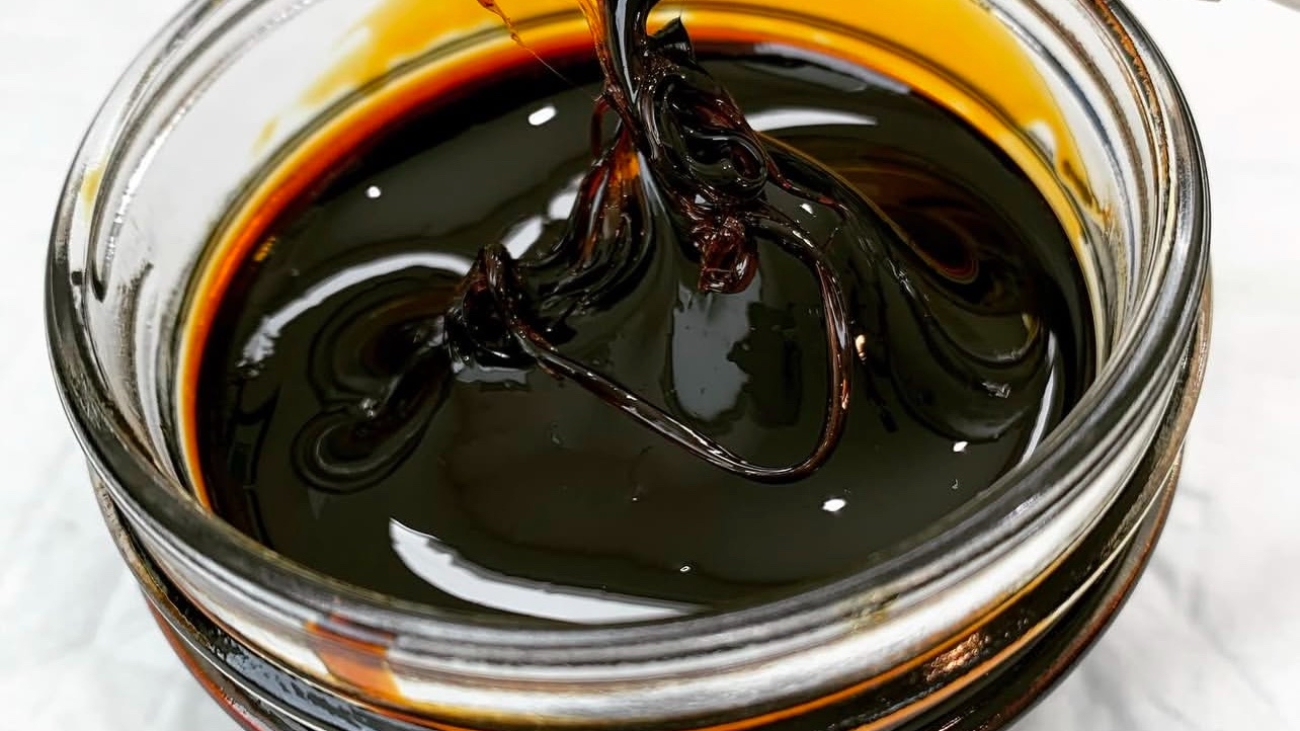
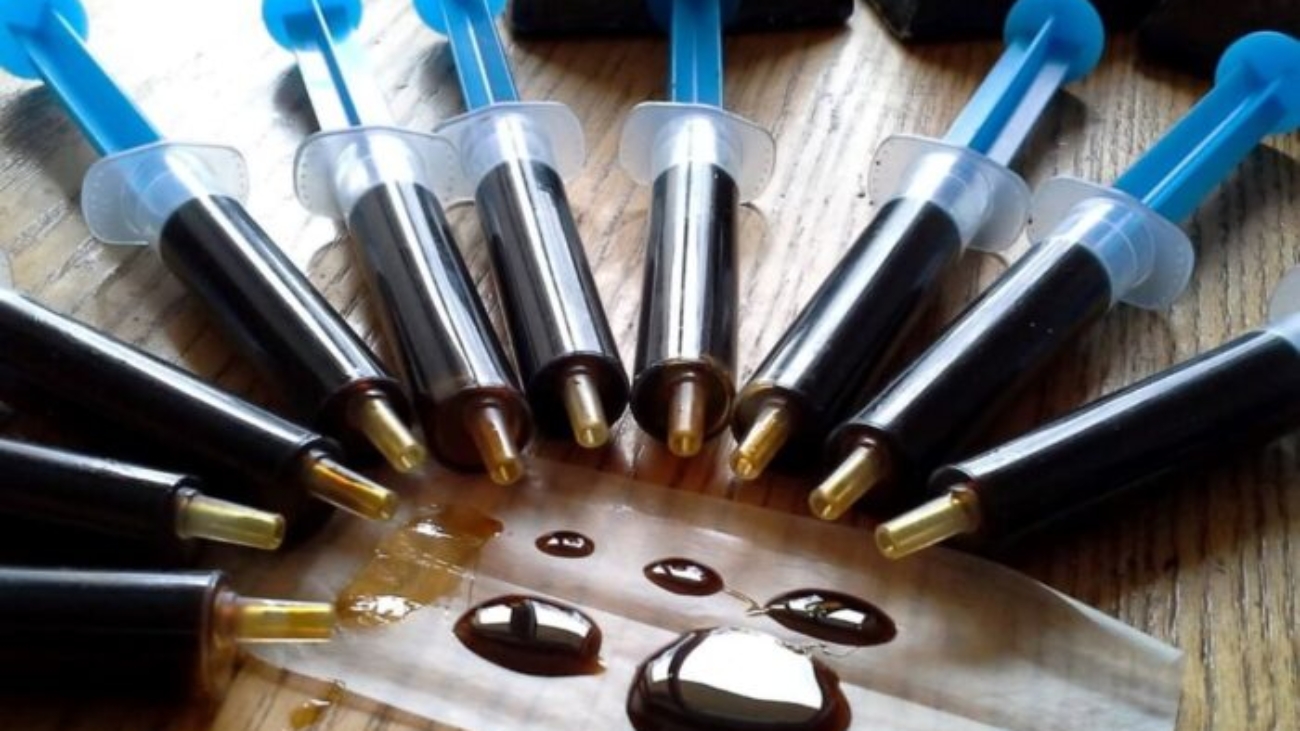
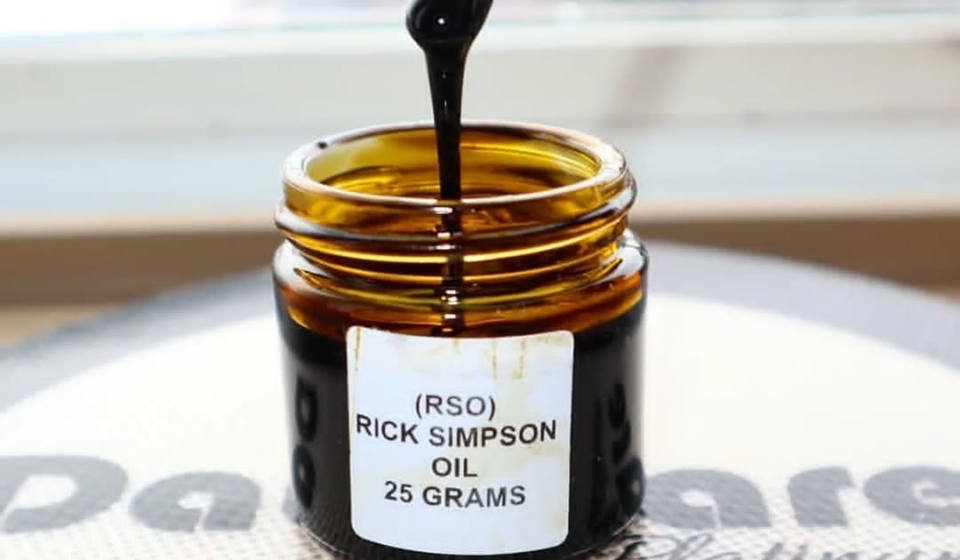
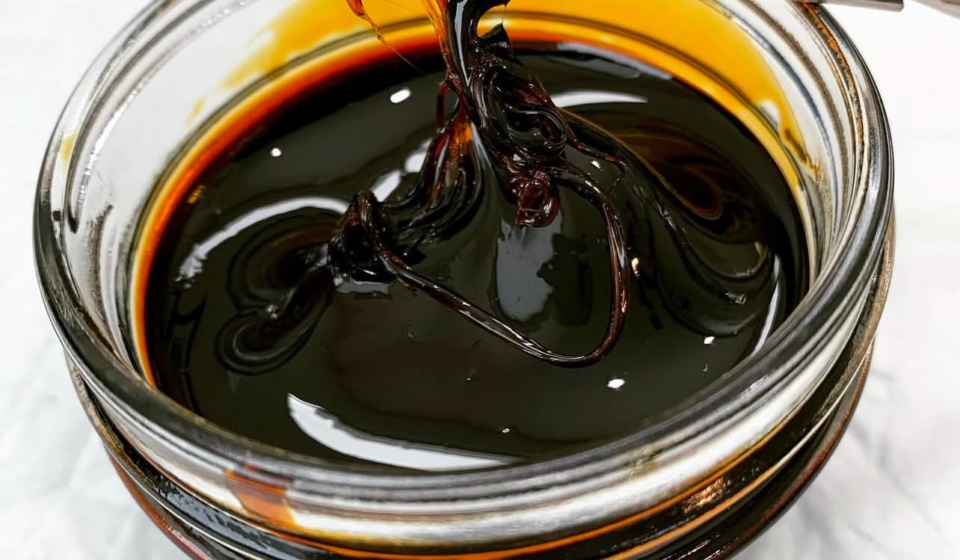
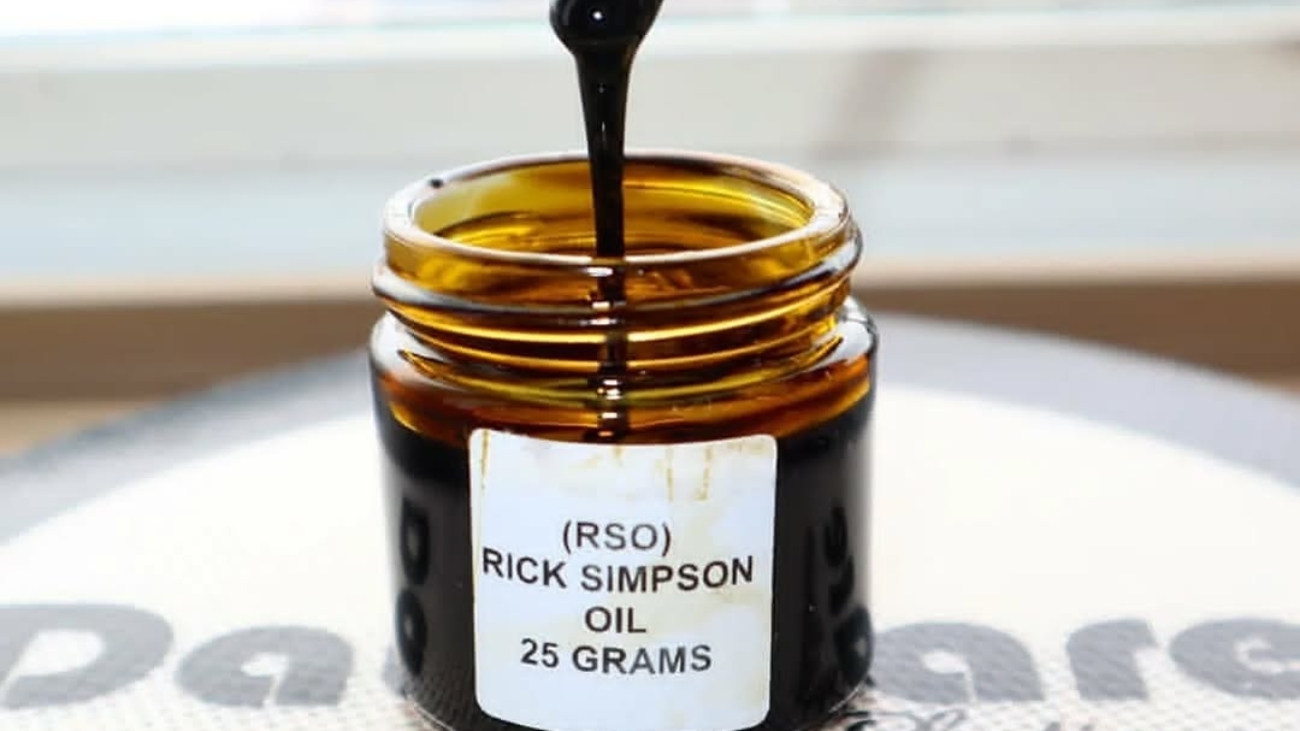
Unlike many conventional cannabis products, RSO is generally characterized by its thick consistency, dark appearance, and high cannabinoid concentration.

Depending on the cannabis variety and extraction process, RSO may contain several naturally occurring compounds, including:

  • THC (tetrahydrocannabinol): The primary psychoactive cannabinoid in many cannabis varieties.
  • CBD (cannabidiol): A non-intoxicating cannabinoid that has attracted scientific interest.
  • Minor cannabinoids: Compounds such as CBG and CBC.
  • Terpenes: Aromatic plant compounds that contribute to cannabis’s distinctive smell and chemical profile.

The composition of RSO can vary considerably between products. Therefore, not every preparation has the same cannabinoid concentration or chemical characteristics.

RSO is often discussed in alternative cancer treatment communities. However, it is important to understand that no reliable clinical evidence currently establishes RSO as an effective cancer treatment or demonstrates that it can consistently shrink human tumors.

Understanding RSO and Tumor Regression

Tumor regression refers to a reduction in the size, extent, or activity of a tumor.

It can occur when cancer cells respond to an effective treatment, although the mechanisms and outcomes vary depending on the cancer type and treatment approach.

The interest in RSO and tumor regression largely comes from laboratory studies investigating how cannabinoids interact with cancer cells.

Some experimental studies have reported that particular cannabinoids can influence biological processes associated with cancer development.

These processes include:

  • Cell proliferation.
  • Programmed cell death, also known as apoptosis.
  • Cellular signaling pathways.
  • Inflammation.
  • Angiogenesis, the formation of new blood vessels.
  • Cancer cell migration and invasion.

These findings have encouraged further investigation into cannabinoids as potential subjects for cancer research.

However, there is an important distinction: observing changes in isolated cancer cells in a laboratory does not establish that consuming RSO will produce the same effects inside the human body.

Researchers still need substantial clinical evidence to determine whether these findings translate into meaningful improvements for cancer patients.

What Does Scientific Research Say About Cannabis and Cancer Cells?

Cannabis contains several compounds that interact with the body’s endocannabinoid system.

This system consists of receptors, naturally produced signaling molecules, and enzymes involved in regulating different physiological processes.

Two receptors frequently discussed in cannabinoid research are CB1 and CB2.

Some cancer cells express cannabinoid receptors, leading researchers to investigate whether cannabinoid compounds can influence cellular activity.

1. Cannabinoids and Apoptosis

Apoptosis is a natural process through which damaged or unnecessary cells undergo programmed death.

Certain laboratory experiments have found that cannabinoids, including THC and CBD, can trigger apoptosis-related pathways in some cancer cell models.

This has generated interest in whether cannabinoids could eventually contribute to new cancer treatment strategies.

Nevertheless, laboratory findings cannot establish that RSO causes cancer cells to undergo apoptosis in human patients.

2. Cannabinoids and Cancer Cell Growth

Another area of investigation involves cell proliferation.

Cancer develops when abnormal cells multiply uncontrollably. Researchers are therefore interested in compounds that may influence the signaling pathways responsible for cellular growth.

Some preclinical studies have reported reduced proliferation in particular cancer cell models following exposure to cannabinoids.

The results vary depending on the cannabinoid, concentration, cancer type, and experimental conditions.

This is why researchers cannot assume that every cannabis extract will have the same biological effects.

3. Cannabinoids and Tumor Blood Supply

Tumors depend on blood vessels to receive oxygen and nutrients.

The process through which new blood vessels develop is called angiogenesis.

Some experimental research has investigated whether cannabinoids influence angiogenesis-related pathways.

Although these findings are scientifically interesting, there is not enough human clinical evidence to establish that RSO can prevent tumor blood vessel formation or cause tumors to shrink through this mechanism.

Can RSO Shrink Tumors in Humans?

This is one of the most frequently asked questions surrounding RSO and tumor regression.

The honest answer is that RSO has not been proven to shrink tumors in humans through reliable clinical trials.

Some individuals share personal stories describing improvements after using cannabis oil. These experiences can be meaningful to the people involved, but personal testimonials cannot establish that RSO caused a tumor to shrink.

Several factors must be considered when interpreting reports of tumor regression:

  • Whether the individual was also receiving chemotherapy, radiation, surgery, immunotherapy, or targeted treatment.
  • Whether tumor measurements were confirmed through medical imaging.
  • Whether the cancer type and stage were documented.
  • Whether other treatments could explain the observed improvement.
  • Whether the reported outcome was independently verified.

Without this information, it is difficult to determine the actual contribution of RSO.

A tumor becoming smaller during a period when someone uses cannabis oil does not necessarily mean that the oil caused the improvement.

More well-designed clinical research is needed before RSO can be considered a cancer treatment.

RSO and Cancer Symptoms: Where Is the Stronger Evidence?

Although RSO is not an established cancer treatment, cannabis-based medicines have been investigated for certain symptoms associated with cancer and its treatment.

This is an important distinction because symptom management and treating the underlying cancer are two different medical goals.

Nausea and Vomiting

Some cannabinoid-based medicines have demonstrated benefits for chemotherapy-induced nausea and vomiting, particularly when conventional anti-nausea medications have not provided sufficient relief.

However, these findings relate to specific cannabinoid medicines and formulations. They should not automatically be applied to every RSO product.

Pain Management

Cannabinoids have also been investigated for their potential role in managing different types of pain.

Results vary, and cannabis-based products are not appropriate or effective for everyone.

Patients experiencing cancer-related pain should discuss suitable options with their oncology and pain-management teams.

Appetite and Weight Management

Cancer and certain cancer treatments can contribute to appetite loss, nausea, and unwanted weight changes.

THC-containing medicines may help some patients with appetite-related symptoms.

Nevertheless, evidence supporting appetite improvement does not demonstrate that RSO reduces tumors or treats the underlying disease.

Sleep and Relaxation

Some people report using cannabis products to help manage sleep difficulties and relaxation.

However, effects vary according to the product, cannabinoid composition, dose, and individual response.

Potential side effects, including dizziness, anxiety, impaired concentration, and daytime drowsiness, should also be considered.

RSO vs. Conventional Cancer Treatments

Understanding the differences between RSO and established cancer treatments is essential.

Conventional cancer treatments are selected according to factors such as cancer type, stage, molecular characteristics, and the patient’s overall health.

Common approaches include:

TreatmentMain Purpose
SurgeryRemove cancerous tissue when appropriate
ChemotherapyDestroy or control rapidly dividing cancer cells
Radiation therapyDamage cancer cells using targeted radiation
ImmunotherapyHelp the immune system recognize and attack cancer
Targeted therapyAct on specific molecular changes involved in cancer
Hormone therapyBlock or reduce hormones that support certain cancers
Cannabis-based medicinesInvestigated or used for selected symptoms, not established tumor treatment

RSO should not replace surgery, chemotherapy, radiation, immunotherapy, or other prescribed cancer treatments.

Stopping or delaying proven treatment in favor of an unproven alternative can allow cancer to progress and potentially reduce treatment options.

Patients interested in cannabis-derived products should discuss their use with their oncology team before starting.

Potential Risks and Safety Considerations of RSO

Natural does not automatically mean safe.

RSO is a concentrated cannabis preparation, and products can differ significantly in potency, purity, and cannabinoid content.

There are several important considerations.

1. Psychoactive Effects

THC can cause intoxication and may produce:

  • Dizziness.
  • Confusion.
  • Anxiety or panic.
  • Changes in perception.
  • Impaired coordination.
  • Increased heart rate.
  • Drowsiness.

These effects may be particularly concerning for people already experiencing weakness or other treatment-related symptoms.

2. Drug Interactions

Cannabinoids can interact with certain prescription medications by influencing how the body processes them.

This may be especially important for patients receiving complex cancer treatment.

Potential interactions should be reviewed by a qualified healthcare professional or pharmacist.

3. Product Quality and Purity

Not all cannabis oils are manufactured under the same quality standards.

Unregulated products may contain inconsistent cannabinoid concentrations, contaminants, or residual solvents.

Patients should be cautious about products without reliable independent laboratory testing.

4. Delaying Medical Treatment

One of the biggest risks associated with unsupported cancer-treatment claims is delaying appropriate medical care.

A patient who relies exclusively on RSO while avoiding recommended cancer treatment may lose valuable time.

RSO should never be presented as a guaranteed cancer cure or a substitute for evidence-based oncology care.

What Does the Future Hold for RSO and Tumor Regression Research?

Scientific interest in cannabinoids continues to grow.

Researchers are investigating how different cannabis compounds interact with cellular receptors, inflammation pathways, and biological processes involved in cancer development.

Future studies may help answer important questions, including:

  1. Which cannabinoids have the most promising biological effects?
  2. Do different cancer types respond differently to cannabinoid exposure?
  3. Can cannabinoids safely complement established cancer treatments?
  4. What concentrations are appropriate for clinical investigation?
  5. Which patients, if any, could benefit from cannabinoid-based supportive care?

However, these questions require carefully designed clinical trials.

Future research must also examine treatment safety, interactions, long-term outcomes, and whether any observed effects translate into meaningful benefits for patients.

The relationship between RSO and tumor regression remains an area of interest rather than an established medical treatment.

How to Approach RSO Research Responsibly

If you are researching RSO because of a personal cancer diagnosis or a loved one’s condition, it is important to approach available information carefully.

Consider these practical steps:

  • Understand the evidence: Distinguish laboratory research from clinical trials involving human patients.
  • Avoid cure promises: Be cautious of anyone guaranteeing tumor disappearance or complete cancer recovery.
  • Speak with an oncologist: Discuss cannabis products before combining them with prescribed medication.
  • Check product quality: Look for reliable cannabinoid information and independent testing.
  • Continue appropriate treatment: Never replace or postpone prescribed cancer care because of online testimonials.
  • Evaluate outcomes medically: Tumor regression must be assessed through appropriate clinical examinations and imaging.

Making informed decisions is especially important when dealing with a serious condition such as cancer.

Frequently Asked Questions About RSO and Tumor Regression

1. Can RSO cause tumor regression?

There is currently insufficient clinical evidence to demonstrate that RSO causes tumor regression in humans. Some cannabinoids have produced interesting results in laboratory studies, but these findings do not establish RSO as an effective cancer treatment.

2. Does THC kill cancer cells?

Certain laboratory studies have found that THC can influence cancer cell activity and apoptosis in specific experimental models. However, this does not prove that THC or THC-rich RSO kills cancer cells in people.

3. Is RSO the same as CBD oil?

No. RSO generally refers to a concentrated cannabis extract that may contain substantial amounts of THC and other cannabinoids. CBD oil typically focuses on cannabidiol and may contain little or no THC, depending on the formulation.

4. Can RSO be used alongside chemotherapy?

Potentially important interactions exist between cannabinoids and certain medications. Anyone considering cannabis products during chemotherapy should first consult their oncologist and pharmacist.

5. Is RSO approved as a cancer treatment?

RSO is not an established or approved cancer treatment. Some cannabinoid-based medicines have specific medical uses in certain jurisdictions, but their approval does not mean that RSO is approved to treat cancer or shrink tumors.

6. What is the difference between tumor regression and cancer remission?

Tumor regression describes a reduction in tumor size or extent. Remission refers to a reduction or disappearance of signs and symptoms of cancer. Complete remission means no detectable evidence of cancer, although it does not always mean the disease has been permanently cured.

7. Why are researchers interested in cannabinoids and cancer?

Researchers are investigating cannabinoid interactions with cellular receptors, apoptosis, inflammation, and other biological pathways. These studies may help identify future research opportunities, but more clinical evidence is necessary.

Final Thoughts: Understanding RSO and Tumor Regression

The connection between RSO and tumor regression is an interesting subject that deserves careful scientific investigation.

Preclinical research suggests that certain cannabinoids can influence biological processes associated with cancer cells. These findings help explain why cannabis compounds have attracted attention in cancer research.

However, laboratory results and personal testimonials are not enough to establish that RSO can shrink tumors or cure cancer in humans.

For now, the most responsible approach is to distinguish potential supportive uses of cannabis-based medicines from proven cancer treatments.

Anyone considering RSO during cancer care should speak with a qualified healthcare professional, understand the possible risks, and continue evidence-based treatment.

Knowledge, responsible decisions, and professional medical guidance should always come first.

Explore More About RSO

Interested in learning more about RSO, cannabis extracts, and related products?

Visit RSO Healing Hub to explore additional educational information and browse available products. Remember that cannabis products are not proven cancer treatments and should not be purchased or used as substitutes for medical care.

SHOP RSO PRODUCTS

For additional information and broader discussions about psychedelic and cannabis-related topics, you can also visit:

Explore Psychedelics World

Join the Conversation: What interests you most about cannabinoid research and its potential role in future medical developments? Share your thoughts and questions in the comments.

RSO and Cancer Prevention

RSO and Cancer Prevention: Understanding the Science and Research

RSO and Cancer Prevention: Understanding the Science, Research and Potential Benefits

Cancer prevention is an important subject in modern healthcare. Researchers continue exploring different compounds, lifestyle factors, and approaches that may help reduce cancer risks. Among the subjects attracting attention is cannabis and its naturally occurring compounds, particularly cannabinoids such as THC and CBD.

One product frequently mentioned in discussions about cannabis and cancer is Rick Simpson Oil (RSO), a concentrated cannabis extract associated with Canadian cannabis activist Rick Simpson.

But what is the connection between RSO and cancer prevention? Can RSO help protect against cancer, and what does scientific research actually say?

These questions have attracted considerable interest, especially as more people become curious about cannabis extracts and their potential applications.

Explore RSO Healing Hub

Discover more about RSO, cannabis extracts, and educational information.

🛒 SHOP RSO HEALING HUB

In this article, we explore the relationship between RSO and cancer prevention, the science behind cannabinoids, early laboratory research, the difference between cancer prevention and cancer treatment, and the important safety considerations everyone should understand.

Importantly, current scientific evidence does not establish that RSO prevents cancer or reduces a person’s risk of developing the disease.

What Is RSO?

RSO stands for Rick Simpson Oil. It is a concentrated cannabis extract named after Rick Simpson, who became widely recognised for sharing his personal experiences with cannabis oil.

Traditional RSO is generally associated with a dark, thick consistency and a concentrated cannabinoid profile. Many traditional preparations are THC-rich, although the composition of products marketed as RSO can vary.

Cannabis contains numerous naturally occurring chemical compounds, including:

  • THC (Tetrahydrocannabinol): A cannabinoid associated with the intoxicating effects of cannabis.
  • CBD (Cannabidiol): A non-intoxicating cannabinoid that has attracted scientific interest.
  • CBG (Cannabigerol): A cannabinoid being investigated for various biological properties.
  • CBN (Cannabinol): A cannabinoid that can develop as THC undergoes chemical changes.
  • Terpenes: Aromatic compounds that contribute to the distinctive smells and flavours of cannabis.

These compounds have different properties and may interact with the human body in different ways.

Interest in these compounds has encouraged researchers to investigate their possible biological effects, including their interactions with cancer-related cellular processes.

However, research involving individual cannabinoids should not automatically be interpreted as evidence that whole-plant RSO prevents cancer.

Understanding RSO and Cancer Prevention

Cancer prevention refers to actions, interventions, and strategies intended to reduce the likelihood of developing cancer.

These approaches can include avoiding tobacco, limiting exposure to known carcinogens, maintaining a healthy lifestyle, receiving recommended vaccinations, and participating in appropriate cancer screening programmes.

RSO has attracted attention in cancer-related discussions because some cannabinoids have demonstrated interesting biological effects in laboratory experiments.

Researchers have investigated how certain cannabis compounds interact with cells, signalling pathways, inflammation, and processes associated with tumour development.

These investigations have raised scientific questions about whether cannabinoids could eventually contribute to certain areas of cancer research.

However, there is currently no reliable clinical evidence demonstrating that RSO prevents cancer in humans.

This distinction is particularly important because a substance showing an effect on isolated cells does not necessarily produce the same result inside the human body.

Why Are Scientists Studying Cannabis and Cancer?

Cannabis contains hundreds of biologically active compounds, and researchers have spent decades investigating their effects.

Two particularly well-studied cannabinoids are THC and CBD.

These compounds interact with different biological systems, including the endocannabinoid system.

The endocannabinoid system is a network of receptors, naturally occurring molecules, and enzymes involved in regulating several physiological processes.

These include:

  • Pain signalling.
  • Appetite and metabolism.
  • Mood and emotional responses.
  • Inflammatory processes.
  • Certain aspects of immune system activity.

Because these processes are relevant to general health, researchers have become interested in understanding how cannabinoids influence them.

Some laboratory investigations have also examined whether cannabinoids affect cellular processes associated with cancer development.

These include cell growth, programmed cell death, and interactions between cells and their surrounding environments.

Although these findings are scientifically interesting, they remain an area of ongoing investigation.

They do not establish that consuming RSO can prevent cancer.

What Does Research Say About RSO and Cancer Prevention?

One of the most important questions surrounding RSO is whether scientific research supports its use for preventing cancer.

At present, the answer is that there is insufficient human clinical evidence to support this claim.

Research involving cannabinoids and cancer generally falls into three broad categories.

1. Laboratory Research

Laboratory research allows scientists to investigate how particular compounds interact with cells under controlled conditions.

Some experiments involving THC, CBD, and other cannabinoids have reported changes in cancer-cell growth, cell signalling, and programmed cell death.

These findings have encouraged further investigation into the biological properties of cannabinoids.

However, laboratory experiments do not demonstrate that RSO prevents cancer in people.

Concentrations used in laboratory studies may differ substantially from concentrations achievable in human tissues.

2. Animal Studies

Researchers also use animal models to investigate how cannabinoids interact with biological systems.

Some animal studies have reported effects involving tumour development and growth.

These findings can help researchers identify potential areas for further investigation.

Nevertheless, animal results cannot automatically be applied to humans.

Differences in metabolism, biology, cannabinoid exposure, and disease development mean that additional research is necessary before conclusions about human health can be made.

3. Human Clinical Research

Human clinical studies are essential for determining whether a particular substance is safe and effective.

For RSO and cancer prevention, there is currently no established body of clinical evidence demonstrating that the extract reduces cancer risk.

Consequently, RSO should not be promoted as a proven cancer-prevention product.

Can Cannabinoids Affect Cancer Cells?

This is one of the most interesting areas of cannabis research.

Scientists have investigated how cannabinoids interact with cancer cells in laboratory environments.

Some experiments suggest that particular cannabinoids may influence biological processes such as:

Cell proliferation: Researchers have examined whether certain cannabinoids influence how quickly particular cancer cells multiply.

Apoptosis: Apoptosis is the process of programmed cell death. Some laboratory investigations have explored cannabinoid interactions with pathways involved in this process.

Cell signalling: Cannabinoids can interact with biological signalling systems that influence different cellular activities.

Inflammatory responses: Researchers have investigated how cannabinoids affect inflammatory signalling and related biological processes.

These findings help explain why cannabinoids continue to attract scientific interest.

However, it is essential to recognise that cancer is a complex group of diseases.

Different cancers have different biological characteristics, and a compound that produces an effect in one laboratory model may not have the same effect in another.

Furthermore, laboratory findings do not establish that RSO can prevent cancer or safely influence tumour development in humans.

RSO, THC and CBD: Understanding the Differences

Discussions about RSO and cancer prevention often involve THC and CBD.

Although both are cannabinoids, they have different properties.

THC and Cancer Research

THC is one of the primary psychoactive compounds found in cannabis.

Researchers have investigated its interactions with cannabinoid receptors and different cellular processes.

Some laboratory studies have reported effects on cancer-cell activity.

Nevertheless, these findings do not demonstrate that THC prevents cancer in humans.

THC can also cause unwanted effects, including anxiety, dizziness, impaired concentration, and changes in heart rate.

CBD and Cancer Research

CBD is another well-known cannabinoid.

Unlike THC, CBD does not typically produce the same intoxicating effects.

Scientists have investigated CBD in relation to inflammation, cellular signalling, and other biological processes.

Some laboratory research has explored its interactions with cancer cells.

However, there is no established clinical evidence that CBD prevents cancer.

CBD can also interact with certain medicines by influencing the enzymes responsible for metabolising drugs.

This is particularly important for people receiving cancer treatment.

Why the Difference Matters

RSO is generally associated with concentrated cannabis extracts, often containing substantial amounts of THC.

CBD products, meanwhile, may have very different cannabinoid compositions.

Research involving purified THC or CBD cannot automatically be used to establish the safety or effectiveness of an RSO product.

Understanding the specific cannabinoid profile of a product is therefore important.

RSO and Cancer Prevention Versus Cancer Treatment

Another important distinction is the difference between preventing cancer and treating an existing cancer.

Cancer prevention focuses on reducing the likelihood of developing the disease.

Cancer treatment focuses on managing or eliminating cancer after it has developed.

These are separate medical objectives and require different types of evidence.

Some people discuss RSO in relation to both subjects, but neither cancer prevention nor cancer treatment has been established as a proven application of RSO.

Some cannabinoid medicines may help manage particular cancer-related symptoms, such as chemotherapy-related nausea and vomiting.

However, symptom management is not the same as preventing or curing cancer.

People diagnosed with cancer should never replace or delay recommended medical treatment because of claims about RSO.

Potential Risks and Safety Considerations

Although RSO is often discussed in alternative wellness communities, concentrated cannabis extracts can have significant side effects.

Products with high THC concentrations may produce strong psychoactive effects.

Potential adverse effects include:

  • Dizziness and confusion.
  • Anxiety and panic.
  • Drowsiness.
  • Impaired concentration.
  • Changes in heart rate.
  • Unwanted psychological effects.
  • Interactions with prescription medicines.

Product quality is another important consideration.

Unregulated cannabis extracts may contain unwanted contaminants, including residual solvents, pesticides, and heavy metals.

There may also be considerable differences between the cannabinoid concentrations stated on product labels and the actual concentrations.

For people receiving cancer treatment, potential interactions are particularly important.

Cannabinoids may affect how the body processes certain medicines, potentially changing medication exposure or treatment-related risks.

Anyone considering a cannabis-derived product should discuss it with their healthcare professional, especially when taking prescription medication.

What Are the Established Ways to Reduce Cancer Risk?

While researchers continue investigating cannabinoids, several cancer-risk reduction strategies have stronger scientific support.

1. Avoid Tobacco

Tobacco is a major preventable cause of cancer.

Avoiding cigarettes and other tobacco products can significantly reduce the risk of several cancers, including lung, mouth, throat, and bladder cancer.

2. Maintain a Healthy Lifestyle

A balanced diet, regular physical activity, and maintaining a healthy body weight can contribute to reducing the risk of certain cancers.

A healthy lifestyle is not a guarantee against cancer, but it can support overall health.

3. Limit Alcohol Consumption

Alcohol consumption is associated with increased risks of several cancers.

Reducing consumption or avoiding alcohol can help lower exposure to this established risk factor.

4. Protect Your Skin

Excessive ultraviolet radiation exposure increases the risk of skin cancer.

Protective measures include:

  • Using appropriate sun protection.
  • Wearing protective clothing.
  • Seeking shade during intense sunlight.
  • Avoiding indoor tanning devices.

5. Follow Recommended Screening Programmes

Cancer screening can help identify certain cancers or precancerous changes before symptoms develop.

Appropriate screening depends on factors such as age, personal medical history, and family history.

People should discuss suitable screening schedules with qualified healthcare professionals.

6. Stay Up to Date With Recommended Vaccinations

Certain infections are associated with increased cancer risks.

For example, human papillomavirus (HPV) is associated with several cancers, while chronic hepatitis B infection can increase the risk of liver cancer.

Recommended vaccinations can help prevent infections associated with certain cancers.

These established prevention strategies are much better supported by scientific evidence than claims that RSO prevents cancer.

Why Is More RSO Research Needed?

Despite increasing interest in cannabis-derived compounds, many important scientific questions remain unanswered.

More research is needed to understand:

  • How individual cannabinoids interact with different cancer-related biological processes.
  • Whether laboratory findings can be reproduced in humans.
  • How different cannabinoid concentrations influence biological activity.
  • What long-term safety considerations may exist.
  • How cannabinoids interact with conventional medicines.
  • Whether any particular cannabinoid-based intervention has a meaningful role in specific medical settings.

Research should also distinguish between individual cannabinoids, standardised cannabis medicines, and concentrated whole-plant extracts such as RSO.

These products are not interchangeable.

Carefully designed clinical trials are necessary before claims about cancer prevention can be supported.

The Importance of Responsible Cannabis Education

The growing interest in RSO demonstrates why accurate cannabis education matters.

People researching cannabis extracts deserve clear information about their origins, composition, potential risks, and the scientific evidence surrounding them.

Unfortunately, online discussions sometimes present early laboratory findings as proof that cannabis oil can prevent or cure cancer.

This can create unrealistic expectations and potentially put vulnerable people at risk.

Responsible education means explaining both what researchers have discovered and what remains unknown.

It also means recognising that natural substances can still have powerful effects and potential risks.

For anyone interested in learning more about RSO, understanding the science is an important first step.

Frequently Asked Questions About RSO and Cancer Prevention

1. Can RSO prevent cancer?

There is currently no reliable clinical evidence demonstrating that RSO prevents cancer or reduces the risk of developing the disease. More human research is needed.

2. Does Rick Simpson Oil kill cancer cells?

Some laboratory studies have investigated cannabinoid effects on cancer cells. However, these findings do not prove that RSO kills cancer cells in humans or treats cancer effectively.

3. What does science say about THC and cancer prevention?

THC has been investigated in laboratory and animal studies involving cancer-related processes. However, there is insufficient clinical evidence to establish that THC prevents cancer in humans.

4. Is CBD better than THC for cancer prevention?

Neither CBD nor THC has been established as a proven cancer-prevention substance. Both have different biological properties and are being investigated for different potential applications.

5. Can RSO replace conventional cancer treatment?

No. RSO is not an established cancer treatment and should never replace surgery, chemotherapy, radiotherapy, immunotherapy, or other recommended medical care.

6. Why are researchers interested in cannabinoids?

Researchers are interested in how cannabinoids interact with biological systems, including the endocannabinoid system, cellular signalling, and inflammatory processes.

Some laboratory findings have encouraged further investigation.

7. Is RSO safe for everyone?

No. Concentrated cannabis extracts can cause side effects, and cannabinoids may interact with prescription medicines. Their legal status and product quality also vary.

8. Is there a difference between cancer prevention and cancer symptom management?

Yes. Cancer prevention aims to reduce the likelihood of developing cancer, while symptom management focuses on improving comfort and quality of life for people living with cancer or undergoing treatment.

Evidence that certain cannabinoid medicines may help with particular symptoms does not establish that RSO prevents cancer.

Final Thoughts: Understanding RSO and Cancer Prevention

The relationship between RSO and cancer prevention remains an area of interest, but it is important to separate scientific curiosity from proven medical benefits.

Cannabinoids such as THC and CBD have demonstrated interesting biological effects in laboratory research, encouraging scientists to investigate their possible applications.

However, these early findings do not establish that Rick Simpson Oil prevents cancer or reduces cancer risk in humans.

For now, established cancer-prevention strategies remain the most reliable approach. Avoiding tobacco, maintaining a healthy lifestyle, following recommended screening programmes, protecting the skin, and receiving appropriate vaccinations are all important considerations.

As cannabis research develops, further studies may provide a better understanding of cannabinoids and their potential applications.

Until then, informed decisions should be based on reliable evidence, professional medical guidance, and an understanding of the limitations of current research.

Explore RSO Healing Hub Today

Interested in learning more about Rick Simpson Oil, cannabis extracts, and cannabis education?

Visit RSO Healing Hub to explore our website and discover more educational information about RSO.

🛒 SHOP RSO HEALING HUB – VISIT OUR WEBSITE

You can also explore Psychedelics World for additional educational content about cannabis and the wider world of psychedelics.

Medical disclaimer: This article is intended for educational and informational purposes only. RSO has not been proven to prevent or cure cancer. It is not medical advice and should not replace professional healthcare guidance, cancer screening, or established cancer-prevention and treatment strategies.

What Is RSO? Understanding Rick Simpson Oil and Its Origins

What Is RSO? Understanding Rick Simpson Oil and Its Origins

What Is RSO? Understanding Rick Simpson Oil and Its Origins

Cannabis extracts have become an increasingly discussed subject in conversations about cannabis history, alternative wellness, and plant-based products. Among the different extracts available, one name that frequently attracts attention is Rick Simpson Oil (RSO).

But what is RSO, where did it come from, and why has it become such a recognisable name within cannabis culture?

Rick Simpson Oil is a concentrated cannabis extract associated with a Canadian medical cannabis activist named Rick Simpson. Its history is closely connected to his personal experiences, his advocacy for cannabis, and his efforts to raise awareness about the potential therapeutic applications of the cannabis plant.

Over the years, RSO has developed a distinct identity, attracting interest from cannabis enthusiasts, researchers, and people seeking to understand different types of cannabis extracts.

In this guide, we explore what RSO is, its origins, the story behind its name, how it differs from other cannabis products, and the important considerations surrounding its use.

What Is RSO?

RSO stands for Rick Simpson Oil. It is a concentrated cannabis extract named after Rick Simpson, who became widely known for promoting cannabis oil as an alternative wellness product.

Unlike ordinary cannabis flower, which consists of the dried flowers of the cannabis plant, RSO is a concentrated extract. It is generally characterised by its thick consistency, dark colour, and concentrated cannabinoid content.

Cannabinoids are naturally occurring chemical compounds found in cannabis. Two of the best-known cannabinoids are:

  • THC (Tetrahydrocannabinol): A cannabinoid primarily associated with the intoxicating effects of cannabis.
  • CBD (Cannabidiol): A non-intoxicating cannabinoid that has attracted considerable scientific interest.

Traditional RSO is commonly associated with THC-rich cannabis extracts, although products sold under the RSO name can differ in cannabinoid composition.

It is important to understand that RSO is not a single standardised pharmaceutical formulation. Its composition, concentration, purity, and quality can vary depending on the source material and manufacturing standards.

This variation is one reason why understanding a product’s ingredients and laboratory testing information is important.

The Origins of Rick Simpson Oil

To understand what RSO is, it helps to explore the person behind its name.

Rick Simpson is a Canadian individual who became associated with cannabis activism after describing his personal experiences with cannabis oil.

The story of RSO is generally traced back to the early 2000s, particularly around 2003.

During this period, Simpson experienced health difficulties and became interested in investigating cannabis and its potential applications. He subsequently became an advocate for cannabis oil and shared his personal beliefs about its possible benefits.

His story attracted attention because he publicly discussed using cannabis oil in connection with his own health experiences.

Simpson later encouraged other people to learn about cannabis extracts and challenged the negative attitudes surrounding cannabis.

These activities helped introduce his name to a wider audience and contributed to the popularity of the term Rick Simpson Oil.

However, it is important to distinguish personal accounts from established medical evidence. Although Simpson’s experiences became an important part of RSO’s history, they do not establish that RSO can cure cancer or other serious illnesses.

Who Was Rick Simpson?

Rick Simpson is best known as a cannabis activist and the individual associated with the creation and popularisation of Rick Simpson Oil.

His interest in cannabis reportedly developed following personal health experiences that led him to question existing attitudes towards the plant.

At the time, cannabis was still heavily restricted in many parts of the world, and discussions about its potential medical applications were often controversial.

Simpson became particularly vocal about his belief that cannabis extracts deserved greater attention.

Rather than keeping his experiences private, he shared his story and encouraged people to explore information about cannabis oil.

His advocacy contributed to wider public discussions about:

  • The history of medicinal cannabis.
  • The difference between cannabis flower and concentrated extracts.
  • The chemical compounds found in cannabis.
  • The relationship between cannabis and medical research.
  • Access to cannabis-based products.

Whether people agree with his views or not, his name has become closely associated with one of the most recognised cannabis extracts.

How Did RSO Become Popular?

RSO gained recognition largely through word of mouth, cannabis advocacy, online communities, and growing public interest in cannabis-based products.

Initially, much of the attention surrounding Rick Simpson Oil came from personal stories shared by people interested in alternative approaches to wellness.

As internet access expanded, information about RSO became easier to find.

Online discussions helped introduce the extract to audiences outside Canada, while cannabis education communities contributed to its growing recognition.

Several developments helped increase public awareness:

1. Growing interest in medicinal cannabis

As conversations about medical cannabis expanded, more people became interested in understanding different cannabis extracts and their chemical compositions.

2. Increased access to online information

Websites, forums, and cannabis education platforms made information about RSO more accessible to international audiences.

3. Public discussions about cannabinoids

Scientific interest in THC, CBD, and other cannabinoids encouraged people to learn more about cannabis-derived products.

4. Changing attitudes towards cannabis

In several countries, changing cannabis laws and discussions about medical cannabis helped bring cannabis extracts into mainstream conversations.

Together, these developments helped RSO become a recognised term in cannabis culture.

What Makes RSO Different From Other Cannabis Oils?

One of the most common questions people ask is how RSO differs from other cannabis oils.

Although these products may come from the same plant, they are not necessarily identical.

Different cannabis extracts can have different cannabinoid profiles, textures, concentrations, and production standards.

Here are some important distinctions.

RSO

Traditional Rick Simpson Oil is generally associated with a thick, dark, concentrated cannabis extract.

It is commonly described as a THC-rich product, although the actual cannabinoid content varies.

CBD Oil

CBD oil is a cannabis-derived or hemp-derived product formulated around cannabidiol.

Unlike traditional THC-rich RSO, CBD oil is generally designed to contain little or no THC, depending on the product and applicable regulations.

Cannabis Tinctures

Cannabis tinctures are liquid preparations that may contain different cannabinoids.

They are commonly formulated using carrier liquids or other suitable preparation methods.

Their cannabinoid concentrations and compositions vary between products.

Cannabis Distillates

Cannabis distillates are highly refined extracts designed to concentrate particular cannabinoids.

They may have a different appearance, consistency, and cannabinoid profile compared with traditional RSO.

The important point is that the term cannabis oil covers many different products. Understanding their composition is more useful than assuming that all cannabis extracts are interchangeable.

What Is RSO Made From?

RSO originates from the cannabis plant, which naturally contains cannabinoids, terpenes, and other plant compounds.

The chemical composition of a particular extract depends on several factors, including the cannabis variety, the plant material used, and the extraction and purification standards.

Some of the compounds associated with cannabis extracts include:

  • THC: A cannabinoid associated with psychoactive effects.
  • CBD: A non-intoxicating cannabinoid.
  • CBN: A cannabinoid that can occur in cannabis as THC undergoes chemical changes.
  • CBG: A cannabinoid that is the subject of ongoing scientific investigation.
  • Terpenes: Aromatic compounds responsible for many of cannabis’s distinctive smells and flavours.

Not every RSO product contains the same quantities of these compounds.

Some extracts may have a broader cannabinoid profile, while others may be more concentrated in particular cannabinoids.

For this reason, laboratory analysis is important when assessing the composition and quality of a cannabis extract.

Why Has RSO Attracted So Much Attention?

RSO has attracted attention for several reasons, particularly its connection to cannabis activism and discussions about medicinal cannabis.

Its popularity is also connected to broader interest in cannabinoids and the endocannabinoid system.

The endocannabinoid system is a biological signalling system involved in several physiological processes, including pain signalling, appetite, mood, and immune regulation.

Cannabinoids interact with this system in different ways, which is one reason researchers continue investigating cannabis-derived compounds.

However, there is an important distinction between scientific interest in cannabinoids and evidence supporting a particular cannabis product.

Research into individual cannabinoids does not automatically establish the safety or effectiveness of RSO.

Similarly, personal testimonials should not be treated as proof that a product can prevent, treat, or cure a medical condition.

Anyone considering cannabis-based products for a health concern should discuss the matter with a qualified healthcare professional.

RSO and Cancer: Understanding the Claims

One of the most widely discussed aspects of RSO history is its association with cancer-related claims.

Rick Simpson became known partly because he publicly shared his belief that cannabis oil could help people dealing with serious illnesses.

These claims contributed significantly to the attention surrounding RSO.

However, it is essential to approach this subject carefully.

Laboratory studies have investigated how certain cannabinoids interact with cancer cells. Some findings have generated scientific interest, but laboratory results do not establish that cannabis oil cures cancer in humans.

At present, there is insufficient reliable clinical evidence to conclude that RSO cures cancer or can replace established cancer treatments.

People living with cancer should never delay or discontinue recommended medical treatment because of claims made about cannabis oil.

Cannabis products can also cause side effects and interact with prescription medicines.

Understanding the difference between personal experiences, laboratory research, and properly conducted clinical trials is essential when evaluating claims about RSO.

Is RSO the Same as Medical Cannabis?

No. Although RSO is associated with cannabis and is sometimes discussed in the context of medicinal cannabis, the two terms do not mean the same thing.

Medical cannabis is a broader category covering cannabis-based products used within regulated healthcare settings, where permitted.

These products can contain different cannabinoid combinations and are subject to varying regulatory and quality requirements.

RSO, on the other hand, describes a particular type of cannabis extract associated with Rick Simpson.

Not every product marketed as RSO has undergone pharmaceutical-grade testing or received regulatory approval for medical use.

This distinction matters because a product’s name alone does not establish its safety, quality, or medical suitability.

Important Safety Considerations About RSO

Although RSO has a long history within cannabis culture, concentrated cannabis extracts should not be considered risk-free.

Products associated with high THC concentrations can produce significant psychoactive effects.

Potential adverse effects can include:

  • Dizziness and confusion.
  • Anxiety or panic.
  • Impaired concentration and coordination.
  • Changes in heart rate.
  • Drowsiness.
  • Unwanted psychological effects.

There are also concerns about product contamination, inconsistent cannabinoid concentrations, and interactions with certain medicines.

Unregulated products may contain residual solvents, pesticides, heavy metals, or other unwanted substances.

Anyone researching RSO should consider the following:

  1. Check whether a product has independent laboratory testing.
  2. Look for clear information about cannabinoid concentrations.
  3. Understand the legal status of cannabis products in your location.
  4. Avoid relying on testimonials as proof of medical effectiveness.
  5. Consult a qualified healthcare professional before considering cannabis products for a medical condition.

Pregnant or breastfeeding individuals and people with certain medical or psychiatric conditions should be particularly cautious about cannabis exposure.

Education and product transparency are important parts of making informed decisions.

The Legal Status of RSO Around the World

The legal status of Rick Simpson Oil depends on the country and sometimes the specific region.

Because RSO is generally associated with cannabis extracts, its legal classification is often influenced by THC concentration and the regulations governing cannabis-derived products.

Some countries permit certain cannabis-based medicines under controlled medical frameworks.

Others maintain strict restrictions on cannabis extracts, particularly products containing THC.

Even where medical cannabis is permitted, that does not necessarily mean every product marketed as RSO is legal.

Before purchasing, possessing, or using any cannabis-derived product, it is important to understand the applicable laws in your location.

International shipping and cross-border possession may also be subject to additional restrictions.

The Continuing Interest in RSO

More than two decades after its emergence, RSO remains a familiar name in discussions about cannabis extracts.

Its history reflects several broader developments, including the growth of cannabis activism, increasing public interest in cannabinoids, and changing attitudes towards cannabis research.

For some people, RSO represents an important chapter in the history of cannabis advocacy.

For others, it is an example of why conversations about alternative wellness products need to be supported by reliable scientific evidence.

Both perspectives highlight the importance of education, transparency, and responsible discussions about cannabis.

As research continues, a clearer understanding of individual cannabinoids and their potential applications may help answer some of the questions surrounding cannabis extracts.

Until then, it is important to distinguish established research from unverified claims.

Frequently Asked Questions About RSO

1. What does RSO stand for?

RSO stands for Rick Simpson Oil. It is a concentrated cannabis extract named after Canadian cannabis activist Rick Simpson.

2. Who invented Rick Simpson Oil?

Rick Simpson is the individual associated with popularising the extract and sharing his personal experiences with cannabis oil. The term RSO comes from his name.

3. When was RSO first introduced?

The history of RSO is generally traced to the early 2000s, particularly around 2003, when Rick Simpson began sharing his experiences and promoting cannabis oil.

4. Is RSO the same as CBD oil?

No. Traditional RSO is generally associated with THC-rich cannabis extracts, whereas CBD oil is formulated around cannabidiol. Their cannabinoid compositions and properties can differ considerably.

5. Does RSO cure cancer?

There is currently insufficient reliable clinical evidence to establish that RSO cures cancer. Laboratory findings and personal testimonials should not be confused with proven treatments.

6. Why is RSO usually dark and thick?

Traditional RSO is commonly described as a dark, thick extract. Its appearance can vary depending on the cannabis material and processing methods used.

7. Is RSO legal?

Its legal status depends on local cannabis regulations, THC content, and the rules governing cannabis extracts. Always check the laws applicable to your location.

8. Is every product labelled RSO the same?

No. Products marketed as RSO can differ in cannabinoid concentrations, purity, ingredients, and quality standards. Independent laboratory testing can help establish what a particular product contains.

Final Thoughts: Understanding What RSO Is and Where It Came From

Understanding what RSO is requires looking beyond the extract itself and exploring the history of the person behind its name.

Rick Simpson Oil emerged from Rick Simpson’s personal experiences and cannabis advocacy in the early 2000s. Over time, it became a widely recognised name within cannabis culture and contributed to broader discussions about cannabis extracts and their potential applications.

Today, RSO continues to attract interest from people researching cannabinoids, cannabis history, and alternative wellness products.

However, understanding its origins should go hand in hand with understanding the limitations of current scientific evidence, potential health risks, and legal considerations.

The most important thing is to approach information about RSO with curiosity, critical thinking, and a commitment to reliable information.

Want to explore more about RSO and cannabis-related education?

Visit RSO Healing Hub to explore our website and discover more information about RSO.

You can also visit Psychedelics World for additional educational content and information about the wider world of cannabis and psychedelics.

Explore RSO Healing Hub Today

SHOP RSO HEALING HUB

Educational disclaimer: This article is provided for general informational and educational purposes only. It is not medical advice, does not establish the effectiveness of RSO for treating any disease, and should not replace consultation with a qualified healthcare professional.

How to Store Rick Simpson Oil for Maximum Freshness

How to Store Rick Simpson Oil for Maximum Freshness

Introduction: Protecting Your Botanical Investment

Rick Simpson Oil (RSO) is a prized full-spectrum concentrate valued for its exceptionally high cannabinoid density and potent plant terpenes. Because quality RSO is rich in sensitive active compounds—primarily Tetrahydrocannabinol (THC), secondary cannabinoids, and volatile terpenes—knowing how to store Rick Simpson Oil for maximum freshness is essential to prevent degradation over time.

When exposed to sub-optimal environmental conditions like excessive heat, direct sunlight, or oxygen, precious THC gradually breaks down into Cannabinol (CBN), reducing therapeutic potency and altering the oil’s consistency.

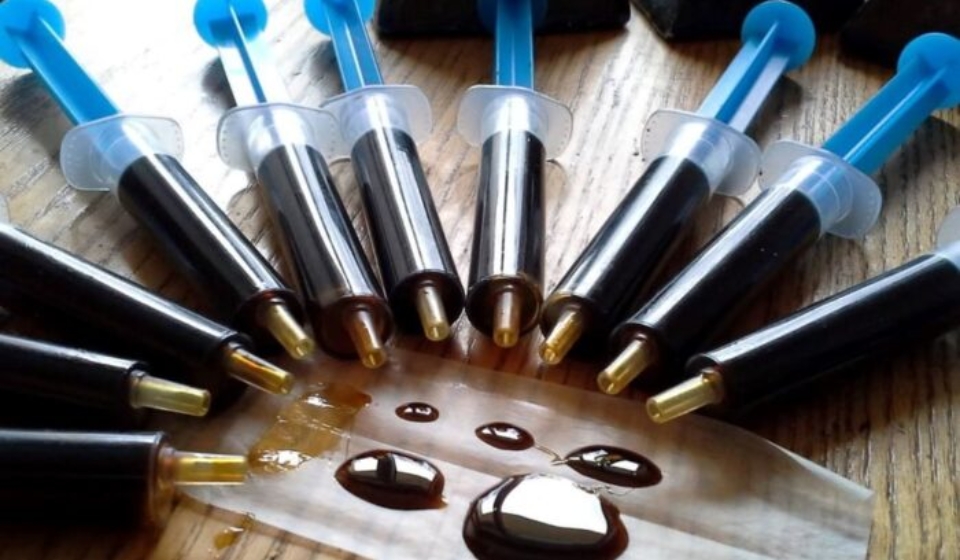
Whether you purchase single syringes or stock up for long-term regimens, following a few fundamental storage rules guarantees your concentrate maintains peak purity for months or even years. Ready to source fresh, lab-verified extracts? You can Shop Pure RSO Products at RSO Healing Hub for batch-tested quality.

The 3 Environmental Enemies of RSO Freshness

To preserve the freshness of high-potency cannabis extracts, you must shield them from three natural elements that accelerate cannabinoid degradation.

Potency Loss = Exposure to Light (UV) + Heat + Oxygen

1. Direct Light & Ultraviolet (UV) Rays

UV radiation is the fastest catalyst for cannabinoid breakdown. Scientific studies confirm that sunlight converts psychoactive THC into CBN at an accelerated rate, causing the oil to lose its characteristic potency.

2. High Heat

Temperatures above 70°F (21°C) loosen the natural resin matrix, causing volatile aromatic terpenes to evaporate. Heat also increases fluid viscosity, making precise syringe dosing messy and difficult.

3. Oxygen Exposure

Oxygen causes lipid oxidation and darkens the color of full-spectrum extracts. Leaving an RSO syringe uncapped allows oxygen to interact directly with active cannabinoids, slowly degrading taste and efficacy.

Where Should You Store RSO? (Storage Options Compared)

Selecting the right storage environment depends on how quickly you plan to consume your RSO syringe.

Storage MethodIdeal DurationTemperature RangePros & Cons
Cool Cabinet / Pantry1 to 3 Months60°F – 68°F (15°C – 20°C)Pros: Convenient daily access.
Cons: Sensitive to room temperature spikes.
Refrigeration3 to 12 Months35°F – 40°F (2°C – 4°C)Pros: Significantly slows degradation.
Cons: Thickens resin; requires warming before dispensing.
Freezer1 to 2+ YearsSub-32°F (< 0°C)Pros: Maximum shelf life preservation.
Cons: Moisture condensation risk if unsealed.

To dive deeper into plant extraction science and holistic health education, visit Psychedelics World.

Step-by-Step: Best Practices for Storing Your RSO Syringe

Following a consistent storage routine protects every drop of concentrate from environmental damage.

1.1. Re-Cap the Syringe Immediately After Use:Step 1: Cap Airtight.

Twist or snap the protective rubber cap tightly onto the syringe tip after every dose to block oxygen exposure and prevent leakages.

2.2. Store in an Opaque Container:Step 2: Shield Light.

Keep your capped syringe inside its original cardboard packaging or a dark, light-proof child-resistant container to block UV rays.

3.3. Place in a Cool, Climate-Controlled Area:Step 3: Cool Location.

Store the container in a dark cabinet away from household heat sources like stoves, microwave exhausts, or sunlit windowsills.

4.4. Warm Gently Before Dosing Cold RSO:Step 4: Dispense Care.

If storing in a refrigerator, never force a cold plunger. Roll the cold syringe between warm palms for 60 seconds to soften the oil safely before squeezing.

Signs Your RSO Has Degraded or Expired

When properly stored, Rick Simpson Oil has an exceptionally long shelf life—often remaining fresh for 12 to 24 months. However, if kept in poor conditions, look out for these indicators of degradation:

  • Drastic Color Shift: A shift from deep dark amber/black to a dull, foggy light brown.
  • Separation or Crystallization: Visible liquid separation or harsh sugar-like cannabinoid crystallization inside the glass chamber.
  • Rancid Smell or Bitter Taste: A sour or chemical off-odor indicating degraded plant lipids or residual moisture contamination.
  • Noticeable Drop in Efficacy: Needing twice your usual dose to achieve familiar therapeutic relaxation.

Frequently Asked Questions (FAQ)

Does Rick Simpson Oil need to be refrigerated?

Refrigeration is not strictly mandatory for short-term daily use (under 30 days) if kept in a cool, dark cabinet. However, refrigeration is highly recommended for multi-month storage to preserve delicate terpenes and delay THC oxidation.

Can Rick Simpson Oil go bad?

RSO does not spoil or grow mold easily because it lacks water content. However, active THC naturally breaks down into non-psychoactive CBN over time, resulting in lost potency rather than toxic spoilage.

What happens if RSO gets too cold and hardens?

Cold RSO thickens significantly inside the glass syringe. Simply place the sealed syringe in a watertight plastic bag and submerge it in a cup of lukewarm water for 2 to 3 minutes to restore a smooth, workable consistency.

Conclusion

Mastering how to store Rick Simpson Oil for maximum freshness is straightforward: keep it cool, keep it dark, and keep it sealed. By shielding your syringes from heat, UV light, and air, you ensure every microscopic drop remains as fresh and potent as the day it was extracted.

Looking for fresh, high-purity concentrates processed under strict laboratory standards? Shop Tested RSO Products at RSO Healing Hub today for premium full-spectrum extracts delivered straight to your door.

Rick Simpson Oil for Sleep

Rick Simpson Oil for Sleep: What Users Report and What Research Shows

Introduction: Why RSO Is Popular for Sleep Support

Getting a full night of deep, undisturbed rest is essential for physical repair, cognitive function, and emotional resilience. For millions struggling with chronic insomnia, midnight awakenings, or pain-induced restlessness, traditional over-the-counter and prescription sleep aids often come with unwanted dependency or heavy morning grogginess.

Enter Rick Simpson Oil (RSO)—a full-spectrum, high-potency cannabis concentrate renowned for its heavy, relaxing physical effects.

Containing anywhere from 60% to 90% active THC alongside natural plant terpenes, RSO offers a dense cannabinoid profile that affects sleep architecture differently than standard CBD tinctures or low-dose edibles.

If you are exploring pure, lab-tested extracts to support your nightly routine, you can Shop Verified RSO Products at RSO Healing Hub to ensure clean batch quality.

What Real Users Report About RSO for Sleep

In online patient communities, dispensaries, and wellness forums, user experiences with Rick Simpson Oil for sleep are overwhelmingly centered around its potent physical sedation.

1. Rapid Sleep Onset (Falling Asleep Faster)

Users frequently report that consuming RSO 60 to 90 minutes before bedtime quiets a racing mind and induces a deep, heavy body sensation often described as a “couch-lock” or “weighted blanket” effect.

2. Elimination of Midnight Awakenings

Because ingested RSO is processed through the liver (converting delta-9-THC into the more potent 11-hydroxy-THC), its therapeutic window lasts 6 to 8 hours. Consumers with severe insomnia note that RSO helps them stay asleep through the entire night without waking up at 2 AM or 3 AM.

3. Relief from Pain-Induced Restlessness

For individuals whose insomnia stems from chronic nerve pain, muscle spasms, or joint stiffness, RSO addresses the underlying physical discomfort that prevents restful posture during sleep.

User Insight: While most users experience deep rest, taking a dose that is too large or taking it too late at night can cause a temporary “RSO hangover”—a lingering feeling of heaviness or brain fog the next morning.

What Scientific Research Shows About Cannabinoids and Sleep

While clinical trials evaluating trade-named “Rick Simpson Oil” are limited, extensive medical research examines the individual mechanisms behind high-THC full-spectrum extracts and sleep regulation.

1. Reduction in Sleep Latency

Clinical studies on THC show that activating central nervous system CB1 receptors shortens sleep onset latency—meaning it reduces the time required to transition from full wakefulness to light sleep.

2. Suppression of REM Sleep and Vivid Dreams

Research indicates high doses of THC decrease the duration of REM (Rapid Eye Movement) sleep while increasing slow-wave (deep) sleep.

  • Benefit: Reduces vivid nightmares or PTSD-related sleep disruptions.
  • Trade-Off: Chronic long-term REM suppression can affect dream recall and emotional processing over extended periods.

3. Terpene Synergy (Myrcene & Linalool)

Full-spectrum RSO retains natural terpenes that enhance sedation:

  • Myrcene: Known for its sedating, muscle-relaxing qualities.
  • Linalool: A floral terpene that modulates GABA receptors to lower anxiety and calm the nervous system.

For deeper insights into plant medicine research and holistic wellness frameworks, visit Psychedelics World.

User Experiences vs. Scientific Evidence

FeatureUser ReportsScientific Research Findings
Falling AsleepMind calms quickly; physical body feels deeply relaxed within 1–2 hours.THC significantly reduces sleep latency by modulating CB1 receptors in central nervous system.
Staying AsleepUninterrupted 7 to 8 hours of sleep without waking up mid-night.11-hydroxy-THC (metabolized orally) provides extended 6–8 hour active duration.
Nightmares / DreamsDreams become less frequent or stop altogether.High THC reduces time spent in REM sleep, suppressing dream frequency and intensity.
Morning ExperienceRefreshed if dosed correctly; groggy if dose was too high.High doses late in the evening can leave residual active metabolites upon waking.

Step-by-Step Nighttime Protocol for Beginners

Using high-potency RSO for sleep requires careful timing and conservative dosing to prevent waking up groggy.

1.1. Dose 1 to 2 Hours Before Sleep:Timing: 90 Minutes Before Bed.

Because oral absorption takes 45 to 90 minutes, take your dose early enough so the peak sedating effect aligns with your desired bedtime.

2.2. Start Microscopic (~5mg THC):Dosage: Half a Grain of Rice.

Begin with a dose no larger than half a grain of rice. Overdosing high-THC oil before bed can cause restlessness or an racing heart rather than sleepiness.

3.3. Swallow with a High-Fat Snack:Bioavailability: Pair with Fat.

Consume your RSO dose with a spoonful of peanut butter, almond butter, or full-fat yogurt to maximize liver conversion and smooth out absorption.

4.4. Dim Lights and Unplug:Environment: Prepare for Rest.

Allow the natural sedating terpenes and cannabinoids to take effect in a cool, dark room free from blue light screens.

Frequently Asked Questions (FAQ)

Will Rick Simpson Oil make me feel hungover in the morning?

If you take too much RSO or take it too late in the night, you may experience a mild “cannabis hangover” consisting of dry mouth, grogginess, or slight brain fog. Starting with a microscopic dose and taking it 2 hours before bed prevents this.

Is RSO better for sleep than CBD oil?

CBD is non-intoxicating and excellent for mild daytime anxiety, but it lacks the heavy physical sedating power of high-THC RSO. For severe insomnia or pain-related sleep loss, full-spectrum RSO is generally reported to be much more effective.

Can I build a tolerance to RSO if I take it every night for sleep?

Yes. Daily use of high-THC cannabis causes CB1 receptor downregulation, meaning your body builds tolerance over time. Taking periodic 2-to-3 day breaks or keeping your bedtime dose at the lowest effective amount helps preserve long-term efficacy.

Conclusion

Both anecdotal user reports and scientific research agree: Rick Simpson Oil is a powerful option for sleep support. By reducing the time it takes to fall asleep, lengthening deep sleep phases, and relieving physical discomfort, RSO offers comprehensive relief for difficult nights.

To achieve the best results, start low, pair your dose with healthy fats, and give your body time to adapt. Ready to upgrade your nightly rest? Shop Tested RSO Products at RSO Healing Hub today to find premium, full-spectrum extracts tailored to your wellness needs.

Can You Travel With Rick Simpson Oil?

Can You Travel With Rick Simpson Oil? Laws and Regulations Explained

Introduction: Navigating the Legal Complexities of RSO Travel

If you rely on full-spectrum concentrates for daily wellness, one major concern naturally arises: can you travel with Rick Simpson Oil? Because traditional Rick Simpson Oil (RSO) contains ultra-potent concentrations of active THC (often 60% to 90%), transporting it across state borders, aboard airplanes, or into international territory involves complex legal boundaries.

While laws surrounding state-level medical cannabis continue to evolve, air space and interstate highways fall under federal or international jurisdiction. Knowing the exact difference between high-THC RSO and federally compliant hemp-derived extracts will keep your journey stress-free.

If you are planning a trip and need to verify the source purity or lab certification of your extracts, you can Shop Verified RSO Products at RSO Healing Hub prior to travel.

Flying with RSO: What TSA Regulations Actually Say

The Transportation Security Administration (TSA) is responsible for passenger safety at US airports. Understanding their operational protocol helps clarify what happens at security checkpoints:

  • TSA Focus is Security, Not Drug Enforcement: TSA security officers do not actively search for illegal drugs. Their primary mandate is detecting weapons, explosives, and safety threats to aircraft.
  • Local Law Enforcement Referral: If a TSA officer discovers a high-THC substance during routine screening, agency policy dictates referring the matter to local airport police.
  • Local Jurisdiction Outcome: If you are departing from an airport in a state where high-THC cannabis is legal, local police typically do not confiscate or arrest for personal-use quantities, provided you comply with state possession limits. However, you may be asked to store or dispose of the item before boarding.

The Federal Airspace Paradox

Even if you are flying between two states where cannabis is legal (e.g., from California to Colorado), airplanes and airport sterile zones operate under federal jurisdiction. The Federal Aviation Administration (FAA) bans high-THC cannabis on commercial aircraft.

Hemp-Derived Exception: RSO made from industrial hemp containing 0.3% or less THC by dry weight is federally legal under the 2018 Farm Bill and is permitted on domestic US flights.

Risk Assessment Across Common Travel Scenarios

Travel ModeLegal StatusRisk LevelPrimary Consideration
Domestic Air Travel (Hemp-Derived RSO < 0.3% THC)Federally LegalLowMust follow 3.4 oz liquid limit; carry Certificate of Analysis (COA).
Domestic Air Travel (High-THC RSO)Federally IllegalModerate to HighTSA defers to local police, but FAA rules prohibit THC on civil aircraft.
Driving Across State LinesFederally IllegalModerate to HighCrossing state borders with high-THC oil violates federal interstate commerce laws.
International Travel (Any High-THC RSO)Strictly IllegalExtreme / SevereCrossing international borders carries severe criminal penalties and border arrest.

Driving Across State Lines with RSO

Driving with high-THC Rick Simpson Oil presents different legal hurdles than flying:

  1. Interstate Commerce Laws: Federal law strictly prohibits transporting high-THC cannabis across state lines, even if both the origin state and destination state have legalized recreational or medical cannabis.
  2. State Reciprocity: Some states honor out-of-state medical cannabis cards, allowing you to purchase RSO upon arrival. However, reciprocity does not grant legal permission to transport the product across state borders yourself.
  3. Storage Rules: If traveling within a single legal state, store RSO sealed in its original dispensary packaging in your vehicle’s trunk or a locked glove compartment to comply with “open container” vehicle laws.

For further reading on holistic wellness frameworks and plant medicine regulations, visit Psychedelics World.

How to Handle TSA 3-1-1 Liquid Rules for RSO

Because Rick Simpson Oil is sold in syringes as a thick paste or dark oil, airport security treats it as a liquid or gel.

1.1. Keep Syringes Under 3.4 Ounces (100ml):Rule 1: Check Volume.

Standard RSO syringes usually hold 1 gram to 3 grams of resin (well below the 3.4 oz limit), making them compliant with TSA volume restrictions.

2.2. Store in a Clear, Quart-Sized Bag:Rule 2: Clear Bagging.

Place your oil syringe inside a clear, resealable plastic bag alongside your other carry-on liquids for easy security inspection.

3.3. Carry a Certificate of Analysis (COA):Rule 3: Carry Documentation.

If traveling with hemp-derived RSO (<0.3% THC), keep a printed lab report proving its legal status and exact cannabinoid breakdown.

4.4. Consider Sourcing Upon Arrival:Rule 4: Destination Sourcing.

To eliminate all legal risk when traveling for extended periods, purchase high-THC RSO directly at a licensed dispensary in your destination state.

Frequently Asked Questions (FAQ)

Can I put Rick Simpson Oil in my checked luggage?

Hemp-derived RSO (<0.3% THC) is allowed in checked bags. High-THC RSO remains federally prohibited in both carry-on and checked luggage because baggage is subject to federal security checks and airport scanning.

Can I travel internationally with high-THC RSO?

No. Taking high-THC cannabis products across international borders is illegal under both international drug treaties and national border customs laws. Severe legal consequences, including imprisonment and permanent travel bans, apply regardless of your medical status.

What happens if TSA finds high-THC RSO in my bag?

TSA will halt screening and refer the matter to local airport police. In a legal state, officers will confirm you meet local age/medical card requirements and may ask you to surrender or dispose of the product. In a prohibition state, local police can issue citations or file criminal charges.

Conclusion

When asking if you can travel with Rick Simpson Oil, the key factor is understanding federal versus state boundaries. While hemp-derived RSO containing under 0.3% THC can travel freely within the United States, high-THC RSO carries significant legal risk on commercial flights and across state lines. The safest option for high-potency THC care is sourcing your oil locally upon arrival at your destination.

Always prioritize clean, third-party lab-certified extracts. Shop Pure RSO Extracts Today at RSO Healing Hub to access premium products with verifiable lab documentation.

RSO and Cancer Prevention

Rick Simpson Oil Side Effects and Safety Considerations

Introduction: Understanding High-Potency Cannabis Safety

Rick Simpson Oil (RSO) is widely known for its exceptionally high cannabinoid concentration, often yielding 60% to 90% active THC. Because full-spectrum extracts deliver such a dense, unrefined dose of cannabinoids and plant compounds, understanding Rick Simpson Oil side effects and safety considerations is vital for any consumer.

While many individuals use RSO to support their wellness goals, taking high levels of THC without proper preparation can lead to uncomfortable physical and psychological reactions.

Approaching RSO with clear safety guidelines ensures you maximize therapeutic potential while keeping unwanted reactions to a minimum. If you are looking for clean, third-party tested extracts, you can Shop Pure RSO Products at RSO Healing Hub to verify batch purity before use.

Common Short-Term Side Effects of RSO

Because RSO is absorbed orally and metabolized by the liver, its psychoactive and physical effects are stronger and longer-lasting than inhaled cannabis. Most side effects are dose-dependent, meaning higher amounts significantly increase their intensity.

1. Physical Side Effects

  • Sedation and Severe Drowsiness: Due to heavy THC and myrcene content, feeling extremely heavy or sleepy is common.
  • Dry Mouth & Dry Eyes: Cannabinoids temporarily inhibit salivary gland secretion and reduce eye hydration.
  • Dizziness or Low Blood Pressure: THC can cause temporary vasodilation, leading to a drop in standing blood pressure (orthostatic hypotension).
  • Increased Heart Rate (Tachycardia): A temporary spike in heart rate can occur during the initial absorption peak.

2. Cognitive and Emotional Side Effects

  • Impaired Coordination and Slowed Motor Skills: Fine motor control and balance are noticeably reduced.
  • Short-Term Memory Fog: Memory retention and mental processing speed slow down while peak THC levels remain active.
  • Anxiety or Paranoia: If an individual takes more than their tolerance can handle, high THC can stimulate the amygdala, triggering temporary feelings of panic or anxiety.

Overview: Mild vs. High-Dose Side Effects

Side EffectLow-to-Moderate DosesHigh or Over DosesDuration
DrowsinessLight relaxation / restful feelingHeavy lethargy / deep sleep4 – 8 hours
Dry Mouth / EyesMild thirstModerate discomfort2 – 6 hours
Blood PressureSlight changeDizziness upon standing1 – 3 hours
Cognitive StateMild euphoria / calmDisorientation / paranoia2 – 6 hours

Critical Safety Considerations & Drug Interactions

Beyond standard short-term side effects, there are important clinical safety factors to evaluate before starting Rick Simpson Oil.

1. Cytochrome P450 Enzyme Interaction

Like grapefruit juice, concentrated cannabinoids interact with Cytochrome P450 (CYP450) liver enzymes. These enzymes are responsible for metabolizing a wide array of prescription medications, including:

  • Blood thinners (e.g., Warfarin)
  • Anticonvulsants and anti-seizure drugs
  • Blood pressure medications
  • Sedatives and anti-anxiety treatments

When RSO competes for these liver enzymes, it can raise or lower the concentration of prescription drugs in your bloodstream. Always consult a qualified physician if taking pharmaceuticals alongside high-potency cannabis.

To explore broader educational discussions on botanical medicine safety and holistic health protocols, visit Psychedelics World.

Essential Precautions: How to Minimize RSO Risks

Minimizing adverse effects comes down to cautious dosing, environmental preparation, and proper timing.

1.1. Start with a Microscopic Dosing Strategy:Rule 1: Start Small.

Never start with a full syringe line or large drop. Begin with no more than half a grain of rice (~5mg THC) to evaluate your personal tolerance safely.

2.2. Take Doses Before Bedtime:Rule 2: Plan Timing.

If you are concerned about drowsiness or psychoactive intensity, consume your starting dose 1 to 2 hours before sleep so you can sleep through the peak.

3.3. Never Drive or Operate Heavy Machinery:Rule 3: Avoid Risks.

RSO significantly slows reaction time and motor coordination. Avoid driving or performing hazardous tasks while under the influence of oil.

4.4. Keep CBD and Water Nearby:Rule 4: Counterbalance.

Stay well-hydrated throughout the day. If you accidentally take too much, taking pure CBD oil or chewing on black peppercorns can help lessen THC-induced anxiety.

Frequently Asked Questions (FAQ)

How long do Rick Simpson Oil side effects last?

When ingested orally, RSO side effects typically begin within 45 to 90 minutes, peak around 2 to 4 hours, and can linger for 6 to 8 hours depending on individual metabolism and dose size.

Can you overdose on Rick Simpson Oil?

Cannabinoids do not cause fatal respiratory arrest like opioids because there are no CB1 receptors in the brainstem respiratory center. However, an overdose of RSO can cause intense, uncomfortable intoxication, panic, and prolonged sleepiness.

Is RSO safe for elderly individuals?

Elderly individuals can use RSO, but they should exercise extreme caution due to an increased risk of dizziness, low blood pressure, and fall risks. Starting with a microscopic dose and having caregiver assistance is strongly recommended.

Conclusion

Understanding Rick Simpson Oil side effects and safety considerations empowers you to use this potent extract responsibly. By respecting its potency, adhering to the “start low and go slow” rule, and consulting a healthcare provider regarding drug interactions, you can minimize discomfort while exploring its therapeutic potential.

Always ensure you are sourcing pure, lab-tested concentrates free from residual solvents or harmful additives. Shop Tested RSO Products at RSO Healing Hub today to access verified full-spectrum extracts you can rely on.

What Is RSO? Understanding Rick Simpson Oil and Its Origins

Rick Simpson Oil Benefits: What Current Research Says

Introduction: Separating Science from Speculation

Rick Simpson Oil (RSO) has captured worldwide attention as one of the most potent full-spectrum cannabis concentrates available. Originally developed in the early 2000s by Canadian engineer Rick Simpson, this thick, unrefined extract is rich in Tetrahydrocannabinol (THC), secondary cannabinoids, and plant terpenes.

While thousands of personal testimonials praise its therapeutic potential, modern wellness consumers increasingly ask: what does current research actually say about Rick Simpson Oil benefits?

While large-scale human clinical trials specifically labeled “RSO” remain limited due to federal cannabis restrictions, a growing body of scientific literature examines the individual mechanisms behind high-concentration THC, whole-plant extractions, and the endocannabinoid system (ECS).

If you are looking to integrate lab-tested, high-grade extracts into your daily routine, you can Shop Pure RSO Products at RSO Healing Hub for verified purity and potency.

The Science of the “Entourage Effect”

To understand why RSO is often studied differently from isolated THC or CBD oils, researchers point to a phenomenon known as the entourage effect.

Full-Spectrum RSO = High THC + Secondary Cannabinoids (CBD, CBG, CBN) + Plant Terpenes

Unlike single-molecule isolates, whole-plant extracts preserve the natural synergy between various hemp compounds:

  • Primary Cannabinoids: High-potency THC interacts directly with CB1 receptors in the central nervous system.
  • Secondary Cannabinoids: Trace amounts of CBD, CBG, and CBN help modulate receptor activity and reduce unwanted side effects.
  • Terpenes: Natural aromatic compounds like myrcene, caryophyllene, and linalool enhance cannabinoid absorption across the blood-brain barrier.

What Current Research Says About Primary RSO Benefits

While formal clinical trials on RSO specifically are ongoing, extensive research on high-THC full-spectrum cannabis extracts highlights several key therapeutic areas.

1. Relief for Chronic Discomfort & Inflammation

Cannabinoids interact with CB1 and CB2 receptors throughout the nervous system to inhibit pain signaling pathways. Studies evaluating high-potency cannabis extracts show significant potential for:

  • Easing deep neuromuscular tension.
  • Modulating inflammatory responses in joint and tissue pathways.
  • Providing long-lasting relief for persistent, hard-to-treat discomfort.

2. Deep Sleep & Circadian Rhythm Support

Because RSO contains concentrated levels of THC alongside sleep-inducing terpenes (such as myrcene), research shows high-THC extracts shorten the time it takes to fall asleep (sleep latency) and prolong restorative deep-sleep cycles.

3. Appetite Stimulation & Nausea Suppression

One of the most clinically established benefits of high-THC cannabis is its interaction with ghrelin (the hunger hormone) and brainstem nausea centers. Research supports THC concentrates for:

  • Stimulating healthy appetite.
  • Reducing acute and chronic nausea symptoms.
  • Helping maintain body weight during intensive medical treatments.

For further exploration into alternative plant therapies and emerging holistic health frameworks, visit Psychedelics World.

Anecdotal Claims vs. Scientific Evidence

When exploring Rick Simpson Oil benefits, it is essential to distinguish between proven clinical effects and areas where preclinical laboratory research is still developing.

Therapeutic AreaCurrent Research StatusKey Findings
Pain & InflammationStrong Scientific SupportTHC and full-spectrum terpenes significantly decrease nerve pain and systemic inflammation.
Nausea & AppetiteStrong Scientific SupportClinically proven mechanism; THC activates CB1 receptors to stimulate appetite and suppress emesis.
Sleep SupportModerate-to-Strong SupportHigh-THC extracts reduce REM sleep latency and improve night-time restful periods.
Oncology & Cellular HealthPreclinical / Lab Studies OnlyIn-vitro (petri dish) and animal studies show cannabinoid anti-tumor activity, but robust human trials are still required.

Research Takeaway: While lab and animal studies on cannabinoids and cellular health show promise, RSO should be viewed as a complementary whole-plant wellness extract rather than a standalone medical cure. Always consult with a healthcare professional when managing serious medical conditions.

How to Utilize RSO Safely Based on Current Evidence

Because RSO is exceptionally concentrated, scientific consensus emphasizes the importance of conservative administration:

  1. Start Microscopic: Begin with a dose no larger than half a grain of rice (~5mg to 10mg THC).
  2. Combine with Dietary Fats: Research confirms cannabinoids are fat-soluble. Consuming RSO with healthy fats (peanut butter, coconut oil, avocado) dramatically boosts bioavailability and absorption consistency.
  3. Allow Sufficient Absorption Time: Oral ingestion requires 45 to 90 minutes to take effect as the oil passes through hepatic digestion.

Frequently Asked Questions (FAQ)

Is Rick Simpson Oil clinically approved?

While individual pharmaceutical drugs derived from cannabinoids exist, raw RSO is classified as a whole-plant botanical extract rather than an FDA-approved pharmaceutical drug.

How does RSO differ from standard CBD oil?

Standard CBD oil is typically derived from industrial hemp and contains minimal to zero THC (less than 0.3%). RSO is a full-spectrum extract containing high concentrations of active THC (often 60% to 90%), making it significantly more potent.

Can I build a tolerance to RSO over time?

Yes. Clinical studies show that regular daily intake of THC leads to receptor downregulation, building tolerance. This allows long-term users to consume higher therapeutic doses with less psychoactive disruption.

Conclusion

Understanding Rick Simpson Oil benefits requires balancing real-world patient success stories with grounded scientific evidence. Research firmly supports high-THC full-spectrum cannabis extracts for managing chronic discomfort, encouraging deep sleep, and stimulating appetite. As clinical studies expand, our understanding of this legendary extract continues to grow.

Prioritize your wellness journey with lab-tested, high-purity concentrates. Shop Pure RSO Products Today at RSO Healing Hub to access premium, full-spectrum extracts you can trust.

How Much Rick Simpson Oil Should Beginners Take

How Much Rick Simpson Oil Should Beginners Take

Introduction: The Golden Rule of RSO Dosing

If you are new to full-spectrum cannabis concentrates, one crucial question comes first: how much Rick Simpson Oil should beginners take? Because Rick Simpson Oil (RSO) is an exceptionally concentrated extract containing between 60% and 90% active THC, proper dosing is the single most important factor in ensuring a comfortable, safe, and therapeutic experience.

Unlike low-potency CBD tinctures or pre-measured edibles, RSO arrives as a thick, viscous paste inside an oral syringe. Estimating a tiny initial dose requires care and clear visual guidelines.

Whether you are seeking relief from chronic discomfort, struggling with deep insomnia, or exploring whole-plant wellness options, starting with a conservative dosage allows your body to adapt safely.

Ready to begin your journey with pure, lab-tested concentrates? You can Shop Verified RSO Products directly to get high-grade extracts with reliable potency.

The Starting Dose: The “Half a Grain of Rice” Rule

When determining how much RSO a beginner should take, the universal medical cannabis standard is half a grain of uncooked dry rice (approximately 1/4th of a drop or roughly 5mg to 10mg of total cannabinoids).

Beginner Starting Dose = Half a Grain of Rice (approx. 5mg - 10mg THC)

Because RSO is intensely potent, taking a full drop or a syringe line on your first attempt can trigger overwhelming intoxication, severe drowsiness, or temporary anxiety. Starting with a microscopic amount allows you to evaluate your sensitivity to THC without discomfort.

Why “Half a Grain of Rice”?

  • Precision Control: Oral syringes make it easy to squeeze out tiny bead-sized droplets.
  • Tolerance Assessment: Helps identify how sensitive your endocannabinoid system is to high THC levels.
  • Minimizing Side Effects: Prevents heavy intoxication while still delivering therapeutic plant compounds.

To read more about complementary holistic wellness frameworks and plant medicine insights, you can visit Psychedelics World.

Step-by-Step: Squeezing and Measuring Your Beginner Dose

Handling a sticky, concentrated resin can be tricky at first. Following this simple routine ensures you measure your dose accurately every time.

1.1. Warm the Syringe in Your Hands:Step 1: Soften the Oil.

Cold RSO is very thick and hard to squeeze. Roll the syringe between your palms for 60 seconds or place it in a sealed bag dipped in warm water to loosen the resin.

2.2. Remove the Syringe Cap:Step 2: Uncap.

Twist off the rubber protective cap. Hold the syringe upright to prevent accidental dripping.

3.3. Gently Squeeze a Tiny Bead:Step 3: Dispense.

Apply slow, steady pressure to the plunger until a tiny droplet the size of half a grain of rice emerges onto the tip.

4.4. Place on Food or Under Tongue:Step 4: Administer.

Transfer the droplet onto a piece of food (like a banana slice or spoonful of peanut butter) or place it directly under your tongue for sublingual absorption.

The 12-Week RSO Titration Schedule for Beginners

If you are following a structured high-dose protocol—such as the classic 60-gram regimen popularized by Rick Simpson—you will need to gradually build your physical tolerance over 90 days.

Week 1: 1/2 Grain ➔ Weeks 2–5: Double Every 4 Days ➔ Weeks 6–12: 1 Gram Daily

The Standard Schedule Breakdown

PhaseDurationFrequency & Dose SizeTarget Daily Total
Week 1Days 1 – 71/2 grain of rice every 8 hours (3x daily)~15mg – 30mg THC
Weeks 2 – 5Days 8 – 35Double the dose size every 4 daysEscalating to ~500mg
Weeks 6 – 12Days 36 – 901 full gram daily (divided into 3 doses)~600mg – 900mg THC

Important Note: You do not need to reach a full gram per day unless you are following a specific high-dose regimen under medical guidance. Many wellness users find optimal daily relief at much smaller maintenance doses.

If you are looking to source high-purity concentrates formatted for precise dosing, explore options at RSO Healing Hub.

How Long Should Beginners Wait Before Taking More?

Patience is essential when learning how much Rick Simpson Oil to take. Because RSO is often swallowed, it must pass through your digestive system and liver before taking full effect.

  • Sublingual Intake (Under the Tongue): Takes 15 to 30 minutes to start working; peaks around 1 to 2 hours.
  • Oral Ingestion (Swallowed with Food): Takes 45 to 90 minutes to take effect; peaks around 2 to 3 hours.

Crucial Rule: Never take a second dose within 3 hours of your first dose. The most common mistake beginners make is assuming the oil isn’t working and taking more too soon.

Pro-Tips to Improve Your Dosing Experience

  • Always Consume with Fat: THC is fat-soluble. Eating your RSO dose alongside healthy fats—such as peanut butter, avocado, full-fat yogurt, or coconut oil—significantly increases absorption rate and bioavailability.
  • Mask the Bitter Flavor: If you dislike the earthy, bitter taste of whole-plant resin, squeeze your dose into an empty gelatin capsule or tuck it inside a marshmallow.
  • Dose at Night Initially: Taking your starting doses 1 to 2 hours before bedtime allows you to sleep through the strongest psychoactive peak while building tolerance comfortably.

What to Do If You Accidentally Take Too Much

If you miscalculate your dose and feel overly intoxicated, stay calm. Keep these simple safety steps in mind:

  1. Remind Yourself You Are Safe: Cannabinoids do not cause life-threatening respiratory depression. The intense feeling is temporary and will pass.
  2. Take Pure CBD: High doses of CBD help block THC from binding to brain receptors, softening psychoactive intensity.
  3. Chew Black Peppercorns: Black pepper contains beta-caryophyllene, a natural terpene known to ease THC-induced anxiety.
  4. Hydrate & Rest: Drink plenty of water, lie down in a quiet room, and rest until the peak subsides.

Frequently Asked Questions (FAQ)

How many milligrams of THC are in a grain-of-rice dose?

A full grain-of-rice dose of standard 70% THC RSO contains approximately 20mg to 25mg of active THC. Therefore, a beginner’s half-grain dose contains roughly 10mg to 12.5mg of THC.

Can I take RSO every day?

Yes. Many individuals use RSO daily. Regular daily consumption builds cannabinoid tolerance over time, allowing users to experience deep physical benefits without intense psychoactivity.

Should I take RSO on an empty stomach?

It is best avoided. Taking RSO on an empty stomach can cause erratic absorption times or mild gastrointestinal discomfort. Always pair it with a small meal or snack containing healthy fats.

Conclusion

Determining how much Rick Simpson Oil beginners should take comes down to one core principle: start low and go slow. By beginning with a dose no larger than half a grain of rice, pairing it with healthy fats, and allowing your body time to adapt, you can safely unlock the therapeutic power of full-spectrum cannabis.

Always prioritize clean, third-party lab-tested extracts to ensure accurate potency. Ready to start your wellness journey with confidence? Shop Pure RSO Extracts Today and discover premium concentrates delivered straight to your door.