
 Cart is empty
What Is RSO? Understanding Rick Simpson Oil and Its Origins
Cannabis extracts have become an increasingly discussed subject in conversations about cannabis history, alternative wellness, and plant-based products. Among the different extracts available, one name that frequently attracts attention is Rick Simpson Oil (RSO).
But what is RSO, where did it come from, and why has it become such a recognisable name within cannabis culture?
Rick Simpson Oil is a concentrated cannabis extract associated with a Canadian medical cannabis activist named Rick Simpson. Its history is closely connected to his personal experiences, his advocacy for cannabis, and his efforts to raise awareness about the potential therapeutic applications of the cannabis plant.
Over the years, RSO has developed a distinct identity, attracting interest from cannabis enthusiasts, researchers, and people seeking to understand different types of cannabis extracts.
In this guide, we explore what RSO is, its origins, the story behind its name, how it differs from other cannabis products, and the important considerations surrounding its use.
What Is RSO?
RSO stands for Rick Simpson Oil. It is a concentrated cannabis extract named after Rick Simpson, who became widely known for promoting cannabis oil as an alternative wellness product.
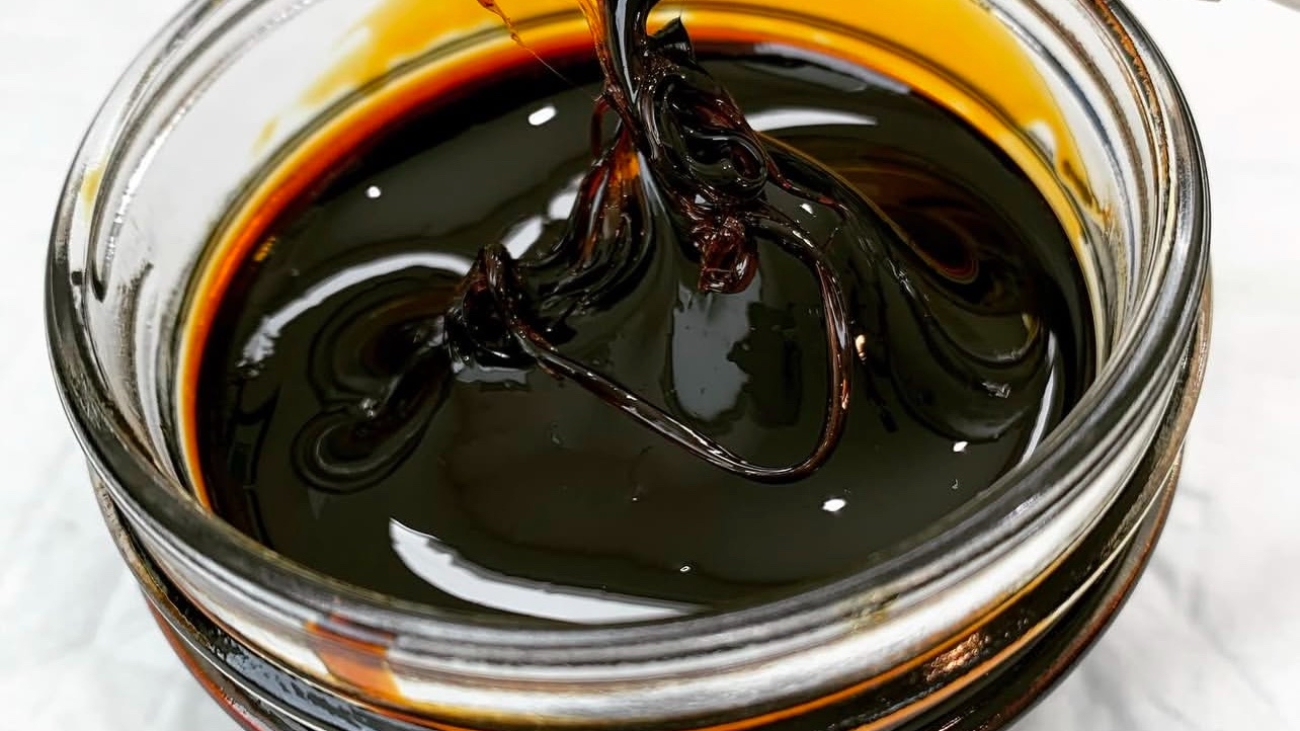
Unlike ordinary cannabis flower, which consists of the dried flowers of the cannabis plant, RSO is a concentrated extract. It is generally characterised by its thick consistency, dark colour, and concentrated cannabinoid content.
Cannabinoids are naturally occurring chemical compounds found in cannabis. Two of the best-known cannabinoids are:
- THC (Tetrahydrocannabinol): A cannabinoid primarily associated with the intoxicating effects of cannabis.
- CBD (Cannabidiol): A non-intoxicating cannabinoid that has attracted considerable scientific interest.
Traditional RSO is commonly associated with THC-rich cannabis extracts, although products sold under the RSO name can differ in cannabinoid composition.
It is important to understand that RSO is not a single standardised pharmaceutical formulation. Its composition, concentration, purity, and quality can vary depending on the source material and manufacturing standards.
This variation is one reason why understanding a product’s ingredients and laboratory testing information is important.
The Origins of Rick Simpson Oil
To understand what RSO is, it helps to explore the person behind its name.
Rick Simpson is a Canadian individual who became associated with cannabis activism after describing his personal experiences with cannabis oil.
The story of RSO is generally traced back to the early 2000s, particularly around 2003.
During this period, Simpson experienced health difficulties and became interested in investigating cannabis and its potential applications. He subsequently became an advocate for cannabis oil and shared his personal beliefs about its possible benefits.
His story attracted attention because he publicly discussed using cannabis oil in connection with his own health experiences.
Simpson later encouraged other people to learn about cannabis extracts and challenged the negative attitudes surrounding cannabis.
These activities helped introduce his name to a wider audience and contributed to the popularity of the term Rick Simpson Oil.
However, it is important to distinguish personal accounts from established medical evidence. Although Simpson’s experiences became an important part of RSO’s history, they do not establish that RSO can cure cancer or other serious illnesses.
Who Was Rick Simpson?
Rick Simpson is best known as a cannabis activist and the individual associated with the creation and popularisation of Rick Simpson Oil.
His interest in cannabis reportedly developed following personal health experiences that led him to question existing attitudes towards the plant.
At the time, cannabis was still heavily restricted in many parts of the world, and discussions about its potential medical applications were often controversial.
Simpson became particularly vocal about his belief that cannabis extracts deserved greater attention.
Rather than keeping his experiences private, he shared his story and encouraged people to explore information about cannabis oil.
His advocacy contributed to wider public discussions about:
- The history of medicinal cannabis.
- The difference between cannabis flower and concentrated extracts.
- The chemical compounds found in cannabis.
- The relationship between cannabis and medical research.
- Access to cannabis-based products.
Whether people agree with his views or not, his name has become closely associated with one of the most recognised cannabis extracts.
How Did RSO Become Popular?
RSO gained recognition largely through word of mouth, cannabis advocacy, online communities, and growing public interest in cannabis-based products.
Initially, much of the attention surrounding Rick Simpson Oil came from personal stories shared by people interested in alternative approaches to wellness.
As internet access expanded, information about RSO became easier to find.
Online discussions helped introduce the extract to audiences outside Canada, while cannabis education communities contributed to its growing recognition.
Several developments helped increase public awareness:
1. Growing interest in medicinal cannabis
As conversations about medical cannabis expanded, more people became interested in understanding different cannabis extracts and their chemical compositions.
2. Increased access to online information
Websites, forums, and cannabis education platforms made information about RSO more accessible to international audiences.
3. Public discussions about cannabinoids
Scientific interest in THC, CBD, and other cannabinoids encouraged people to learn more about cannabis-derived products.
4. Changing attitudes towards cannabis
In several countries, changing cannabis laws and discussions about medical cannabis helped bring cannabis extracts into mainstream conversations.
Together, these developments helped RSO become a recognised term in cannabis culture.
What Makes RSO Different From Other Cannabis Oils?
One of the most common questions people ask is how RSO differs from other cannabis oils.
Although these products may come from the same plant, they are not necessarily identical.
Different cannabis extracts can have different cannabinoid profiles, textures, concentrations, and production standards.
Here are some important distinctions.
RSO
Traditional Rick Simpson Oil is generally associated with a thick, dark, concentrated cannabis extract.
It is commonly described as a THC-rich product, although the actual cannabinoid content varies.
CBD Oil
CBD oil is a cannabis-derived or hemp-derived product formulated around cannabidiol.
Unlike traditional THC-rich RSO, CBD oil is generally designed to contain little or no THC, depending on the product and applicable regulations.
Cannabis Tinctures
Cannabis tinctures are liquid preparations that may contain different cannabinoids.
They are commonly formulated using carrier liquids or other suitable preparation methods.
Their cannabinoid concentrations and compositions vary between products.
Cannabis Distillates
Cannabis distillates are highly refined extracts designed to concentrate particular cannabinoids.
They may have a different appearance, consistency, and cannabinoid profile compared with traditional RSO.
The important point is that the term cannabis oil covers many different products. Understanding their composition is more useful than assuming that all cannabis extracts are interchangeable.
What Is RSO Made From?
RSO originates from the cannabis plant, which naturally contains cannabinoids, terpenes, and other plant compounds.
The chemical composition of a particular extract depends on several factors, including the cannabis variety, the plant material used, and the extraction and purification standards.
Some of the compounds associated with cannabis extracts include:
- THC: A cannabinoid associated with psychoactive effects.
- CBD: A non-intoxicating cannabinoid.
- CBN: A cannabinoid that can occur in cannabis as THC undergoes chemical changes.
- CBG: A cannabinoid that is the subject of ongoing scientific investigation.
- Terpenes: Aromatic compounds responsible for many of cannabis’s distinctive smells and flavours.
Not every RSO product contains the same quantities of these compounds.
Some extracts may have a broader cannabinoid profile, while others may be more concentrated in particular cannabinoids.
For this reason, laboratory analysis is important when assessing the composition and quality of a cannabis extract.
Why Has RSO Attracted So Much Attention?
RSO has attracted attention for several reasons, particularly its connection to cannabis activism and discussions about medicinal cannabis.
Its popularity is also connected to broader interest in cannabinoids and the endocannabinoid system.
The endocannabinoid system is a biological signalling system involved in several physiological processes, including pain signalling, appetite, mood, and immune regulation.
Cannabinoids interact with this system in different ways, which is one reason researchers continue investigating cannabis-derived compounds.
However, there is an important distinction between scientific interest in cannabinoids and evidence supporting a particular cannabis product.
Research into individual cannabinoids does not automatically establish the safety or effectiveness of RSO.
Similarly, personal testimonials should not be treated as proof that a product can prevent, treat, or cure a medical condition.
Anyone considering cannabis-based products for a health concern should discuss the matter with a qualified healthcare professional.
RSO and Cancer: Understanding the Claims
One of the most widely discussed aspects of RSO history is its association with cancer-related claims.
Rick Simpson became known partly because he publicly shared his belief that cannabis oil could help people dealing with serious illnesses.
These claims contributed significantly to the attention surrounding RSO.
However, it is essential to approach this subject carefully.
Laboratory studies have investigated how certain cannabinoids interact with cancer cells. Some findings have generated scientific interest, but laboratory results do not establish that cannabis oil cures cancer in humans.
At present, there is insufficient reliable clinical evidence to conclude that RSO cures cancer or can replace established cancer treatments.
People living with cancer should never delay or discontinue recommended medical treatment because of claims made about cannabis oil.
Cannabis products can also cause side effects and interact with prescription medicines.
Understanding the difference between personal experiences, laboratory research, and properly conducted clinical trials is essential when evaluating claims about RSO.
Is RSO the Same as Medical Cannabis?
No. Although RSO is associated with cannabis and is sometimes discussed in the context of medicinal cannabis, the two terms do not mean the same thing.
Medical cannabis is a broader category covering cannabis-based products used within regulated healthcare settings, where permitted.
These products can contain different cannabinoid combinations and are subject to varying regulatory and quality requirements.
RSO, on the other hand, describes a particular type of cannabis extract associated with Rick Simpson.
Not every product marketed as RSO has undergone pharmaceutical-grade testing or received regulatory approval for medical use.
This distinction matters because a product’s name alone does not establish its safety, quality, or medical suitability.
Important Safety Considerations About RSO
Although RSO has a long history within cannabis culture, concentrated cannabis extracts should not be considered risk-free.
Products associated with high THC concentrations can produce significant psychoactive effects.
Potential adverse effects can include:
- Dizziness and confusion.
- Anxiety or panic.
- Impaired concentration and coordination.
- Changes in heart rate.
- Drowsiness.
- Unwanted psychological effects.
There are also concerns about product contamination, inconsistent cannabinoid concentrations, and interactions with certain medicines.
Unregulated products may contain residual solvents, pesticides, heavy metals, or other unwanted substances.
Anyone researching RSO should consider the following:
- Check whether a product has independent laboratory testing.
- Look for clear information about cannabinoid concentrations.
- Understand the legal status of cannabis products in your location.
- Avoid relying on testimonials as proof of medical effectiveness.
- Consult a qualified healthcare professional before considering cannabis products for a medical condition.
Pregnant or breastfeeding individuals and people with certain medical or psychiatric conditions should be particularly cautious about cannabis exposure.
Education and product transparency are important parts of making informed decisions.
The Legal Status of RSO Around the World
The legal status of Rick Simpson Oil depends on the country and sometimes the specific region.
Because RSO is generally associated with cannabis extracts, its legal classification is often influenced by THC concentration and the regulations governing cannabis-derived products.
Some countries permit certain cannabis-based medicines under controlled medical frameworks.
Others maintain strict restrictions on cannabis extracts, particularly products containing THC.
Even where medical cannabis is permitted, that does not necessarily mean every product marketed as RSO is legal.
Before purchasing, possessing, or using any cannabis-derived product, it is important to understand the applicable laws in your location.
International shipping and cross-border possession may also be subject to additional restrictions.
The Continuing Interest in RSO
More than two decades after its emergence, RSO remains a familiar name in discussions about cannabis extracts.
Its history reflects several broader developments, including the growth of cannabis activism, increasing public interest in cannabinoids, and changing attitudes towards cannabis research.
For some people, RSO represents an important chapter in the history of cannabis advocacy.
For others, it is an example of why conversations about alternative wellness products need to be supported by reliable scientific evidence.
Both perspectives highlight the importance of education, transparency, and responsible discussions about cannabis.
As research continues, a clearer understanding of individual cannabinoids and their potential applications may help answer some of the questions surrounding cannabis extracts.
Until then, it is important to distinguish established research from unverified claims.
Frequently Asked Questions About RSO
1. What does RSO stand for?
RSO stands for Rick Simpson Oil. It is a concentrated cannabis extract named after Canadian cannabis activist Rick Simpson.
2. Who invented Rick Simpson Oil?
Rick Simpson is the individual associated with popularising the extract and sharing his personal experiences with cannabis oil. The term RSO comes from his name.
3. When was RSO first introduced?
The history of RSO is generally traced to the early 2000s, particularly around 2003, when Rick Simpson began sharing his experiences and promoting cannabis oil.
4. Is RSO the same as CBD oil?
No. Traditional RSO is generally associated with THC-rich cannabis extracts, whereas CBD oil is formulated around cannabidiol. Their cannabinoid compositions and properties can differ considerably.
5. Does RSO cure cancer?
There is currently insufficient reliable clinical evidence to establish that RSO cures cancer. Laboratory findings and personal testimonials should not be confused with proven treatments.
6. Why is RSO usually dark and thick?
Traditional RSO is commonly described as a dark, thick extract. Its appearance can vary depending on the cannabis material and processing methods used.
7. Is RSO legal?
Its legal status depends on local cannabis regulations, THC content, and the rules governing cannabis extracts. Always check the laws applicable to your location.
8. Is every product labelled RSO the same?
No. Products marketed as RSO can differ in cannabinoid concentrations, purity, ingredients, and quality standards. Independent laboratory testing can help establish what a particular product contains.
Final Thoughts: Understanding What RSO Is and Where It Came From
Understanding what RSO is requires looking beyond the extract itself and exploring the history of the person behind its name.
Rick Simpson Oil emerged from Rick Simpson’s personal experiences and cannabis advocacy in the early 2000s. Over time, it became a widely recognised name within cannabis culture and contributed to broader discussions about cannabis extracts and their potential applications.
Today, RSO continues to attract interest from people researching cannabinoids, cannabis history, and alternative wellness products.
However, understanding its origins should go hand in hand with understanding the limitations of current scientific evidence, potential health risks, and legal considerations.
The most important thing is to approach information about RSO with curiosity, critical thinking, and a commitment to reliable information.
Want to explore more about RSO and cannabis-related education?
Visit RSO Healing Hub to explore our website and discover more information about RSO.
You can also visit Psychedelics World for additional educational content and information about the wider world of cannabis and psychedelics.
Explore RSO Healing Hub Today
Educational disclaimer: This article is provided for general informational and educational purposes only. It is not medical advice, does not establish the effectiveness of RSO for treating any disease, and should not replace consultation with a qualified healthcare professional.