
RSO and Cancer Regression

RSO and Tumor Regression

SEO Title

RSO and Tumor Regression: Can Rick Simpson Oil Help Fight Cancer?

Meta Description: Explore RSO and tumor regression, what research says about cannabis and cancer, potential benefits, risks, and what patients should know.

Primary Keyword: RSO and Tumor Regression

Secondary Keywords: Rick Simpson Oil and cancer, RSO oil for tumors, cannabis oil and cancer research, RSO potential cancer benefits, cannabis and tumor growth, RSO cancer treatment research, cannabinoids and cancer cells.

Suggested URL Slug: rso-and-tumor-regression

Tags: RSO and Tumor Regression, Rick Simpson Oil, RSO Oil, Cannabis Oil, Cannabis and Cancer Research, Tumor Regression, Cannabinoids, Cancer Research, Medical Cannabis, RSO Education


RSO and Tumor Regression: Can Rick Simpson Oil Help Fight Cancer?

Cancer remains one of the most challenging health conditions worldwide, encouraging patients, researchers, and healthcare professionals to explore different approaches to treatment and symptom management. Among the natural products attracting considerable attention is Rick Simpson Oil (RSO), a highly concentrated cannabis extract commonly discussed in conversations about cannabinoids and cancer.

The relationship between RSO and tumor regression has become a particularly interesting topic for people researching cannabis-based products and their potential effects on cancer cells. Online discussions frequently include personal experiences, laboratory research, and claims about tumors shrinking after cannabis oil use.

But what does the available scientific evidence actually show?

Can RSO influence cancer cell activity? Does laboratory research support the possibility of tumor regression? And what should patients understand before considering cannabis-derived products?

This article explores the science behind RSO, the relationship between cannabinoids and cancer research, potential supportive benefits, and the important distinction between laboratory findings and proven cancer treatments.

What Is Rick Simpson Oil (RSO)?

Rick Simpson Oil, commonly known as RSO, is a concentrated cannabis extract associated with Rick Simpson, who popularized its use after sharing his personal experience with cannabis oil.

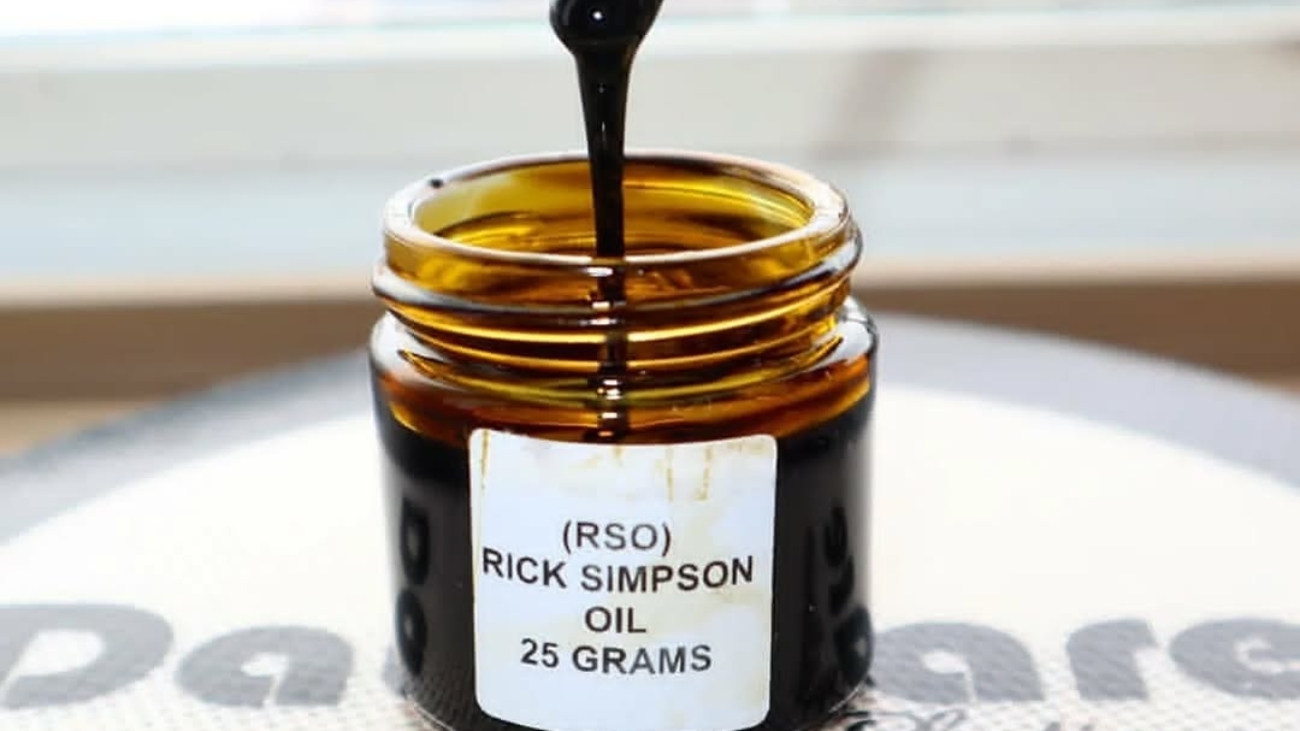
Unlike many conventional cannabis products, RSO is generally characterized by its thick consistency, dark appearance, and high cannabinoid concentration.

Depending on the cannabis variety and extraction process, RSO may contain several naturally occurring compounds, including:

  • THC (tetrahydrocannabinol): The primary psychoactive cannabinoid in many cannabis varieties.
  • CBD (cannabidiol): A non-intoxicating cannabinoid that has attracted scientific interest.
  • Minor cannabinoids: Compounds such as CBG and CBC.
  • Terpenes: Aromatic plant compounds that contribute to cannabis’s distinctive smell and chemical profile.

The composition of RSO can vary considerably between products. Therefore, not every preparation has the same cannabinoid concentration or chemical characteristics.

RSO is often discussed in alternative cancer treatment communities. However, it is important to understand that no reliable clinical evidence currently establishes RSO as an effective cancer treatment or demonstrates that it can consistently shrink human tumors.

Understanding RSO and Tumor Regression

Tumor regression refers to a reduction in the size, extent, or activity of a tumor.

It can occur when cancer cells respond to an effective treatment, although the mechanisms and outcomes vary depending on the cancer type and treatment approach.

The interest in RSO and tumor regression largely comes from laboratory studies investigating how cannabinoids interact with cancer cells.

Some experimental studies have reported that particular cannabinoids can influence biological processes associated with cancer development.

These processes include:

  • Cell proliferation.
  • Programmed cell death, also known as apoptosis.
  • Cellular signaling pathways.
  • Inflammation.
  • Angiogenesis, the formation of new blood vessels.
  • Cancer cell migration and invasion.

These findings have encouraged further investigation into cannabinoids as potential subjects for cancer research.

However, there is an important distinction: observing changes in isolated cancer cells in a laboratory does not establish that consuming RSO will produce the same effects inside the human body.

Researchers still need substantial clinical evidence to determine whether these findings translate into meaningful improvements for cancer patients.

What Does Scientific Research Say About Cannabis and Cancer Cells?

Cannabis contains several compounds that interact with the body’s endocannabinoid system.

This system consists of receptors, naturally produced signaling molecules, and enzymes involved in regulating different physiological processes.

Two receptors frequently discussed in cannabinoid research are CB1 and CB2.

Some cancer cells express cannabinoid receptors, leading researchers to investigate whether cannabinoid compounds can influence cellular activity.

1. Cannabinoids and Apoptosis

Apoptosis is a natural process through which damaged or unnecessary cells undergo programmed death.

Certain laboratory experiments have found that cannabinoids, including THC and CBD, can trigger apoptosis-related pathways in some cancer cell models.

This has generated interest in whether cannabinoids could eventually contribute to new cancer treatment strategies.

Nevertheless, laboratory findings cannot establish that RSO causes cancer cells to undergo apoptosis in human patients.

2. Cannabinoids and Cancer Cell Growth

Another area of investigation involves cell proliferation.

Cancer develops when abnormal cells multiply uncontrollably. Researchers are therefore interested in compounds that may influence the signaling pathways responsible for cellular growth.

Some preclinical studies have reported reduced proliferation in particular cancer cell models following exposure to cannabinoids.

The results vary depending on the cannabinoid, concentration, cancer type, and experimental conditions.

This is why researchers cannot assume that every cannabis extract will have the same biological effects.

3. Cannabinoids and Tumor Blood Supply

Tumors depend on blood vessels to receive oxygen and nutrients.

The process through which new blood vessels develop is called angiogenesis.

Some experimental research has investigated whether cannabinoids influence angiogenesis-related pathways.

Although these findings are scientifically interesting, there is not enough human clinical evidence to establish that RSO can prevent tumor blood vessel formation or cause tumors to shrink through this mechanism.

Can RSO Shrink Tumors in Humans?

This is one of the most frequently asked questions surrounding RSO and tumor regression.

The honest answer is that RSO has not been proven to shrink tumors in humans through reliable clinical trials.

Some individuals share personal stories describing improvements after using cannabis oil. These experiences can be meaningful to the people involved, but personal testimonials cannot establish that RSO caused a tumor to shrink.

Several factors must be considered when interpreting reports of tumor regression:

  • Whether the individual was also receiving chemotherapy, radiation, surgery, immunotherapy, or targeted treatment.
  • Whether tumor measurements were confirmed through medical imaging.
  • Whether the cancer type and stage were documented.
  • Whether other treatments could explain the observed improvement.
  • Whether the reported outcome was independently verified.

Without this information, it is difficult to determine the actual contribution of RSO.

A tumor becoming smaller during a period when someone uses cannabis oil does not necessarily mean that the oil caused the improvement.

More well-designed clinical research is needed before RSO can be considered a cancer treatment.

RSO and Cancer Symptoms: Where Is the Stronger Evidence?

Although RSO is not an established cancer treatment, cannabis-based medicines have been investigated for certain symptoms associated with cancer and its treatment.

This is an important distinction because symptom management and treating the underlying cancer are two different medical goals.

Nausea and Vomiting

Some cannabinoid-based medicines have demonstrated benefits for chemotherapy-induced nausea and vomiting, particularly when conventional anti-nausea medications have not provided sufficient relief.

However, these findings relate to specific cannabinoid medicines and formulations. They should not automatically be applied to every RSO product.

Pain Management

Cannabinoids have also been investigated for their potential role in managing different types of pain.

Results vary, and cannabis-based products are not appropriate or effective for everyone.

Patients experiencing cancer-related pain should discuss suitable options with their oncology and pain-management teams.

Appetite and Weight Management

Cancer and certain cancer treatments can contribute to appetite loss, nausea, and unwanted weight changes.

THC-containing medicines may help some patients with appetite-related symptoms.

Nevertheless, evidence supporting appetite improvement does not demonstrate that RSO reduces tumors or treats the underlying disease.

Sleep and Relaxation

Some people report using cannabis products to help manage sleep difficulties and relaxation.

However, effects vary according to the product, cannabinoid composition, dose, and individual response.

Potential side effects, including dizziness, anxiety, impaired concentration, and daytime drowsiness, should also be considered.

RSO vs. Conventional Cancer Treatments

Understanding the differences between RSO and established cancer treatments is essential.

Conventional cancer treatments are selected according to factors such as cancer type, stage, molecular characteristics, and the patient’s overall health.

Common approaches include:

TreatmentMain Purpose
SurgeryRemove cancerous tissue when appropriate
ChemotherapyDestroy or control rapidly dividing cancer cells
Radiation therapyDamage cancer cells using targeted radiation
ImmunotherapyHelp the immune system recognize and attack cancer
Targeted therapyAct on specific molecular changes involved in cancer
Hormone therapyBlock or reduce hormones that support certain cancers
Cannabis-based medicinesInvestigated or used for selected symptoms, not established tumor treatment

RSO should not replace surgery, chemotherapy, radiation, immunotherapy, or other prescribed cancer treatments.

Stopping or delaying proven treatment in favor of an unproven alternative can allow cancer to progress and potentially reduce treatment options.

Patients interested in cannabis-derived products should discuss their use with their oncology team before starting.

Potential Risks and Safety Considerations of RSO

Natural does not automatically mean safe.

RSO is a concentrated cannabis preparation, and products can differ significantly in potency, purity, and cannabinoid content.

There are several important considerations.

1. Psychoactive Effects

THC can cause intoxication and may produce:

  • Dizziness.
  • Confusion.
  • Anxiety or panic.
  • Changes in perception.
  • Impaired coordination.
  • Increased heart rate.
  • Drowsiness.

These effects may be particularly concerning for people already experiencing weakness or other treatment-related symptoms.

2. Drug Interactions

Cannabinoids can interact with certain prescription medications by influencing how the body processes them.

This may be especially important for patients receiving complex cancer treatment.

Potential interactions should be reviewed by a qualified healthcare professional or pharmacist.

3. Product Quality and Purity

Not all cannabis oils are manufactured under the same quality standards.

Unregulated products may contain inconsistent cannabinoid concentrations, contaminants, or residual solvents.

Patients should be cautious about products without reliable independent laboratory testing.

4. Delaying Medical Treatment

One of the biggest risks associated with unsupported cancer-treatment claims is delaying appropriate medical care.

A patient who relies exclusively on RSO while avoiding recommended cancer treatment may lose valuable time.

RSO should never be presented as a guaranteed cancer cure or a substitute for evidence-based oncology care.

What Does the Future Hold for RSO and Tumor Regression Research?

Scientific interest in cannabinoids continues to grow.

Researchers are investigating how different cannabis compounds interact with cellular receptors, inflammation pathways, and biological processes involved in cancer development.

Future studies may help answer important questions, including:

  1. Which cannabinoids have the most promising biological effects?
  2. Do different cancer types respond differently to cannabinoid exposure?
  3. Can cannabinoids safely complement established cancer treatments?
  4. What concentrations are appropriate for clinical investigation?
  5. Which patients, if any, could benefit from cannabinoid-based supportive care?

However, these questions require carefully designed clinical trials.

Future research must also examine treatment safety, interactions, long-term outcomes, and whether any observed effects translate into meaningful benefits for patients.

The relationship between RSO and tumor regression remains an area of interest rather than an established medical treatment.

How to Approach RSO Research Responsibly

If you are researching RSO because of a personal cancer diagnosis or a loved one’s condition, it is important to approach available information carefully.

Consider these practical steps:

  • Understand the evidence: Distinguish laboratory research from clinical trials involving human patients.
  • Avoid cure promises: Be cautious of anyone guaranteeing tumor disappearance or complete cancer recovery.
  • Speak with an oncologist: Discuss cannabis products before combining them with prescribed medication.
  • Check product quality: Look for reliable cannabinoid information and independent testing.
  • Continue appropriate treatment: Never replace or postpone prescribed cancer care because of online testimonials.
  • Evaluate outcomes medically: Tumor regression must be assessed through appropriate clinical examinations and imaging.

Making informed decisions is especially important when dealing with a serious condition such as cancer.

Frequently Asked Questions About RSO and Tumor Regression

1. Can RSO cause tumor regression?

There is currently insufficient clinical evidence to demonstrate that RSO causes tumor regression in humans. Some cannabinoids have produced interesting results in laboratory studies, but these findings do not establish RSO as an effective cancer treatment.

2. Does THC kill cancer cells?

Certain laboratory studies have found that THC can influence cancer cell activity and apoptosis in specific experimental models. However, this does not prove that THC or THC-rich RSO kills cancer cells in people.

3. Is RSO the same as CBD oil?

No. RSO generally refers to a concentrated cannabis extract that may contain substantial amounts of THC and other cannabinoids. CBD oil typically focuses on cannabidiol and may contain little or no THC, depending on the formulation.

4. Can RSO be used alongside chemotherapy?

Potentially important interactions exist between cannabinoids and certain medications. Anyone considering cannabis products during chemotherapy should first consult their oncologist and pharmacist.

5. Is RSO approved as a cancer treatment?

RSO is not an established or approved cancer treatment. Some cannabinoid-based medicines have specific medical uses in certain jurisdictions, but their approval does not mean that RSO is approved to treat cancer or shrink tumors.

6. What is the difference between tumor regression and cancer remission?

Tumor regression describes a reduction in tumor size or extent. Remission refers to a reduction or disappearance of signs and symptoms of cancer. Complete remission means no detectable evidence of cancer, although it does not always mean the disease has been permanently cured.

7. Why are researchers interested in cannabinoids and cancer?

Researchers are investigating cannabinoid interactions with cellular receptors, apoptosis, inflammation, and other biological pathways. These studies may help identify future research opportunities, but more clinical evidence is necessary.

Final Thoughts: Understanding RSO and Tumor Regression

The connection between RSO and tumor regression is an interesting subject that deserves careful scientific investigation.

Preclinical research suggests that certain cannabinoids can influence biological processes associated with cancer cells. These findings help explain why cannabis compounds have attracted attention in cancer research.

However, laboratory results and personal testimonials are not enough to establish that RSO can shrink tumors or cure cancer in humans.

For now, the most responsible approach is to distinguish potential supportive uses of cannabis-based medicines from proven cancer treatments.

Anyone considering RSO during cancer care should speak with a qualified healthcare professional, understand the possible risks, and continue evidence-based treatment.

Knowledge, responsible decisions, and professional medical guidance should always come first.

Explore More About RSO

Interested in learning more about RSO, cannabis extracts, and related products?

Visit RSO Healing Hub to explore additional educational information and browse available products. Remember that cannabis products are not proven cancer treatments and should not be purchased or used as substitutes for medical care.

SHOP RSO PRODUCTS

For additional information and broader discussions about psychedelic and cannabis-related topics, you can also visit:

Explore Psychedelics World

Join the Conversation: What interests you most about cannabinoid research and its potential role in future medical developments? Share your thoughts and questions in the comments.
RSO and Cancer Prevention

RSO and Cancer Prevention: Understanding the Science and Research

RSO and Cancer Prevention: Understanding the Science, Research and Potential Benefits

Cancer prevention is an important subject in modern healthcare. Researchers continue exploring different compounds, lifestyle factors, and approaches that may help reduce cancer risks. Among the subjects attracting attention is cannabis and its naturally occurring compounds, particularly cannabinoids such as THC and CBD.

One product frequently mentioned in discussions about cannabis and cancer is Rick Simpson Oil (RSO), a concentrated cannabis extract associated with Canadian cannabis activist Rick Simpson.

But what is the connection between RSO and cancer prevention? Can RSO help protect against cancer, and what does scientific research actually say?

These questions have attracted considerable interest, especially as more people become curious about cannabis extracts and their potential applications.

Explore RSO Healing Hub

Discover more about RSO, cannabis extracts, and educational information.

🛒 SHOP RSO HEALING HUB

In this article, we explore the relationship between RSO and cancer prevention, the science behind cannabinoids, early laboratory research, the difference between cancer prevention and cancer treatment, and the important safety considerations everyone should understand.

Importantly, current scientific evidence does not establish that RSO prevents cancer or reduces a person’s risk of developing the disease.

What Is RSO?

RSO stands for Rick Simpson Oil. It is a concentrated cannabis extract named after Rick Simpson, who became widely recognised for sharing his personal experiences with cannabis oil.

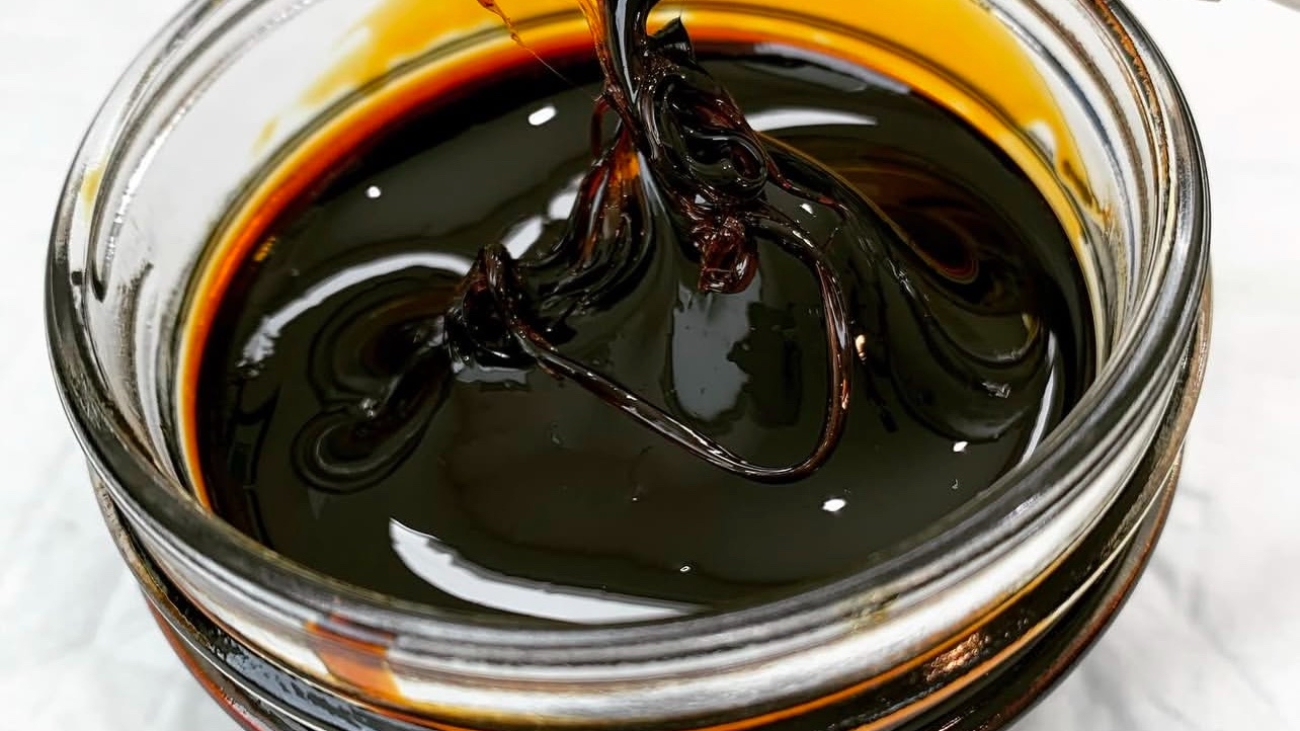
Traditional RSO is generally associated with a dark, thick consistency and a concentrated cannabinoid profile. Many traditional preparations are THC-rich, although the composition of products marketed as RSO can vary.

Cannabis contains numerous naturally occurring chemical compounds, including:

  • THC (Tetrahydrocannabinol): A cannabinoid associated with the intoxicating effects of cannabis.
  • CBD (Cannabidiol): A non-intoxicating cannabinoid that has attracted scientific interest.
  • CBG (Cannabigerol): A cannabinoid being investigated for various biological properties.
  • CBN (Cannabinol): A cannabinoid that can develop as THC undergoes chemical changes.
  • Terpenes: Aromatic compounds that contribute to the distinctive smells and flavours of cannabis.

These compounds have different properties and may interact with the human body in different ways.

Interest in these compounds has encouraged researchers to investigate their possible biological effects, including their interactions with cancer-related cellular processes.

However, research involving individual cannabinoids should not automatically be interpreted as evidence that whole-plant RSO prevents cancer.

Understanding RSO and Cancer Prevention

Cancer prevention refers to actions, interventions, and strategies intended to reduce the likelihood of developing cancer.

These approaches can include avoiding tobacco, limiting exposure to known carcinogens, maintaining a healthy lifestyle, receiving recommended vaccinations, and participating in appropriate cancer screening programmes.

RSO has attracted attention in cancer-related discussions because some cannabinoids have demonstrated interesting biological effects in laboratory experiments.

Researchers have investigated how certain cannabis compounds interact with cells, signalling pathways, inflammation, and processes associated with tumour development.

These investigations have raised scientific questions about whether cannabinoids could eventually contribute to certain areas of cancer research.

However, there is currently no reliable clinical evidence demonstrating that RSO prevents cancer in humans.

This distinction is particularly important because a substance showing an effect on isolated cells does not necessarily produce the same result inside the human body.

Why Are Scientists Studying Cannabis and Cancer?

Cannabis contains hundreds of biologically active compounds, and researchers have spent decades investigating their effects.

Two particularly well-studied cannabinoids are THC and CBD.

These compounds interact with different biological systems, including the endocannabinoid system.

The endocannabinoid system is a network of receptors, naturally occurring molecules, and enzymes involved in regulating several physiological processes.

These include:

  • Pain signalling.
  • Appetite and metabolism.
  • Mood and emotional responses.
  • Inflammatory processes.
  • Certain aspects of immune system activity.

Because these processes are relevant to general health, researchers have become interested in understanding how cannabinoids influence them.

Some laboratory investigations have also examined whether cannabinoids affect cellular processes associated with cancer development.

These include cell growth, programmed cell death, and interactions between cells and their surrounding environments.

Although these findings are scientifically interesting, they remain an area of ongoing investigation.

They do not establish that consuming RSO can prevent cancer.

What Does Research Say About RSO and Cancer Prevention?

One of the most important questions surrounding RSO is whether scientific research supports its use for preventing cancer.

At present, the answer is that there is insufficient human clinical evidence to support this claim.

Research involving cannabinoids and cancer generally falls into three broad categories.

1. Laboratory Research

Laboratory research allows scientists to investigate how particular compounds interact with cells under controlled conditions.

Some experiments involving THC, CBD, and other cannabinoids have reported changes in cancer-cell growth, cell signalling, and programmed cell death.

These findings have encouraged further investigation into the biological properties of cannabinoids.

However, laboratory experiments do not demonstrate that RSO prevents cancer in people.

Concentrations used in laboratory studies may differ substantially from concentrations achievable in human tissues.

2. Animal Studies

Researchers also use animal models to investigate how cannabinoids interact with biological systems.

Some animal studies have reported effects involving tumour development and growth.

These findings can help researchers identify potential areas for further investigation.

Nevertheless, animal results cannot automatically be applied to humans.

Differences in metabolism, biology, cannabinoid exposure, and disease development mean that additional research is necessary before conclusions about human health can be made.

3. Human Clinical Research

Human clinical studies are essential for determining whether a particular substance is safe and effective.

For RSO and cancer prevention, there is currently no established body of clinical evidence demonstrating that the extract reduces cancer risk.

Consequently, RSO should not be promoted as a proven cancer-prevention product.

Can Cannabinoids Affect Cancer Cells?

This is one of the most interesting areas of cannabis research.

Scientists have investigated how cannabinoids interact with cancer cells in laboratory environments.

Some experiments suggest that particular cannabinoids may influence biological processes such as:

Cell proliferation: Researchers have examined whether certain cannabinoids influence how quickly particular cancer cells multiply.

Apoptosis: Apoptosis is the process of programmed cell death. Some laboratory investigations have explored cannabinoid interactions with pathways involved in this process.

Cell signalling: Cannabinoids can interact with biological signalling systems that influence different cellular activities.

Inflammatory responses: Researchers have investigated how cannabinoids affect inflammatory signalling and related biological processes.

These findings help explain why cannabinoids continue to attract scientific interest.

However, it is essential to recognise that cancer is a complex group of diseases.

Different cancers have different biological characteristics, and a compound that produces an effect in one laboratory model may not have the same effect in another.

Furthermore, laboratory findings do not establish that RSO can prevent cancer or safely influence tumour development in humans.

RSO, THC and CBD: Understanding the Differences

Discussions about RSO and cancer prevention often involve THC and CBD.

Although both are cannabinoids, they have different properties.

THC and Cancer Research

THC is one of the primary psychoactive compounds found in cannabis.

Researchers have investigated its interactions with cannabinoid receptors and different cellular processes.

Some laboratory studies have reported effects on cancer-cell activity.

Nevertheless, these findings do not demonstrate that THC prevents cancer in humans.

THC can also cause unwanted effects, including anxiety, dizziness, impaired concentration, and changes in heart rate.

CBD and Cancer Research

CBD is another well-known cannabinoid.

Unlike THC, CBD does not typically produce the same intoxicating effects.

Scientists have investigated CBD in relation to inflammation, cellular signalling, and other biological processes.

Some laboratory research has explored its interactions with cancer cells.

However, there is no established clinical evidence that CBD prevents cancer.

CBD can also interact with certain medicines by influencing the enzymes responsible for metabolising drugs.

This is particularly important for people receiving cancer treatment.

Why the Difference Matters

RSO is generally associated with concentrated cannabis extracts, often containing substantial amounts of THC.

CBD products, meanwhile, may have very different cannabinoid compositions.

Research involving purified THC or CBD cannot automatically be used to establish the safety or effectiveness of an RSO product.

Understanding the specific cannabinoid profile of a product is therefore important.

RSO and Cancer Prevention Versus Cancer Treatment

Another important distinction is the difference between preventing cancer and treating an existing cancer.

Cancer prevention focuses on reducing the likelihood of developing the disease.

Cancer treatment focuses on managing or eliminating cancer after it has developed.

These are separate medical objectives and require different types of evidence.

Some people discuss RSO in relation to both subjects, but neither cancer prevention nor cancer treatment has been established as a proven application of RSO.

Some cannabinoid medicines may help manage particular cancer-related symptoms, such as chemotherapy-related nausea and vomiting.

However, symptom management is not the same as preventing or curing cancer.

People diagnosed with cancer should never replace or delay recommended medical treatment because of claims about RSO.

Potential Risks and Safety Considerations

Although RSO is often discussed in alternative wellness communities, concentrated cannabis extracts can have significant side effects.

Products with high THC concentrations may produce strong psychoactive effects.

Potential adverse effects include:

  • Dizziness and confusion.
  • Anxiety and panic.
  • Drowsiness.
  • Impaired concentration.
  • Changes in heart rate.
  • Unwanted psychological effects.
  • Interactions with prescription medicines.

Product quality is another important consideration.

Unregulated cannabis extracts may contain unwanted contaminants, including residual solvents, pesticides, and heavy metals.

There may also be considerable differences between the cannabinoid concentrations stated on product labels and the actual concentrations.

For people receiving cancer treatment, potential interactions are particularly important.

Cannabinoids may affect how the body processes certain medicines, potentially changing medication exposure or treatment-related risks.

Anyone considering a cannabis-derived product should discuss it with their healthcare professional, especially when taking prescription medication.

What Are the Established Ways to Reduce Cancer Risk?

While researchers continue investigating cannabinoids, several cancer-risk reduction strategies have stronger scientific support.

1. Avoid Tobacco

Tobacco is a major preventable cause of cancer.

Avoiding cigarettes and other tobacco products can significantly reduce the risk of several cancers, including lung, mouth, throat, and bladder cancer.

2. Maintain a Healthy Lifestyle

A balanced diet, regular physical activity, and maintaining a healthy body weight can contribute to reducing the risk of certain cancers.

A healthy lifestyle is not a guarantee against cancer, but it can support overall health.

3. Limit Alcohol Consumption

Alcohol consumption is associated with increased risks of several cancers.

Reducing consumption or avoiding alcohol can help lower exposure to this established risk factor.

4. Protect Your Skin

Excessive ultraviolet radiation exposure increases the risk of skin cancer.

Protective measures include:

  • Using appropriate sun protection.
  • Wearing protective clothing.
  • Seeking shade during intense sunlight.
  • Avoiding indoor tanning devices.

5. Follow Recommended Screening Programmes

Cancer screening can help identify certain cancers or precancerous changes before symptoms develop.

Appropriate screening depends on factors such as age, personal medical history, and family history.

People should discuss suitable screening schedules with qualified healthcare professionals.

6. Stay Up to Date With Recommended Vaccinations

Certain infections are associated with increased cancer risks.

For example, human papillomavirus (HPV) is associated with several cancers, while chronic hepatitis B infection can increase the risk of liver cancer.

Recommended vaccinations can help prevent infections associated with certain cancers.

These established prevention strategies are much better supported by scientific evidence than claims that RSO prevents cancer.

Why Is More RSO Research Needed?

Despite increasing interest in cannabis-derived compounds, many important scientific questions remain unanswered.

More research is needed to understand:

  • How individual cannabinoids interact with different cancer-related biological processes.
  • Whether laboratory findings can be reproduced in humans.
  • How different cannabinoid concentrations influence biological activity.
  • What long-term safety considerations may exist.
  • How cannabinoids interact with conventional medicines.
  • Whether any particular cannabinoid-based intervention has a meaningful role in specific medical settings.

Research should also distinguish between individual cannabinoids, standardised cannabis medicines, and concentrated whole-plant extracts such as RSO.

These products are not interchangeable.

Carefully designed clinical trials are necessary before claims about cancer prevention can be supported.

The Importance of Responsible Cannabis Education

The growing interest in RSO demonstrates why accurate cannabis education matters.

People researching cannabis extracts deserve clear information about their origins, composition, potential risks, and the scientific evidence surrounding them.

Unfortunately, online discussions sometimes present early laboratory findings as proof that cannabis oil can prevent or cure cancer.

This can create unrealistic expectations and potentially put vulnerable people at risk.

Responsible education means explaining both what researchers have discovered and what remains unknown.

It also means recognising that natural substances can still have powerful effects and potential risks.

For anyone interested in learning more about RSO, understanding the science is an important first step.

Frequently Asked Questions About RSO and Cancer Prevention

1. Can RSO prevent cancer?

There is currently no reliable clinical evidence demonstrating that RSO prevents cancer or reduces the risk of developing the disease. More human research is needed.

2. Does Rick Simpson Oil kill cancer cells?

Some laboratory studies have investigated cannabinoid effects on cancer cells. However, these findings do not prove that RSO kills cancer cells in humans or treats cancer effectively.

3. What does science say about THC and cancer prevention?

THC has been investigated in laboratory and animal studies involving cancer-related processes. However, there is insufficient clinical evidence to establish that THC prevents cancer in humans.

4. Is CBD better than THC for cancer prevention?

Neither CBD nor THC has been established as a proven cancer-prevention substance. Both have different biological properties and are being investigated for different potential applications.

5. Can RSO replace conventional cancer treatment?

No. RSO is not an established cancer treatment and should never replace surgery, chemotherapy, radiotherapy, immunotherapy, or other recommended medical care.

6. Why are researchers interested in cannabinoids?

Researchers are interested in how cannabinoids interact with biological systems, including the endocannabinoid system, cellular signalling, and inflammatory processes.

Some laboratory findings have encouraged further investigation.

7. Is RSO safe for everyone?

No. Concentrated cannabis extracts can cause side effects, and cannabinoids may interact with prescription medicines. Their legal status and product quality also vary.

8. Is there a difference between cancer prevention and cancer symptom management?

Yes. Cancer prevention aims to reduce the likelihood of developing cancer, while symptom management focuses on improving comfort and quality of life for people living with cancer or undergoing treatment.

Evidence that certain cannabinoid medicines may help with particular symptoms does not establish that RSO prevents cancer.

Final Thoughts: Understanding RSO and Cancer Prevention

The relationship between RSO and cancer prevention remains an area of interest, but it is important to separate scientific curiosity from proven medical benefits.

Cannabinoids such as THC and CBD have demonstrated interesting biological effects in laboratory research, encouraging scientists to investigate their possible applications.

However, these early findings do not establish that Rick Simpson Oil prevents cancer or reduces cancer risk in humans.

For now, established cancer-prevention strategies remain the most reliable approach. Avoiding tobacco, maintaining a healthy lifestyle, following recommended screening programmes, protecting the skin, and receiving appropriate vaccinations are all important considerations.

As cannabis research develops, further studies may provide a better understanding of cannabinoids and their potential applications.

Until then, informed decisions should be based on reliable evidence, professional medical guidance, and an understanding of the limitations of current research.

Explore RSO Healing Hub Today

Interested in learning more about Rick Simpson Oil, cannabis extracts, and cannabis education?

Visit RSO Healing Hub to explore our website and discover more educational information about RSO.

🛒 SHOP RSO HEALING HUB – VISIT OUR WEBSITE

You can also explore Psychedelics World for additional educational content about cannabis and the wider world of psychedelics.

Medical disclaimer: This article is intended for educational and informational purposes only. RSO has not been proven to prevent or cure cancer. It is not medical advice and should not replace professional healthcare guidance, cancer screening, or established cancer-prevention and treatment strategies.

What Is RSO? Understanding Rick Simpson Oil and Its Origins

What Is RSO? Understanding Rick Simpson Oil and Its Origins

What Is RSO? Understanding Rick Simpson Oil and Its Origins

Cannabis extracts have become an increasingly discussed subject in conversations about cannabis history, alternative wellness, and plant-based products. Among the different extracts available, one name that frequently attracts attention is Rick Simpson Oil (RSO).

But what is RSO, where did it come from, and why has it become such a recognisable name within cannabis culture?

Rick Simpson Oil is a concentrated cannabis extract associated with a Canadian medical cannabis activist named Rick Simpson. Its history is closely connected to his personal experiences, his advocacy for cannabis, and his efforts to raise awareness about the potential therapeutic applications of the cannabis plant.

Over the years, RSO has developed a distinct identity, attracting interest from cannabis enthusiasts, researchers, and people seeking to understand different types of cannabis extracts.

In this guide, we explore what RSO is, its origins, the story behind its name, how it differs from other cannabis products, and the important considerations surrounding its use.

What Is RSO?

RSO stands for Rick Simpson Oil. It is a concentrated cannabis extract named after Rick Simpson, who became widely known for promoting cannabis oil as an alternative wellness product.

Unlike ordinary cannabis flower, which consists of the dried flowers of the cannabis plant, RSO is a concentrated extract. It is generally characterised by its thick consistency, dark colour, and concentrated cannabinoid content.

Cannabinoids are naturally occurring chemical compounds found in cannabis. Two of the best-known cannabinoids are:

  • THC (Tetrahydrocannabinol): A cannabinoid primarily associated with the intoxicating effects of cannabis.
  • CBD (Cannabidiol): A non-intoxicating cannabinoid that has attracted considerable scientific interest.

Traditional RSO is commonly associated with THC-rich cannabis extracts, although products sold under the RSO name can differ in cannabinoid composition.

It is important to understand that RSO is not a single standardised pharmaceutical formulation. Its composition, concentration, purity, and quality can vary depending on the source material and manufacturing standards.

This variation is one reason why understanding a product’s ingredients and laboratory testing information is important.

The Origins of Rick Simpson Oil

To understand what RSO is, it helps to explore the person behind its name.

Rick Simpson is a Canadian individual who became associated with cannabis activism after describing his personal experiences with cannabis oil.

The story of RSO is generally traced back to the early 2000s, particularly around 2003.

During this period, Simpson experienced health difficulties and became interested in investigating cannabis and its potential applications. He subsequently became an advocate for cannabis oil and shared his personal beliefs about its possible benefits.

His story attracted attention because he publicly discussed using cannabis oil in connection with his own health experiences.

Simpson later encouraged other people to learn about cannabis extracts and challenged the negative attitudes surrounding cannabis.

These activities helped introduce his name to a wider audience and contributed to the popularity of the term Rick Simpson Oil.

However, it is important to distinguish personal accounts from established medical evidence. Although Simpson’s experiences became an important part of RSO’s history, they do not establish that RSO can cure cancer or other serious illnesses.

Who Was Rick Simpson?

Rick Simpson is best known as a cannabis activist and the individual associated with the creation and popularisation of Rick Simpson Oil.

His interest in cannabis reportedly developed following personal health experiences that led him to question existing attitudes towards the plant.

At the time, cannabis was still heavily restricted in many parts of the world, and discussions about its potential medical applications were often controversial.

Simpson became particularly vocal about his belief that cannabis extracts deserved greater attention.

Rather than keeping his experiences private, he shared his story and encouraged people to explore information about cannabis oil.

His advocacy contributed to wider public discussions about:

  • The history of medicinal cannabis.
  • The difference between cannabis flower and concentrated extracts.
  • The chemical compounds found in cannabis.
  • The relationship between cannabis and medical research.
  • Access to cannabis-based products.

Whether people agree with his views or not, his name has become closely associated with one of the most recognised cannabis extracts.

How Did RSO Become Popular?

RSO gained recognition largely through word of mouth, cannabis advocacy, online communities, and growing public interest in cannabis-based products.

Initially, much of the attention surrounding Rick Simpson Oil came from personal stories shared by people interested in alternative approaches to wellness.

As internet access expanded, information about RSO became easier to find.

Online discussions helped introduce the extract to audiences outside Canada, while cannabis education communities contributed to its growing recognition.

Several developments helped increase public awareness:

1. Growing interest in medicinal cannabis

As conversations about medical cannabis expanded, more people became interested in understanding different cannabis extracts and their chemical compositions.

2. Increased access to online information

Websites, forums, and cannabis education platforms made information about RSO more accessible to international audiences.

3. Public discussions about cannabinoids

Scientific interest in THC, CBD, and other cannabinoids encouraged people to learn more about cannabis-derived products.

4. Changing attitudes towards cannabis

In several countries, changing cannabis laws and discussions about medical cannabis helped bring cannabis extracts into mainstream conversations.

Together, these developments helped RSO become a recognised term in cannabis culture.

What Makes RSO Different From Other Cannabis Oils?

One of the most common questions people ask is how RSO differs from other cannabis oils.

Although these products may come from the same plant, they are not necessarily identical.

Different cannabis extracts can have different cannabinoid profiles, textures, concentrations, and production standards.

Here are some important distinctions.

RSO

Traditional Rick Simpson Oil is generally associated with a thick, dark, concentrated cannabis extract.

It is commonly described as a THC-rich product, although the actual cannabinoid content varies.

CBD Oil

CBD oil is a cannabis-derived or hemp-derived product formulated around cannabidiol.

Unlike traditional THC-rich RSO, CBD oil is generally designed to contain little or no THC, depending on the product and applicable regulations.

Cannabis Tinctures

Cannabis tinctures are liquid preparations that may contain different cannabinoids.

They are commonly formulated using carrier liquids or other suitable preparation methods.

Their cannabinoid concentrations and compositions vary between products.

Cannabis Distillates

Cannabis distillates are highly refined extracts designed to concentrate particular cannabinoids.

They may have a different appearance, consistency, and cannabinoid profile compared with traditional RSO.

The important point is that the term cannabis oil covers many different products. Understanding their composition is more useful than assuming that all cannabis extracts are interchangeable.

What Is RSO Made From?

RSO originates from the cannabis plant, which naturally contains cannabinoids, terpenes, and other plant compounds.

The chemical composition of a particular extract depends on several factors, including the cannabis variety, the plant material used, and the extraction and purification standards.

Some of the compounds associated with cannabis extracts include:

  • THC: A cannabinoid associated with psychoactive effects.
  • CBD: A non-intoxicating cannabinoid.
  • CBN: A cannabinoid that can occur in cannabis as THC undergoes chemical changes.
  • CBG: A cannabinoid that is the subject of ongoing scientific investigation.
  • Terpenes: Aromatic compounds responsible for many of cannabis’s distinctive smells and flavours.

Not every RSO product contains the same quantities of these compounds.

Some extracts may have a broader cannabinoid profile, while others may be more concentrated in particular cannabinoids.

For this reason, laboratory analysis is important when assessing the composition and quality of a cannabis extract.

Why Has RSO Attracted So Much Attention?

RSO has attracted attention for several reasons, particularly its connection to cannabis activism and discussions about medicinal cannabis.

Its popularity is also connected to broader interest in cannabinoids and the endocannabinoid system.

The endocannabinoid system is a biological signalling system involved in several physiological processes, including pain signalling, appetite, mood, and immune regulation.

Cannabinoids interact with this system in different ways, which is one reason researchers continue investigating cannabis-derived compounds.

However, there is an important distinction between scientific interest in cannabinoids and evidence supporting a particular cannabis product.

Research into individual cannabinoids does not automatically establish the safety or effectiveness of RSO.

Similarly, personal testimonials should not be treated as proof that a product can prevent, treat, or cure a medical condition.

Anyone considering cannabis-based products for a health concern should discuss the matter with a qualified healthcare professional.

RSO and Cancer: Understanding the Claims

One of the most widely discussed aspects of RSO history is its association with cancer-related claims.

Rick Simpson became known partly because he publicly shared his belief that cannabis oil could help people dealing with serious illnesses.

These claims contributed significantly to the attention surrounding RSO.

However, it is essential to approach this subject carefully.

Laboratory studies have investigated how certain cannabinoids interact with cancer cells. Some findings have generated scientific interest, but laboratory results do not establish that cannabis oil cures cancer in humans.

At present, there is insufficient reliable clinical evidence to conclude that RSO cures cancer or can replace established cancer treatments.

People living with cancer should never delay or discontinue recommended medical treatment because of claims made about cannabis oil.

Cannabis products can also cause side effects and interact with prescription medicines.

Understanding the difference between personal experiences, laboratory research, and properly conducted clinical trials is essential when evaluating claims about RSO.

Is RSO the Same as Medical Cannabis?

No. Although RSO is associated with cannabis and is sometimes discussed in the context of medicinal cannabis, the two terms do not mean the same thing.

Medical cannabis is a broader category covering cannabis-based products used within regulated healthcare settings, where permitted.

These products can contain different cannabinoid combinations and are subject to varying regulatory and quality requirements.

RSO, on the other hand, describes a particular type of cannabis extract associated with Rick Simpson.

Not every product marketed as RSO has undergone pharmaceutical-grade testing or received regulatory approval for medical use.

This distinction matters because a product’s name alone does not establish its safety, quality, or medical suitability.

Important Safety Considerations About RSO

Although RSO has a long history within cannabis culture, concentrated cannabis extracts should not be considered risk-free.

Products associated with high THC concentrations can produce significant psychoactive effects.

Potential adverse effects can include:

  • Dizziness and confusion.
  • Anxiety or panic.
  • Impaired concentration and coordination.
  • Changes in heart rate.
  • Drowsiness.
  • Unwanted psychological effects.

There are also concerns about product contamination, inconsistent cannabinoid concentrations, and interactions with certain medicines.

Unregulated products may contain residual solvents, pesticides, heavy metals, or other unwanted substances.

Anyone researching RSO should consider the following:

  1. Check whether a product has independent laboratory testing.
  2. Look for clear information about cannabinoid concentrations.
  3. Understand the legal status of cannabis products in your location.
  4. Avoid relying on testimonials as proof of medical effectiveness.
  5. Consult a qualified healthcare professional before considering cannabis products for a medical condition.

Pregnant or breastfeeding individuals and people with certain medical or psychiatric conditions should be particularly cautious about cannabis exposure.

Education and product transparency are important parts of making informed decisions.

The Legal Status of RSO Around the World

The legal status of Rick Simpson Oil depends on the country and sometimes the specific region.

Because RSO is generally associated with cannabis extracts, its legal classification is often influenced by THC concentration and the regulations governing cannabis-derived products.

Some countries permit certain cannabis-based medicines under controlled medical frameworks.

Others maintain strict restrictions on cannabis extracts, particularly products containing THC.

Even where medical cannabis is permitted, that does not necessarily mean every product marketed as RSO is legal.

Before purchasing, possessing, or using any cannabis-derived product, it is important to understand the applicable laws in your location.

International shipping and cross-border possession may also be subject to additional restrictions.

The Continuing Interest in RSO

More than two decades after its emergence, RSO remains a familiar name in discussions about cannabis extracts.

Its history reflects several broader developments, including the growth of cannabis activism, increasing public interest in cannabinoids, and changing attitudes towards cannabis research.

For some people, RSO represents an important chapter in the history of cannabis advocacy.

For others, it is an example of why conversations about alternative wellness products need to be supported by reliable scientific evidence.

Both perspectives highlight the importance of education, transparency, and responsible discussions about cannabis.

As research continues, a clearer understanding of individual cannabinoids and their potential applications may help answer some of the questions surrounding cannabis extracts.

Until then, it is important to distinguish established research from unverified claims.

Frequently Asked Questions About RSO

1. What does RSO stand for?

RSO stands for Rick Simpson Oil. It is a concentrated cannabis extract named after Canadian cannabis activist Rick Simpson.

2. Who invented Rick Simpson Oil?

Rick Simpson is the individual associated with popularising the extract and sharing his personal experiences with cannabis oil. The term RSO comes from his name.

3. When was RSO first introduced?

The history of RSO is generally traced to the early 2000s, particularly around 2003, when Rick Simpson began sharing his experiences and promoting cannabis oil.

4. Is RSO the same as CBD oil?

No. Traditional RSO is generally associated with THC-rich cannabis extracts, whereas CBD oil is formulated around cannabidiol. Their cannabinoid compositions and properties can differ considerably.

5. Does RSO cure cancer?

There is currently insufficient reliable clinical evidence to establish that RSO cures cancer. Laboratory findings and personal testimonials should not be confused with proven treatments.

6. Why is RSO usually dark and thick?

Traditional RSO is commonly described as a dark, thick extract. Its appearance can vary depending on the cannabis material and processing methods used.

7. Is RSO legal?

Its legal status depends on local cannabis regulations, THC content, and the rules governing cannabis extracts. Always check the laws applicable to your location.

8. Is every product labelled RSO the same?

No. Products marketed as RSO can differ in cannabinoid concentrations, purity, ingredients, and quality standards. Independent laboratory testing can help establish what a particular product contains.

Final Thoughts: Understanding What RSO Is and Where It Came From

Understanding what RSO is requires looking beyond the extract itself and exploring the history of the person behind its name.

Rick Simpson Oil emerged from Rick Simpson’s personal experiences and cannabis advocacy in the early 2000s. Over time, it became a widely recognised name within cannabis culture and contributed to broader discussions about cannabis extracts and their potential applications.

Today, RSO continues to attract interest from people researching cannabinoids, cannabis history, and alternative wellness products.

However, understanding its origins should go hand in hand with understanding the limitations of current scientific evidence, potential health risks, and legal considerations.

The most important thing is to approach information about RSO with curiosity, critical thinking, and a commitment to reliable information.

Want to explore more about RSO and cannabis-related education?

Visit RSO Healing Hub to explore our website and discover more information about RSO.

You can also visit Psychedelics World for additional educational content and information about the wider world of cannabis and psychedelics.

Explore RSO Healing Hub Today

SHOP RSO HEALING HUB

Educational disclaimer: This article is provided for general informational and educational purposes only. It is not medical advice, does not establish the effectiveness of RSO for treating any disease, and should not replace consultation with a qualified healthcare professional.