demo-attachment-653-Group-290

2026 Updates on RSO Oil Research: Key Studies on THC and Tumor Growth Inhibition

Introduction

Interest in cannabis-based compounds continues to expand within scientific and medical research communities. As legalization and regulatory frameworks evolve, researchers have gained broader opportunities to study cannabinoids under controlled laboratory conditions. This has led to a growing body of literature exploring how compounds such as THC interact with cellular processes associated with cancer.

Among patient communities, these findings are often discussed in relation to 2026 updates on RSO oil research, especially studies examining THC and tumor growth inhibition. Rick Simpson Oil (RSO) itself is not a standardized medical product, but its full-spectrum composition has made it a frequent point of reference when people interpret emerging research.

This article provides an educational overview of recent research themes, what laboratory studies are investigating, and how these findings should be understood responsibly—without overstating conclusions or replacing medical care.


Why 2026 Marks an Important Year for Cannabis Research

Cannabis research has historically faced regulatory barriers.

What Changed Leading Into 2026

  • Expanded research permissions
  • Improved laboratory access to cannabinoids
  • Better-funded preclinical studies
  • More standardized research protocols

These shifts allow for more rigorous and transparent investigation into cannabinoid behavior.


Understanding RSO Oil in a Research Context

RSO is often referenced in discussions about whole-plant cannabis extracts.

Research-Relevant Characteristics

  • Full-spectrum cannabinoid composition
  • Presence of THC and minor cannabinoids
  • Inclusion of plant-based compounds
  • Non-isolated extract profile

In research, scientists study purified compounds or controlled extracts rather than commercial RSO products.


THC as a Research Focus in Cancer Studies

THC is one of the most studied cannabinoids.

Why THC Draws Scientific Attention

  • Interaction with cannabinoid receptors
  • Influence on cell signaling pathways
  • Role in inflammation-related mechanisms
  • Impact on cellular stress responses

These properties make THC a compound of interest in cancer-related laboratory research.


What “Tumor Growth Inhibition” Means in Research

The phrase can be misleading outside a lab setting.

In Research Terms, It Refers To

  • Changes in cancer cell proliferation
  • Altered signaling pathways
  • Slowed growth in controlled environments
  • Observations in cell cultures or animal models

These findings do not equate to human treatment outcomes.


Key Themes in 2026 THC and Tumor Research

While individual studies vary, several consistent themes appear.

Common Research Areas

  • Apoptosis-related signaling
  • Cell cycle regulation
  • Oxidative stress modulation
  • Cannabinoid receptor activity

These studies are exploratory and foundational.


Preclinical Models: Where Most Data Comes From

Most research cited in 2026 updates on RSO oil research remains preclinical.

Types of Models Used

  • In vitro (cell culture) studies
  • Animal models
  • Controlled dosing environments

Human clinical trials remain limited and highly regulated.


Why Lab Results Cannot Be Generalized

Laboratory success does not guarantee clinical effectiveness.

Key Differences

  • Simplified biological systems
  • Non-human metabolism
  • Artificial dosing conditions
  • Controlled environments

Human cancer biology is far more complex.


Full-Spectrum Extracts vs Isolated Compounds

Researchers distinguish between extract types.

Research Considerations

  • Isolated THC allows precision
  • Full-spectrum extracts show compound interactions
  • Complexity increases variability

RSO discussions often reflect interest in full-spectrum effects, though research typically isolates variables.


What Research Does NOT Claim

Responsible interpretation requires clarity.

Current Research Does Not Claim

  • Proven cancer cures
  • Replacement for standard treatments
  • Guaranteed outcomes
  • Safe self-treatment protocols

These boundaries are critical for patient safety.


Why Patients Are Interested in Research Updates

Patients often seek hope and understanding.

Common Motivations

  • Desire to understand emerging science
  • Interest in complementary wellness
  • Curiosity about biological mechanisms

Education helps transform curiosity into informed awareness.


Media vs Scientific Language

Research findings are often oversimplified in media.

Why Misinterpretation Happens

  • Sensational headlines
  • Lack of context
  • Confusion between lab and clinical data

Clear educational content helps correct misunderstandings.


Ethical Responsibility in Sharing Research

Cancer-related information carries emotional weight.

Ethical Communication Includes

  • Transparent limitations
  • Clear distinction between lab and clinical data
  • Avoiding therapeutic promises

Responsible framing protects vulnerable audiences.


How RSO Is Discussed Alongside Research

RSO is often used as a reference point, not a study subject.

Why This Happens

  • Familiarity in patient communities
  • Whole-plant interest
  • Association with THC content

However, research does not evaluate commercial RSO products directly.


The Role of Ongoing Research

Science progresses incrementally.

Why Continued Research Matters

  • Refines understanding
  • Identifies potential pathways
  • Guides future clinical trials

Early-stage research lays the groundwork for future inquiry.


Why Clinical Trials Are Still Needed

Laboratory data is only the first step.

Clinical Trials Would Need To Address

  • Safety
  • Dosing frameworks
  • Interactions with treatments
  • Long-term outcomes

Until then, findings remain exploratory.


Patient Safety and Research Awareness

Patients should approach research thoughtfully.

Safe Interpretation Practices

  • Avoid self-experimentation
  • Maintain medical care
  • Ask healthcare providers about concerns

Information should empower—not mislead.


Where Patients Find Responsible RSO Education

For those seeking educational resources and responsibly produced RSO oil, RSO Healing Hub provides patient-focused information designed to support informed exploration.

👉 Shop RSO Oil at RSO Healing Hub

(Internal link and shop button used exactly as requested.)


Exploring Broader Plant-Based Research Education

Some individuals interested in cannabis research also explore broader discussions on natural compounds and wellness education.

Platforms such as magicmushroomstore.us are sometimes visited for general informational content related to plant-based research topics.

👉 Visit: https://magicmushroomstore.us/

(External link used exactly as provided.)


Frequently Asked Questions About 2026 Cannabis Research

Does 2026 research prove THC treats cancer?

No. Studies remain preclinical and exploratory.

Are RSO products studied directly in labs?

No. Research focuses on controlled compounds, not commercial oils.

Why does research still matter?

It builds foundational knowledge for future investigation.


Understanding Research Without Overinterpreting It

Scientific curiosity must be balanced with realism.

Healthy Research Mindsets

  • Curiosity without expectation
  • Hope grounded in evidence
  • Respect for medical science

Balanced understanding protects patient well-being.


Final Thoughts: Progress, Caution, and Clarity

The 2026 updates on RSO oil research reflect meaningful progress in understanding how THC interacts with cancer-related biological pathways in laboratory settings. While findings around tumor growth inhibition are scientifically intriguing, they remain early-stage and should not be translated into treatment assumptions.

Education, ethical communication, and continued research are essential as science moves forward.

demo-attachment-771-sydney-rae-ho4lBWWD4nc-unsplash

Combining RSO Oil with Mindfulness and Meditation for Cancer Wellness

Introduction

A cancer diagnosis affects far more than the body. Emotional stress, anxiety, sleep disruption, and mental fatigue are common experiences for patients at every stage—from diagnosis to treatment to survivorship. Because of this, many individuals look beyond physical symptom management and explore approaches that support emotional and mental well-being.

One topic that has gained attention in wellness-focused cancer communities is combining RSO oil with mindfulness and meditation. Rick Simpson Oil (RSO), a full-spectrum cannabis extract, is sometimes discussed as part of calming routines, while mindfulness and meditation practices are widely recognized for supporting emotional resilience and stress reduction.

This article explores how patients frame the combination of these approaches within cancer wellness routines, emphasizing intention, safety, and realistic expectations. This content is educational only and does not replace medical care.


Why Emotional Wellness Matters in Cancer Care

Cancer often brings prolonged emotional strain.

Common Emotional Challenges

  • Anxiety and fear
  • Difficulty relaxing
  • Racing thoughts
  • Sleep disturbances
  • Emotional exhaustion

Addressing mental and emotional health is a key part of overall quality of life.


What Is Mindfulness and Meditation?

Mindfulness and meditation are practices that focus on present-moment awareness.

Core Elements

  • Gentle attention to breath
  • Observing thoughts without judgment
  • Grounding in the body
  • Cultivating calm and acceptance

These practices are adaptable and accessible to people at all physical ability levels.


What Is RSO Oil in a Wellness Context?

RSO (Rick Simpson Oil) is a concentrated, full-spectrum cannabis extract.

How Patients Commonly Describe It

  • Whole-plant composition
  • Thick, oil-based form
  • Non-recreational framing
  • Associated with rest and calm

RSO is often discussed as a background support rather than a focal experience.


Why Patients Explore Combining RSO Oil with Mindfulness and Meditation

Cancer patients often seek approaches that work together harmoniously.

Common Motivations

  • Enhancing relaxation
  • Supporting emotional grounding
  • Reducing mental noise
  • Creating intentional rest time

Mindfulness provides structure, while RSO is discussed as a tool that may support calm during those moments.


Creating Intentional Wellness Rituals

Rituals can bring a sense of control during uncertainty.

Why Rituals Matter

  • Encourage consistency
  • Signal the body to rest
  • Create emotional safety
  • Reduce overwhelm

Combining mindfulness practices with intentional wellness routines can feel stabilizing.


Mindfulness as a Foundation, Not an Add-On

Patients often emphasize that mindfulness comes first.

Why This Order Matters

  • Prevents reliance on substances alone
  • Encourages self-awareness
  • Supports emotional regulation

RSO is framed as complementary—not central—to the practice.


Meditation for Cancer-Related Anxiety

Anxiety is a common thread in cancer experiences.

How Meditation Helps

  • Slows breathing
  • Reduces stress response
  • Encourages emotional clarity

Some patients describe pairing meditation with calming routines to make it easier to settle into stillness.


Supporting Rest and Sleep Through Calm Practices

Sleep challenges are widespread among cancer patients.

Common Sleep Struggles

  • Difficulty falling asleep
  • Nighttime anxiety
  • Racing thoughts

Evening mindfulness practices focused on breath and body awareness are often discussed as supportive.


Emotional Processing During Cancer

Mindfulness encourages gentle observation of emotions.

Benefits of Emotional Awareness

  • Reduces avoidance
  • Encourages acceptance
  • Builds resilience

Some patients feel that calmer routines make emotional processing feel less overwhelming.


Why Gentle Approaches Are Preferred

Cancer can heighten sensitivity.

Why Subtlety Is Important

  • Emotional vulnerability
  • Physical fatigue
  • Sensory sensitivity

Combining mindfulness with gentle wellness routines reflects a desire for safety and predictability.


Avoiding Overstimulation

Overstimulation can increase anxiety rather than reduce it.

Signs of Overstimulation

  • Restlessness
  • Racing thoughts
  • Emotional discomfort

Patients often emphasize creating quiet, low-distraction environments for mindfulness practices.


Breath Awareness and Body Scanning

Simple techniques are often the most effective.

Common Practices

  • Slow, steady breathing
  • Body scan meditation
  • Guided relaxation

These approaches require no physical exertion and can be done seated or lying down.


Consistency Over Intensity in Wellness

Cancer wellness is not about pushing limits.

Why Consistency Matters

  • Builds trust in the routine
  • Reduces anxiety
  • Encourages sustainability

Small, regular practices often feel more supportive than intense sessions.


Safety and Self-Awareness

Safety remains essential in any wellness routine.

Key Safety Themes

  • Awareness of mental clarity
  • Avoiding impairment during activities
  • Choosing calm environments

Mindfulness encourages noticing when something feels off and adjusting accordingly.


The Role of Intention

Intentional use sets the tone for the experience.

Helpful Intention Examples

  • “I am creating space to rest.”
  • “I am allowing my body to relax.”
  • “I am focusing on the present moment.”

Intentions help anchor mindfulness practices.


Caregiver and Support System Perspectives

Caregivers often encourage calm routines.

How Support Systems Help

  • Creating quiet space
  • Respecting rest time
  • Encouraging mindfulness practices

Shared understanding fosters emotional safety.


What This Combination Is NOT

Clear boundaries are important.

This Approach Is Not

  • A cancer treatment
  • A replacement for therapy
  • A substitute for medical care

It is discussed only as supportive wellness.


Why Education Prevents Misuse

Understanding limits protects patients.

Education Supports

  • Realistic expectations
  • Emotional safety
  • Informed decisions

Wellness choices should reduce stress—not add to it.


Where Patients Learn About RSO and Wellness Education

For those seeking educational resources and responsibly produced RSO oil, RSO Healing Hub offers information designed to support thoughtful, wellness-focused exploration.

👉 Shop RSO Oil at RSO Healing Hub

(Internal link and shop button used exactly as requested.)


Exploring Broader Perspectives on Natural Wellness

Some individuals exploring mindfulness-based wellness also seek broader educational perspectives on plant-based approaches.

Platforms such as magicmushroomstore.us are sometimes visited for general informational content related to natural wellness discussions.

👉 Visit: https://magicmushroomstore.us/

(External link used exactly as provided.)


Frequently Asked Questions About RSO, Mindfulness, and Cancer Wellness

Is mindfulness effective without RSO?

Yes. Mindfulness is valuable on its own.

Why combine mindfulness with calming routines?

Some patients feel it helps them settle more easily into relaxation.

Is this approach suitable for all cancer patients?

Experiences vary; individual comfort and preference matter.


Cultivating Calm During Uncertainty

Cancer can disrupt a sense of peace.

Mindfulness-Centered Values

  • Presence
  • Acceptance
  • Compassion
  • Patience

Wellness routines should support these values.


Final Thoughts: Presence, Calm, and Informed Choice

The discussion around combining RSO oil with mindfulness and meditation reflects a desire for gentle, intentional cancer wellness practices. While RSO is not a medical therapy, some patients explore it as part of calming routines that support meditation, emotional grounding, and quality of life.

Mindfulness, intention, and education remain the foundation of any supportive approach.

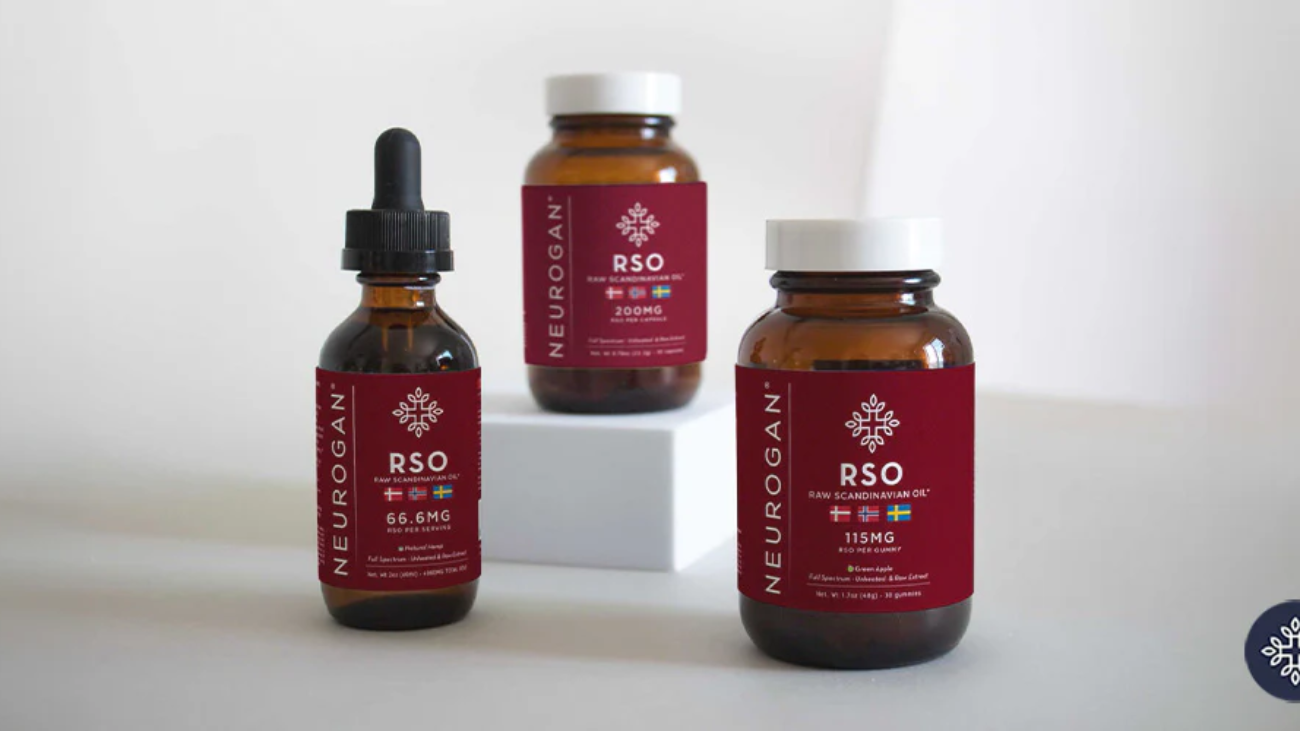
RSO_neurogan_products_1024x1024

RSO Oil and Hormone-Related Cancers: Insights for Breast and Prostate Patients

Introduction

Hormone-related cancers, including breast and prostate cancer, affect millions of people worldwide and often involve long, complex treatment journeys. Beyond medical therapies, many patients seek additional ways to support comfort, emotional well-being, and overall quality of life.

One topic that frequently arises in patient education spaces is RSO oil and hormone-related cancers, particularly among individuals with breast or prostate cancer. Rick Simpson Oil (RSO) is a full-spectrum cannabis extract that some patients explore as part of broader wellness routines. While it is not a treatment or cure, it is often discussed in educational and supportive contexts.

This article provides balanced insights into how patients and caregivers talk about RSO in relation to hormone-related cancers, with an emphasis on awareness, safety, and realistic expectations.


Understanding Hormone-Related Cancers

Hormone-related cancers are influenced by the body’s endocrine system.

Common Hormone-Related Cancers

  • Breast cancer
  • Prostate cancer
  • Ovarian cancer
  • Endometrial cancer

Breast and prostate cancers are the most commonly discussed in relation to long-term survivorship and supportive care.


Why Hormones Matter in Cancer Care

Hormones play a role in cell growth and signaling.

Key Hormonal Considerations

  • Estrogen and progesterone in breast cancer
  • Testosterone and androgens in prostate cancer
  • Hormone-blocking therapies
  • Long-term endocrine changes

Because treatments often alter hormone levels, patients may experience physical and emotional side effects that affect daily life.


What Is RSO Oil in a Wellness Context?

RSO is a concentrated, full-spectrum cannabis extract.

Characteristics Patients Often Note

  • Whole-plant cannabinoid profile
  • Thick, oil-based consistency
  • Non-recreational framing
  • Discussion focused on comfort and balance

RSO is commonly explored for supportive wellness rather than performance or stimulation.


Why Patients With Hormone-Related Cancers Explore RSO

Patients undergoing hormone-related cancer treatment often seek stability.

Common Motivations

  • Desire for emotional calm
  • Managing treatment-related discomfort
  • Supporting rest and sleep
  • Seeking non-invasive wellness options

RSO is often discussed as part of routines aimed at reducing stress rather than altering disease outcomes.


RSO Oil and Breast Cancer: Patient-Centered Insights

Breast cancer treatments can bring both physical and emotional challenges.

Common Breast Cancer–Related Concerns

  • Fatigue
  • Sleep disturbances
  • Emotional sensitivity
  • Body discomfort
  • Anxiety around recurrence

In patient discussions, RSO is often framed as a comfort-focused option that fits into rest-oriented routines.


RSO Oil and Prostate Cancer: Supportive Perspectives

Prostate cancer often affects older adults and may involve long-term hormone therapy.

Common Prostate Cancer–Related Challenges

  • Fatigue
  • Mood changes
  • Sleep issues
  • Reduced energy
  • Emotional stress

Some patients discuss RSO as part of calming evening routines or periods of rest and recovery.


Emotional Well-Being and Hormone Therapy

Hormone therapies can influence mood and emotional balance.

Emotional Effects Patients Report

  • Irritability
  • Low mood
  • Anxiety
  • Difficulty relaxing

Supportive routines often focus on emotional regulation and nervous system calm.


Whole-Plant Philosophy and Patient Preference

One reason RSO is discussed more than other concentrates is its full-spectrum nature.

Why Full-Spectrum Matters to Some Patients

  • Perceived balance
  • Avoidance of isolated compounds
  • Alignment with holistic wellness values

This preference is philosophical rather than clinical.


Avoiding Overstimulation in Hormone-Sensitive Conditions

Patients with hormone-related cancers often prefer gentle approaches.

Why Subtlety Is Valued

  • Hormonal fluctuations increase sensitivity
  • Strong stimulation can feel overwhelming
  • Predictability supports emotional safety

RSO is often framed as background support rather than a focal experience.


Fatigue Management and Energy Conservation

Fatigue is a common concern across hormone-related cancers.

Why Fatigue Is Complex

  • Hormone disruption
  • Treatment side effects
  • Emotional exhaustion

Some patients describe supportive routines that prioritize rest and recovery over stimulation.


Sleep and Nighttime Comfort

Sleep disturbances are frequently reported.

Common Sleep Challenges

  • Difficulty falling asleep
  • Nighttime anxiety
  • Hormone-related night sweats

Patients often discuss calming nighttime routines as part of broader wellness strategies.


Safety Awareness for Hormone-Related Cancer Patients

Safety remains a central theme.

General Safety Considerations

  • Increased sensitivity
  • Medication interactions
  • Avoiding cognitive impairment
  • Maintaining daily function

Education and caution are emphasized across patient communities.


Why Medical Communication Still Matters

RSO is never discussed as a replacement for care.

Important Boundaries

  • Does not replace hormone therapy
  • Does not replace oncology care
  • Does not replace monitoring or follow-ups

Open communication with healthcare providers is essential.


Caregiver and Partner Perspectives

Hormone-related cancers affect relationships as well.

How Support Systems Help

  • Emotional reassurance
  • Routine support
  • Monitoring comfort

Shared understanding reduces stress for everyone involved.


Avoiding Common Misconceptions

Misinformation can create unrealistic expectations.

Clarifying What RSO Is Not

  • Not a hormone regulator
  • Not a cancer treatment
  • Not a guaranteed solution

Clear education protects patient well-being.


Long-Term Survivorship and Maintenance

Many breast and prostate cancer patients live long lives post-treatment.

Survivorship Priorities

  • Stability
  • Emotional health
  • Daily functionality
  • Peace of mind

Any wellness routine should support—not overshadow—these goals.


Education as Empowerment

Knowledge reduces fear.

Benefits of Being Informed

  • Clear expectations
  • Reduced anxiety
  • Improved confidence

Empowered patients make calmer decisions.


Where Patients Learn About RSO Responsibly

For those seeking educational resources and responsibly produced RSO oil, RSO Healing Hub provides patient-focused information designed for informed exploration.

👉 Shop RSO Oil at RSO Healing Hub

(Internal link and shop button used exactly as requested.)


Exploring Broader Plant-Based Wellness Education

Some individuals exploring hormone-related cancer wellness also seek broader educational perspectives on natural compounds.

Platforms such as magicmushroomstore.us are sometimes visited for general informational content related to plant-based wellness discussions.

👉 Visit: https://magicmushroomstore.us/

(External link used exactly as provided.)


Frequently Asked Questions About RSO and Hormone-Related Cancers

Is RSO a treatment for breast or prostate cancer?

No. It is discussed only as supportive wellness education.

Why do hormone-related cancer patients prefer gentle routines?

Hormonal changes can increase physical and emotional sensitivity.

Is RSO appropriate for long-term survivorship?

Some patients discuss it as part of maintenance routines, but experiences vary.


Respecting Individual Choice and Sensitivity

Every cancer journey is unique.

Patient-Centered Values

  • Autonomy
  • Comfort
  • Safety
  • Realistic expectations

Wellness choices should always reflect individual needs and boundaries.


Final Thoughts: Calm, Clarity, and Informed Exploration

The conversation around RSO oil and hormone-related cancers reflects a broader desire for balance, comfort, and emotional steadiness among breast and prostate cancer patients. While RSO is not a medical therapy, some individuals explore it as part of thoughtful, low-pressure wellness routines.

Education, moderation, and open dialogue with healthcare providers remain the foundation of responsible decision-making.

demo-attachment-287-Group-296

Microdosing RSO Oil for Cancer Maintenance: Low-Dose Strategies Post-Treatment

Introduction

Completing cancer treatment is a major milestone, but for many survivors, the journey does not end there. The post-treatment phase—often called remission, recovery, or maintenance—comes with its own physical and emotional challenges. Fatigue, anxiety, lingering discomfort, and fear of recurrence can all affect quality of life.

Within cancer survivor communities, one topic that occasionally arises is microdosing RSO oil for cancer maintenance. Rather than focusing on intensity or high amounts, microdosing emphasizes consistency, gentleness, and minimal disruption to daily life. While RSO is not a medical treatment or preventative therapy, some individuals discuss low-dose routines as part of broader wellness-focused maintenance strategies.

This article explores what microdosing means in this context, why some post-treatment patients consider it, and the safety- and education-focused principles that guide these discussions.


Understanding the Cancer Maintenance Phase

The maintenance phase begins after primary treatments such as surgery, chemotherapy, or radiation are completed.

Common Post-Treatment Experiences

  • Lingering fatigue
  • Sleep disturbances
  • Emotional ups and downs
  • Heightened body awareness
  • Fear of recurrence

Many survivors seek gentle routines that support stability and confidence without overwhelming the body.


What Does “Microdosing” Mean in Wellness Discussions?

Microdosing generally refers to using very small amounts of a substance to support subtle effects without noticeable impairment.

Key Microdosing Principles

  • Low-intensity approach
  • Minimal psychoactive impact
  • Emphasis on daily functionality
  • Focus on long-term consistency

For cancer survivors, this approach often feels more appropriate than aggressive or disruptive routines.


What Is RSO Oil in a Maintenance Context?

RSO (Rick Simpson Oil) is a full-spectrum cannabis extract.

Characteristics Relevant to Maintenance Discussions

  • Contains multiple cannabinoids
  • Thick, oil-based form
  • Often framed around whole-plant philosophy
  • Discussed in non-recreational contexts

In microdosing conversations, RSO is viewed as a background wellness tool rather than a focal intervention.


Why Some Survivors Explore Microdosing RSO Oil for Cancer Maintenance

Post-treatment patients often seek balance and normalcy.

Common Motivations

  • Desire for gentle support
  • Avoidance of strong psychoactive effects
  • Focus on emotional calm
  • Maintaining daily routines

Microdosing aligns with the goal of living fully while remaining attentive to wellness.


Low-Dose Strategies: Philosophy Over Precision

In maintenance discussions, emphasis is placed on philosophy rather than exact measurements.

Guiding Concepts

  • “Less is more” mindset
  • Listening to the body
  • Avoiding noticeable impairment
  • Supporting routine, not disruption

This approach contrasts sharply with high-intensity or experimental use.


Mental and Emotional Wellness After Cancer

Survivorship can bring unexpected emotional challenges.

Common Emotional Themes

  • Anxiety about health monitoring
  • Difficulty relaxing
  • Sleep-related worries
  • Hypervigilance to physical sensations

Some survivors discuss microdosing as part of routines aimed at emotional steadiness and calm.


Maintaining Daily Functionality

One reason microdosing is often preferred is its compatibility with daily life.

Daily-Life Priorities

  • Driving safely
  • Working or volunteering
  • Social engagement
  • Cognitive clarity

Low-dose approaches are discussed specifically to preserve these abilities.


Avoiding Overstimulation Post-Treatment

After cancer treatment, the nervous system may feel more sensitive.

Why Gentle Approaches Matter

  • Reduced tolerance for strong sensations
  • Increased fatigue
  • Heightened stress response

Microdosing reflects a desire to avoid unnecessary strain.


Consistency Over Intensity

Maintenance is about the long view.

Why Consistency Is Valued

  • Easier to sustain
  • Less anxiety-provoking
  • More predictable experiences
  • Better integration into lifestyle

Many survivors prefer subtle routines they can maintain without effort.


Safety Considerations in the Maintenance Phase

Even low-dose routines require awareness.

General Safety Themes

  • Increased sensitivity post-treatment
  • Slower recovery from discomfort
  • Need for hydration and rest
  • Avoiding mixing multiple substances

Education and caution remain essential.


The Role of Self-Awareness

Microdosing requires attentiveness.

Helpful Self-Check Questions

  • Do I feel clear-headed?
  • Is my routine sustainable?
  • Does this add calm or stress?

Self-reflection helps prevent unnecessary discomfort.


Caregiver and Family Perspectives

Loved ones often support survivors during maintenance.

Why Family Awareness Helps

  • Encourages open conversation
  • Reduces misunderstanding
  • Supports emotional reassurance

Shared understanding builds trust and comfort.


What Microdosing RSO Is NOT

Clear boundaries protect survivors.

It Is Not

  • A cancer preventative
  • A replacement for follow-up care
  • A substitute for medical guidance
  • A guarantee of outcomes

It is discussed only within a wellness-support framework.


Long-Term Wellness Mindset

Maintenance is not about fear—it’s about living well.

Healthy Maintenance Values

  • Balance
  • Enjoyment of life
  • Stress reduction
  • Respect for the body

Microdosing discussions often reflect these values.


Avoiding Common Post-Treatment Mistakes

Survivors sometimes feel pressure to “do everything.”

Why That Can Backfire

  • Increases anxiety
  • Creates routine fatigue
  • Distracts from healing

Simplicity often supports sustainability.


Education as a Form of Empowerment

Knowledge reduces fear.

Benefits of Education

  • Clear expectations
  • Reduced guesswork
  • Improved confidence

Well-informed survivors make calmer decisions.


Where Survivors Learn About RSO for Maintenance

For those seeking educational resources and responsibly produced RSO oil, RSO Healing Hub provides information designed for informed, post-treatment exploration.

👉 Shop RSO Oil at RSO Healing Hub

(Internal link and shop button used exactly as requested.)


Exploring Broader Natural Wellness Education

Some cancer survivors also explore broader plant-based wellness topics as part of ongoing education.

Platforms such as magicmushroomstore.us are sometimes visited for general informational content related to natural wellness discussions.

👉 Visit: https://magicmushroomstore.us/

(External link used exactly as provided.)


Frequently Asked Questions About Microdosing RSO Post-Treatment

Is microdosing the same as treatment?

No. It is discussed only as wellness support.

Why do survivors prefer low-dose approaches?

To maintain clarity, routine, and daily function.

Is microdosing suitable for everyone?

Experiences vary; individual sensitivity matters.


Living Beyond Cancer With Intention

Maintenance is about reclaiming life.

Survivor Priorities

  • Peace of mind
  • Stability
  • Enjoyment of everyday moments

Any wellness routine should support—not overshadow—these goals.


Final Thoughts: Gentle Support, Informed Choices

The conversation around microdosing RSO oil for cancer maintenance reflects a broader shift toward sustainable, low-impact wellness strategies after treatment. While RSO is not a medical therapy, some survivors explore microdosing as part of routines aimed at calm, balance, and long-term comfort.

Education, moderation, and open communication with healthcare providers remain essential pillars of responsible survivorship care.

RSO Edibles and Gummies: Dosage, Effects, and Recipes 2025 Guide

RSO Oil vs. Other Concentrates (Like Live Resin or Distillate) for Cancer Support

Introduction

As interest in cannabis-based wellness options grows, patients are often faced with a confusing range of products.


What Are Cannabis Concentrates?

Cannabis concentrates are products made by extracting compounds from the cannabis plant.

General Characteristics

  • Higher cannabinoid concentration
  • Reduced plant material
  • Various textures and consistencies
  • Different extraction methods

Not all concentrates are created with the same goals or users in mind.


Understanding RSO Oil

RSO (Rick Simpson Oil) is a full-spectrum cannabis extract originally developed with a focus on whole-plant use.

Key Characteristics of RSO

What Is Live Resin?

Live resin is a cannabis concentrate made from freshly harvested plants.

Key Features of Live Resin

  • Preserves aromatic compounds
  • Often lighter in color
  • Typically used for inhalation
  • Focused on flavor and experience

Live resin is more commonly associated with adult-use or sensory-focused consumption rather than long-term wellness routines.


What Is Distillate?

Distillate is a highly refined cannabis extract.

Distillate Characteristics

  • Isolated cannabinoids (often THC only)
  • Minimal plant compounds
  • Clear or light-colored
  • Consistent potency

Distillates prioritize precision and potency but remove much of the plant’s original complexity.


RSO Oil vs Other Concentrates for Cancer Support: Core Differences

When patients compare options, they often focus on intent rather than strength.

Key Comparison Areas

  • Full-spectrum vs isolated compounds
  • Processing level
  • Intended use
  • Patient philosophy

These differences shape why RSO is often discussed separately from other concentrates.


Full-Spectrum vs Isolated Cannabinoids

One of the biggest distinctions is spectrum.

RSO Oil

  • Full-spectrum
  • Retains multiple cannabinoids and compounds
  • Aligns with whole-plant wellness philosophy

Distillate

  • Highly refined
  • Often single-cannabinoid focused
  • Designed for consistency, not complexity

Many patients seeking supportive care value broader plant profiles over isolated compounds.


Processing Methods and Patient Perception

Processing plays a major role in how patients view products.

RSO

  • Minimal refinement
  • Emphasis on preserving plant components
  • Seen as closer to the original plant

Live Resin and Distillate

  • Technically advanced processing
  • Designed for specific experiences or formats

Patients interested in cancer support often prefer less refined options for philosophical reasons.


Route of Use Considerations

Different concentrates are commonly used in different ways.

Typical Use Associations

  • RSO: oral or topical wellness discussions
  • Live resin: inhalation-focused
  • Distillate: versatile but often vaporized

For cancer patients, inhalation is sometimes avoided, influencing concentrate preference.


Why Some Patients Prefer RSO for Support

In discussions around RSO oil vs other concentrates for cancer support, patients often mention:

Common Reasons

  • Whole-plant philosophy
  • Long-standing presence in cancer communities
  • Focus on comfort and routine
  • Non-recreational framing

RSO is often perceived as purpose-driven rather than experience-driven.


Why Other Concentrates May Feel Less Suitable

Other concentrates are not “bad,” but may feel mismatched for some patients.

Common Concerns

  • Too stimulating
  • Too refined
  • Focused on potency rather than balance
  • Associated with recreational use

These perceptions influence patient comfort and trust.


Quality of Life vs Product Strength

Cancer support discussions prioritize comfort over intensity.

Patient-Focused Priorities

  • Predictability
  • Gentle routines
  • Emotional ease
  • Reduced overwhelm

RSO is often discussed in these terms rather than in potency comparisons.


Avoiding Common Comparison Mistakes

Patients sometimes assume stronger equals better.

Why That’s Misleading

  • Potency doesn’t equal suitability
  • Complexity may matter more than concentration
  • Individual tolerance varies

Education helps patients avoid unnecessary discomfort.


Legal and Access Considerations

All concentrates are subject to state cannabis laws.

Important Notes

  • Availability varies by state
  • Product types may differ by dispensary
  • Possession rules still apply

Patients should stay informed about local regulations.


Safety and Awareness Across Concentrates

Regardless of product type, awareness matters.

General Safety Principles

  • Avoid activities requiring alertness
  • Store securely
  • Do not mix products casually
  • Communicate with healthcare providers

Safety is product-agnostic.


Where Patients Learn About RSO Specifically

For individuals seeking educational resources and responsibly produced RSO oil, RSO Healing Hub provides information designed for informed, patient-centered exploration.

👉 Shop RSO Oil at RSO Healing Hub

(Internal link and shop button used exactly as requested.)


Exploring Broader Plant-Based Wellness Education

Some patients researching cannabis concentrates also explore broader natural wellness topics for education and perspective.

Platforms such as magicmushroomstore.us are sometimes explored for general informational content related to plant-based wellness discussions.

👉 Visit: https://magicmushroomstore.us/

(External link used exactly as provided.)


Frequently Asked Questions About RSO vs Other Concentrates

Is RSO stronger than distillate?

Strength depends on measurement; composition is the bigger difference.

Is live resin better for cancer support?

Live resin is typically associated with inhalation and sensory use, not supportive care routines.

Why do cancer patients often choose RSO?

Many prefer its whole-plant philosophy and non-recreational framing.


Why Personal Preference Matters Most

There is no universally “best” concentrate.

Choice Depends On

  • Comfort level
  • Personal philosophy
  • Sensitivity
  • Wellness goals

Individual needs should guide decisions—not trends.


Final Thoughts: Understanding Purpose, Not Just Products

The discussion around RSO oil vs other concentrates for cancer support is ultimately about intent.

Education, self-awareness, and realistic expectations remain the foundation of responsible choice.

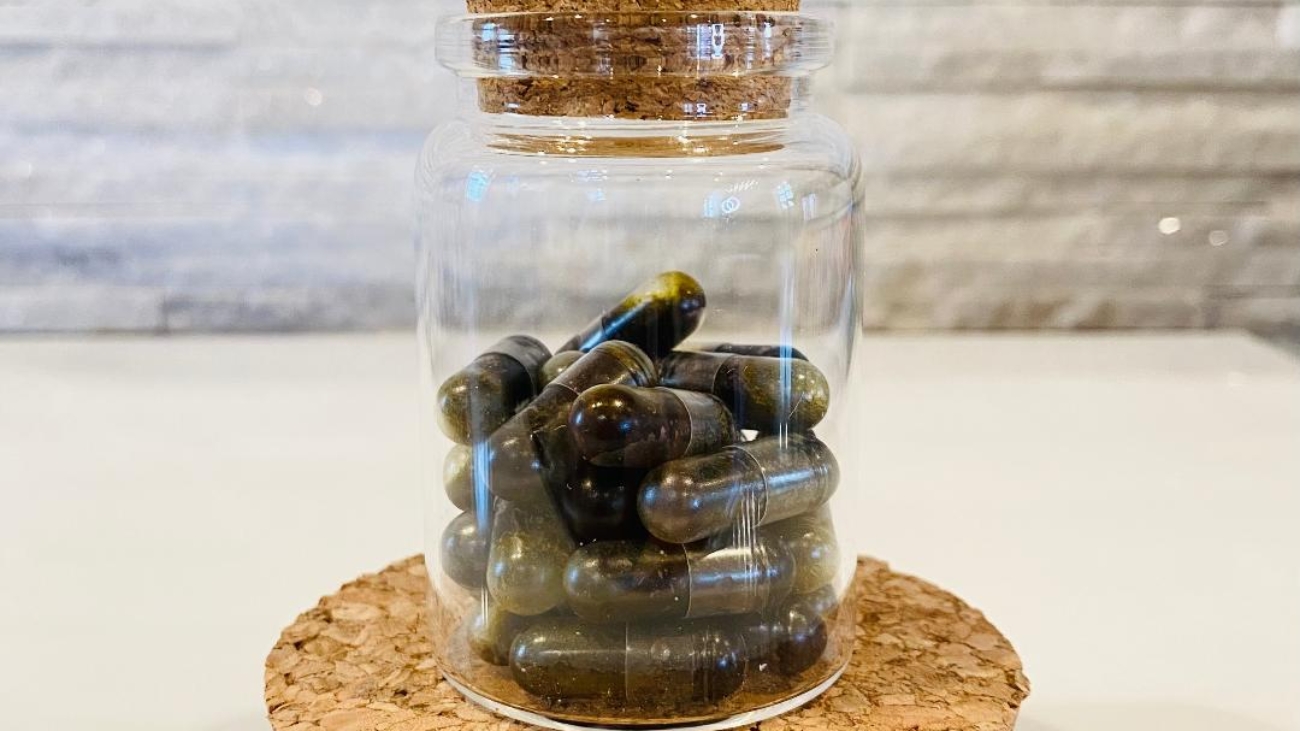
Half RSO treatment with capsules for beginners

Using RSO Oil to Combat Cancer-Related Fatigue: Tips for Patients

Introduction

Cancer-related fatigue is one of the most common and challenging symptoms faced by patients, regardless of cancer type or stage. Unlike ordinary tiredness, this fatigue can feel overwhelming, persistent, and unrelieved by rest alone. It often affects physical energy, emotional resilience, and the ability to engage in daily life.

Because of this, many patients explore supportive wellness approaches alongside medical care. One topic frequently discussed in patient communities is using RSO oil to combat cancer-related fatigue—not as a cure or stimulant, but as a potential comfort-focused support within a broader self-care routine.

This article explores how patients think about fatigue, why RSO is sometimes considered, and practical, safety-focused tips for approaching this option thoughtfully and responsibly.


Understanding Cancer-Related Fatigue

Cancer-related fatigue is different from everyday tiredness.

Key Characteristics

  • Persistent and long-lasting
  • Not fully relieved by sleep
  • Can affect both body and mind
  • Often worsens during treatment

Fatigue may stem from multiple sources, including the disease itself, treatments, emotional stress, and disrupted sleep.


How Fatigue Impacts Daily Life

Fatigue can quietly affect nearly every aspect of life.

Common Challenges

  • Difficulty concentrating
  • Reduced motivation
  • Emotional frustration
  • Social withdrawal
  • Disrupted routines

Because fatigue is multifaceted, many patients look for equally holistic ways to cope.


Why Patients Explore RSO for Fatigue Support

RSO is a full-spectrum cannabis extract that some patients associate with relaxation and overall comfort.

Common Reasons for Interest

  • Desire for improved rest
  • Seeking calm rather than stimulation
  • Supporting emotional balance
  • Managing overall discomfort

When discussing using RSO oil to combat cancer-related fatigue, patients usually focus on quality of life rather than energy boosts.


Reframing Fatigue Management Goals

One important mindset shift is redefining what “managing fatigue” means.

Healthy Goal Adjustments

  • Supporting better rest, not forcing energy
  • Reducing distress around tiredness
  • Creating predictable routines
  • Allowing the body to recover

RSO is often considered within this gentler, acceptance-based framework.


RSO and Rest-Oriented Wellness Routines

Many patients associate fatigue relief with improved rest and relaxation.

Rest-Focused Practices Patients Combine

  • Quiet evenings
  • Reduced stimulation
  • Consistent sleep schedules
  • Calm environments

RSO is sometimes discussed as part of evening routines aimed at supporting restfulness rather than daytime alertness.


Tip #1: Focus on Consistency, Not Intensity

When addressing fatigue, consistency matters more than dramatic changes.

Why Consistency Helps

  • Supports routine-building
  • Reduces stress on the body
  • Encourages self-awareness

Patients often emphasize gentle, steady habits over aggressive interventions.


Tip #2: Respect Individual Sensitivity

Fatigue often increases sensitivity to external influences.

Factors Affecting Individual Response

  • Treatment stage
  • Emotional state
  • Sleep quality
  • Prior cannabis exposure

What feels supportive for one person may feel overwhelming for another.


Tip #3: Pair RSO with Sleep Hygiene

Fatigue management is closely tied to sleep quality.

Sleep Hygiene Practices

  • Regular bedtime routines
  • Dim lighting in the evening
  • Reduced screen exposure
  • Comfortable sleep environment

RSO is sometimes viewed as one part of a broader sleep-support strategy.


Tip #4: Avoid Expecting an Energy Boost

A common misunderstanding is expecting RSO to act like a stimulant.

Important Clarification

  • RSO is not an energy supplement
  • Its role is often described as calming
  • Reduced tension may indirectly support rest

Releasing unrealistic expectations can prevent disappointment.


Tip #5: Track How Fatigue Feels Over Time

Fatigue fluctuates, and awareness helps.

What Patients Often Track

  • Sleep quality
  • Emotional state
  • Daily energy patterns
  • Timing of rest

Tracking supports informed, reflective decision-making.


Tip #6: Combine with Gentle Movement

Movement can support fatigue management when approached gently.

Examples of Gentle Activity

  • Short walks
  • Stretching
  • Light mobility exercises

RSO discussions often emphasize balance between rest and light activity.


Tip #7: Keep Routines Simple

Fatigue can worsen with complexity.

Why Simplicity Matters

  • Less mental strain
  • Easier adherence
  • Reduced overwhelm

RSO is most often integrated into minimal, manageable routines.


Tip #8: Emotional Fatigue Matters Too

Cancer-related fatigue is not purely physical.

Emotional Contributors

  • Anxiety
  • Grief
  • Uncertainty
  • Mental exhaustion

Some patients describe RSO as part of routines that support emotional calm, which may indirectly ease fatigue.


Tip #9: Communicate with Your Care Team

Fatigue should always be discussed with healthcare providers.

Why Communication Is Important

  • Identifying treatable causes
  • Avoiding interactions
  • Aligning supportive care goals

RSO should never replace medical evaluation of fatigue.


Tip #10: Avoid Comparing Yourself to Others

Fatigue experiences vary widely.

Healthy Perspective

  • Progress is personal
  • Set realistic expectations
  • Focus on comfort, not performance

Self-compassion is an essential fatigue-management tool.


Safety and Awareness Considerations

Even when used for comfort, awareness matters.

Key Safety Points

  • Avoid activities requiring alertness
  • Use in safe, calm environments
  • Store securely
  • Stay within legal boundaries

Safety supports peace of mind.


Where Patients Learn About Responsible RSO Use

For those seeking educational resources and responsibly produced RSO oil, RSO Healing Hub offers information designed to support informed, patient-centered decision-making.

👉 Shop RSO Oil at RSO Healing Hub

(Internal link and shop button used exactly as requested.)


Exploring Broader Natural Wellness Education

Some patients researching fatigue support also explore broader plant-based wellness discussions as part of self-education.

Platforms such as magicmushroomstore.us are sometimes explored for general informational content related to natural wellness topics.

👉 Visit: https://magicmushroomstore.us/

(External link used exactly as provided.)


Frequently Asked Questions About RSO and Fatigue

Does RSO eliminate cancer-related fatigue?

No. Fatigue is complex and requires a holistic approach.

Is fatigue always treatment-related?

Not always—emotional and physical factors both contribute.

Can RSO replace medical fatigue management?

No. It should only be considered as complementary support.


Why Patience Matters When Managing Fatigue

Fatigue rarely improves overnight.

Helpful Mindsets

  • Focus on small improvements
  • Celebrate rest as progress
  • Allow flexibility

Gentle, patient approaches are often the most sustainable.


Final Thoughts: Supporting Rest, Not Forcing Energy

The conversation around using RSO oil to combat cancer-related fatigue reflects a broader shift toward compassionate, comfort-focused care. Rather than chasing energy, many patients prioritize rest, emotional calm, and sustainable routines.

Education, simplicity, and open communication remain the foundation of safe, supportive fatigue management.

RSO Oil 60g

RSO Oil for Head and Neck Cancer: Potential Anti-Tumor Effects from Plant Extracts

Introduction

Head and neck cancers affect critical areas involved in speaking, swallowing, breathing, and appearance, making both treatment and quality of life significant concerns for patients. Alongside conventional medical care, there is growing interest in understanding how plant-derived compounds interact with cancer-related biological processes.

One topic that continues to attract attention is RSO oil for head and neck cancer, particularly in laboratory and preclinical research settings. Rick Simpson Oil (RSO) is a full-spectrum cannabis extract that contains a complex mix of cannabinoids and plant compounds. While it is not a medically approved treatment, scientific studies examining cannabis extracts at the cellular level have sparked discussion around their potential biological activity.

This article reviews current lab insights, clarifies what research actually shows, and explains how patients often interpret these findings within an educational and wellness-focused context.


Understanding Head and Neck Cancer

Head and neck cancer is a broad term covering malignancies that arise in several anatomical areas.

Common Locations Affected

  • Oral cavity
  • Throat (pharynx)
  • Larynx (voice box)
  • Nasal passages and sinuses
  • Salivary glands

Because these areas are essential for daily functioning, symptom management and supportive care are often central to patient concerns.


Why Plant Extracts Are Studied in Cancer Research

Plant-based compounds have long been studied for their biological activity.

Why Cannabis Extracts Draw Interest

  • Interaction with cellular signaling pathways
  • Effects on inflammation markers in lab models
  • Engagement with the endocannabinoid system
  • Antioxidant and stress-related cellular responses

These properties make cannabis extracts a subject of interest in controlled research environments—not as treatments, but as compounds worth studying.


What RSO Represents in Research Contexts

RSO is not standardized or regulated as a pharmaceutical product.

Research-Relevant Characteristics

  • Full-spectrum cannabinoid profile
  • Presence of THC and other cannabinoids
  • Non-isolated compound composition
  • Thick, concentrated extract form

In laboratory research, scientists typically study cannabis extracts with similar characteristics rather than commercial RSO itself.


Laboratory Studies and Head and Neck Cancer Cells

Most insights related to RSO oil for head and neck cancer come from preclinical research.

What Preclinical Studies Examine

  • Cancer cell growth behavior
  • Tumor-related signaling pathways
  • Apoptosis-associated markers
  • Cellular stress and inflammatory responses

These studies are conducted on isolated cells or animal models and are not equivalent to human treatment.


Potential Anti-Tumor Activity in Lab Settings

Some laboratory studies have observed that cannabinoids can influence tumor-related pathways.

Observed Areas of Scientific Interest

  • Altered cell proliferation signals
  • Interaction with cannabinoid receptors
  • Modulation of oxidative stress
  • Changes in cellular metabolism

These findings are exploratory and do not establish safety, efficacy, or clinical use.


Why Lab Findings Must Be Interpreted Carefully

A major challenge is how lab research is interpreted outside scientific settings.

Key Differences Between Labs and Real Life

  • Lab studies use isolated cells
  • Dosages are not human-comparable
  • Human biology is far more complex
  • Clinical trials are required for validation

This distinction is essential to avoid misunderstanding the role of RSO.


Patient Interest in Head and Neck Cancer Contexts

Patients with head and neck cancer often seek information beyond standard treatments.

Common Motivations

  • Curiosity about emerging research
  • Desire for supportive wellness options
  • Interest in non-invasive approaches
  • Need for hope balanced with realism

Education helps patients navigate information responsibly.


Cannabinoid Receptors and Head and Neck Tumors

Researchers study how cannabinoids interact with receptor systems.

Why Receptors Matter in Research

  • Influence on cell communication
  • Regulation of inflammation
  • Role in cell survival and death pathways

These interactions are studied at a molecular level and do not imply clinical outcomes.


Supportive and Educational Framing of RSO

RSO is most often discussed as part of patient education and self-directed learning.

How Patients Typically Frame Use

  • As an educational exploration
  • As part of holistic wellness research
  • As a complementary topic—not treatment

Responsible framing prevents false expectations.


Avoiding Misinformation and Overstatement

Cancer research can easily be misunderstood when oversimplified.

Responsible Communication Includes

  • No cure or treatment claims
  • Clear distinction between lab and clinical data
  • Emphasis on ongoing research
  • Encouragement of medical guidance

Accuracy protects patients from harm.


Quality and Transparency Considerations

Because RSO is not standardized, awareness matters.

What Informed Patients Look For

  • Clear educational resources
  • Transparent sourcing information
  • Responsible messaging
  • Consistency and quality focus

Education supports safer exploration.


Legal Awareness and Access

Cannabis laws vary across states.

Why Legal Knowledge Is Important

  • Product availability differs
  • Rules vary for possession and use
  • Compliance reduces stress

Patients should remain informed about local regulations.


Where Patients Seek RSO Education

For those looking for educational resources and responsibly produced RSO oil, RSO Healing Hub provides information designed to support informed decision-making.

👉 Shop RSO Oil at RSO Healing Hub

(Internal link and shop button used exactly as requested.)


Exploring Broader Plant-Based Research Education

Individuals interested in cannabis research often explore broader plant-based wellness discussions as part of learning.

Some readers explore platforms such as magicmushroomstore.us for general educational content related to natural compounds.

👉 Visit: https://magicmushroomstore.us/

(External link used exactly as provided.)


Frequently Asked Questions About RSO and Head and Neck Cancer

Does RSO treat head and neck cancer?

No. RSO is not an approved cancer treatment.

Why is lab research still discussed?

Lab studies help scientists understand biological mechanisms and guide future research.

Can lab results be applied to patients?

No. Clinical trials are required to determine safety and effectiveness.


Why Continued Research Matters

Even early-stage research contributes to scientific understanding.

Value of Ongoing Study

  • Identifies new biological pathways
  • Helps refine future investigations
  • Expands knowledge of plant compounds

Progress depends on careful, ethical research.


Final Thoughts: Curiosity Balanced with Clarity

The interest in RSO oil for head and neck cancer reflects a broader curiosity about how plant extracts interact with cancer-related biology. While laboratory findings may be intriguing, they remain early-stage and should be viewed strictly as educational insights—not medical guidance.

Informed patients prioritize clarity, professional care, and realistic expectations above all else.

cannabis-suppositories-feature-788x525-1.jpg

RSO Oil for Advanced or Terminal Cancer: Palliative Benefits and Comfort-Focused Use


Introduction

When cancer reaches an advanced or terminal stage, priorities often shift. For many patients and families, the focus moves away from aggressive treatment and toward comfort, dignity, and quality of life. In this context, supportive and palliative options become increasingly important.

RSO oil for advanced or terminal cancer is frequently discussed in patient communities as a comfort-focused option rather than a curative one. Individuals exploring this path are often seeking relief, emotional ease, and a sense of calm during a deeply challenging time.

This article explores how RSO is discussed in palliative care conversations, what comfort-focused use means, and why some patients consider it as part of end-of-life support. This content is educational only and does not replace professional medical or palliative care guidance.


Understanding Palliative Care in Advanced Cancer

Palliative care focuses on improving comfort and quality of life at any stage of serious illness.

Core Goals of Palliative Care

  • Symptom relief
  • Emotional and psychological support
  • Comfort and dignity
  • Support for families and caregivers

Palliative care can be provided alongside or independent of disease-directed treatments.


Why Patients Explore RSO in Advanced or Terminal Cancer

Patients facing advanced cancer often experience complex symptoms and emotional stress.

Common Reasons for Interest

  • Desire for comfort-focused support
  • Seeking calm and relaxation
  • Managing overall discomfort
  • Supporting emotional well-being

RSO is usually explored as a complementary option—not a replacement for palliative care services.


How RSO Fits Into Comfort-Focused Care

RSO is a concentrated cannabis extract that some patients associate with relaxation and physical ease.

Comfort-Oriented Perspectives

  • Focus on ease rather than outcomes
  • Used as part of rest routines
  • Considered alongside hospice or palliative support

The emphasis is on quality of life, not treatment response.


Shifting Expectations in Terminal Cancer

One of the most important aspects of using RSO in advanced cancer is expectation management.

Healthy Expectation Shifts

  • From cure to comfort
  • From long-term planning to daily ease
  • From outcomes to presence

This shift allows patients and families to make grounded, compassionate decisions.


Potential Comfort Areas Patients Discuss

While experiences vary, patients often discuss RSO in relation to overall comfort rather than specific outcomes.

Common Comfort-Focused Themes

  • Relaxation
  • Emotional calm
  • Support for rest
  • Reduction of distress

These themes align closely with palliative care goals.


Emotional and Psychological Support

Advanced cancer affects emotional well-being deeply.

Emotional Challenges Often Include

  • Anxiety
  • Fear
  • Grief
  • Emotional fatigue

Some patients describe RSO as part of routines that help create moments of calm or emotional grounding.


RSO and Rest-Oriented Routines

Rest becomes increasingly important in advanced illness.

How Patients Incorporate Rest

  • Quiet environments
  • Gentle lighting
  • Limited stimulation
  • Predictable schedules

RSO is sometimes discussed as part of evening or rest-focused routines rather than daytime activity.


Caregiver Perspectives on Comfort-Focused Use

Caregivers often play a central role in decision-making.

What Caregivers Often Value

  • Simplicity
  • Predictability
  • Reduced distress
  • Improved moments of ease

Comfort-focused approaches can benefit both patients and caregivers emotionally.


Why Simplicity Matters in Advanced Care

As illness progresses, complex routines can become overwhelming.

Benefits of Simple Approaches

  • Less stress
  • Easier adherence
  • Reduced confusion
  • Greater comfort

RSO is often considered within minimal, manageable care plans.


Safety and Awareness in Terminal Contexts

Even in palliative settings, safety remains important.

Key Considerations

  • Individual sensitivity
  • Mental and emotional effects
  • Environment and supervision
  • Legal boundaries

Comfort-focused use should still be thoughtful and informed.


Legal and Access Awareness

RSO legality varies by state, even in palliative contexts.

Why Legal Awareness Matters

  • Avoiding unnecessary stress
  • Protecting caregivers
  • Maintaining compliance

Understanding local regulations supports peace of mind during a sensitive time.


What RSO Does NOT Replace

It’s important to be clear about boundaries.

RSO Does Not Replace

  • Hospice care
  • Palliative medicine
  • Pain management teams
  • Emotional support services

RSO is discussed as a complementary option, not a substitute.


Avoiding Pressure and Urgency

Families sometimes feel pressure to “try everything.”

Healthy Decision-Making Includes

  • No rush
  • Respecting patient wishes
  • Allowing flexibility
  • Accepting limits

Comfort-focused care is about honoring the present moment.


The Role of Open Communication

Clear communication supports better experiences.

Who Should Be Included

  • Healthcare providers
  • Hospice teams
  • Caregivers
  • Family members

Transparency helps align care goals.


Education and Responsible Access

For those seeking educational resources and responsibly produced RSO oil, RSO Healing Hub provides information focused on awareness and informed choice.

👉 Shop RSO Oil at RSO Healing Hub

(Internal link and shop button used exactly as requested.)


Exploring Broader Natural Wellness Perspectives

Some individuals researching comfort-focused approaches also explore broader plant-based wellness education as part of personal reflection.

Platforms such as magicmushroomstore.us are sometimes explored for general wellness discussions.

👉 Visit: https://magicmushroomstore.us/

(External link used exactly as provided.)


Frequently Asked Questions About RSO in Advanced Cancer

Is RSO intended to cure advanced cancer?

No. It is discussed in comfort-focused and palliative contexts only.

Can RSO replace hospice care?

No. Hospice and palliative services remain essential.

Is it appropriate for all patients?

Experiences vary, and decisions should respect individual comfort and medical guidance.


Supporting Dignity and Presence

Advanced and terminal cancer care centers on dignity.

Comfort-Focused Priorities

  • Respecting patient autonomy
  • Reducing unnecessary distress
  • Supporting meaningful moments

Every decision should align with these values.


Final Thoughts: Compassion, Comfort, and Informed Choice

The discussion around RSO oil for advanced or terminal cancer reflects a broader desire for comfort, calm, and dignity during life’s most difficult chapter. When approached thoughtfully, RSO may be considered as part of a comfort-focused plan—never as a replacement for professional care, but as a supportive element chosen with awareness and compassion.

Education, simplicity, and respect for patient wishes remain the foundation of meaningful

RSO THC potency lab testing guide

Common Mistakes When Starting RSO for Cancer: Avoid These Dosing and Safety Errors

Introduction

Rick Simpson Oil (RSO) is frequently discussed in cancer support communities as a complementary wellness option. However, for individuals new to cannabis-based products, the learning curve can be steep. Many challenges arise not from the product itself, but from misunderstandings, unrealistic expectations, or lack of preparation.

Understanding common mistakes when starting RSO for cancer can help patients approach this option with greater awareness, safety, and confidence. This article explores frequent errors reported by patients and caregivers and explains how thoughtful planning and education can reduce unnecessary risks.

This content is informational only and not intended as medical advice.


Why Awareness Matters When Beginning RSO

RSO is a concentrated cannabis extract. Because of its strength and complexity, beginners benefit from extra caution.

Why Mistakes Happen

  • Limited guidance
  • Conflicting online information
  • Emotional urgency after diagnosis
  • Misunderstanding product potency

Education plays a key role in safer decision-making.


Mistake #1: Starting With Unrealistic Expectations

One of the most common mistakes when starting RSO for cancer is expecting immediate or guaranteed outcomes.

Common Expectation Errors

  • Assuming RSO is a cure
  • Expecting instant results
  • Believing more is always better

RSO is best viewed as a supportive wellness option, not a replacement for medical care.


Mistake #2: Starting Too Aggressively

Some beginners feel pressured to “catch up” by starting at high amounts.

Why This Is Risky

  • Increased discomfort
  • Overwhelming psychoactive effects
  • Difficulty maintaining consistency
  • Poor tolerance development

Patients often report better experiences when starting conservatively and listening to their body.


Mistake #3: Ignoring Individual Sensitivity

Everyone’s body responds differently to cannabinoids.

Factors That Affect Sensitivity

  • Body chemistry
  • Previous cannabis exposure
  • Age
  • Overall health
  • Emotional state

Comparing experiences with others can be misleading and unsafe.


Mistake #4: Not Allowing Time for Adjustment

RSO is not always well-tolerated immediately.

Why Adjustment Time Matters

  • The body needs time to adapt
  • Side effects may lessen over time
  • Rushing changes can increase discomfort

Patience is a critical part of a responsible approach.


Mistake #5: Using RSO Without Clear Intent

Some patients begin RSO without defining why they are using it.

Questions Patients Often Forget to Ask

  • What is my primary goal?
  • How will I measure comfort or tolerance?
  • What does success look like for me?

Clarity supports consistency and safety.


Mistake #6: Combining Too Many Products at Once

RSO is sometimes added on top of multiple supplements or therapies.

Why This Can Be a Problem

  • Difficulty identifying what causes side effects
  • Increased risk of interactions
  • Overwhelming routines

When starting RSO, simplicity is often safer.


Mistake #7: Overlooking Mental and Emotional Effects

RSO can affect mood and perception.

Potential Emotional Responses

  • Anxiety
  • Drowsiness
  • Heightened emotions
  • Mental fog

Being mentally prepared helps reduce distress if these effects occur.


Mistake #8: Poor Timing and Scheduling

Timing can significantly impact comfort.

Common Timing Errors

  • Using RSO before important tasks
  • Not allowing adequate rest time
  • Inconsistent schedules

Many patients prefer predictable routines that align with rest and recovery.


Mistake #9: Improper Storage and Handling

RSO requires careful storage.

Storage Mistakes to Avoid

  • Exposure to heat or light
  • Improper sealing
  • Easy access by children or pets

Proper storage protects both safety and product quality.


Mistake #10: Ignoring Safety Boundaries

Even in legal states, misuse can carry risks.

Safety Oversights

  • Using in restricted locations
  • Sharing products improperly
  • Exceeding local possession limits

Legal awareness is part of responsible use.


Mistake #11: Not Communicating With Healthcare Providers

Some patients avoid discussing RSO use with their care team.

Why Communication Matters

  • Identifying potential interactions
  • Aligning expectations
  • Improving overall safety

Open dialogue supports informed care decisions.


Mistake #12: Assuming All RSO Is the Same

Quality and formulation vary widely.

Why Product Quality Matters

  • Consistency
  • Transparency
  • Accurate labeling
  • Clean processing

Patients benefit from sourcing RSO from educational, transparent platforms.


Learning From Others—Without Copying Them

Patient stories can be helpful, but they are not instructions.

Healthy Perspective

  • Learn patterns, not prescriptions
  • Respect individual differences
  • Avoid comparison pressure

Every cancer journey is unique.


Why Education Reduces Risk

Most common mistakes when starting RSO for cancer come from lack of information rather than bad intentions.

Education Helps Patients

  • Set realistic expectations
  • Recognize warning signs
  • Build confidence
  • Stay within personal limits

Knowledge supports empowerment.


Where Patients Seek Reliable RSO Education

For those looking for educational resources and responsibly produced RSO oil, RSO Healing Hub offers information designed for informed, cautious decision-making.

👉 Shop RSO Oil at RSO Healing Hub

(Internal link and shop button used exactly as requested.)


Exploring Broader Natural Wellness Education

Many individuals researching RSO also explore broader plant-based wellness topics for education and perspective.

Some readers visit platforms like magicmushroomstore.us as part of personal research into natural wellness discussions.

👉 Visit: https://magicmushroomstore.us/

(External link used exactly as provided.)


Frequently Asked Questions About Starting RSO

Is it normal to feel uncertain when starting RSO?

Yes. Caution and questions are common and healthy.

Should patients rush into using RSO?

No. Gradual, informed approaches are widely recommended.

Can mistakes be avoided entirely?

Not always, but awareness significantly reduces risk.


How Caregivers Can Help Prevent Mistakes

Caregivers play a vital role.

Supportive Actions

  • Encourage education
  • Help track responses
  • Provide emotional reassurance
  • Support safe routines

Shared awareness improves outcomes.


Final Thoughts: Start Informed, Stay Cautious

Understanding common mistakes when starting RSO for cancer allows patients to approach this option with patience, clarity, and respect for their body. RSO is not about urgency—it’s about thoughtful integration, safety, and informed choice.

Education is the strongest form of protection.

Rick Simpson Oil for Sleep and Anxiety Support: Benefits and Usage Guide 2025

RSO Oil Legality and Access in the USA 2026: State-by-State Guide for Cancer Patients

Introduction

For cancer patients exploring supportive wellness options, understanding legal boundaries is just as important as understanding potential benefits. Cannabis laws in the United States continue to evolve, and in 2026, access to cannabis-based products varies significantly by state. This has made RSO oil legality and access in the USA 2026 a critical topic for patients, caregivers, and families seeking clarity.

Rick Simpson Oil (RSO) is a full-spectrum cannabis extract that is often discussed in cancer support communities. However, its legal status depends on how cannabis is regulated in each state. This guide provides an educational overview of how RSO oil is treated under U.S. law in 2026 and what cancer patients should consider when navigating access.

This content is informational only and should not be considered legal advice.


What Is RSO Oil Under U.S. Law?

RSO oil is derived from cannabis and typically contains high levels of cannabinoids. Because of this, its legality is tied directly to cannabis regulations rather than being regulated as a standalone product.

Key Legal Factors Affecting RSO Oil

  • THC content
  • State medical cannabis laws
  • Adult-use cannabis regulations
  • Patient qualification requirements

There is no single federal standard governing RSO oil access.


Federal Cannabis Law and RSO Oil in 2026

At the federal level, cannabis laws remain complex.

Key Federal Considerations

  • Cannabis remains federally regulated
  • Enforcement priorities vary
  • States control most access pathways

This federal-state divide is why RSO oil legality and access in the USA 2026 depends almost entirely on where a patient lives.


Why State Laws Matter More Than Federal Law

In practice, state cannabis programs determine:

  • Who can access cannabis products
  • What products are allowed
  • Where cannabis can be purchased
  • How much a patient can possess

For cancer patients, understanding state-specific rules is essential to staying compliant.


States with Medical Cannabis Programs (2026 Overview)

As of 2026, most U.S. states have medical cannabis programs that may allow access to RSO oil in some form.

Common Features of Medical Cannabis States

  • Physician recommendation required
  • Qualifying medical conditions (often including cancer)
  • State-issued patient identification
  • Purchase through licensed dispensaries

RSO oil is typically available in states with robust medical programs.


Adult-Use (Recreational) Cannabis States

Some states allow adult-use cannabis, which can affect access pathways.

How Adult-Use States Affect RSO Access

  • No medical card required for adults
  • Purchase limits may apply
  • Product availability varies by retailer

Even in adult-use states, product strength and availability differ.


States with Limited or Restricted Cannabis Laws

A smaller number of states maintain stricter cannabis regulations.

Common Limitations

  • CBD-only programs
  • Low-THC restrictions
  • Limited product forms

In these states, RSO oil may not be legally available through state-regulated systems.


State-by-State Variability: What Patients Should Know

Rather than listing individual statutes, patients should understand the categories states fall into.

General State Categories

  • Fully legal medical and adult-use
  • Medical-only cannabis programs
  • Restricted or low-THC programs
  • Prohibited cannabis access

RSO oil access is most consistent in the first two categories.


Cancer as a Qualifying Condition

Cancer is widely recognized as a qualifying condition in medical cannabis programs.

Why Cancer Patients Often Qualify

  • Symptom management needs
  • Treatment-related side effects
  • Physician discretion

This makes medical cannabis pathways more accessible for many patients.


Accessing RSO Oil Through Medical Programs

In states where RSO oil is allowed, access typically follows a defined process.

Common Steps

  1. Medical consultation
  2. State registration
  3. Dispensary purchase
  4. Compliance with possession limits

Patients should follow state guidelines carefully to remain compliant.


Dispensary Availability and Product Variability

Even in legal states, RSO oil availability can vary.

Factors Affecting Availability

  • Dispensary inventory
  • Local regulations
  • Product labeling standards
  • Consumer demand

Not all dispensaries carry true RSO-style products.


Interstate Travel and RSO Oil

Transporting cannabis products across state lines remains legally risky.

Important Considerations

  • Crossing state borders with RSO oil is generally prohibited
  • Airport and federal land restrictions apply
  • Patients should store products within their legal state

Understanding these rules is essential for safety and compliance.


Online Access and Education

Many patients seek education online even when in-state purchasing is required.

For those looking for educational resources and responsibly produced RSO oil, RSO Healing Hub provides information and product access designed for informed decision-making.

👉 Shop RSO Oil at RSO Healing Hub

(Used exactly as your internal link and shop button—no other links added.)


Why Patients Research Legality Before Use

Legal clarity helps patients:

  • Avoid unnecessary stress
  • Protect themselves legally
  • Make informed decisions
  • Focus on wellness rather than worry

This is why RSO oil legality and access in the USA 2026 remains such an important topic.


Legal Risks and Responsible Awareness

Even in legal states, misuse can carry consequences.

Potential Risks

  • Exceeding possession limits
  • Improper storage
  • Sharing products unlawfully
  • Using in restricted areas

Awareness and compliance reduce these risks.


The Importance of Staying Updated

Cannabis laws continue to evolve.

Why Ongoing Awareness Matters

  • Legislative changes
  • Program expansions
  • Product regulation updates

Patients should regularly review state guidance.


Broader Interest in Natural Wellness Education

Individuals researching cannabis legality often explore broader natural wellness topics as part of informed decision-making.

Some readers also explore platforms like magicmushroomstore.us for educational discussions around plant-based wellness.

👉 Visit: https://magicmushroomstore.us/

(External link used exactly as provided.)


Frequently Asked Questions About RSO Oil Legality

Is RSO oil legal in all states in 2026?

No. Legality varies by state.

Do cancer patients have special legal access?

Many states include cancer as a qualifying condition, but rules vary.

Can RSO oil be mailed across state lines?

Generally no, due to federal restrictions.


Why Legal Education Is Part of Patient Empowerment

Understanding the law allows patients to:

  • Make confident choices
  • Reduce fear and uncertainty
  • Advocate for themselves
  • Focus on quality of life

Legal clarity supports peace of mind.