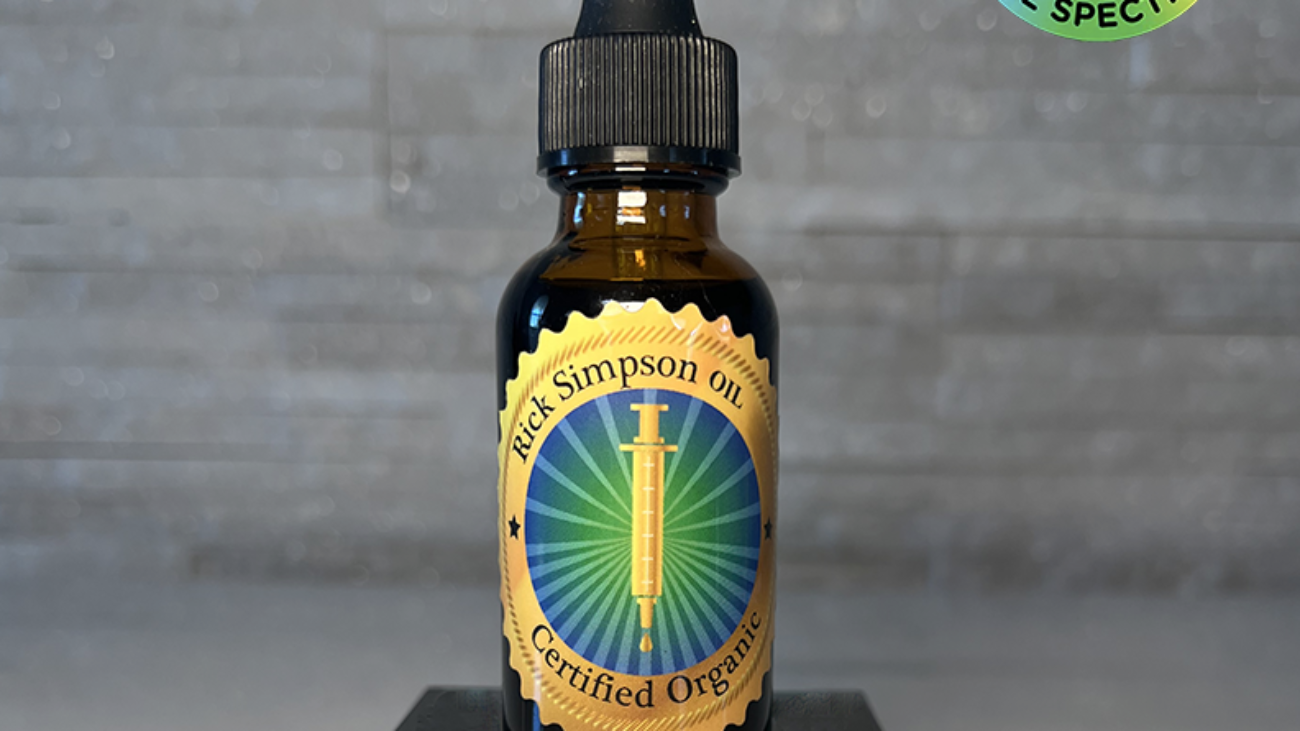
The question “Does Rick Simpson Oil cure cancer?” persists in 2025, fueled by Rick Simpson’s claims and online anecdotes. RSO, a high-THC full-spectrum cannabis extract, gained fame after Simpson said it cleared his skin cancer in 2003.
Many share inspiring stories of tumor regression or symptom relief. However, scientific consensus remains cautious—no conclusive proof RSO cures cancer.
This guide examines latest evidence, real stories, mechanisms, and balanced perspectives. RSO may support symptoms but isn’t a proven cure—consult oncologists always.
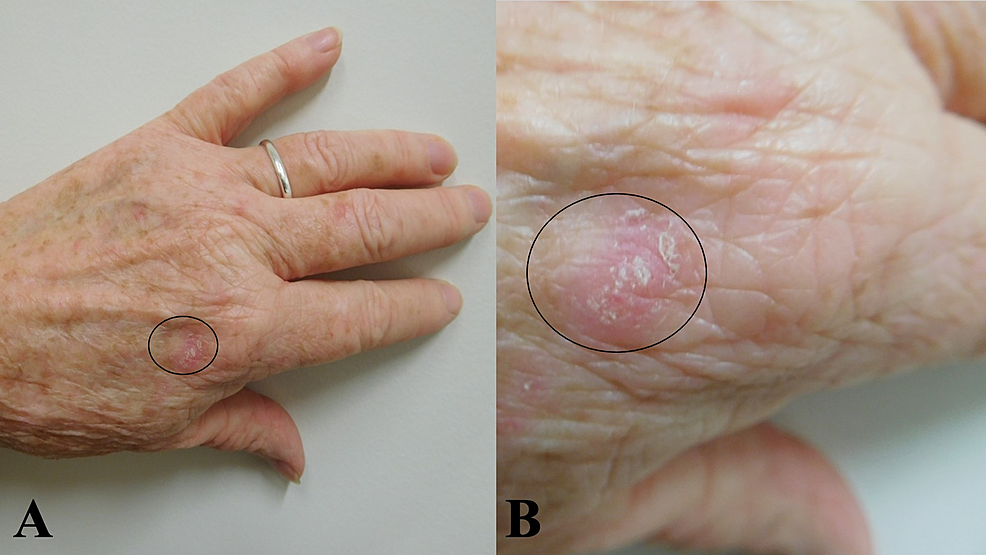
Simpson applied homemade oil to basal cell carcinoma spots, reporting disappearance in days. He advocated the 60-gram protocol and shared the recipe freely.
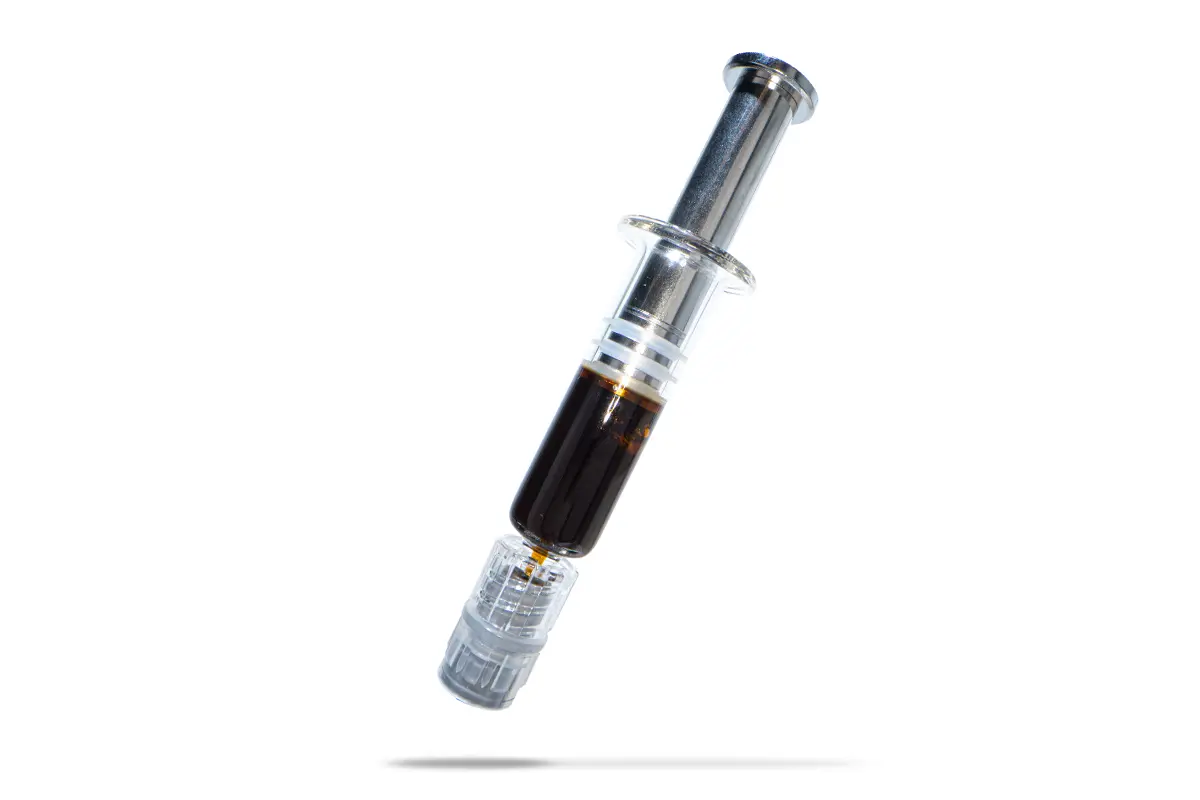
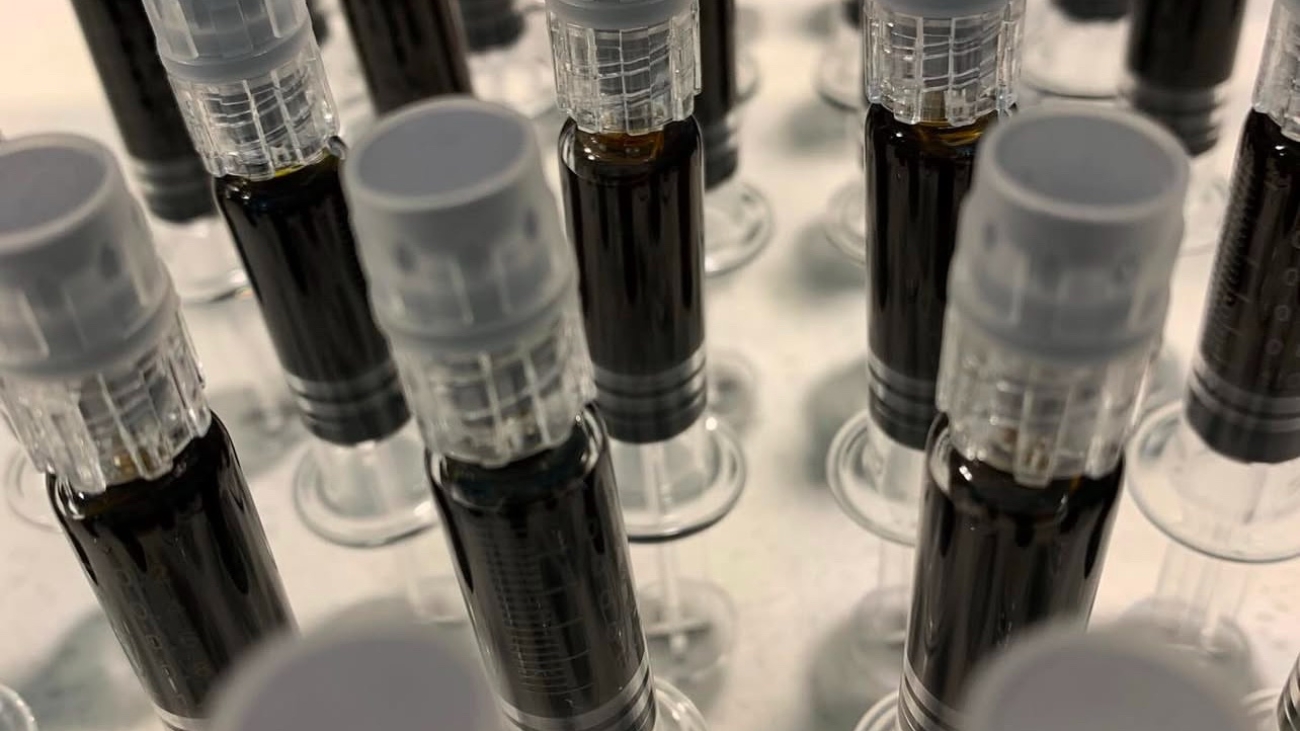
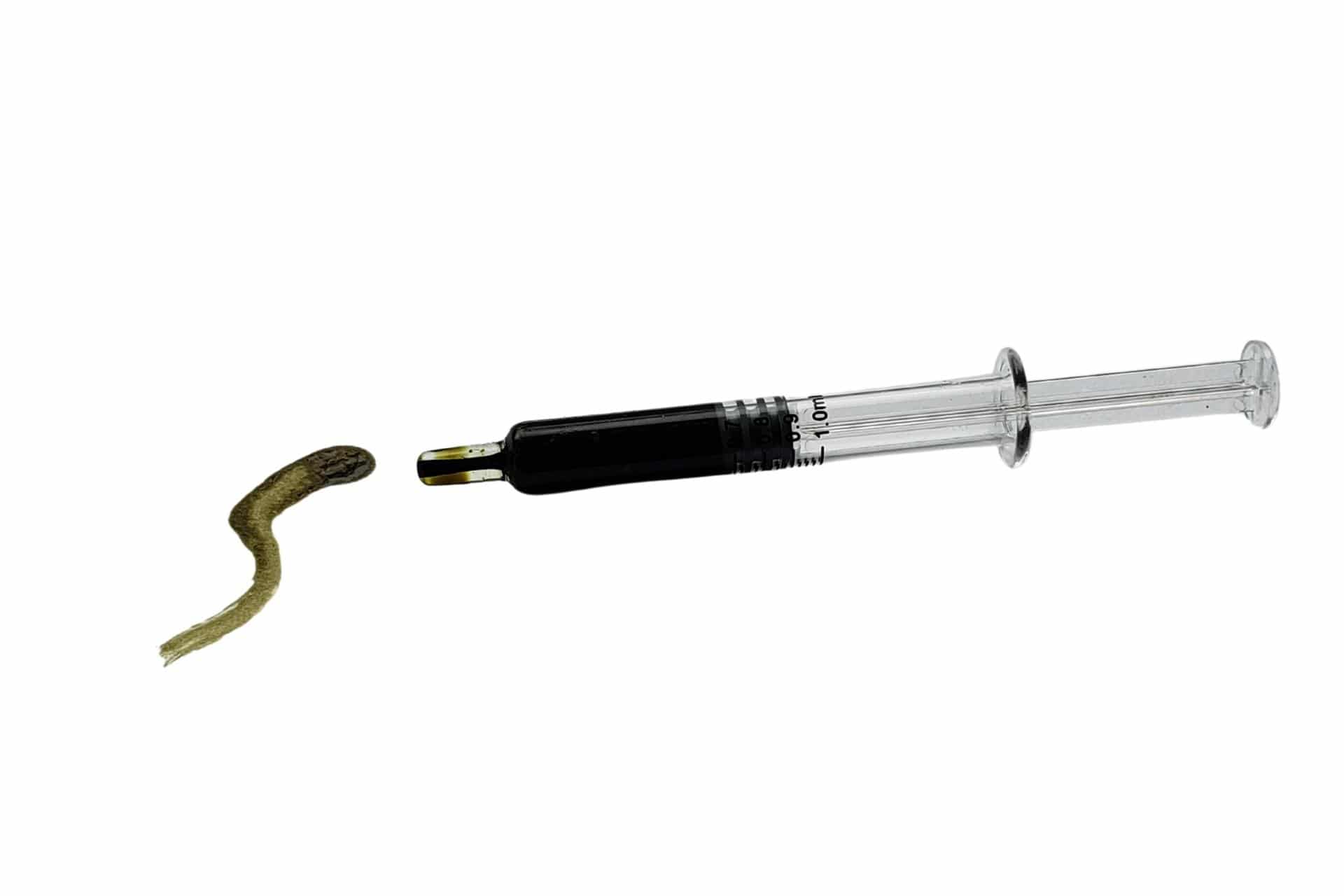
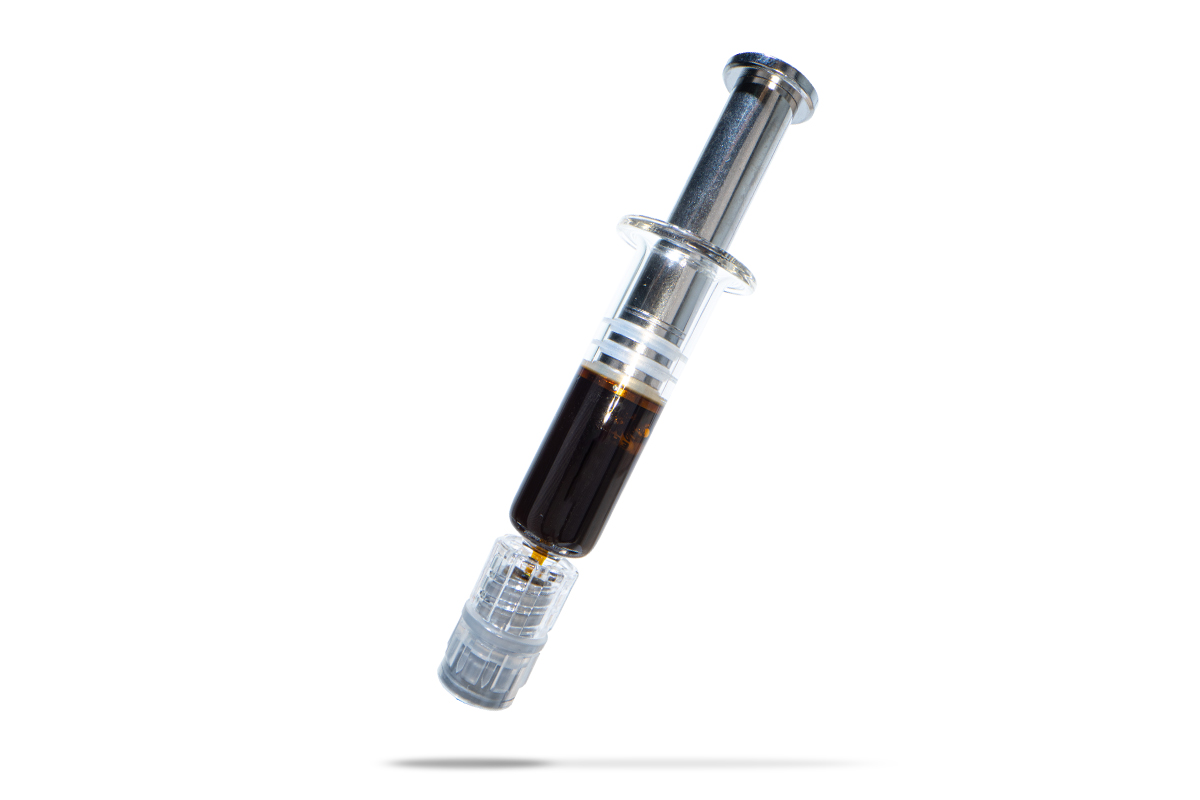
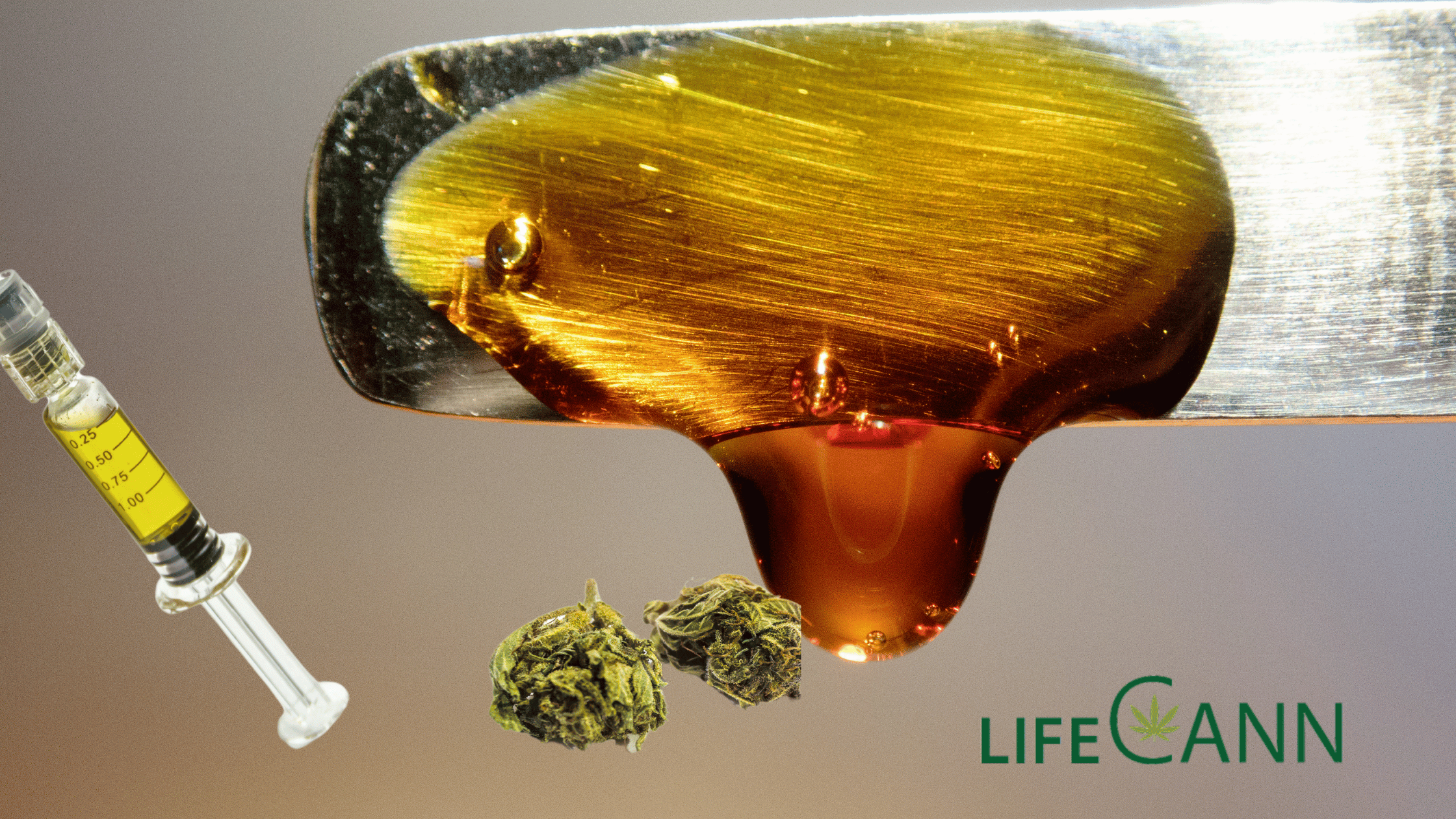
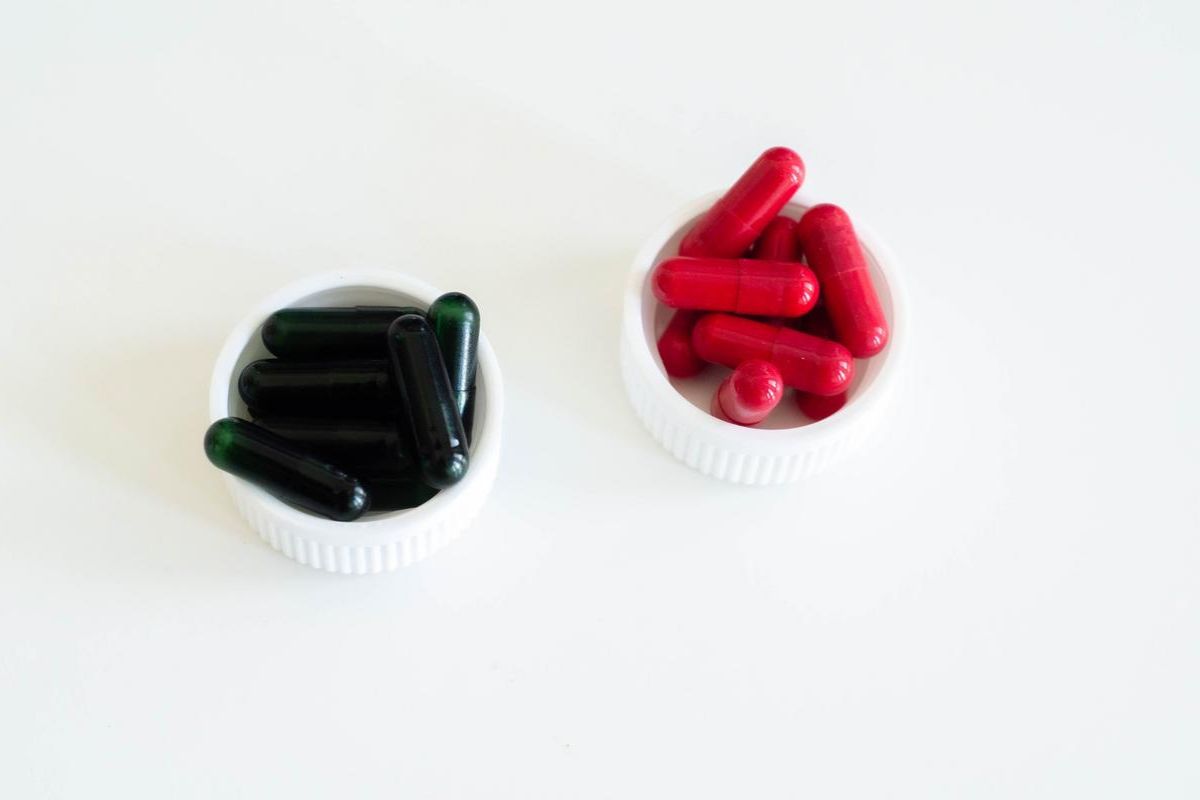
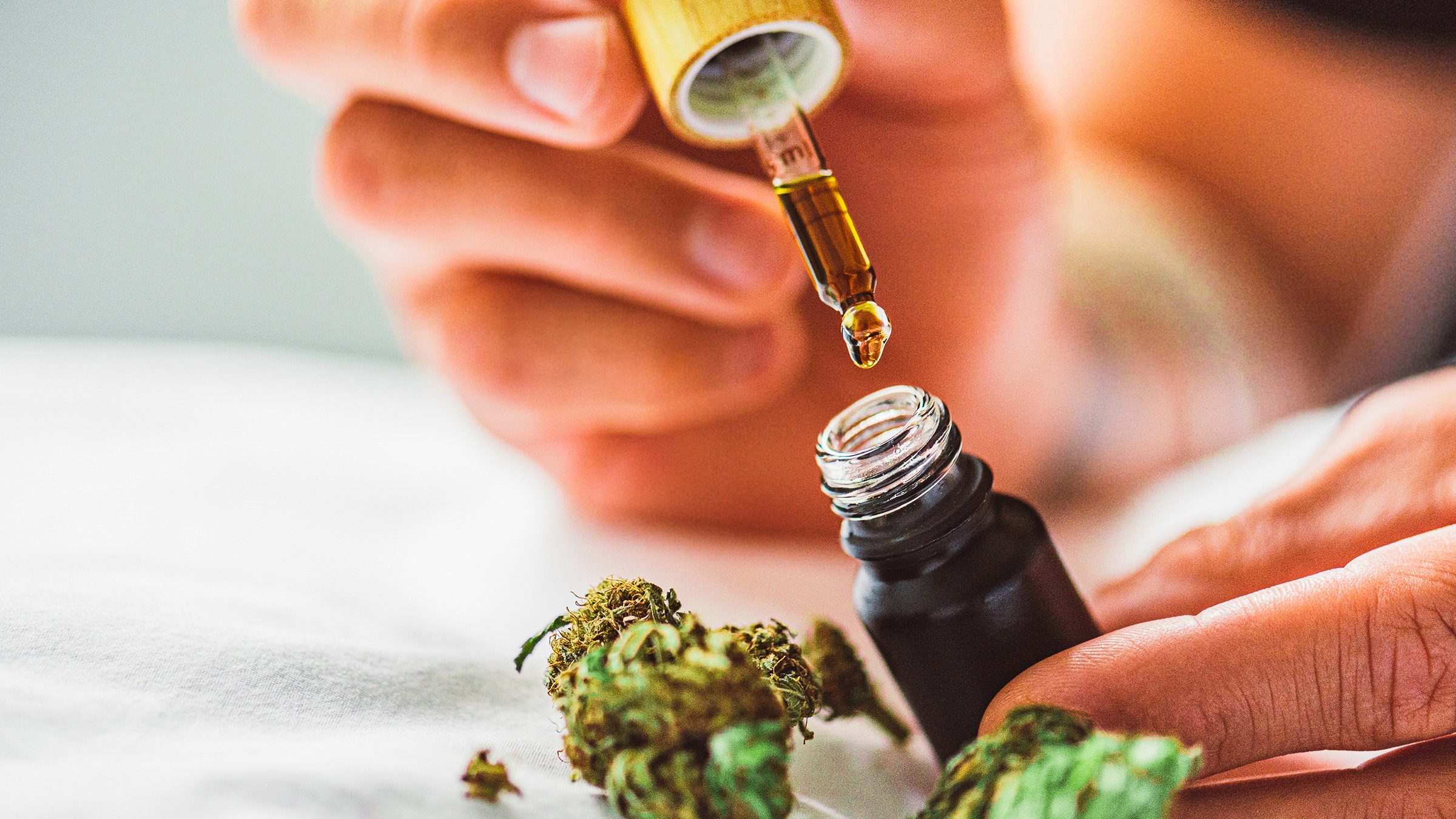
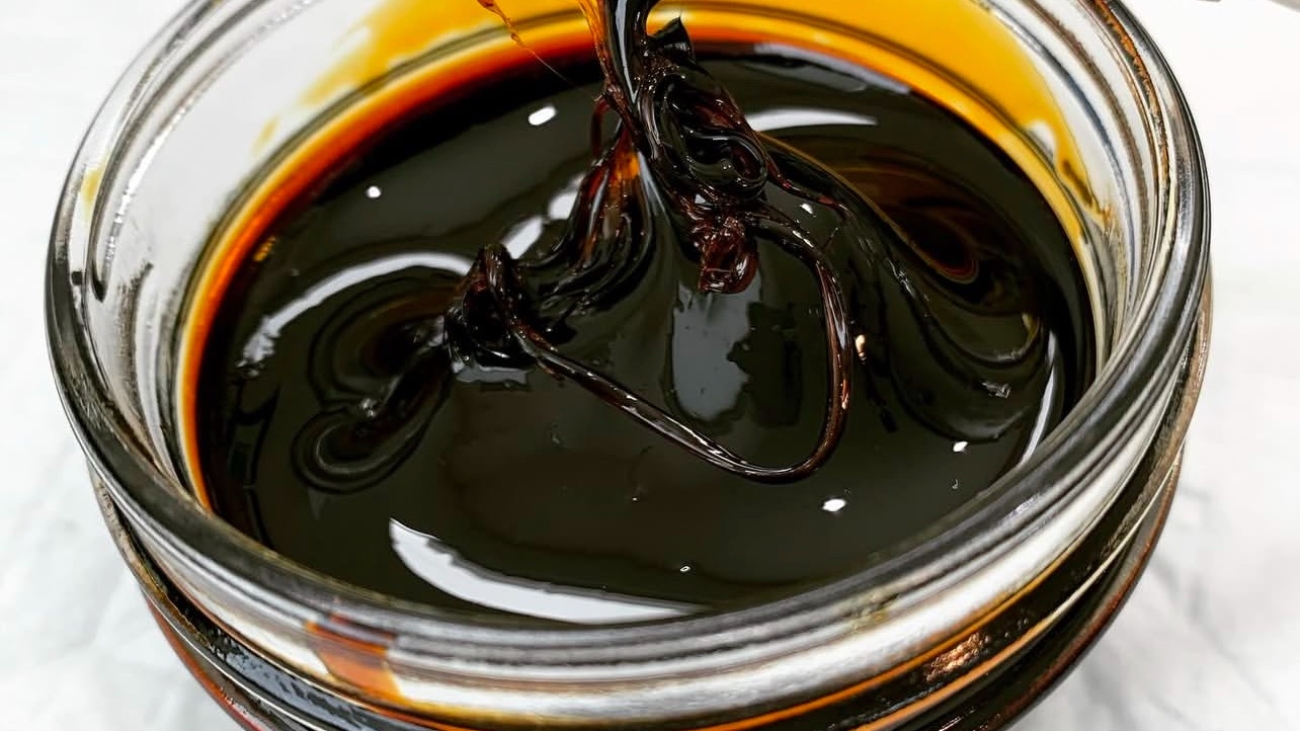
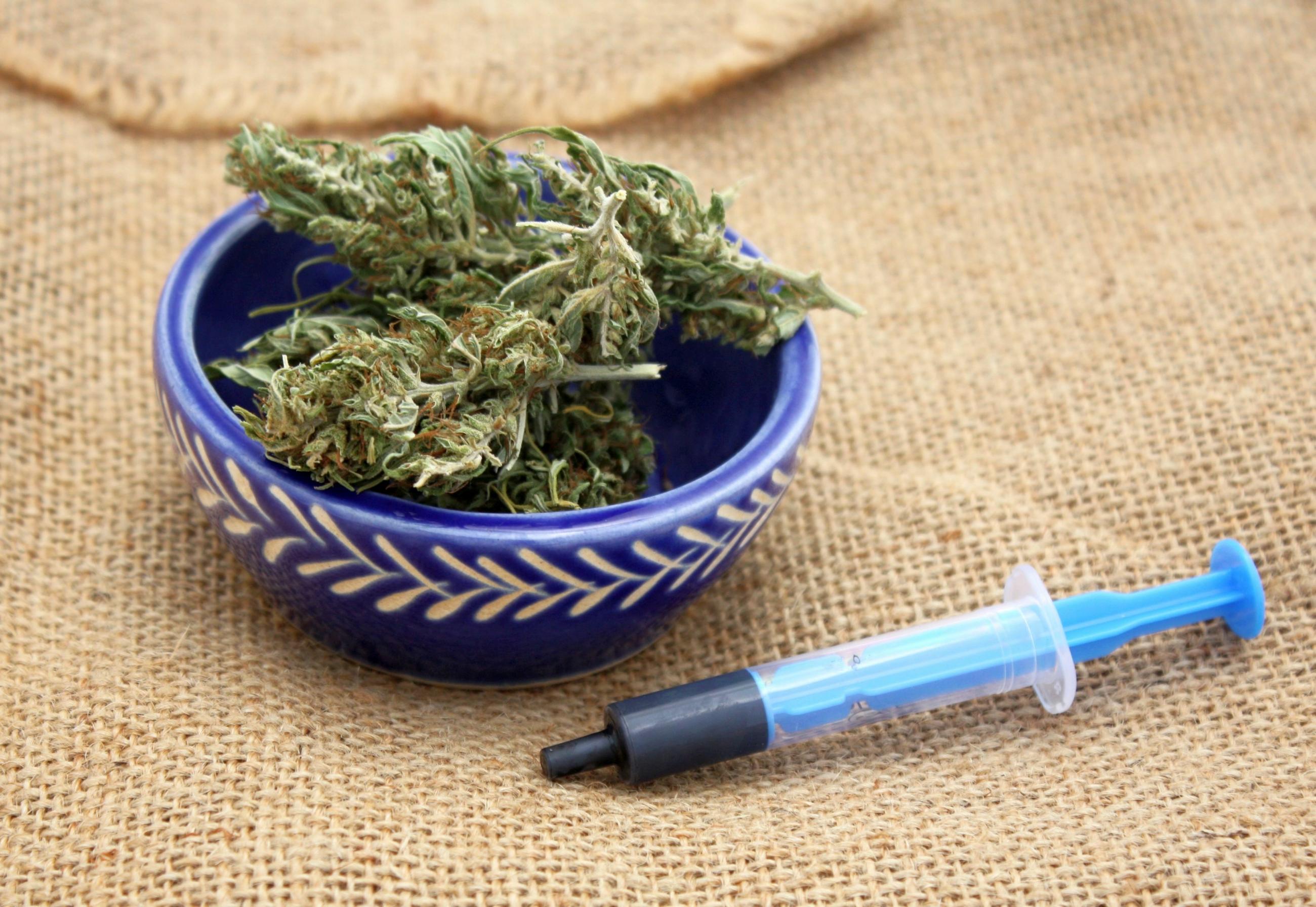
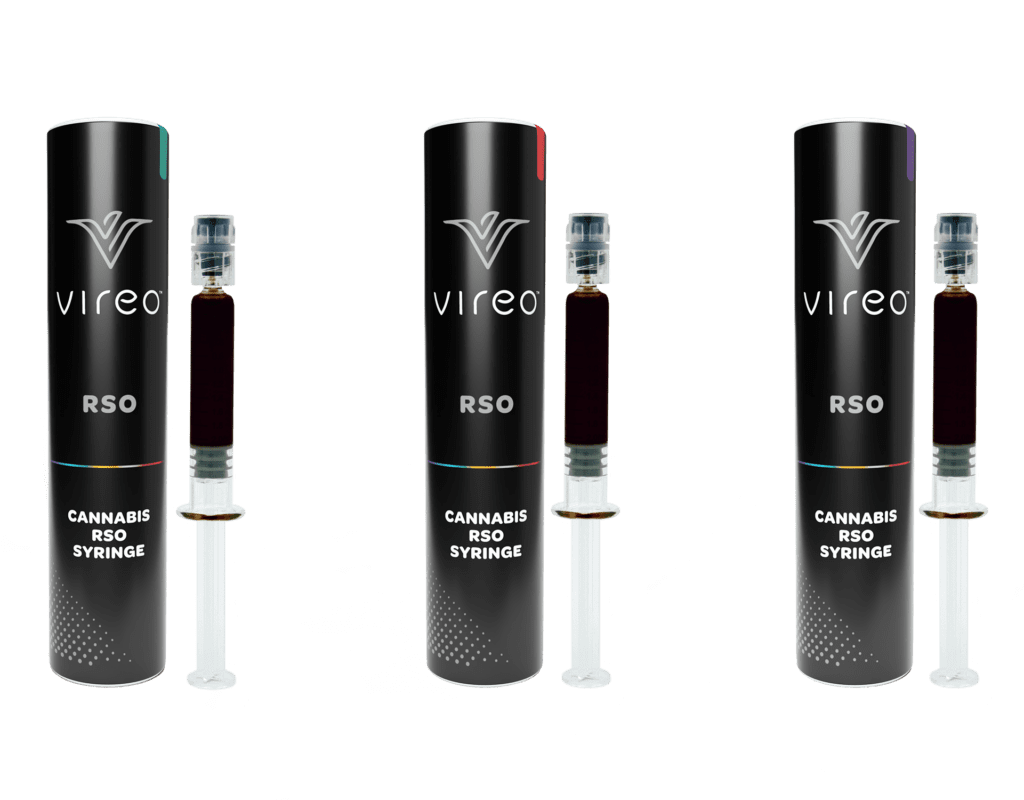
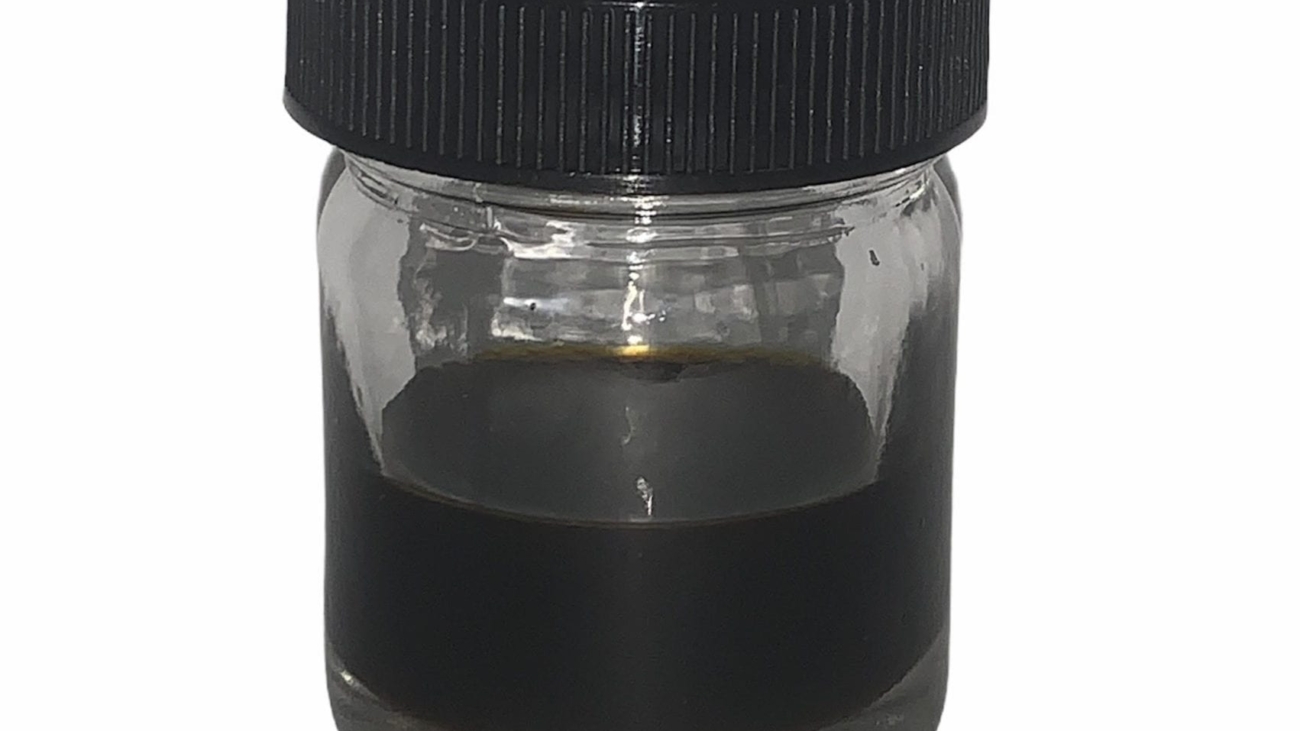
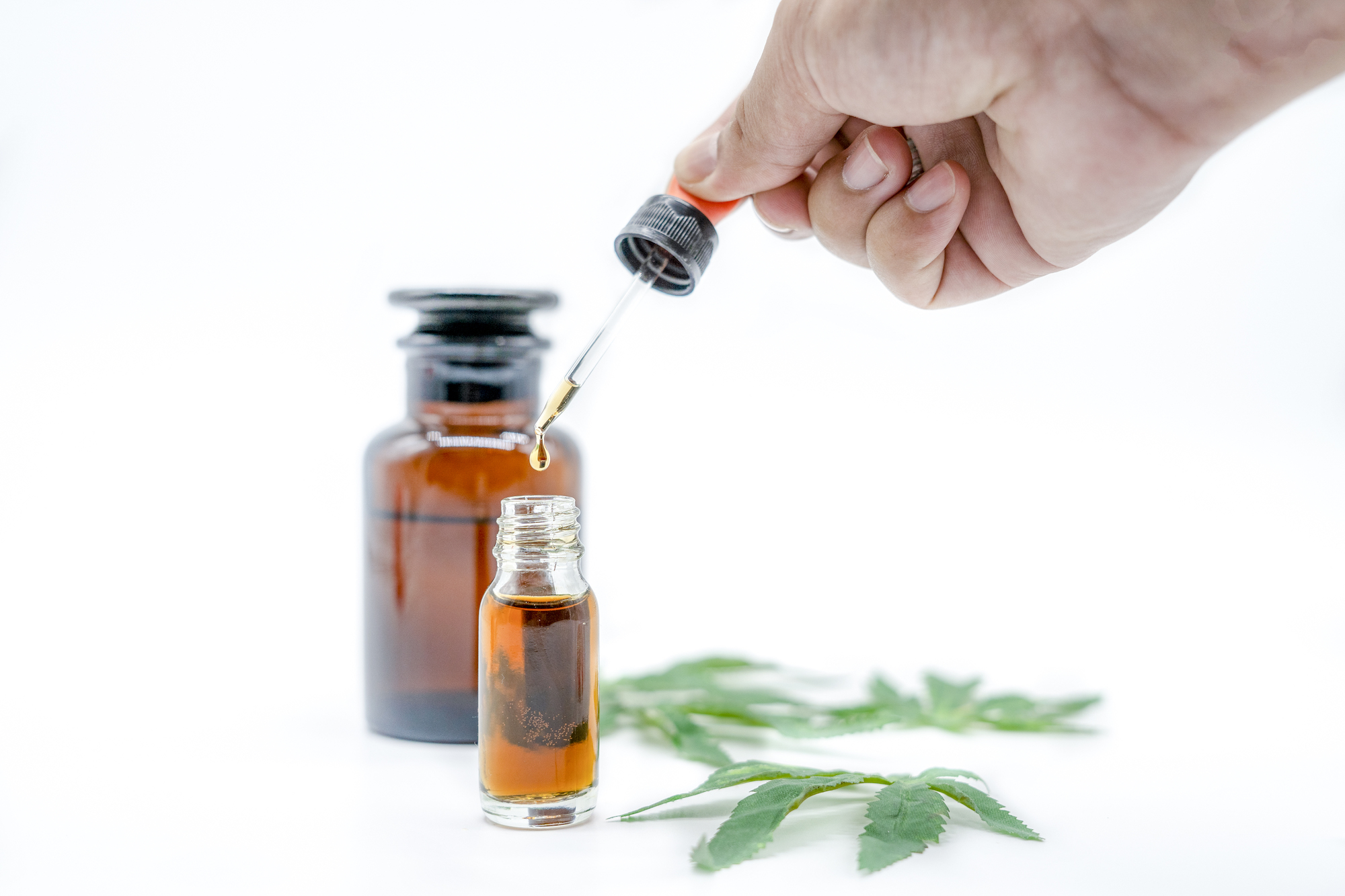
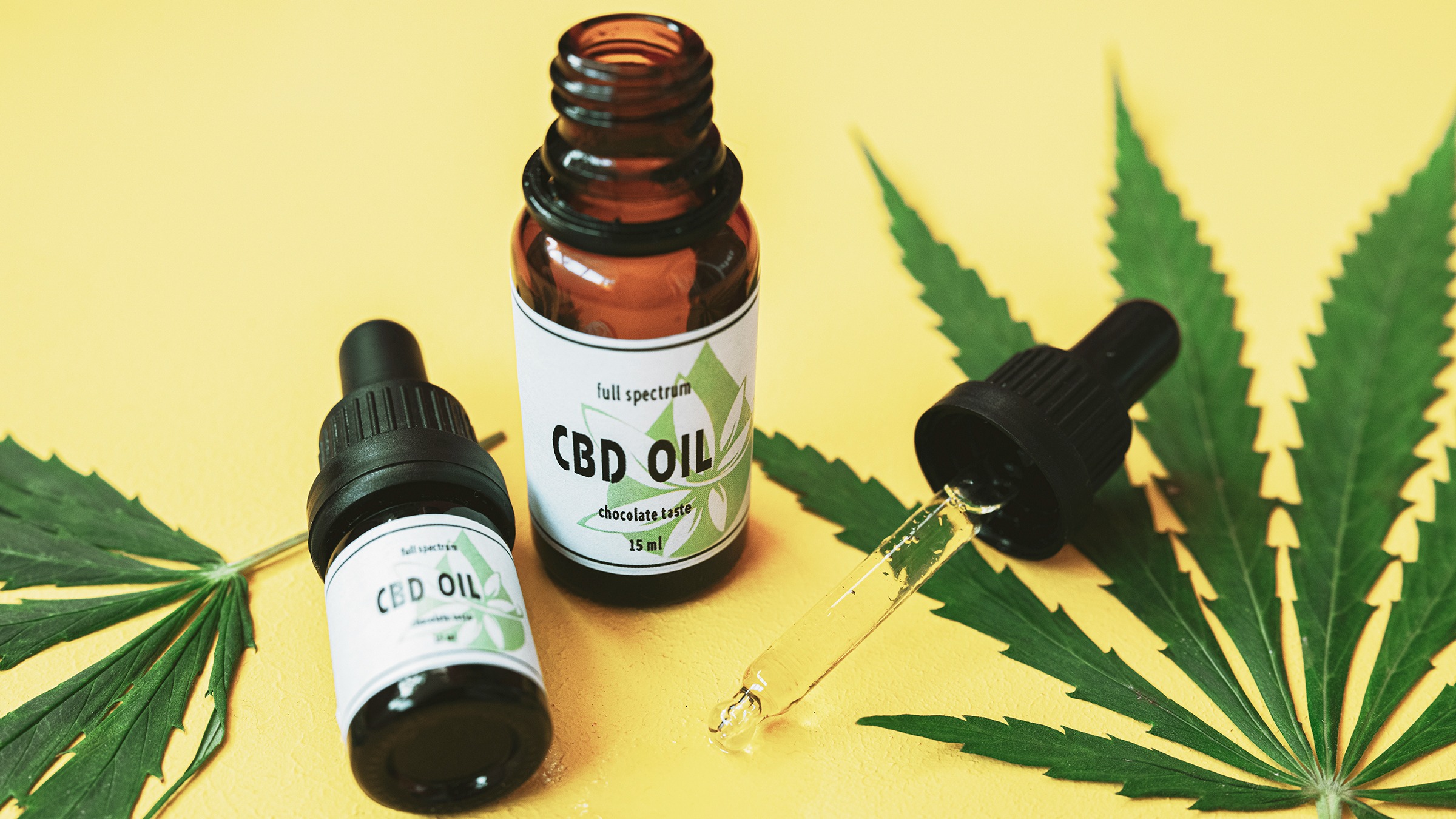
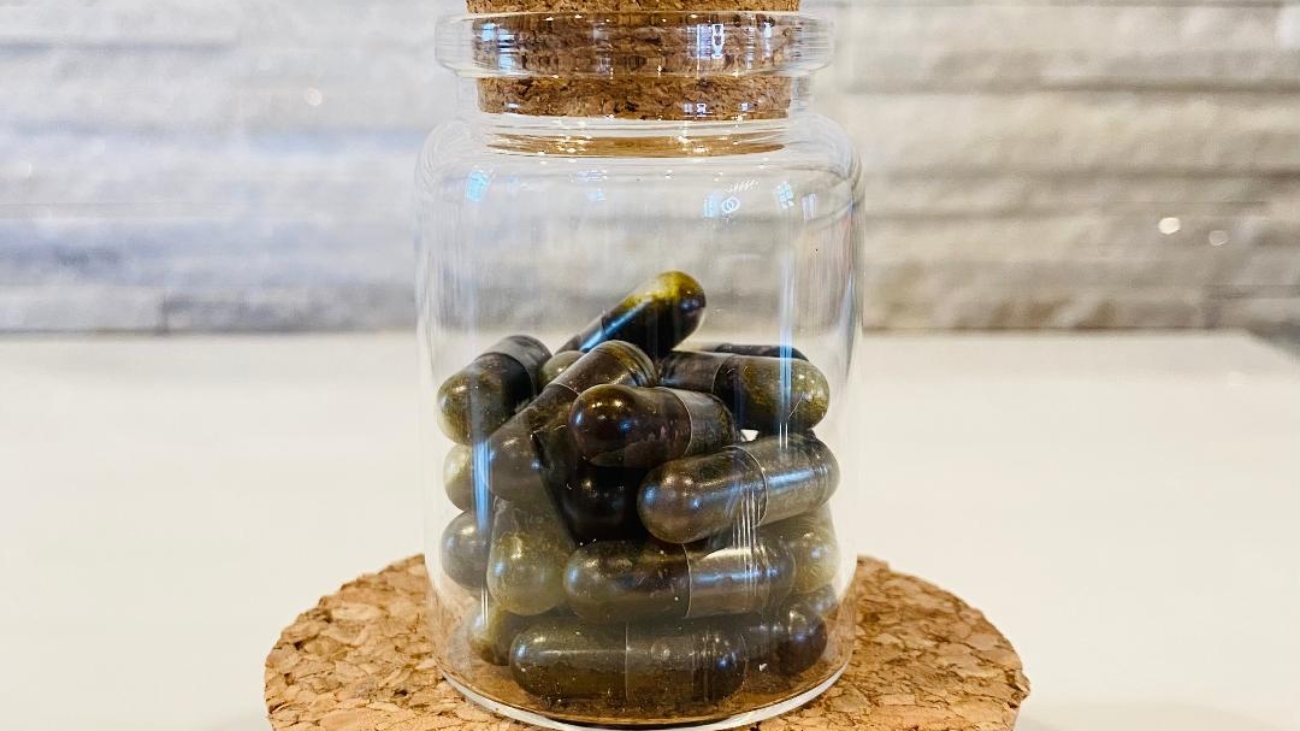
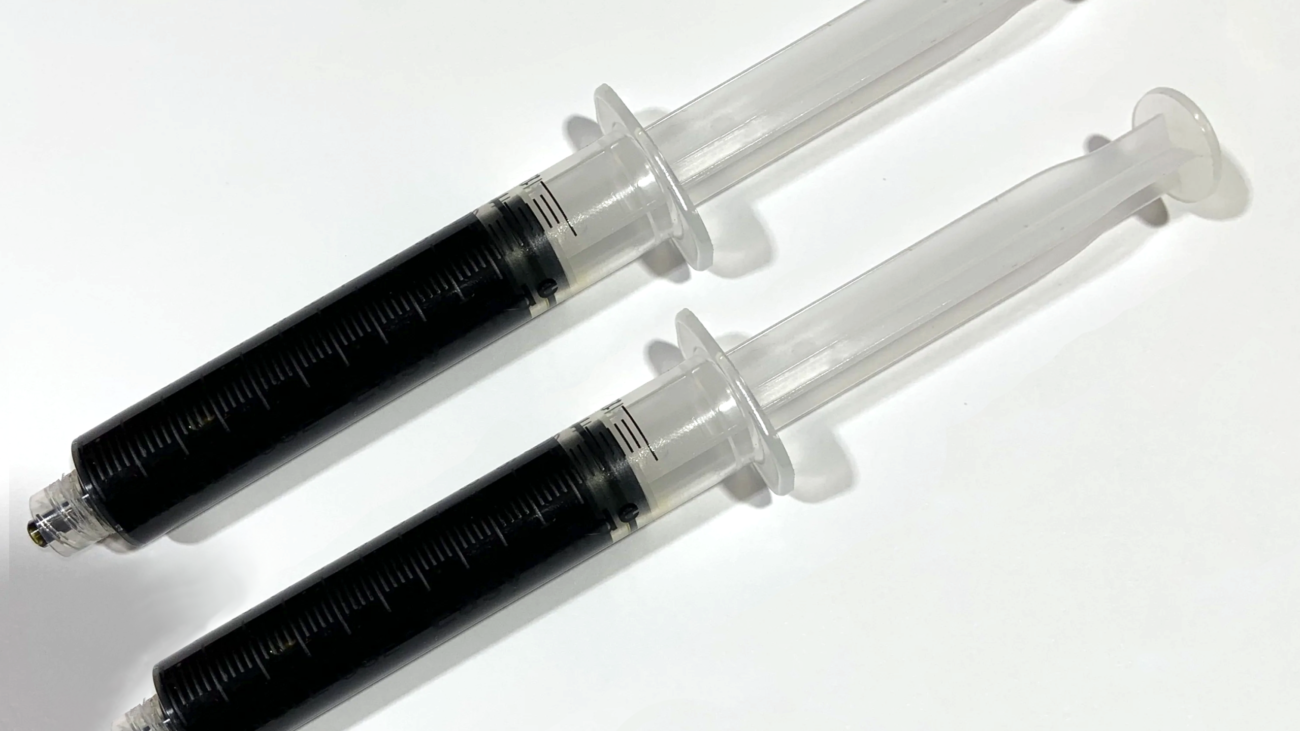
RSO features high THC (60-90%), full-spectrum compounds, dark viscous form in syringes. It’s THC-dominant, unlike balanced extracts.
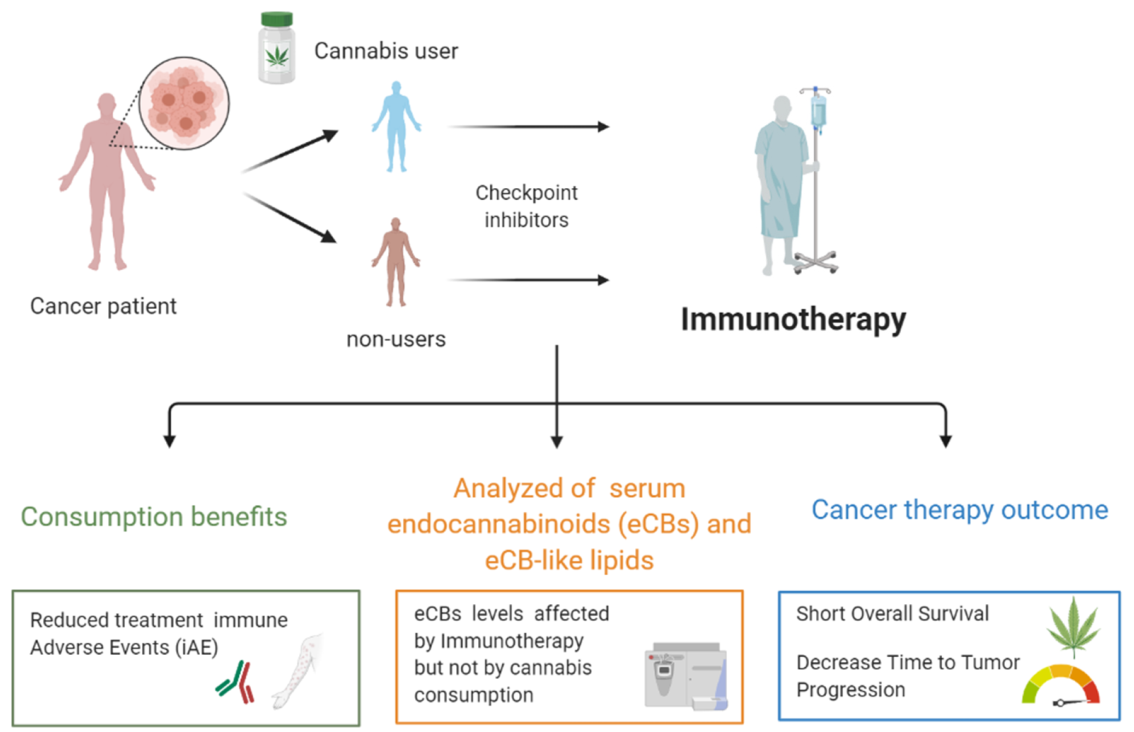
Does Rick Simpson Oil cure cancer? Latest 2025 evidence says no—preclinical promise unmet in human trials. Stories inspire hope, but anecdotes aren’t proof.
The Rick Simpson Oil 60-gram protocol is the cornerstone of Rick Simpson’s recommended regimen. This 90-day (approximately 12-week) plan involves consuming exactly 60 grams of high-potency RSO to potentially achieve maximum therapeutic effects.
In 2025, many still follow or adapt this intensive schedule for serious wellness goals. The protocol emphasizes gradual dosage increases to build tolerance while minimizing side effects.
This guide provides the complete timeline, week-by-week breakdown, visual chart, tips for success, and essential safety notes. The protocol is demanding—consult a healthcare professional before starting.
Overview of the 60-Gram Protocol
Rick Simpson designed the regimen to reach 1 gram of RSO per day after building tolerance. Total consumption: ~60 grams over 90 days.
Three phases:
Weeks 1-4: Micro-dosing to acclimate.
Weeks 5-8: Steady ramp-up.
Weeks 9-12: Full 1g daily maintenance.
Requires ~60-65 grams total (accounting for minor waste).
Total time exactly 90 days? Approximately—adjust to your pace.
What after 60 grams? Simpson suggested 1-2g monthly maintenance.
Can I split doses unevenly? Yes—consistency matters more.
Conclusion
The Rick Simpson Oil 60-gram protocol offers a structured 90-day timeline for high-dose consumption. Follow the schedule carefully, prioritize safety, and source quality product for best results in 2025.
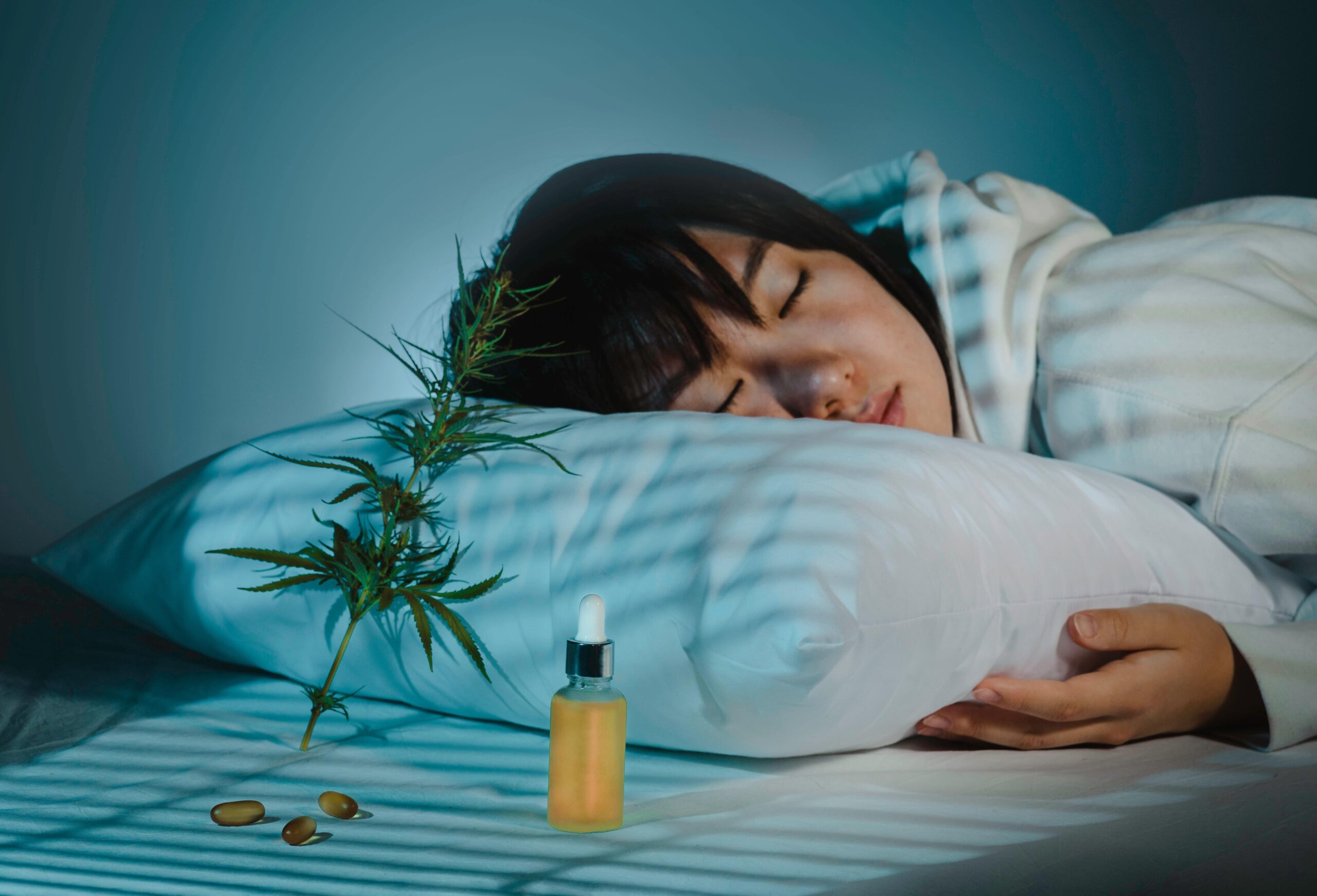
Rick Simpson Oil (RSO) gains popularity in 2025 for natural support in pain relief, sleep, and appetite. This potent full-spectrum cannabis extract, high in THC, interacts with the endocannabinoid system to address these common issues.
Users report relief from chronic pain, deeper sleep, and restored appetite—especially helpful for conditions like arthritis, insomnia, or treatment side effects. The entourage effect from cannabinoids and terpenes enhances these benefits.
This guide explores how RSO helps with pain, sleep, and appetite, backed by anecdotes and research. Always consult a doctor—RSO isn’t a substitute for medical treatment.
Pair with mindfulness or diet. For broader wellness, check Magic Mushroom Store.
Frequently Asked Questions
How fast for pain relief? 30-90 minutes.
Best for nighttime? Yes, sedative effects.
Appetite without high? Lower doses help.
Conclusion
Rick Simpson Oil offers promising natural support for pain relief, sleep, and appetite in 2025. Its full-spectrum potency addresses multiple needs effectively.
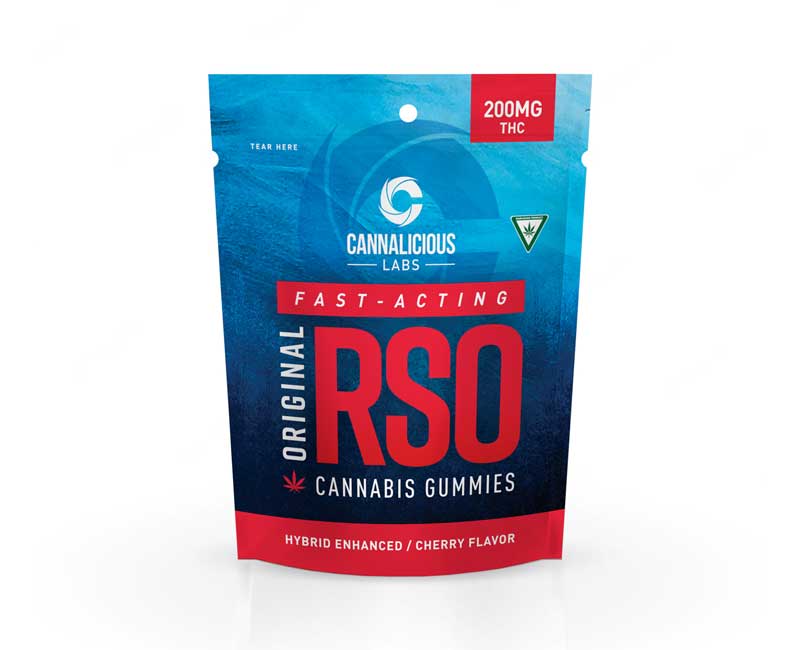
RSO edibles and gummies provide a tasty, discreet way to consume potent Rick Simpson Oil. Infusing RSO into gummies or other treats creates long-lasting effects, ideal for sustained relief.
In 2025, commercial RSO edibles thrive in legal states, while homemade versions offer customization. High THC content demands careful dosing—edibles hit slower but stronger than other methods.
This guide covers dosage, effects, simple recipes, and tips. Start low; edibles vary in potency.
Using RSO topically for skin conditions and cancer spots gained fame through Rick Simpson’s personal story. He applied cannabis oil directly to basal cell carcinoma lesions, reportedly clearing them quickly.
In 2025, many explore topical RSO for issues like eczema, psoriasis, acne, wounds, or suspicious spots. Topical use delivers cannabinoids locally with minimal psychoactivity, as THC absorption through skin is low.
This guide covers how to apply RSO topically, potential benefits, real experiences, research, and safety. It’s not medical advice—consult dermatologists or oncologists, especially for cancer concerns.
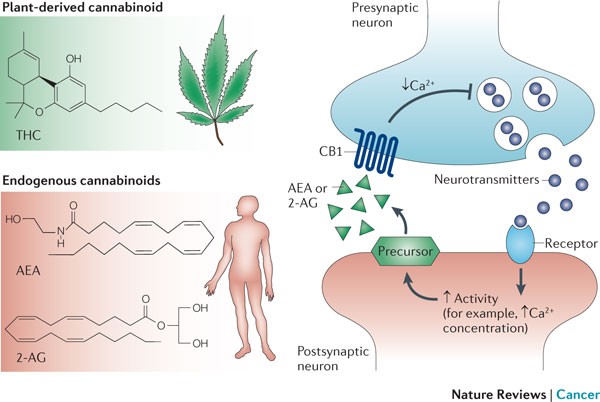
Skin has endocannabinoid receptors (CB1/CB2). Cannabinoids in RSO interact locally to reduce inflammation, modulate cell growth, and soothe irritation.
THC provides analgesic and anti-inflammatory effects. Terpenes add antimicrobial properties.
Unlike oral use, topical avoids the “high”—ideal for targeted relief.
How long to see results? Days to weeks, per anecdotes.
Can it burn skin? Rarely—dilute if needed.
Safe for face? Yes, cautiously around eyes.
Conclusion
Using RSO topically for skin conditions and cancer spots offers localized cannabinoid delivery with promising anecdotes and early research support. Approach as complementary, not replacement therapy.
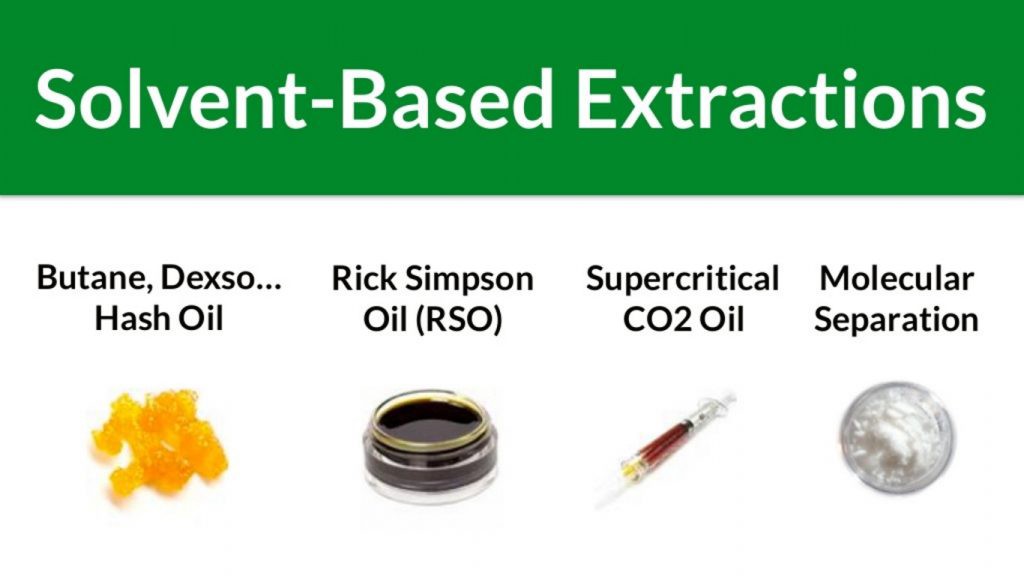
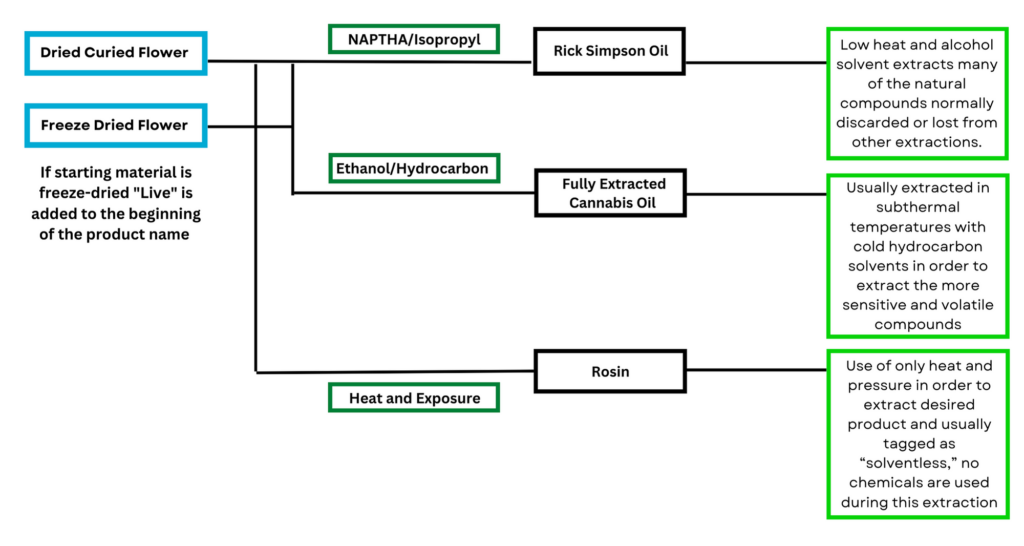
RSO vs FSO (full-spectrum oil) is a frequent comparison in cannabis circles. Rick Simpson Oil (RSO) is a specific high-THC full-spectrum extract, while FSO (or FECO—Full Extract Cannabis Oil) refers to broader full-spectrum oils that preserve the plant’s cannabinoids, terpenes, and flavonoids.
Both offer the entourage effect, but differ in potency, extraction, appearance, and uses. In 2025, choices depend on your goals—intense THC effects or balanced profile.
This guide breaks down differences, pros/cons, and which might be “better” for you.
Are they the same? No—RSO is a type of FSO, but more specific/extreme.
Legal differences? Both restricted to legal cannabis states.
Can I make FSO at home? Safer than RSO with clean methods.
Conclusion
RSO vs FSO highlights potency vs balance: RSO for intense THC, FSO for refined full-spectrum. In 2025, FSO often edges out for versatility and quality.
Rick Simpson Oil (RSO), a potent full-spectrum cannabis concentrate, offers potential benefits but also comes with side effects due to its high THC content (often 60-90%).
In 2025, understanding Rick Simpson Oil side effects and how to manage them is crucial for safe use. Common issues stem from THC’s psychoactive nature, especially for beginners or at higher doses.
Most side effects are temporary and mild, but knowing how to handle them ensures a positive experience. This guide covers frequent side effects, causes, management strategies, and prevention tips. Always start low and consult a healthcare provider.
How long do side effects last? 1-8 hours, depending on dose/method.
Worst for beginners? Yes—tolerance helps.
Can I drive after RSO? No—impairment risks.
Conclusion
Rick Simpson Oil side effects are manageable with preparation and caution. Most stem from THC potency, but strategies like hydration, CBD, and low dosing make them minimal.
The RSO protocol refers to the famous 90-day treatment schedule popularized by Rick Simpson for consuming 60 grams of his potent cannabis oil. Also known as the full Rick Simpson treatment schedule, it involves gradually increasing daily intake to build tolerance while aiming for potential therapeutic benefits.
In 2025, many still follow or adapt this regimen for wellness support, though it’s most associated with serious conditions. The core idea: start small to avoid overwhelming effects, then ramp up to 1 gram per day.
This guide explains the classic protocol step-by-step, modifications for beginners, administration tips, and important safety notes. RSO is not medically proven—consult professionals before starting.
What is the RSO Protocol?
Rick Simpson recommended consuming 60 grams of high-THC RSO over 90 days (about 12 weeks). The schedule has three phases:
Acclimation – Tiny doses to build tolerance.
Ramp-Up – Steady increases.
Full Dose Maintenance – 1 gram daily.
Goal: Reach a point where the body processes high THC without severe psychoactivity. Simpson claimed this amount was needed for maximum effect.
The Full Rick Simpson Treatment Schedule Explained
Phase 1: Weeks 1-4 (Tolerance Building)
Start extremely low—many feel effects from the first dose.
Weeks 1-2: Begin with a dose the size of half a grain of dry rice (~0.025g) three times daily.
Weeks 3-4: Increase to full rice grain (~0.05g) three times daily.
Total per day: 0.075-0.15g.
Goal: Avoid “greening out” (over-intoxication). Take with food for better absorption.
Phase 2: Weeks 5-8 (Gradual Increase)
Double the dose every 4 days as tolerated.
Week 5: ~0.1-0.25g per dose, 3x/day.
Week 6-7: Continue doubling until reaching 0.5g total daily.
Week 8: Approach 0.5-0.75g daily.
Listen to your body—pause increases if effects are too strong.
How long to feel effects? 30-120 minutes per dose.
What if I miss a dose? Resume normal—no need to double.
Can I stop early? Yes—listen to your body.
Conclusion
The RSO protocol with its full Rick Simpson treatment schedule offers a structured approach to high-dose cannabis oil consumption. While anecdotal stories inspire, approach thoughtfully with professional guidance in 2025.
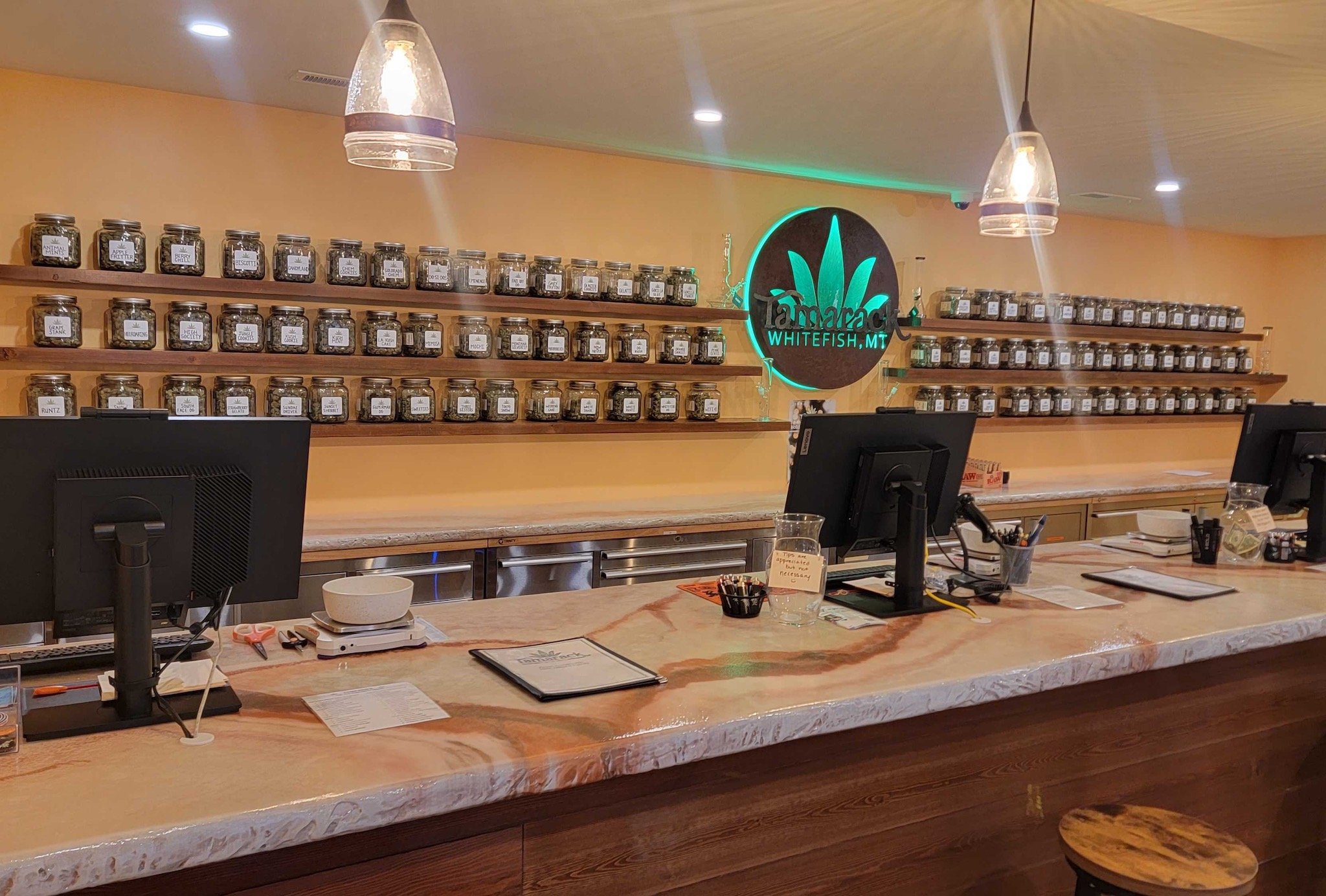
Finding where to buy lab-tested RSO in legal states 2025 is straightforward if you know the landscape. Rick Simpson Oil (RSO), a potent full-spectrum cannabis concentrate, is widely available in states with recreational or medical marijuana programs.
As of late 2025, 24 states plus Washington, D.C., allow recreational cannabis for adults 21+, while many more permit medical use. All licensed dispensaries require lab testing for potency, purity, and contaminants—ensuring safe RSO.
This guide covers legal states, how to find reputable sources, tips for buying, and alternatives. Always verify current laws and ID requirements.
Medical card needed in recreational states? No for purchase.
Best states for selection? California, Colorado, Oregon—mature markets.
Online nationwide? No for high-THC; hemp yes.
Conclusion
Where to buy lab-tested RSO in legal states 2025 boils down to licensed dispensaries in the 24 recreational states. Prioritize tested products for safety and potency.
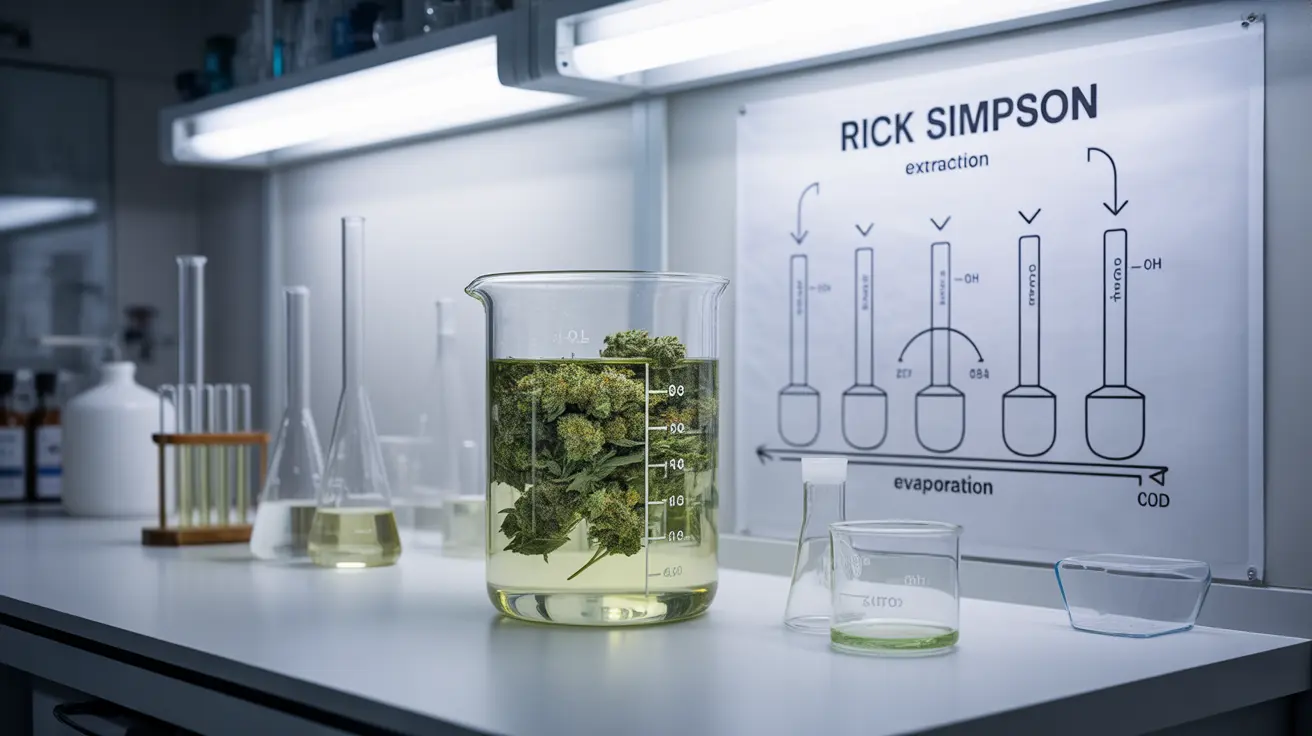
How to make Rick Simpson Oil at home safely is a common query in 2025 as more people explore full-spectrum cannabis extracts for wellness. Rick Simpson Oil (RSO), a thick, potent concentrate from indica cannabis, promises high THC levels (60-90%) and the entourage effect from cannabinoids and terpenes.
Rick Simpson developed this solvent extraction method after claiming it helped his skin cancer. While inspiring, homemade RSO carries serious risks—flammable solvents like naphtha or alcohol can cause explosions, fires, or toxic residues if mishandled.
This step-by-step guide prioritizes safety, using food-grade ethanol over dangerous alternatives. However, experts strongly recommend buying lab-tested RSO to avoid hazards and ensure purity. Legality varies—only legal in states allowing home cannabis processing. Consult professionals; this is educational only.
RSO is a full-spectrum extract preserving the plant’s profile, unlike isolates. It’s viscous, dark, and syringe-packaged for precise dosing.
People make it at home for cost savings (1 lb cannabis yields ~60g RSO) and control over strains. Indica-dominant buds (high THC, low sativa) are ideal.
In 2025, with 24 recreational states, home production is feasible where legal—but dispensary RSO is safer, tested for contaminants.
Rick Simpson Oil: What Is It, What is RSO Used For? | Marijuana Doctor
Legal Status of Making RSO at Home in 2025
Federal law classifies cannabis Schedule I, but 38 states allow medical use, 24 recreational. Home extraction legality mirrors growing/possession limits.
Legal States (e.g., CA, CO, NY): Allowed if within plant/gram caps (e.g., 6 plants CA).
Medical Only: Possible with card, but check processing rules.
Illegal States: Full prohibition—risk felony charges.
Source from dispensaries; unlicensed grows illegal federally. Verify local laws to avoid fines/jail.
How to make Rick Simpson Oil at home safely requires precision, safe solvents like ethanol, and strict precautions—outdoor evaporation, no flames. While empowering, risks (fires, toxins) make lab-tested RSO preferable for most.

 Cart is empty