 Cart is empty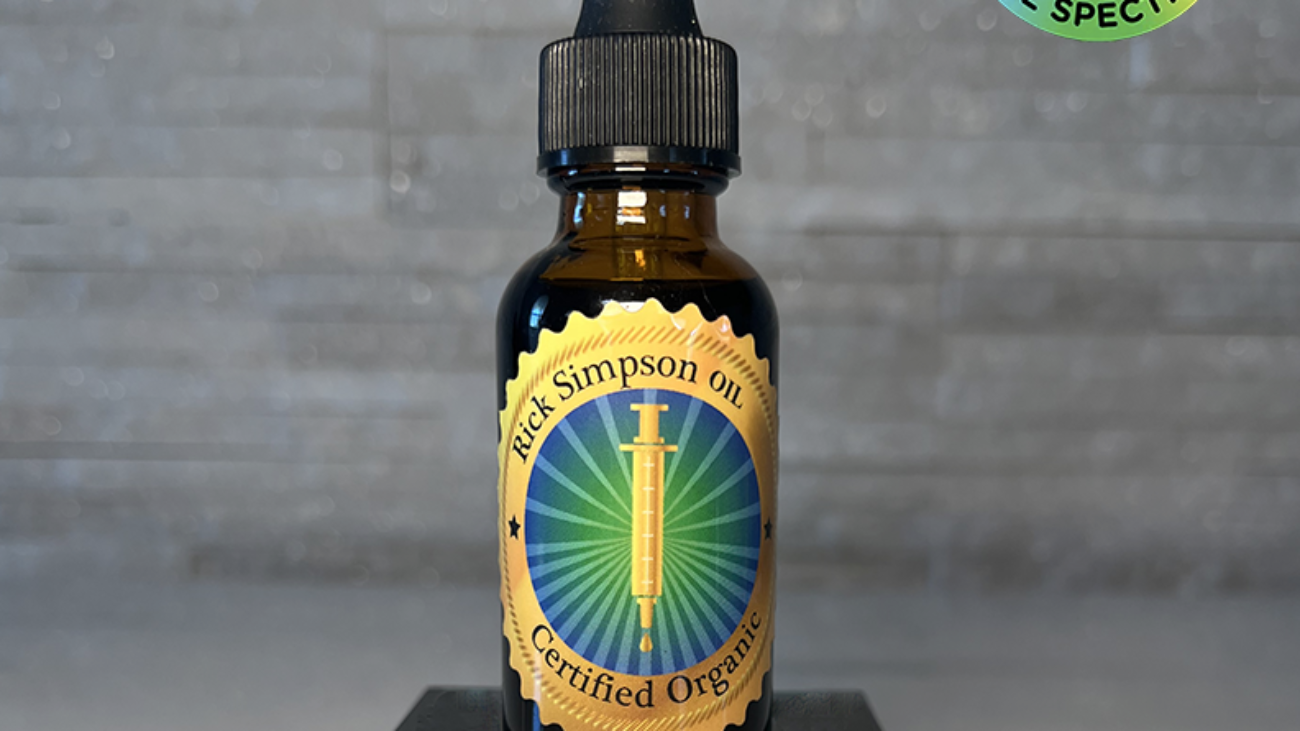
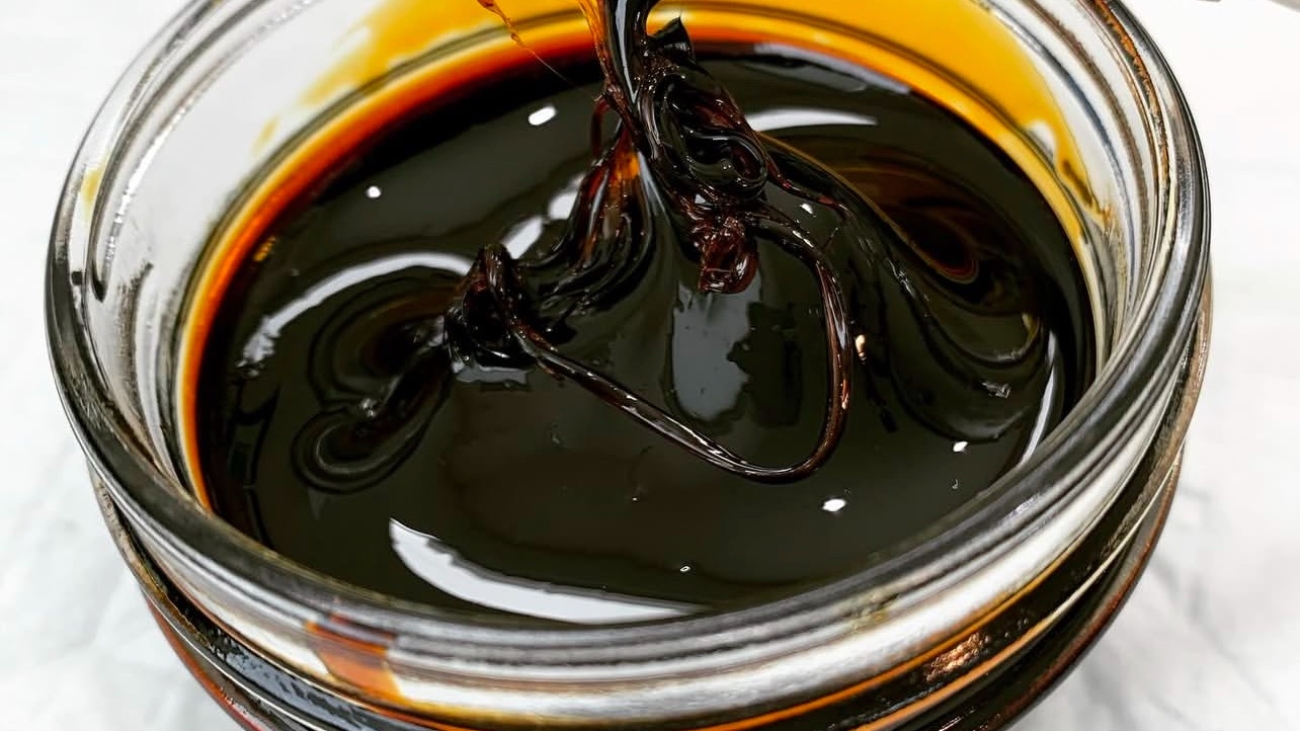
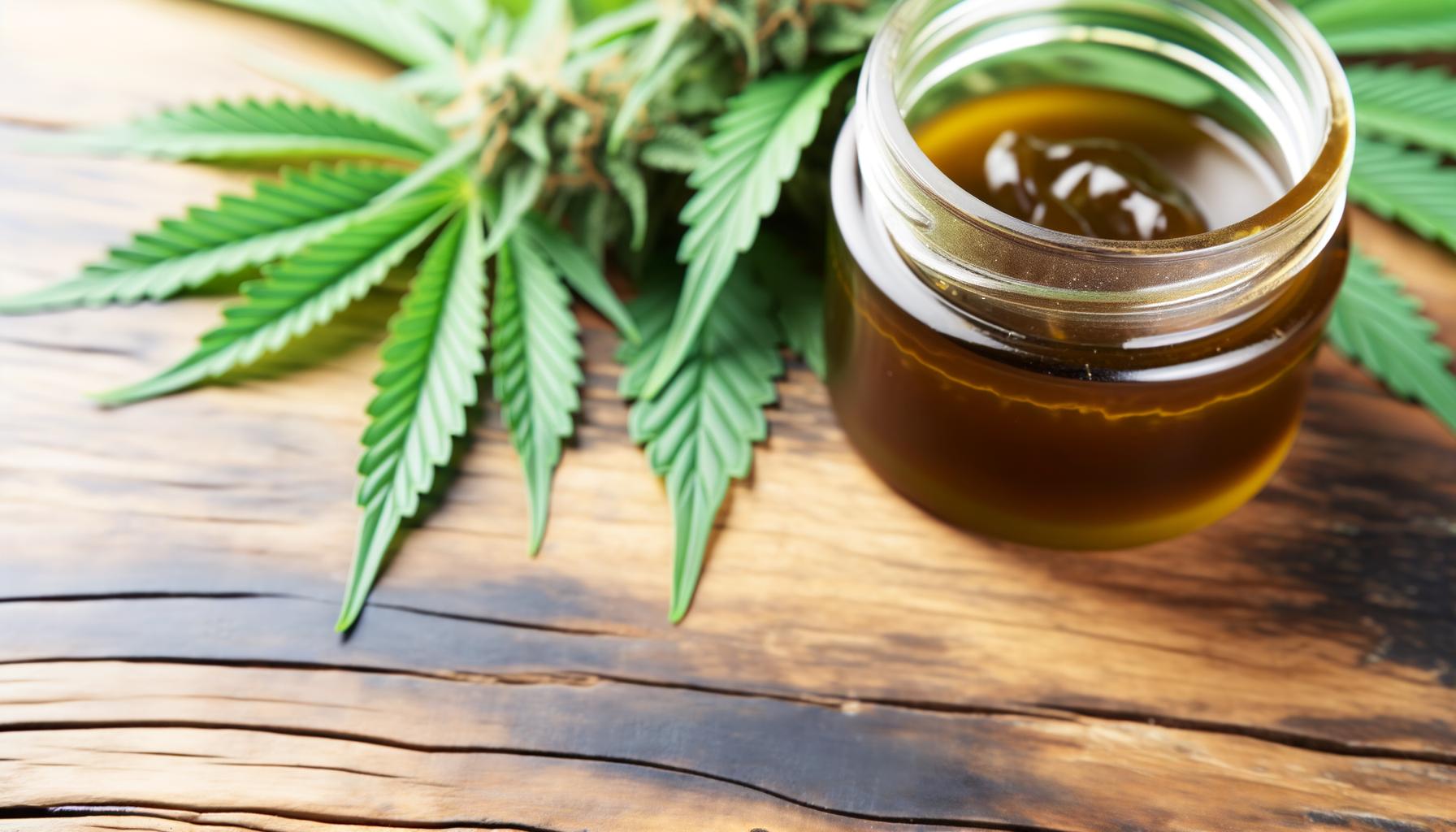
Using RSO topically for skin conditions and cancer spots gained fame through Rick Simpson’s personal story. He applied cannabis oil directly to basal cell carcinoma lesions, reportedly clearing them quickly.
In 2025, many explore topical RSO for issues like eczema, psoriasis, acne, wounds, or suspicious spots. Topical use delivers cannabinoids locally with minimal psychoactivity, as THC absorption through skin is low.
This guide covers how to apply RSO topically, potential benefits, real experiences, research, and safety. It’s not medical advice—consult dermatologists or oncologists, especially for cancer concerns.

How Topical RSO Works on Skin
Skin has endocannabinoid receptors (CB1/CB2). Cannabinoids in RSO interact locally to reduce inflammation, modulate cell growth, and soothe irritation.
THC provides analgesic and anti-inflammatory effects. Terpenes add antimicrobial properties.
Unlike oral use, topical avoids the “high”—ideal for targeted relief.

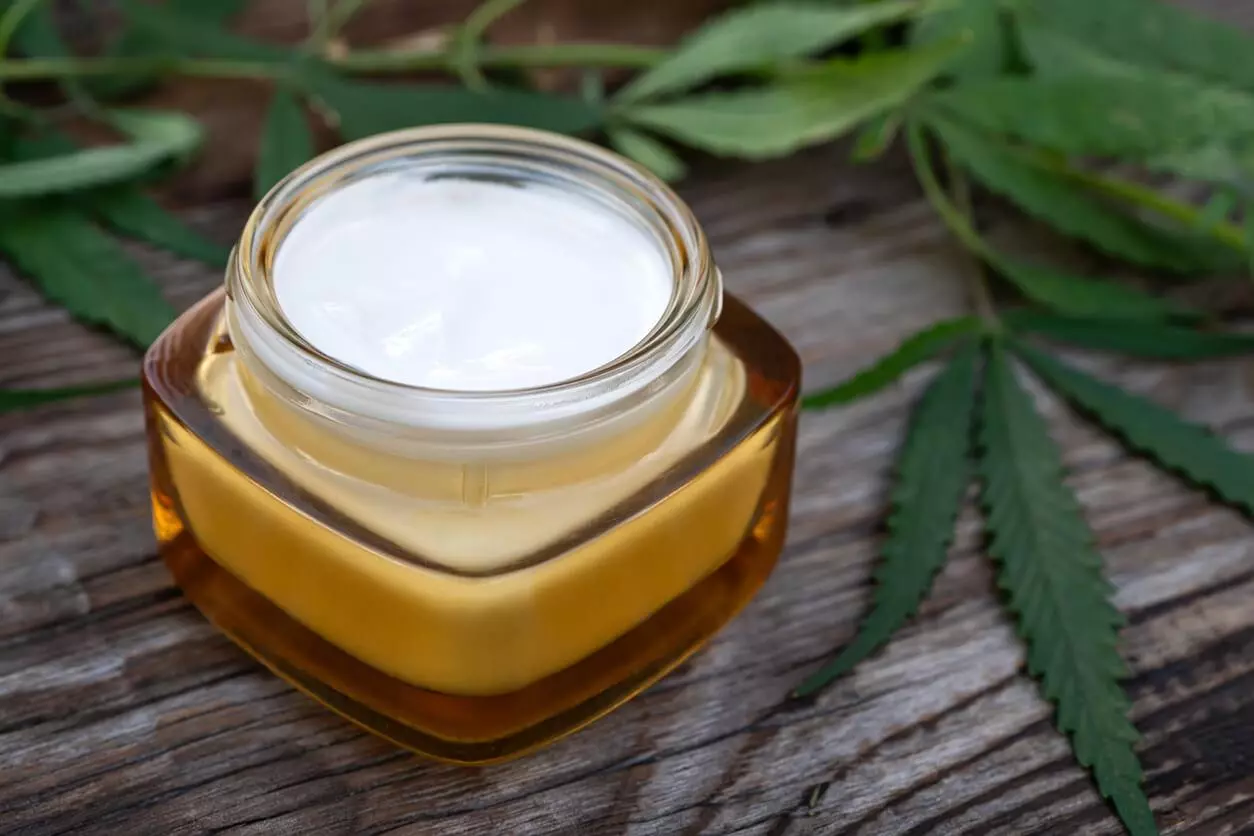
Common Skin Conditions People Use Topical RSO For
Users report trying RSO on:
- Eczema and psoriasis (redness, itching).
- Acne and scars.
- Wounds or burns (healing support).
- Dry, irritated skin.
- Suspicious spots or non-melanoma skin cancers (anecdotal).
Rick Simpson focused on basal cell carcinoma.
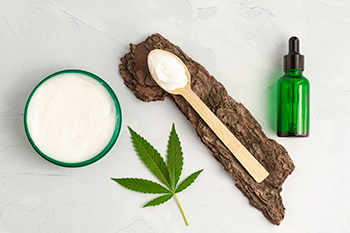
Step-by-Step: How to Apply RSO Topically
Basic Direct Application
- Clean the area gently.
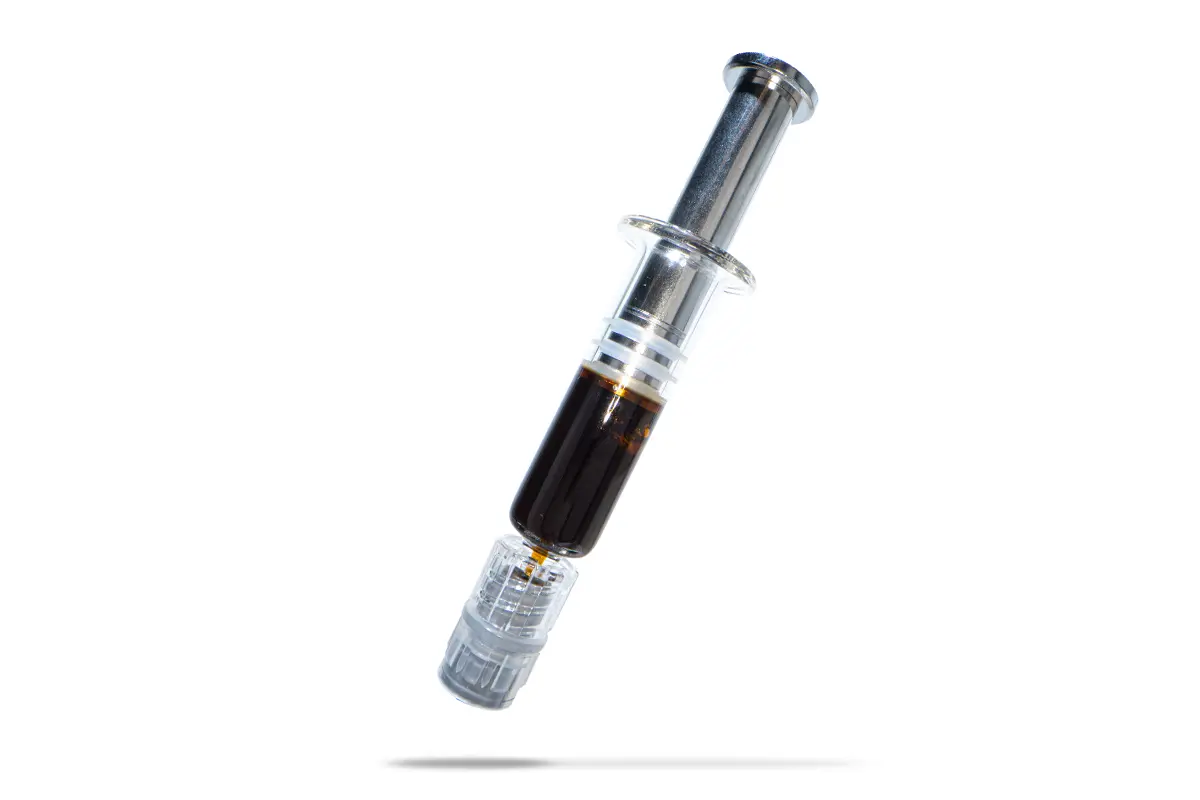
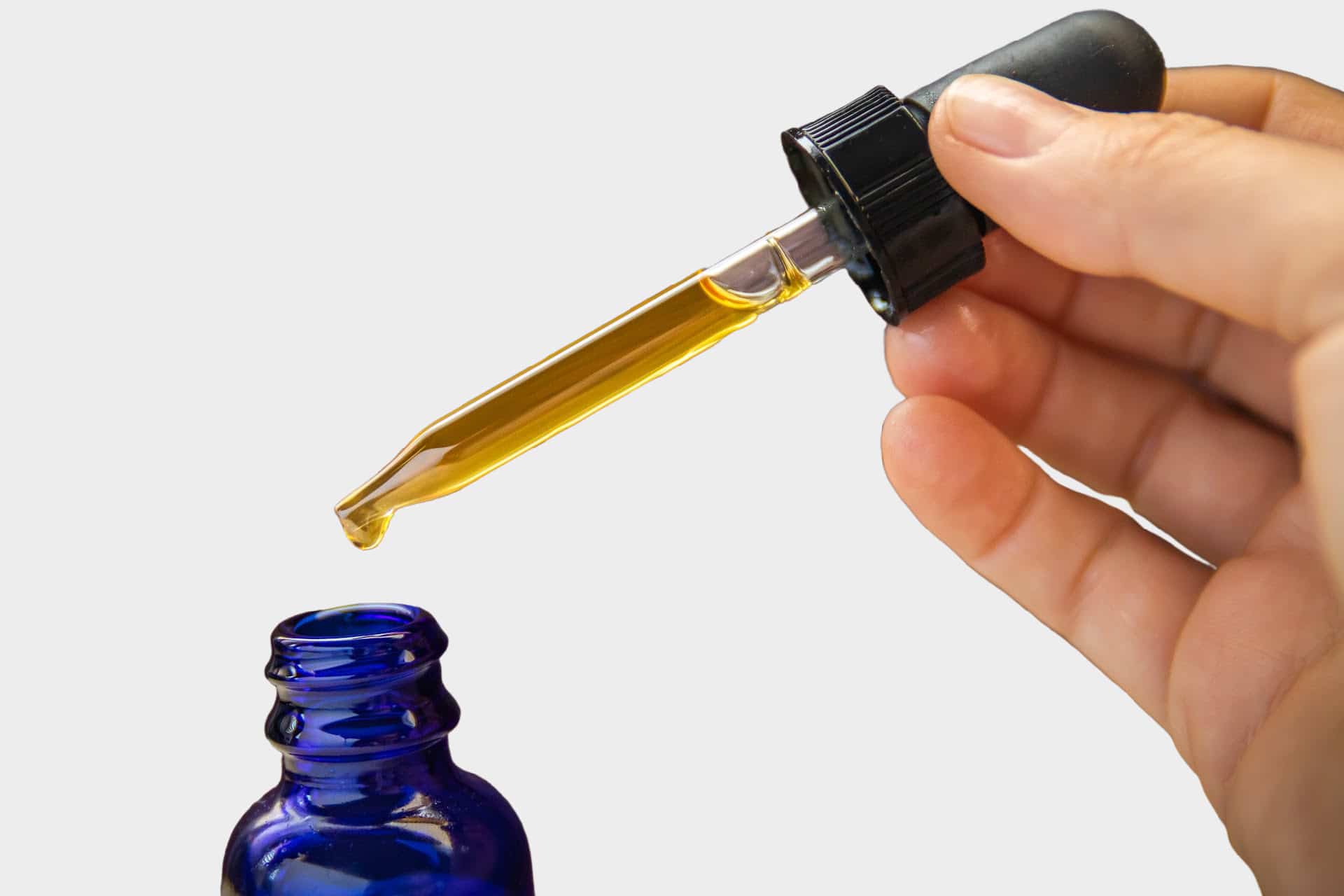
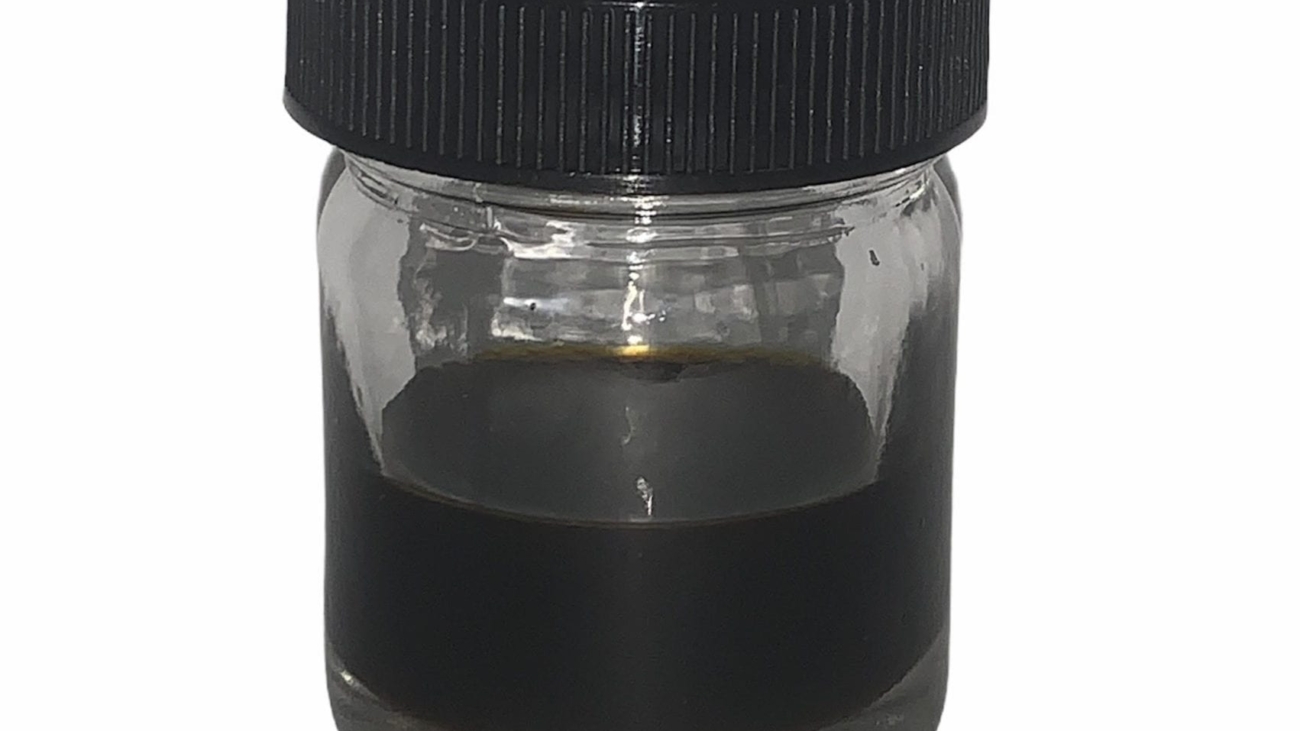
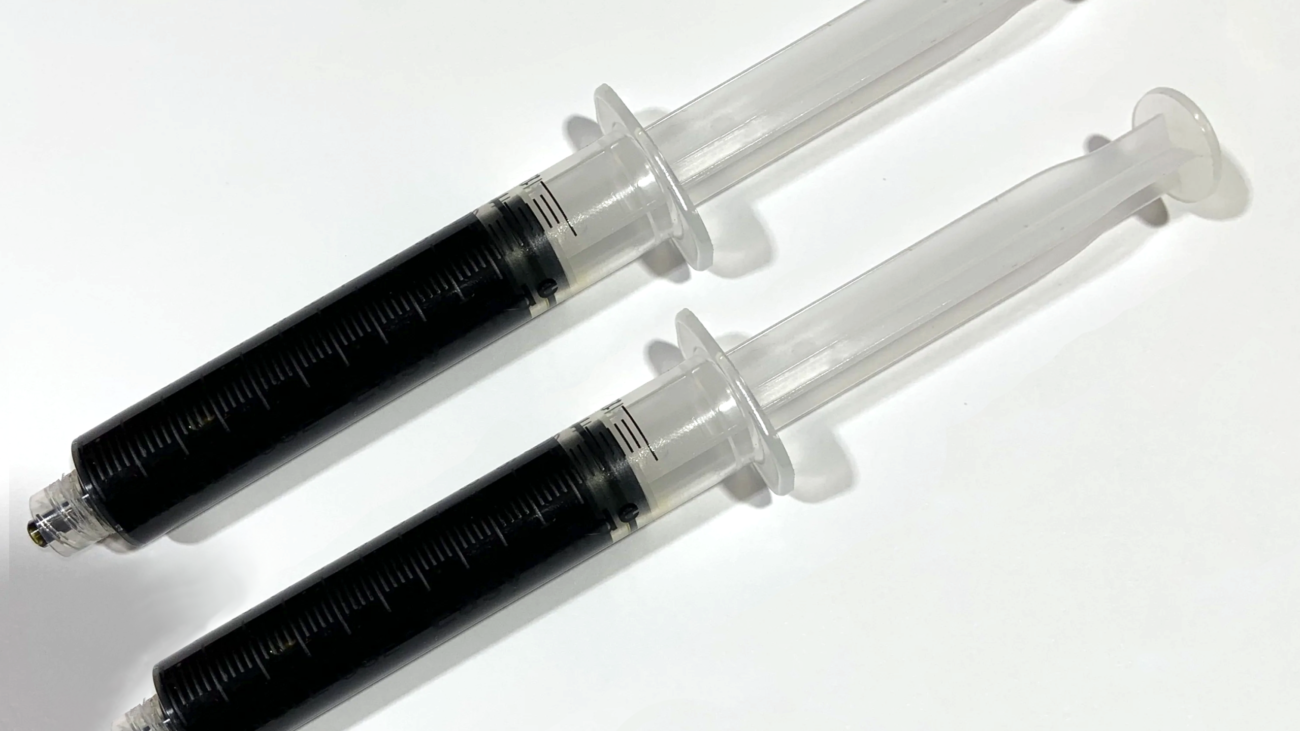
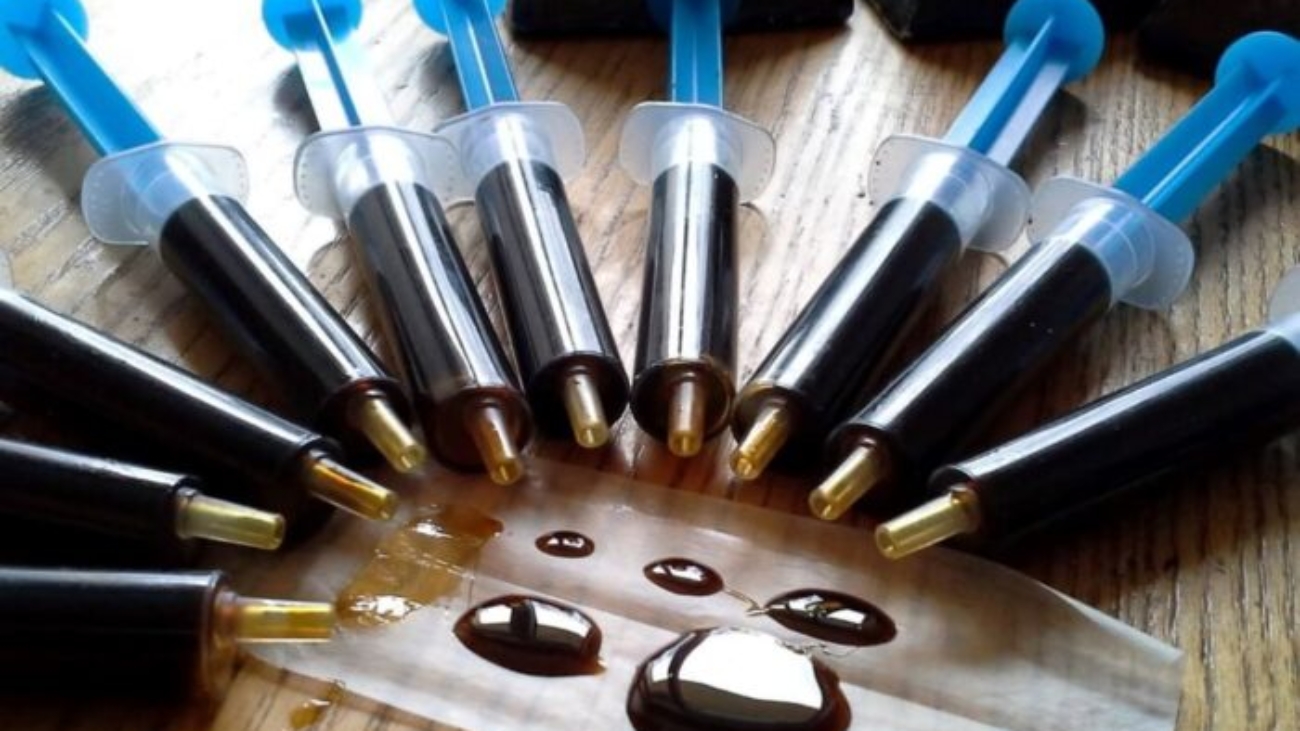
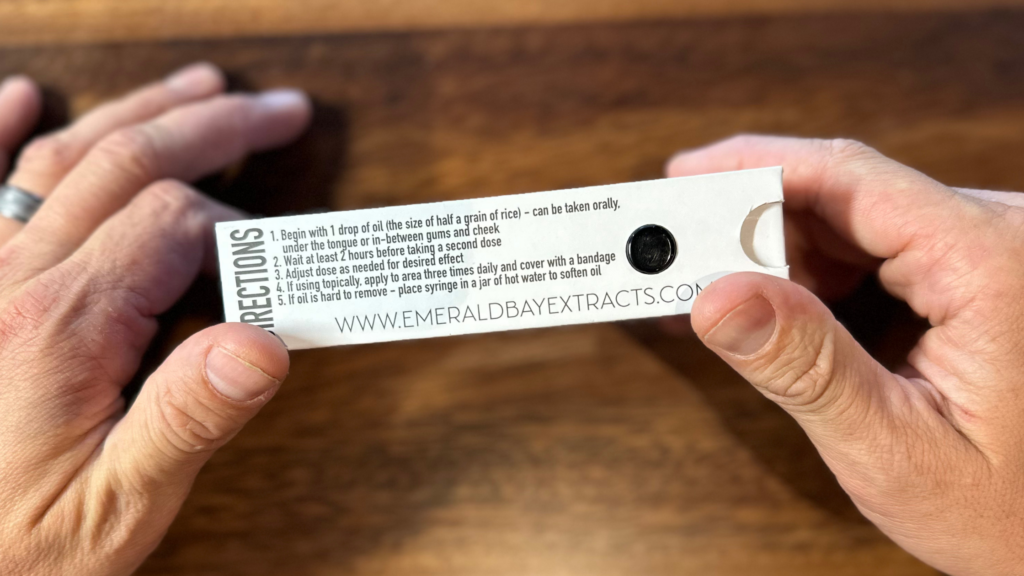
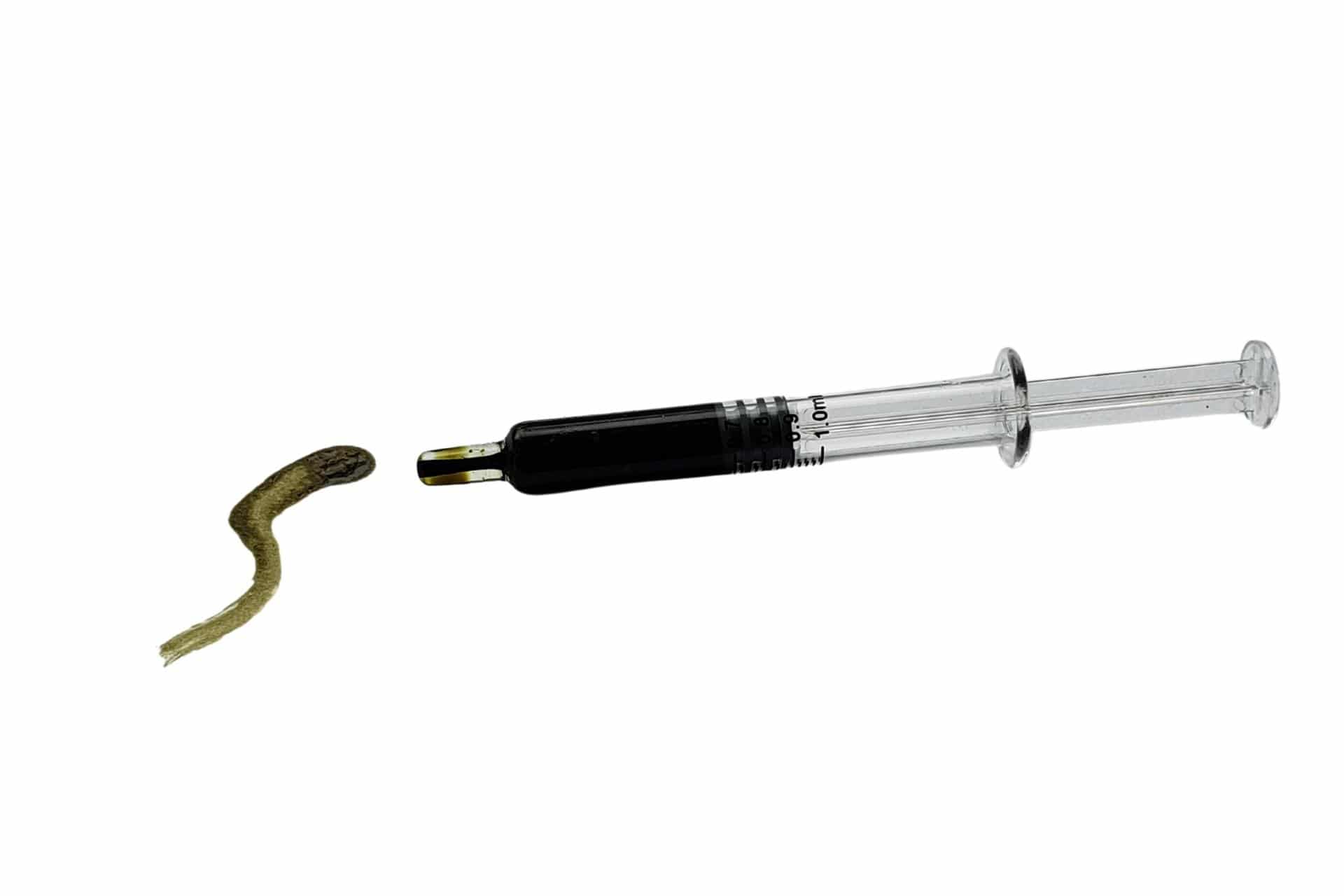
- Use a rice-grain amount of RSO.
- Rub in thoroughly.
- Cover with a bandage (Simpson’s method) to enhance absorption.
- Reapply 2-4 times daily.
Leave bandage on for days if tolerated.

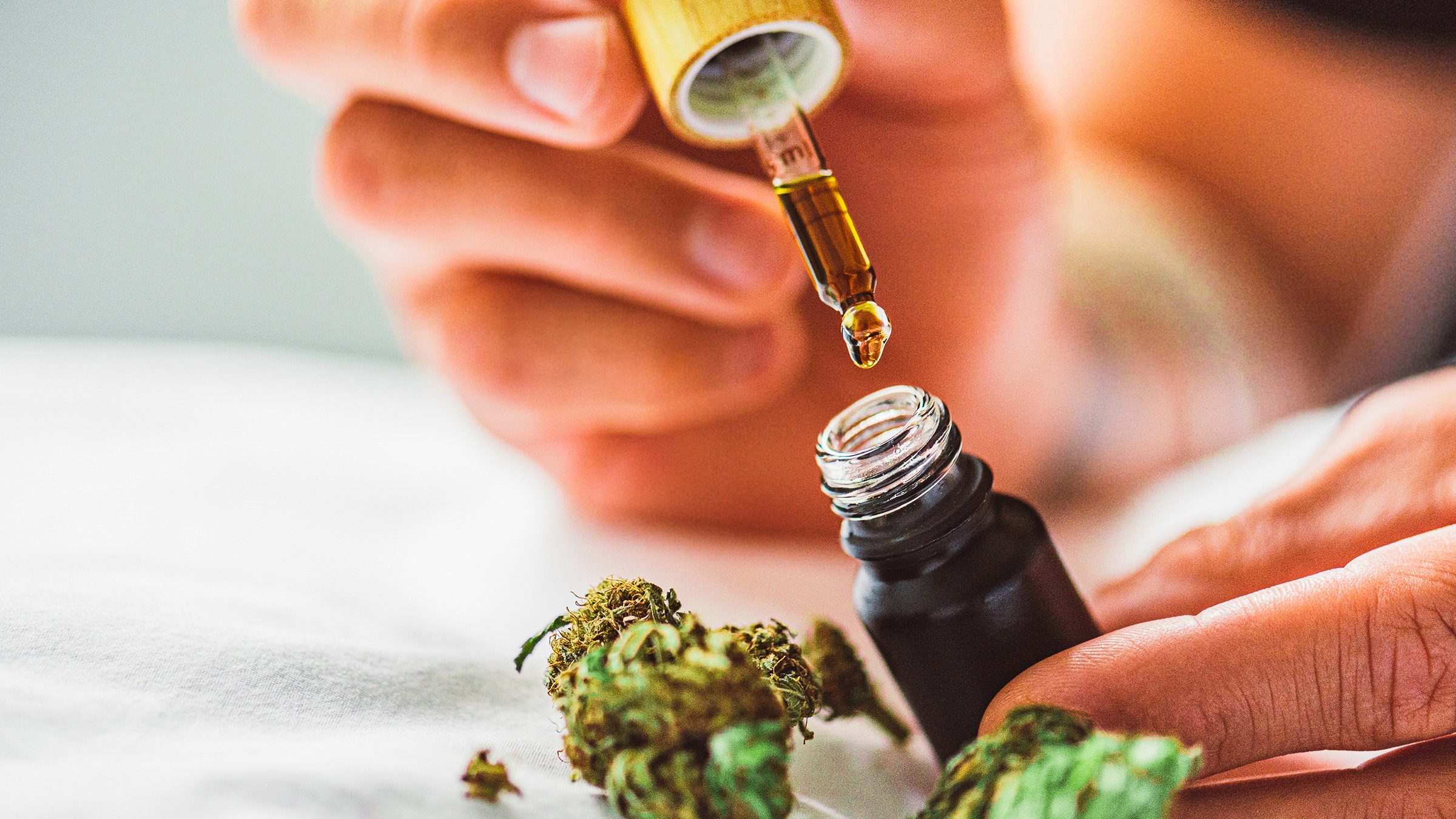
Making a Topical Balm (Diluted for Larger Areas)
- Mix RSO with coconut oil or shea butter (1:10 ratio).
- Warm gently to blend.
- Store in jar; apply liberally.
Safer for sensitive skin—reduces stickiness.

Florida Medical Cannabis Topicals – DIY — Florida Medical Cannabis …
Real Stories of Topical RSO Use
Rick Simpson applied oil to bandaged skin cancers—lesions reportedly gone in days.
Others share:
- Reduced psoriasis plaques.
- Cleared persistent eczema.
- Healed wounds faster.
- Spots shrinking (e.g., actinic keratosis).
Before/after photos in communities show changes, but unverified.
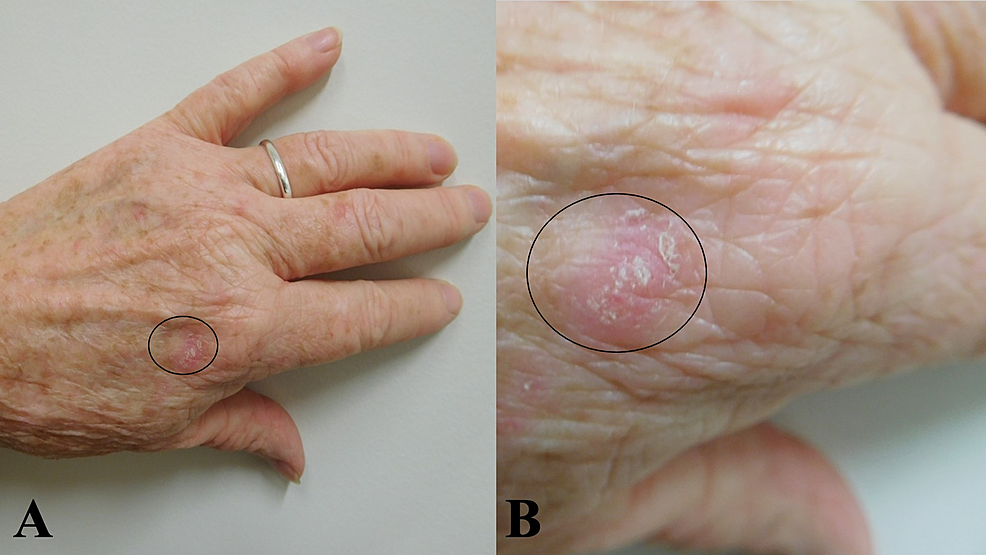
Cutaneous Squamous Cell Carcinoma and Lichen Simplex Chronicus …
What Research Says About Topical Cannabis for Skin
Studies focus on cannabinoids generally:
- Anti-inflammatory: Effective for psoriasis, eczema (2023 reviews).
- Wound healing: Promotes recovery in lab models.
- Anti-tumor: THC induces cell death in skin cancer lines (preclinical).
- Case reports: Topical cannabis resolved squamous cell carcinoma in one patient.
No large trials prove RSO cures skin cancer—more research needed.
Safety and Precautions for Topical Use
- Patch test first—irritation possible.
- Avoid open wounds (infection risk).
- Don’t use on melanoma—seek medical care.
- High-THC RSO may cause minor absorption/systemic effects.
- Use lab-tested to avoid contaminants.
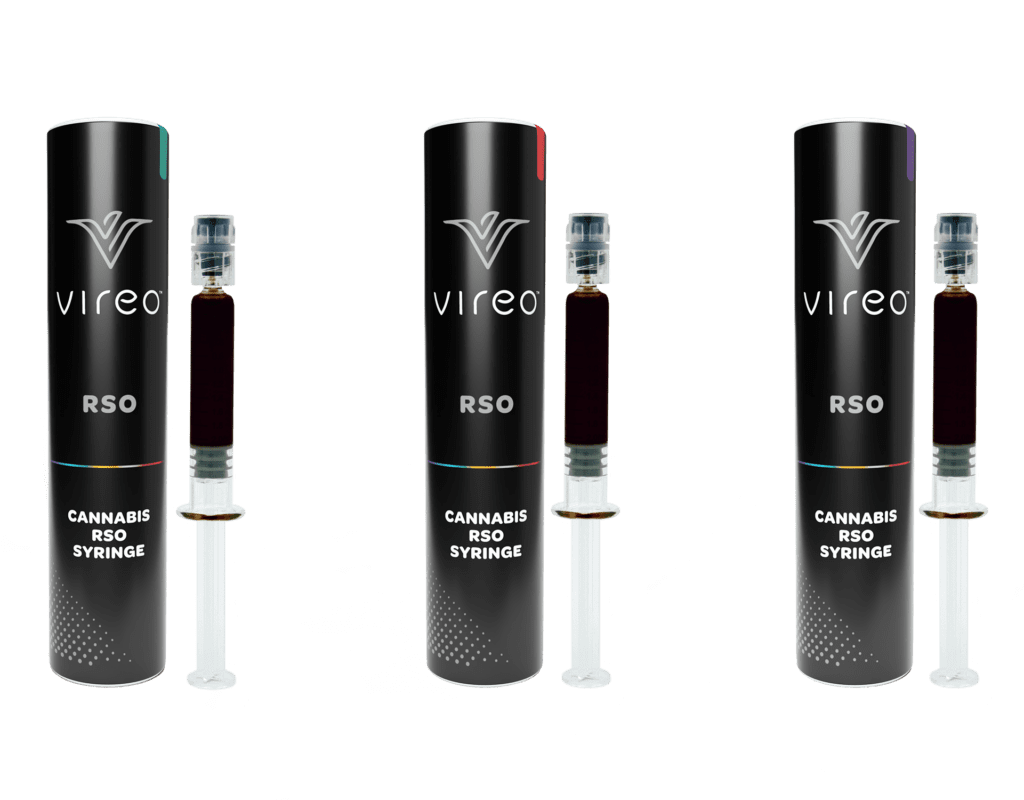
For quality RSO suitable for topical, explore RSO Healing Hub.
Alternatives and Complements
- CBD-only topicals (legal nationwide, milder).
- Commercial cannabis balms.
- Pair with moisturizers.
Some explore other natural remedies via Magic Mushroom Store.
Frequently Asked Questions
- How long to see results? Days to weeks, per anecdotes.
- Can it burn skin? Rarely—dilute if needed.
- Safe for face? Yes, cautiously around eyes.
Conclusion
Using RSO topically for skin conditions and cancer spots offers localized cannabinoid delivery with promising anecdotes and early research support. Approach as complementary, not replacement therapy.
Ready to try topical RSO?
Share your topical experiences in the comments!