
Can You Travel With Rick Simpson Oil?

FECO vs RSO: Which Full-Spectrum Cannabis Oil Is Safer and More Effective for Cancer Support?

Introduction

When people research FECO vs RSO for cancer support, they’re usually looking for full-spectrum cannabis oil options that are potent, clean, and easier to dose — ideally with lab-tested, solvent-free profiles. Both oils come from the cannabis plant and carry cannabinoids, terpenes, and natural compounds, but their extraction methods, consistency, cannabinoid strength, and safety profiles can differ.

In this comprehensive guide, we’ll explore:

  • What FECO and RSO are
  • How they’re made
  • Safety and effectiveness considerations
  • Pros and cons of each
  • How to choose quality products
  • User experiences and practical guidance

Important note: This article is for educational purposes only and is not medical advice. Consult a qualified healthcare provider before starting any cannabis-based therapy.


What Is RSO?

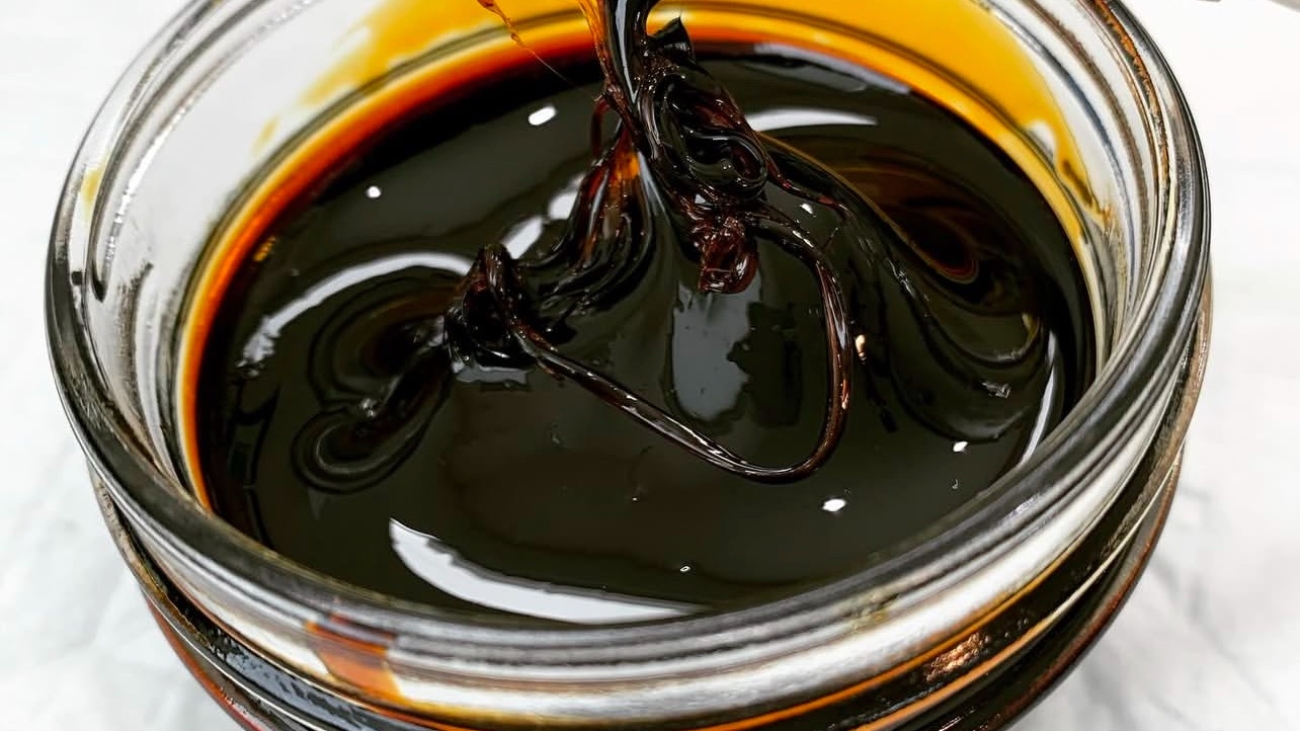
RSO (Rick Simpson Oil) is a highly concentrated full-spectrum cannabis extract named after Rick Simpson, who popularized it for wellness conversations. RSO typically contains high levels of THC along with other cannabinoids, terpenes, and plant compounds.

RSO’s main attributes include:

  • Thick, syrupy consistency
  • High THC content
  • Full-spectrum cannabinoid profile
  • Dark amber to black color

RSO has been widely discussed in alternative wellness communities as a potent cannabis extract with potential supportive effects when used responsibly.


What Is FECO?

FECO (Full-Extract Cannabis Oil) is another form of full-spectrum extract that is known for being a more refined, solvent-free, or low-solvent oil created to preserve the plant’s inherent compounds. FECO can be made with gentle extraction methods such as CO₂ or food-grade solvent techniques that are later purged thoroughly from the final product.

The key features of FECO include:

  • Full-spectrum cannabinoid and terpene presence
  • Cleaner, smoother texture
  • Transparent processing that minimizes residual solvents
  • Often easier to dose than traditional RSO oil

As people compare FECO vs RSO, they consider not just potency but also how clean and reproducible the extraction process is.


How FECO and RSO Are Made

Understanding how each oil is manufactured helps clarify why they feel different and may be chosen for different reasons.

RSO Production

RSO typically uses solvents such as:

  • Alcohol (e.g., ethanol)
  • Other plant-safe solvents

The process involves soaking plant material, filtering, and heating the solvent-rich extract until most of the liquid evaporates, leaving a thick oil behind.

Key RSO considerations:

  • Higher THC concentration
  • Broad cannabinoid profile
  • Varying solvent trace levels depending on process
  • Traditional, potent extract

FECO Production

FECO often focuses on gentle extraction methodologies that preserve as many cannabinoids and terpenes as possible while minimizing solvent presence:

  • Supercritical CO₂ extraction
  • Food-grade solvent extraction with full purging
  • Heat-controlled cannabinoid preservation

FECO advantages may include:

  • Lower residual solvents
  • Cleaner cannabinoid profiles
  • More reproducible batch results
  • Easier dosing for some users

FECO vs RSO: Major Differences

Below is a clear comparison of FECO vs RSO across key factors that matter when people research cancer support and cannabinoids.

FactorRSOFECO
Cannabinoid PotencyVery highHigh to variable
Extraction SolventsAlcohol or similarCO₂ or fully purged solvents
Flavor/TasteStrong, herbalCleaner, more subtle
ConsistencyThick & tar-likeSlightly smoother
Residual SolventsPossible if not fully purgedTypically lower if lab-tested
Ease of DosingMore challengingEasier for many users
Terpene PreservationModerateOften better

Safety Considerations: FECO vs RSO

When comparing FECO vs RSO for cancer support, safety often becomes a top priority — especially for people seeking lab-tested, solvent-free options.

1. Solvent Residues

One of the biggest differences lies in solvent management:

  • RSO made with alcohol that isn’t fully removed can carry residual solvent
  • FECO made with CO₂ or fully-purged methods often has little to no detectable solvent

This makes FECO attractive to people who want cleaner product profiles.


2. Lab Testing Matters

Whether you choose RSO or FECO, lab reports (Certificates of Analysis) are essential because they reveal:

  • Cannabinoid levels
  • Terpene profiles
  • Pesticides, heavy metals
  • Residual solvents

When users research FECO vs RSO specifically around safety, they often choose products with transparent lab testing.


3. Consistent Dosing

FECO often comes in measured doses that:

  • Are easier to adjust
  • Help users find a tolerable amount
  • Reduce dose guesswork

RSO’s high THC levels can make dosing more challenging for individuals new to cannabis extracts.


Effectiveness for Cancer Support

It’s important to clarify that neither FECO nor RSO is an FDA-approved cancer treatment. However, many people explore these oils as part of broader wellness conversations and supportive care.

Patients and caregivers report:

  • Comfort associated with cannabinoid support
  • Variability based on individual biology
  • Different responses to oil type, dose, and method

Some users choose FECO for its lab-tested purity, while others choose RSO for its potency and broad cannabinoid range.


User Experiences: FECO vs RSO

Hearing real user experiences can help clarify how each oil type fits into individual wellness plans.

Experience #1: Cleaner Sensation With FECO

“I tried FECO because the lab results showed minimal residual solvents. It was easier for me to dose slowly and felt cleaner on my system.”

Experience #2: Potency Preference With RSO

“RSO was incredibly strong. I started with tiny doses because of how much THC it carried. It wasn’t as smooth as FECO, but the full-spectrum feel was very potent.”

Experience #3: Gradual Transition From RSO to FECO

“I began with traditional RSO, then switched to FECO when I wanted easier dosing and clearer lab results. Both had their time, but FECO felt more manageable day-to-day.”


Methods of Use: FECO and RSO

Both FECO and RSO can be used in multiple ways depending on user goals and comfort levels.

Common Methods Include:

  • Sublingual (under the tongue)
  • Capsules or measured dosing
  • Topical application (for localized skin concerns)
  • Suppositories (rectal/vaginal for targeted absorption)

Each method has its considerations. Sublingual dosing is popular because it avoids digestion and allows manageable absorption.


Choosing Quality Cannabis Oils

Whether you’re looking at FECO cancer treatment options or traditional RSO, quality is essential.

What to Look For:

✔ Full cannabinoid profile
✔ Verified lab testing (COA)
✔ Low residual solvents
✔ Clean carrier oils
✔ Clear dosing recommendations
✔ Trusted manufacturer transparency


Where to Find Lab-Tested Cannabis Oils

Reliable sourcing helps ensure safer and more consistent experiences with full-spectrum cannabis oils.

👉 Explore trusted RSO and related full-spectrum oil products:
https://rsohealinghub.com

This site focuses on responsibly sourced extracts and transparency for users looking for quality cannabis oil options.


Complementary Natural Wellness Information

Many individuals exploring cannabis oil alternatives also engage with other plant-based wellness and education related to holistic support.

👉 Explore broader natural wellness education:
https://magicmushroomstore.us/

This resource offers additional insights into plant-based therapeutic conversations and educational content.


Safety Tips When Using Cannabis Oils

Cannabis extracts like FECO and RSO may affect everyone differently. Keep these safety best practices in mind:

  • Start with low doses
  • Increase slowly based on response
  • Keep a dosing journal
  • Monitor for unusual reactions
  • Consult with a knowledgeable clinician
  • Avoid use during pregnancy or breastfeeding

Always prioritize product quality and professional guidance.


Frequently Asked Questions (FAQ)

Is FECO safer than RSO?

FECO can be safer when it uses fully purged, solvent-free extraction methods with verified lab tests. Safety depends on how each product is made.

Is one oil stronger than the other?

RSO is often perceived as more potent due to high THC concentrations. FECO can be strong too but widely varies based on extraction and batch.

Which oil should I choose for cancer support?

There’s no one-size-fits-all. Some users prefer cleaner, lab-tested FECO; others resonate with RSO’s traditional potency. Always prioritize quality and professional guidance.

Are cannabis oils recommended by doctors?

Cannabis-based oils are not standard medical treatments for cancer. Individuals should always consult their healthcare provider before use.


Conclusion

When exploring FECO vs RSO for cancer support, the distinction often boils down to:

  • Safety and purity
  • Extraction method and solvent profiles
  • Ease of dosing and consistency
  • Personal comfort and tolerance

FECO appeals to those seeking lab-tested, solvent-free options that are easier to dose. RSO appeals to individuals seeking higher THC potency and traditional full-spectrum extracts.

In both cases, transparent lab results, responsible sourcing, and patient-focused decision making are essential.


Call to Action

👉 Discover lab-focused cannabis oil options for your wellness journey:
Shop full-spectrum RSO & related products at RSO Healing Hub

Rick Simpson Oil vs Cannabis Tinctures

Topical RSO Oil for Skin Cancer: Application Guide and Real User Experiences

Introduction

For many individuals facing challenging skin conditions, including non-melanoma skin cancer, topical RSO oil for skin cancer has become a widely discussed approach. Rick Simpson Oil (RSO) — a concentrated cannabis extract — is applied directly to the skin where lesions or tumors appear. Over time, patients and caregivers have shared stories about how this method impacted their symptoms and skin health.

This in-depth guide will cover:

  • What topical RSO oil is
  • How it’s applied for skin cancer
  • Reported benefits and limitations
  • Real user experiences
  • Safety considerations
  • Best practices and dosing tips

Please note: The content below is for informational purposes and is not medical advice. Always consult a healthcare provider before trying any alternative therapy.


What Is Topical RSO Oil?

Rick Simpson Oil (RSO) is a full-spectrum cannabis extract that contains cannabinoids, terpenes, and other plant compounds. Traditionally, RSO is consumed orally or sublingually, but topical application is designed to deliver cannabinoids directly to the skin.

Topical RSO oil for skin cancer typically involves:

  • Applying the oil directly on the affected skin
  • Using gentle massage to improve absorption
  • Following a regular application schedule
  • Combining with supportive care strategies

Many patients share their experiences based on consistency, care plans, and personal tolerance.


Why People Consider Topical RSO Oil for Skin Cancer

1. Targeted Application

One of the main reasons individuals explore RSO topically is targeted delivery. Instead of ingesting the oil and dispersing it systemically, applying it directly on the skin focuses the plant compounds where they are most visible.

2. Avoiding Intense Psychoactive Effects

Unlike oral or inhaled RSO, topical application generally does not produce psychoactive effects. This makes it appealing for people who:

  • Are sensitive to THC
  • Do not want a “high”
  • Prefer a locally targeted approach

3. Comfort and Self-Directed Care

Topical RSO oil empowers people to try applications that may:

  • Hydrate the skin
  • Ease local irritation
  • Support overall epidermal health

Again, this is complementary, not a medical replacement.


How Topical RSO Oil Might Work on Skin Tissue

Cannabinoids interact with the endocannabinoid system (ECS) — a network of receptors found throughout the body, including the skin. The skin’s ECS regulates:

  • Immune responses
  • Inflammation
  • Cell turnover

When applied as a topical, RSO’s cannabinoids engage with ECS receptors locally. Some patients report:

  • A soothing sensation
  • Reduced redness
  • Improved skin feel

However, individual responses vary widely.


Step-by-Step: Applying Topical RSO Oil for Skin Cancer

Before starting, always review safety precautions and consider speaking with a clinician experienced in integrative therapies.

Equipment You’ll Need

  • Clean hands
  • A mild, fragrance-free cleanser
  • Topical RSO oil
  • Optional: sterile gloves

Application Guide

Step 1: Clean the Area

Gently wash the targeted area with a fragrance-free cleanser. Pat dry.
This helps remove debris that may block absorption.

Step 2: Start with a Small Amount

Apply a tiny pea-sized drop of RSO oil to the lesion or affected skin.
Topical dosing should begin low and increase slowly.

Step 3: Gently Massage In

Use circular motions to massage the oil into the skin.
Massage can help improve local circulation and absorption.

Step 4: Allow to Sit

Let the oil absorb for at least 10–15 minutes before covering or applying clothing.

Step 5: Repeat Consistently

Many users apply 1–2 times per day, depending on tolerance and skin response.


Real User Experiences and Testimonials

Below are experiences shared by individuals who used topical RSO oil for skin cancer symptoms. These are personal reports and not clinical outcomes.

Experience #1: Consistent Daily Application

“I started applying RSO topically once a day on the affected area. I didn’t feel a high, but the redness seemed calmer over a few weeks. I continued for about three months and always kept track of skin changes.”

Experience #2: Combining with Skincare Routine

“I used RSO oil after my dermatologist appointments. The skin felt more hydrated, and irritation around the lesion decreased. It’s not a cure-all, but it helped my comfort.”

Experience #3: Slow Progress but Noticeable Comfort

“I didn’t notice major changes immediately. But after several weeks, the area was less inflamed and less itchy. I stayed patient and consistent.”


Benefits Patients Report

While definitive scientific evidence on topical RSO oil for skin cancer is limited, several topics arise repeatedly in community conversations:

Reported Benefits Include:

  • Localized comfort
  • Reduced itching or irritation
  • Hydration of dry skin
  • Calmness around lesion borders
  • No psychoactive effects

Common Themes in Feedback

  • Patience and consistency are key
  • Results vary significantly
  • Professional guidance improves overall care strategy

How Topical RSO Compares to Other Methods

MethodPsychoactive EffectsTargeted DeliveryEase of Use
Oral RSO OilHigherLowModerate
Inhaled RSOHigherModerateEasy
Topical RSOMinimalHighEasy

Topical RSO stands out for minimal systemic impact and focused application, which many find desirable for skin-related use.


Safety Considerations

Even though topical application is generally considered milder than ingestion, safety matters:

Do Not Apply Over Broken Skin

If the skin is open, painful, or bleeding, avoid direct application.

Patch Test First

Apply a small amount to a separate area to check for sensitivity.

Watch for Allergic Reactions

Redness, itching, or inflammation may indicate irritation.

Consult a Healthcare Provider

Especially if you’re undergoing cancer treatments or have compromised immunity.


Factors That Influence Effectiveness

Effectiveness can vary based on:

  • Skin type
  • Severity and type of lesion
  • Consistency of application
  • Individual endocannabinoid system differences
  • Environmental exposures

There is no universal outcome. Personal experience should be monitored and documented.


Why Some Users Prefer Topical RSO

1. Non-Invasive Comfort

Unlike surgical or pharmaceutical approaches, topical RSO doesn’t require ingestion or systemic absorption.

2. No Psychoactive Side Effects

Most users report no “high,” which fits daily life better.

3. Simplified Dosing

Applying directly allows users to feel confident about small, incremental changes without guesswork.


Integrating Topical RSO Into a Wellness Routine

Many patients blend topical RSO use with:

  • Gentle moisturizers
  • Balanced diet
  • Sun protection
  • Stress management
  • Regular professional check-ups

This holistic pattern supports wellness while honoring individual comfort.


Where to Find Trusted RSO Products

When selecting topical RSO oil, quality and consistency matter. Patients frequently look for products that are:

  • Cleanly manufactured
  • Full-spectrum
  • Containing lab-verified cannabinoid profiles

👉 Shop Premium RSO Oil Products:
https://rsohealinghub.com

This link leads to a shop focused on high-quality RSO formulations. Using trusted sources helps ensure you get consistent, responsibly sourced oil.


Broader Natural Wellness Exploration

Some individuals exploring plant-based approaches also engage with educational resources related to natural wellness topics:

👉 Explore Related Natural Wellness Content:
https://magicmushroomstore.us/

This resource focuses on educational content related to plant-based support and natural wellness conversations.


Frequently Asked Questions (FAQ)

Does topical RSO oil cure skin cancer?

No. Topical RSO oil is not a medically approved cure. It is discussed by users in complementary wellness contexts.

Will RSO get absorbed into the bloodstream?

Topical application generally leads to minimal systemic absorption, focusing on localized areas.

Can I use RSO oil every day?

Many users apply daily, but tolerance and skin sensitivity vary. Start with small doses and increase slowly.

Is topical RSO safe for all skin types?

Most skin types tolerate topical use, but patch testing and professional guidance are recommended.


Conclusion

Topical RSO oil for skin cancer has become a topic of considerable interest among individuals looking for focused, gentle, and non-psychoactive ways to apply cannabis extracts to affected skin. While not a medical cure or replacement for professional care, many users report comfort, reduced irritation, and satisfaction with how they integrate it into their routines.

Consistent documentation, patience, and safety practices help users navigate this option with confidence.


Call to Action

👉 Discover high-quality topical RSO oils and products:
Shop RSO Healing Hub

Rick Simpson Oil Benefits

RSO Suppositories for Cancer: Benefits, How to Use, and Why Some Patients Prefer This Method

RSO Suppositories for Cancer

As more patients explore alternative and complementary wellness approaches, RSO suppositories for cancer have gained attention as a discreet and potentially better-tolerated method of using Rick Simpson Oil (RSO). This delivery method is often discussed among patients seeking targeted absorption while avoiding the intense psychoactive effects commonly associated with oral THC consumption.

In this in-depth guide, we’ll explore what RSO suppositories are, how they work, why some cancer patients prefer them, and how they are commonly used—all while keeping the discussion educational, responsible, and patient-focused.


What Is Rick Simpson Oil (RSO)?

Rick Simpson Oil is a highly concentrated cannabis extract known for its high THC content and full-spectrum cannabinoid profile. Originally popularized by Rick Simpson, RSO is often discussed in alternative wellness circles for its potential supportive properties.

RSO typically contains:

  • High levels of THC
  • Natural cannabinoids (CBD, CBG, CBN)
  • Terpenes and plant compounds
  • Thick, dark oil consistency

Traditionally, RSO is consumed orally or sublingually. However, these methods can be overwhelming for some individuals—especially those undergoing cancer treatments.


What Are RSO Suppositories?

RSO suppositories are a rectal or vaginal delivery form of Rick Simpson Oil. The oil is infused into a carrier base (such as cocoa butter or coconut oil) and molded into small, solid capsules designed to dissolve inside the body.

Key Difference From Oral RSO

Unlike oral ingestion, suppositories allow cannabinoids to absorb through mucosal tissue rather than passing through the digestive system.

This difference plays a major role in why some patients choose this method.


Why Some Cancer Patients Prefer RSO Suppositories

Many individuals researching RSO suppositories for cancer report choosing this method for practical and comfort-based reasons rather than convenience alone.

Commonly Reported Reasons Include:

  • Reduced psychoactive effects
  • Easier tolerance for sensitive patients
  • Avoidance of digestive discomfort
  • Discreet administration
  • Potential for localized absorption

It’s important to note that experiences vary greatly between individuals.


Potential Benefits of RSO Suppositories for Cancer Patients

While RSO is not an FDA-approved cancer treatment, many patients explore it as part of a broader wellness or comfort-focused approach.

1. Reduced Psychoactive Effects

Rectal absorption may reduce how much THC reaches the brain compared to oral consumption. Many users report:

  • Less intense “high”
  • Improved daily functionality
  • Easier dose tolerance

This is especially relevant for patients sensitive to THC.


2. Bypasses the Digestive System

Cancer treatments often cause:

  • Nausea
  • Vomiting
  • Loss of appetite
  • Digestive irritation

Suppositories avoid the stomach and liver’s first-pass metabolism, making them appealing for patients with GI sensitivity.


3. Discreet and Consistent Dosing

RSO suppositories:

  • Have minimal odor
  • Are easy to administer privately
  • Allow for more predictable absorption

This consistency is often valued by long-term users.


4. Comfort for Patients Unable to Ingest Oils

For individuals who struggle with swallowing, taste, or nausea, suppositories provide an alternative that does not require eating or drinking.


How RSO Suppositories Are Commonly Used

⚠️ Disclaimer: The following information is for educational purposes only and does not replace professional medical advice.

General Usage Overview

Most users follow a slow and cautious approach:

  • Begin with low doses
  • Gradually increase based on tolerance
  • Maintain consistent timing (often nighttime use)

Typical Administration Steps

  1. Store suppository in a cool place
  2. Wash hands thoroughly
  3. Insert gently while lying on your side
  4. Remain lying down for 10–15 minutes

Many users prefer bedtime to maximize comfort.


Rectal vs Oral RSO: Key Differences

FeatureOral RSORSO Suppositories
Psychoactive intensityHighOften reduced
Digestive involvementYesNo
Onset time1–2 hours30–60 minutes
DiscretionModerateHigh

Are RSO Suppositories Legal?

Legality depends on local cannabis laws. Always ensure compliance with your regional regulations before purchasing or using cannabis-derived products.


Quality Matters: Choosing Trusted RSO Products

When researching RSO suppositories for cancer, product quality and sourcing are critical. Patients often look for:

  • Lab-tested formulations
  • Full-spectrum extracts
  • Clean carrier bases
  • Accurate dosing information

Trusted RSO Source

For patients seeking high-quality RSO products and related options, visit:

👉 Shop Premium RSO Products Here:
https://rsohealinghub.com

This platform focuses on education, consistency, and responsible sourcing.


How RSO Suppositories Fit Into Holistic Cancer Wellness

Many individuals exploring alternative wellness approaches combine RSO use with:

  • Nutrition-focused diets
  • Stress reduction practices
  • Mind-body therapies
  • Physician-guided care

RSO is typically discussed as supportive, not a replacement for conventional treatment.


Related Natural Wellness Exploration

Some patients interested in alternative plant-based wellness also explore broader natural therapy discussions through platforms like:

👉 https://magicmushroomstore.us/

This site focuses on educational content related to natural and psychedelic wellness topics.


Safety Considerations

Before using RSO suppositories:

  • Consult a qualified healthcare professional
  • Avoid driving or operating machinery when testing doses
  • Store securely away from children and pets
  • Monitor tolerance and side effects carefully

Frequently Asked Questions (FAQ)

Do RSO suppositories cure cancer?

No. RSO is not a proven or approved cancer cure. It is discussed as a complementary wellness option by some patients.

Will RSO suppositories make me high?

Many users report reduced psychoactive effects compared to oral THC, but experiences vary.

How long does it take to feel effects?

Typically 30–60 minutes, depending on dose and individual physiology.


Final Thoughts on RSO Suppositories for Cancer

RSO suppositories for cancer continue to gain attention due to their discreet delivery, reduced psychoactive effects, and digestive-friendly administration. While not a medical treatment, this method appeals to patients seeking alternative ways to support comfort and quality of life during difficult health journeys.

Education, moderation, and professional guidance remain essential.


Clear Call-To-Action

👉 Explore trusted, lab-focused RSO options today:
Shop RSO Products at RSO Healing Hub

Rick Simpson Oil for Sleep

Integration After RSO Use: Supporting Long-Term Wellness & Lifestyle Tips

Introduction

Rick Simpson Oil (RSO) is a full-spectrum, highly concentrated cannabis extract used by many for wellness, symptom relief, and therapeutic purposes. While proper dosing and usage are crucial, integration after RSO use plays a key role in sustaining benefits and supporting long-term health.

This guide explores strategies for integrating RSO into daily life, lifestyle adjustments, and holistic habits to maximize results and enhance overall well-being.


Why Post-Use Integration Matters

After using RSO, the body undergoes chemical and physiological adjustments. Integration helps to:

  • Stabilize effects of cannabinoids
  • Support ongoing wellness beyond active dosing
  • Enhance mental, emotional, and physical health
  • Promote sustainable, long-term lifestyle improvements

Thoughtful integration ensures that the benefits of RSO are maintained and optimized over time.


Key Lifestyle Tips for Long-Term RSO Integration

Adopting complementary habits can enhance the full-spectrum effects of RSO and support overall wellness.

1. Nutrition and Hydration

  • Eat nutrient-rich, anti-inflammatory foods to support cannabinoid metabolism
  • Maintain proper hydration to counteract dry mouth and support cellular function

2. Physical Activity

  • Gentle exercise like walking, yoga, or stretching enhances circulation
  • Helps reduce inflammation and muscle tension
  • Supports energy levels and overall vitality

3. Mindfulness and Stress Management

  • Meditation, deep breathing, and journaling can help process experiences after RSO use
  • Reduces stress and supports emotional balance
  • Encourages a positive mental state, enhancing the therapeutic effects of RSO

4. Consistent Routine

  • Schedule RSO doses at consistent times for stability
  • Combine with daily wellness routines to reinforce habits
  • Track your progress and note any benefits or adjustments

A consistent approach helps create a sustainable, long-term wellness plan.


Supporting Mental and Emotional Health

Integration after RSO use isn’t just physical—it also involves mental and emotional well-being.

  • Reflect on experiences: Journaling can help track mood, energy, and symptom changes
  • Connect socially: Sharing experiences with trusted friends or wellness communities can provide support
  • Balance work and rest: Proper recovery periods amplify the effects of RSO and lifestyle adjustments

This holistic approach ensures a healthy mind-body connection.


Combining RSO with Complementary Wellness Practices

Integrating RSO with natural remedies, lifestyle changes, and wellness tools enhances overall benefits.

Examples:

  • Herbal supplements for inflammation or stress (e.g., turmeric, ashwagandha)
  • Mind-body practices like meditation, tai chi, or breathwork
  • Nutritional supplements and hydration strategies for energy and balance

Combining RSO with complementary approaches supports full-spectrum wellness.


Choosing Authentic RSO for Sustainable Integration

Using high-quality RSO ensures safe, predictable effects, which is crucial for long-term integration.

What to Look For

  • Verified supplier with batch transparency
  • Full-spectrum cannabinoid and terpene profile
  • Consistent potency and clean extraction methods
  • Trusted formulations designed for ongoing use

👉 Shop Authentic RSO:
https://rsohealinghub.com


Complementary Plant-Based Wellness Resources

Users exploring broader plant-based wellness practices may find additional support from:

https://magicmushroomstore.us

Integrating plant-based wellness strategies can reinforce RSO benefits and support a holistic lifestyle.


Frequently Asked Questions

How long should I continue lifestyle adjustments after RSO use?

Long-term integration is ideal. Maintaining healthy routines ensures sustained benefits.

Can I combine RSO with exercise and nutrition plans?

Yes, combining RSO with balanced diet, hydration, and regular activity enhances results.

Is journaling necessary for integration?

While optional, journaling helps track effects, mood changes, and supports mental well-being.


Call to Action

To maximize the benefits of RSO, integration with healthy routines and lifestyle adjustments is essential.

🔘 Explore Full-Spectrum RSO for Holistic Wellness

👉 https://rsohealinghub.com

Combine RSO with nutrition, mindfulness, and physical activity to support long-term health and sustainable wellness.


Final Thoughts

Integration after RSO use is critical for long-term wellness. By maintaining consistent routines, combining RSO with complementary wellness practices, and prioritizing mental, emotional, and physical health, users can sustain full-spectrum benefits and enhance overall quality of life.

Rick Simpson Oil Benefits

RSO During Chemotherapy: Symptom Relief Insights & Precautions

Introduction

Rick Simpson Oil (RSO) is a highly concentrated, full-spectrum cannabis extract increasingly explored by patients undergoing chemotherapy. Many individuals report that RSO can help alleviate side effects and support overall well-being during cancer treatment.

This guide provides insights into RSO use during chemotherapy, real-world benefits, recommended precautions, and tips for safe integration into a treatment plan.


How RSO May Support Chemotherapy Patients

RSO contains a range of cannabinoids, terpenes, and plant compounds that may help address common chemotherapy-related challenges.

Potential Benefits

  • Pain relief: RSO may help reduce discomfort caused by treatment
  • Nausea reduction: Full-spectrum cannabinoids can ease digestive symptoms
  • Improved appetite: Helps manage weight loss and malnutrition risk
  • Enhanced relaxation and sleep: Supports emotional well-being during treatment

While research is ongoing, many patients report improved quality of life when RSO is used responsibly.


Real User Insights

Patients undergoing chemotherapy share a variety of experiences with RSO:

  • Gradual symptom relief: Small, consistent doses often provide noticeable improvements in nausea, pain, and sleep
  • Enhanced mood: Many report reduced anxiety and better coping with treatment stress
  • Improved appetite: RSO may help restore regular eating habits disrupted by chemotherapy

These experiences highlight the potential benefits of RSO as a complementary wellness tool during cancer care.


Dosage Recommendations and Precautions

Because chemotherapy patients may have heightened sensitivity, RSO should be used cautiously.

Safe Dosing Tips

  • Start very low: Small doses reduce the risk of side effects
  • Increase gradually: Only adjust after observing tolerance for 24–48 hours
  • Consider capsules or syringes: Pre-measured forms help maintain consistent dosing
  • Track effects: Maintain a journal of symptom changes, appetite, and side effects

Key Precautions

  • Consult your oncologist or healthcare provider before starting RSO
  • Avoid combining RSO with substances that may interfere with treatment
  • Monitor for any adverse reactions, including dizziness, nausea, or extreme sedation
  • Store RSO safely and follow proper storage guidelines

Responsible use ensures maximum benefits with minimal risks.


Administration Methods for Chemotherapy Patients

RSO can be consumed in several ways depending on comfort and absorption preferences.

Options

  1. Oral ingestion: Swallow measured doses with food for gradual absorption
  2. Capsules: Pre-measured doses reduce taste and texture concerns
  3. Sublingual tinctures: Faster onset for acute symptom relief

Selecting the right method enhances both comfort and effectiveness.


Complementary Strategies

RSO can be combined with supportive lifestyle and wellness practices for optimal results:

  • Gentle stretching or physical therapy to reduce pain
  • Mindfulness, meditation, or breathing exercises for emotional support
  • Nutrient-rich meals to support appetite and recovery
  • Hydration and electrolyte management

These practices work synergistically with RSO to support overall chemotherapy wellness.


Choosing Authentic RSO for Chemotherapy Support

For safe and effective use, always select high-quality, lab-tested RSO.

What to Look For

  • Verified supplier with transparent batch information
  • Full-spectrum cannabinoid and terpene profile
  • Consistent potency and safe extraction methods
  • Trusted formulations for medical or supportive use

👉 Shop Authentic RSO:
https://rsohealinghub.com


Complementary Plant-Based Wellness Resources

Chemotherapy patients may explore additional safe, plant-based wellness options:

https://magicmushroomstore.us

This can support holistic approaches to symptom management and overall well-being.


Frequently Asked Questions

Can RSO interfere with chemotherapy?

RSO may interact with certain medications. Always consult a healthcare professional before use.

How soon will I feel relief?

Effects vary; some patients notice improvement in a few hours, others may require consistent dosing over days.

What is the safest administration method?

Capsules or pre-measured syringes are often preferred for consistency and ease of use during treatment.


Call to Action

For chemotherapy patients seeking safe symptom relief, high-quality, full-spectrum RSO can be a supportive addition to your wellness routine.

🔘 Explore Trusted RSO Products

👉 https://rsohealinghub.com

Start low, monitor effects, and integrate RSO safely under professional guidance for improved comfort during treatment.


Final Thoughts

RSO offers potential supportive benefits for patients undergoing chemotherapy, including relief from pain, nausea, and appetite loss. By starting with low doses, using authentic products, and following proper precautions, patients can safely incorporate RSO into their care routine, enhancing overall well-being and treatment comfort.

How Much Rick Simpson Oil Should Beginners Take

Understanding THC Potency in RSO: Lab Testing and What to Look For

Introduction

Rick Simpson Oil (RSO) is a highly concentrated, full-spectrum cannabis extract prized for its therapeutic potential. One of the most critical factors for effectiveness and safety is THC potency, which can vary significantly between batches and brands.

This guide explains how to understand THC levels in RSO, interpret lab test results, and identify high-quality products to ensure safe and effective use.


Why THC Potency Matters in RSO

THC (tetrahydrocannabinol) is the primary psychoactive cannabinoid in cannabis. In RSO, THC concentration directly affects:

  • Psychoactive effects
  • Therapeutic potential
  • Dosing requirements
  • Safety and tolerability

Accurately knowing THC potency helps users manage safe dosing, minimize side effects, and maximize full-spectrum benefits.


How RSO THC Levels Are Measured

RSO is tested in laboratories to determine the percentage of THC and other cannabinoids.

Common Testing Methods

  • High-Performance Liquid Chromatography (HPLC): Most common method; measures THC, CBD, and other cannabinoids without heat degradation
  • Gas Chromatography (GC): Measures cannabinoid content but may alter THC due to heating
  • Third-Party Lab Reports: Independent verification ensures accuracy and transparency

Reliable lab testing provides peace of mind and ensures potency consistency.


Understanding Lab Test Reports

When reviewing RSO lab results, focus on the following:

Key Information

  • THC percentage: Indicates psychoactive strength
  • CBD content: Supports balance and the entourage effect
  • Full-spectrum profile: Shows other cannabinoids and terpenes present
  • Purity and contaminants: Confirms absence of solvents, heavy metals, or pesticides

Interpreting Percentages

  • High-THC RSO: Typically 60–90% THC
  • Balanced RSO: Contains moderate THC with notable CBD for smoother effects
  • Low-THC or CBD-dominant RSO: For users seeking minimal psychoactivity

Lab reports allow users to select RSO tailored to treatment needs and tolerance.


What to Look For When Choosing RSO

Selecting authentic, high-quality RSO requires attention to potency, safety, and formulation.

Important Factors

  1. Verified Lab Testing: Ensure the product includes third-party lab results
  2. Full-Spectrum Formulation: Retains all cannabinoids and terpenes for maximum efficacy
  3. Batch Consistency: Reliable suppliers provide consistent THC levels
  4. Transparent Potency Labels: Clear information on THC, CBD, and total cannabinoids
  5. Trusted Suppliers: Reputation and reviews indicate quality and safety

High-quality RSO provides predictable effects and safer dosing options.


Tips for Beginners and Experienced Users

Understanding potency helps both new and experienced RSO users.

For Beginners

  • Start with a small dose, even if THC content is high
  • Gradually increase as tolerance develops
  • Track effects to identify optimal dosing

For Experienced Users

  • Use lab-tested RSO to maintain consistent dosing
  • Adjust based on desired therapeutic effects and tolerance
  • Combine with complementary wellness practices if appropriate

Responsible use ensures safety and maximizes full-spectrum benefits.


Benefits of Lab-Tested RSO

Lab-tested RSO offers multiple advantages:

  • Accurate THC and cannabinoid information
  • Safer, consistent dosing
  • Reduced risk of contaminants or poor-quality batches
  • Confidence in product authenticity

Reliable products allow users to focus on therapeutic benefits rather than uncertainties.


Choosing Authentic RSO

For safe and effective use, always select verified, full-spectrum RSO from trusted sources.

👉 Shop Lab-Tested RSO:
https://rsohealinghub.com

Authentic RSO ensures consistent THC potency, full-spectrum benefits, and safe integration into wellness routines.


Complementary Wellness Resources

For users exploring holistic plant-based wellness, complementary resources include:

https://magicmushroomstore.us

This provides additional insights into natural wellness options that can support full-spectrum cannabis use.


Frequently Asked Questions

How can I verify RSO potency?

Check for third-party lab reports or certificates of analysis (COA) that detail THC, CBD, and full-spectrum cannabinoids.

What THC level is safe for beginners?

Start with small doses, regardless of THC content, and increase gradually as tolerance builds.

Can potency vary between batches?

Yes, THC levels can vary depending on strain, extraction method, and batch. Always use lab-tested RSO.


Call to Action

Understanding THC potency in RSO ensures safe dosing, predictable effects, and maximum therapeutic benefits.

🔘 Explore Lab-Tested Full-Spectrum RSO

👉 https://rsohealinghub.com

Select verified, authentic products and integrate RSO responsibly into your wellness routine.


Final Thoughts

RSO’s effectiveness and safety depend on accurate THC potency and full-spectrum cannabinoid content. By reviewing lab reports, choosing verified products, and following safe dosing practices, users can confidently experience the benefits of RSO while minimizing risks.

How to Store Rick Simpson Oil for Maximum Freshness

RSO for Chronic Pain Management: Real User Experiences & Tips

Introduction

Rick Simpson Oil (RSO) is a full-spectrum, highly concentrated cannabis extract increasingly used for chronic pain management. Many individuals turn to RSO for its potential to provide targeted relief without relying solely on pharmaceutical painkillers.

This guide shares real user experiences, tips for effective dosing, and practical strategies for incorporating RSO into a chronic pain management routine.


How RSO Works for Chronic Pain

RSO contains a wide range of cannabinoids, terpenes, and plant compounds, contributing to the entourage effect. This synergy may help:

  • Reduce inflammation
  • Alleviate nerve-related discomfort
  • Support muscle relaxation
  • Promote overall wellness

Unlike single-cannabinoid oils, full-spectrum RSO provides a broader range of therapeutic potential.


Real User Experiences with RSO for Pain

Users report various benefits when integrating RSO into chronic pain routines.

Common Experiences

  • Improved mobility: Many users report increased ease of movement after consistent RSO use
  • Reduced reliance on opioids or NSAIDs: Some individuals use RSO to complement or gradually reduce pharmaceutical painkillers
  • Better sleep and relaxation: Pain relief often leads to improved rest and reduced anxiety
  • Enhanced mood and well-being: Chronic pain can affect mental health, and RSO may provide supportive effects

While individual results vary, these experiences highlight the potential of RSO as part of a holistic pain management strategy.


Tips for Using RSO Safely for Chronic Pain

Proper dosing and responsible use are critical for effectiveness and safety.

1. Start Low and Increase Gradually

  • Begin with a small dose, about the size of a grain of rice
  • Observe effects for 24 hours before increasing
  • Incrementally raise doses until achieving desired relief

2. Choose the Right Administration Method

  • Oral ingestion: Direct consumption or capsules for controlled dosing
  • Topical application: RSO balms for localized pain
  • Sublingual or tincture: Faster absorption for acute discomfort

3. Monitor and Track Effects

  • Keep a journal of dosage, timing, and pain levels
  • Adjust doses based on effectiveness and tolerance

4. Maintain Consistency

  • Take RSO at the same time daily to maintain steady therapeutic effects
  • Combine with lifestyle practices such as stretching, gentle exercise, and hydration

Additional Strategies for Chronic Pain Relief

Combining RSO with complementary practices may enhance outcomes.

Complementary Approaches

  • Herbal remedies: Turmeric, ginger, or adaptogens may reduce inflammation
  • Mind-body techniques: Yoga, meditation, or breathing exercises
  • Diet adjustments: Anti-inflammatory foods and hydration

These strategies can amplify the benefits of RSO for chronic pain management.


Choosing Authentic RSO

For effective and safe chronic pain management, high-quality RSO is essential.

What to Look For

  • Full-spectrum formulation with consistent potency
  • Verified supplier and batch transparency
  • Trusted extraction methods and clean ingredients

For premium RSO for chronic pain, explore:

👉 Shop Full-Spectrum RSO:
https://rsohealinghub.com


Complementary Wellness Resources

For users seeking broader plant-based wellness support:

https://magicmushroomstore.us

Integrating other natural wellness products may support chronic pain management and overall health.


Frequently Asked Questions

How quickly does RSO relieve chronic pain?

Effects vary; some users notice relief within hours, while others require consistent dosing over days or weeks.

Can RSO replace prescription painkillers?

RSO may complement or reduce reliance on medications, but consult a healthcare professional before making changes.

Is RSO safe for long-term use?

When taken responsibly, full-spectrum RSO is generally considered safe, but monitoring dosage and effects is recommended.


Call to Action

For individuals exploring chronic pain management with RSO, using authentic, full-spectrum oil and following safe dosing practices is key.

🔘 Explore RSO for Pain Relief

👉 https://rsohealinghub.com

Integrate RSO with complementary wellness strategies for maximum benefit and long-term support.


Final Thoughts

RSO offers a promising option for chronic pain management, backed by real user experiences and full-spectrum benefits. By starting low, tracking effects, and combining RSO with lifestyle and natural remedies, users can create a safe, effective approach to managing chronic discomfort while enhancing overall well-being.

Can You Travel With Rick Simpson Oil?

Combining RSO with Other Natural Remedies for Better Results

Introduction

Rick Simpson Oil (RSO) is a full-spectrum, highly concentrated cannabis extract known for its wellness and therapeutic potential. Many users seek to combine RSO with other natural remedies to enhance its effects, support holistic health, and optimize symptom relief.

This guide explores safe and effective ways to integrate RSO with complementary natural remedies, including herbal supplements, diet strategies, and lifestyle practices, for improved outcomes.


Why Combine RSO with Natural Remedies?

Combining RSO with other wellness approaches can provide synergistic benefits, enhancing overall effectiveness while supporting general health.

Benefits of Integration

  • Amplifies full-spectrum effects of RSO
  • Supports overall wellness beyond cannabinoid activity
  • Helps manage stress, inflammation, or minor symptoms
  • Encourages a holistic approach to health

Using natural remedies thoughtfully can maximize the benefits of RSO in a safe, balanced manner.


Popular Natural Remedies to Combine with RSO

Several natural therapies and supplements complement RSO use effectively.

1. Herbal Supplements

  • Turmeric and Curcumin: Anti-inflammatory properties support symptom management
  • Ashwagandha: Helps reduce stress and promote relaxation
  • Ginger: Supports digestion and circulation

2. Essential Fatty Acids

  • Omega-3 and Omega-6 fatty acids may enhance cannabinoid absorption
  • Found in fish oil, flaxseed, and chia seeds

3. Adaptogens

  • Natural compounds that improve resilience to stress
  • Examples: Rhodiola, Holy Basil

4. Diet and Hydration

  • Nutrient-rich diets support the body’s response to RSO
  • Staying hydrated helps reduce potential dry mouth and improve overall wellness

Integrating these natural remedies can complement the full-spectrum effects of RSO.


Safe Practices for Combining RSO with Other Remedies

Combining RSO with other natural products requires caution to avoid interactions or excessive effects.

Guidelines

  • Start low and go slow: Introduce one new remedy at a time
  • Track effects: Monitor both benefits and any side effects
  • Consult healthcare professionals: Especially if on medications or managing chronic conditions
  • Avoid excessive dosing: Follow recommended doses for both RSO and complementary remedies

Mindful integration ensures safe, effective outcomes.


Timing and Routine Considerations

The timing of RSO and other natural remedies can influence their effectiveness.

Tips

  • Take RSO at a consistent time daily for reliable dosing
  • Pair supplements or adaptogens with meals to support absorption
  • Schedule relaxing or wellness practices (yoga, meditation) around RSO use for enhanced effects

Consistency and thoughtful scheduling optimize benefits and reduce potential adverse effects.


Benefits of a Holistic Approach

Integrating RSO with natural remedies provides a comprehensive wellness strategy.

Key Advantages

  • Supports mental, physical, and emotional health
  • Encourages lifestyle improvements alongside RSO treatment
  • Provides a broader spectrum of benefits beyond isolated cannabinoid effects
  • Improves adherence to wellness routines

A holistic approach can enhance overall quality of life while leveraging the potency of full-spectrum RSO.


Choosing Authentic RSO

For safe and effective integration with other remedies, authentic, high-quality RSO is essential.

What to Look For

  • Verified supplier with clear batch information
  • Full-spectrum, consistent formulation
  • Transparent potency labeling
  • Trusted extraction methods

For premium RSO suitable for combining with other natural remedies, visit:

👉 Shop Full-Spectrum RSO:
https://rsohealinghub.com


Complementary Wellness Resources

For users interested in broader plant-based wellness approaches, including complementary compounds or natural therapy alternatives:

https://magicmushroomstore.us

This provides insights into holistic wellness and plant-based supplement options.


Frequently Asked Questions

Can I take multiple remedies with RSO at the same time?

Yes, but it’s best to introduce one new supplement or therapy at a time and monitor effects.

Are there remedies to avoid with RSO?

Avoid combining with substances that may amplify sedation or interfere with liver metabolism unless advised by a healthcare professional.

How long before I see combined benefits?

Effects vary based on individual tolerance, dosage, and consistency. Benefits often accumulate gradually.


Call to Action

For those seeking to enhance RSO benefits through natural remedies, a careful, consistent, and mindful approach is key.

🔘 Explore Authentic RSO for Complementary Wellness

👉 https://rsohealinghub.com

Combine with herbs, adaptogens, and healthy routines to maximize full-spectrum effects safely.


Final Thoughts

Combining RSO with other natural remedies can create synergistic benefits, supporting overall wellness and optimizing the effects of full-spectrum cannabis oil. By starting slowly, monitoring effects, and choosing high-quality products, users can safely enhance their wellness routines while leveraging the therapeutic potential of RSO.

Rick Simpson Oil Benefits

Is RSO Legal in My Country? 2026 Updates for USA, Canada, UK & More

Introduction

As Rick Simpson Oil (RSO) gains popularity for wellness and therapeutic use, many people ask: “Is RSO legal in my country?” Cannabis laws continue to evolve, making it essential to understand current regulations before purchasing or using RSO.

This guide provides updated 2026 legal information for the USA, Canada, UK, and other regions, explaining restrictions, access options, and safe ways to obtain authentic RSO.


RSO Legal Status in the USA

The legality of RSO in the USA varies depending on federal and state laws.

Federal Law

  • Cannabis remains a Schedule I controlled substance federally
  • THC-rich RSO is technically illegal under federal law
  • CBD-dominant RSO products with less than 0.3% THC may be federally permissible

State Laws

Many states allow medical or recreational cannabis, impacting RSO legality:

  • Medical cannabis states: RSO can be legally obtained with a prescription or medical card
  • Recreational states: RSO may be purchased legally at licensed dispensaries
  • Restricted states: Possession, sale, or use of RSO may remain illegal

Always check local regulations before purchasing or using RSO in the USA.


RSO Legal Status in Canada

Canada legalized medical and recreational cannabis nationwide in 2018, including RSO.

Key Points

  • Adults can legally purchase and possess cannabis products, including RSO, from licensed providers
  • Medical users can obtain RSO through healthcare authorization
  • THC and CBD concentrations must comply with Health Canada regulations

Canada remains one of the most accessible countries for legal, authentic RSO use.


RSO Legal Status in the UK

In the UK, cannabis laws are more restrictive.

Key Points

  • Cannabis and THC-rich RSO are classified as Class B drugs
  • Possession or distribution without authorization is illegal
  • Medical cannabis programs may allow access to specific prescription products
  • Importation of RSO without a license is prohibited

Users must exercise caution and comply with medical authorization if seeking RSO legally in the UK.


RSO Legal Status in Other Regions

Europe

  • Netherlands, Germany, and Portugal: Limited medical cannabis programs allow controlled RSO access
  • Other European countries: Cannabis laws vary widely; THC-rich RSO is often restricted

Asia

  • Most countries maintain strict anti-cannabis laws
  • Legal access is extremely limited; possession may carry severe penalties

Oceania

  • Australia and New Zealand: Medical cannabis programs exist; RSO access typically requires prescription

Understanding regional differences is crucial to avoid legal complications.


How to Safely Obtain RSO Legally

Regardless of location, prioritizing legal, authentic sources is essential.

Safe Options

  • Licensed dispensaries in regions where RSO is permitted
  • Verified online suppliers in countries allowing mail-order RSO
  • Medical authorization programs for patients in regulated jurisdictions

For authentic, verified RSO products that comply with legal standards:

👉 Shop Legal RSO Online:
https://rsohealinghub.com


Considerations for Travelers

If you are traveling internationally:

  • Do not carry RSO across borders where it is illegal
  • Research local cannabis laws thoroughly
  • Consider local, legal alternatives if needed
  • Consult with healthcare providers for medical use guidance

Traveling with THC-rich RSO can have serious legal consequences.


Complementary Resources

Those interested in legal plant-based wellness options may explore other safe alternatives:

https://magicmushroomstore.us

This provides a broader perspective on natural wellness products available in compliance with local laws.


Frequently Asked Questions

Can I ship RSO internationally?

Shipping RSO across borders is generally illegal unless permitted by local medical authorization programs.

Is CBD-dominant RSO legal everywhere?

CBD RSO with less than 0.3% THC is often legal in some countries, but regulations vary.

Can I use RSO for medical purposes legally?

Yes, in countries or states with approved medical cannabis programs, RSO may be legally used with authorization.


Call to Action

To ensure safe, legal access to authentic RSO, always verify local regulations and obtain products from verified suppliers.

🔘 Explore Legal RSO Options

👉 https://rsohealinghub.com

Stay informed, follow regulations, and use RSO safely for wellness and therapeutic purposes.


Final Thoughts

RSO legality continues to evolve worldwide. In 2026, access varies significantly by country and region. Staying informed about local laws, medical programs, and licensing requirements ensures safe, compliant use of RSO while maximizing its potential benefits for wellness and treatment.

High-THC RSO side effects guide

Potential Side Effects of High-THC RSO and How to Manage Them

Introduction

Rick Simpson Oil (RSO) is a highly concentrated, full-spectrum cannabis extract often used for wellness or therapeutic purposes. While RSO can provide powerful benefits, its high THC content may lead to potential side effects, especially for beginners or sensitive individuals.

This guide explores the common side effects of high-THC RSO, practical strategies for managing them, and tips for safe, responsible use to maximize benefits while minimizing discomfort.


Understanding High-THC RSO

High-THC RSO contains elevated levels of tetrahydrocannabinol (THC), the psychoactive compound in cannabis. This concentration contributes to its potency and full-spectrum effects but can also increase the likelihood of noticeable side effects.

Key Features

  • Highly concentrated cannabis oil
  • Full-spectrum cannabinoids and terpenes
  • Strong psychoactive potential
  • Suitable for experienced users or controlled, guided use

Understanding these characteristics helps users anticipate and manage effects responsibly.


Common Side Effects of High-THC RSO

High-THC RSO can cause a variety of physical and psychological responses. While generally manageable, awareness is essential.

1. Psychoactive Effects

  • Euphoria or intense relaxation
  • Altered perception of time
  • Heightened sensory awareness

2. Physical Effects

  • Dry mouth (cottonmouth)
  • Red or bloodshot eyes
  • Increased heart rate
  • Mild dizziness or lightheadedness

3. Cognitive or Emotional Effects

  • Anxiety or paranoia in sensitive individuals
  • Temporary memory or concentration changes
  • Mood swings or heightened emotional sensitivity

4. Gastrointestinal Effects

  • Nausea or upset stomach in rare cases
  • Appetite changes, often increased

Being informed about these effects allows users to respond quickly and safely.


Factors That Influence Side Effects

The intensity of side effects varies depending on several factors:

  • Dosage amount: Higher doses increase the likelihood of strong effects
  • Tolerance level: Beginners are more susceptible to psychoactive reactions
  • Method of administration: Oral ingestion can cause delayed but more prolonged effects
  • Individual sensitivity: Age, metabolism, and health conditions can influence responses

Monitoring these factors helps users adjust their approach for safer experiences.


Managing and Minimizing Side Effects

Responsible use and proactive strategies reduce discomfort while maximizing benefits.

Practical Tips

  1. Start Low and Go Slow
    • Begin with small doses and gradually increase as tolerated.
  2. Stay Hydrated
    • Drink water or herbal teas to combat dry mouth and maintain comfort.
  3. Eat Before Use
    • Consuming RSO with food can reduce stomach upset and balance absorption.
  4. Create a Comfortable Environment
    • Relax in a safe, calm space, especially during first doses.
  5. Adjust Timing
    • Take RSO when you can rest or avoid demanding tasks to prevent stress or anxiety.
  6. Track Dosage and Effects
    • Maintain a journal to monitor reactions and identify optimal dosing.
  7. Use Complementary Wellness Practices
    • Gentle movement, deep breathing, or herbal supplements can support relaxation.

When to Seek Professional Guidance

High-THC RSO is powerful and should be used responsibly. Seek advice from a healthcare professional if:

  • Side effects persist or worsen
  • You have cardiovascular or mental health conditions
  • You are taking medications that may interact with cannabinoids

Professional guidance ensures safe integration of RSO into wellness or therapeutic routines.


Benefits of Properly Managed High-THC RSO

Even with potential side effects, properly managed high-THC RSO provides significant advantages:

  • Full-spectrum cannabinoids for holistic wellness
  • Flexible dosing for personalized routines
  • Potential supportive care benefits for serious health needs
  • Enhanced relaxation and symptom management

By respecting dosage limits and personal tolerance, users can enjoy benefits while minimizing risks.


Choosing Authentic RSO

Quality and authenticity are crucial when using high-THC RSO. Reliable products ensure consistent potency and predictable effects.

What to Look For

  • Verified supplier with batch transparency
  • Clear labeling of THC concentration and full-spectrum formulation
  • Consistent texture and color
  • Trusted extraction methods

For authentic, high-quality RSO designed for controlled use:

👉 Shop Authentic RSO:
https://rsohealinghub.com


Integrative Wellness Resources

Users managing high-THC RSO side effects may also benefit from exploring complementary wellness practices and plant-based products.

https://magicmushroomstore.us

This supports a holistic approach to health and symptom management.


Frequently Asked Questions

Can side effects occur at low doses?

Yes, even small amounts can cause mild psychoactive effects in sensitive users.

How can I prevent anxiety or paranoia?

Start with low doses, stay in a safe environment, and use calming techniques such as deep breathing.

Are side effects permanent?

No, effects are temporary and typically resolve as the body metabolizes THC.


Call to Action

For those exploring high-THC RSO safely, understanding potential side effects and managing doses responsibly is key.

🔘 Explore High-Quality Full-Spectrum RSO

👉 https://rsohealinghub.com

Start low, track your experience, and integrate RSO into your wellness routine safely.


Final Thoughts

High-THC RSO offers potent, full-spectrum benefits but can produce noticeable side effects if not used carefully. By starting with low doses, monitoring effects, and using strategies to minimize discomfort, users can safely experience the therapeutic advantages of RSO while maintaining control over their wellness routine.