 Cart is empty
Introduction
Head and neck cancers affect critical areas involved in speaking, swallowing, breathing, and appearance, making both treatment and quality of life significant concerns for patients. Alongside conventional medical care, there is growing interest in understanding how plant-derived compounds interact with cancer-related biological processes.
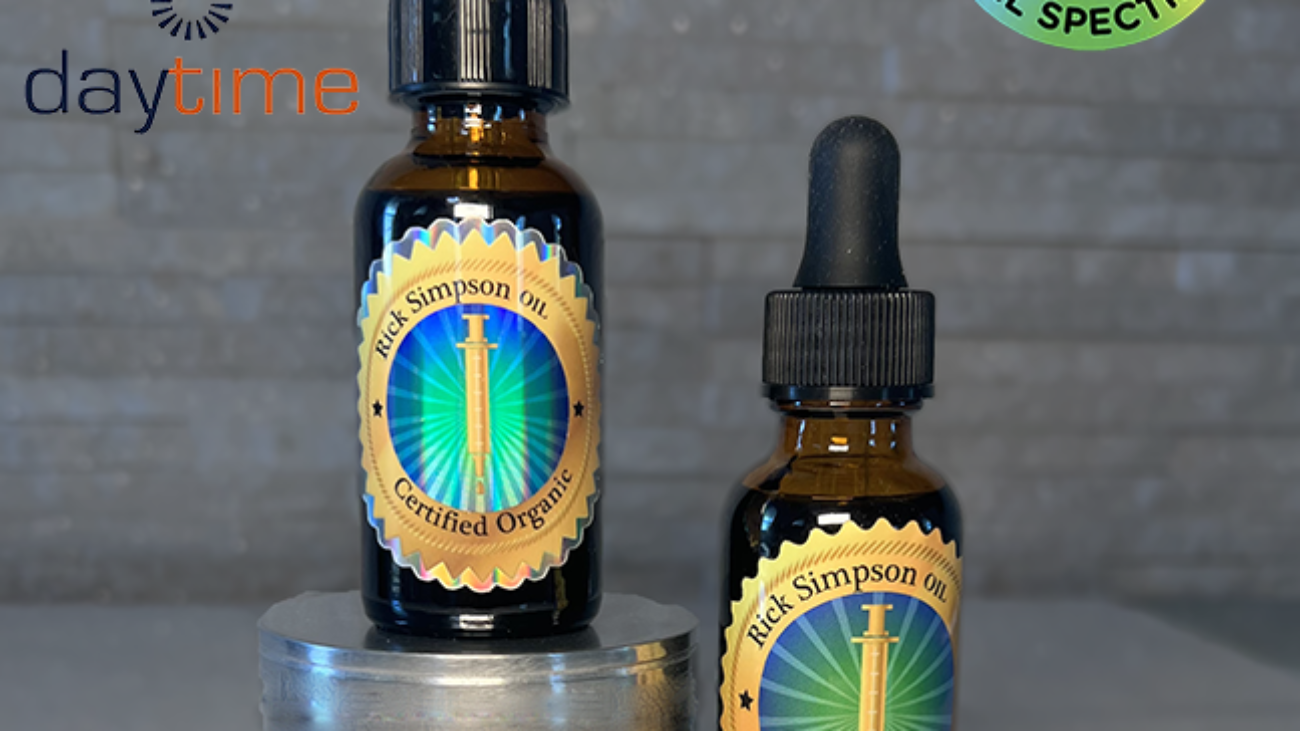
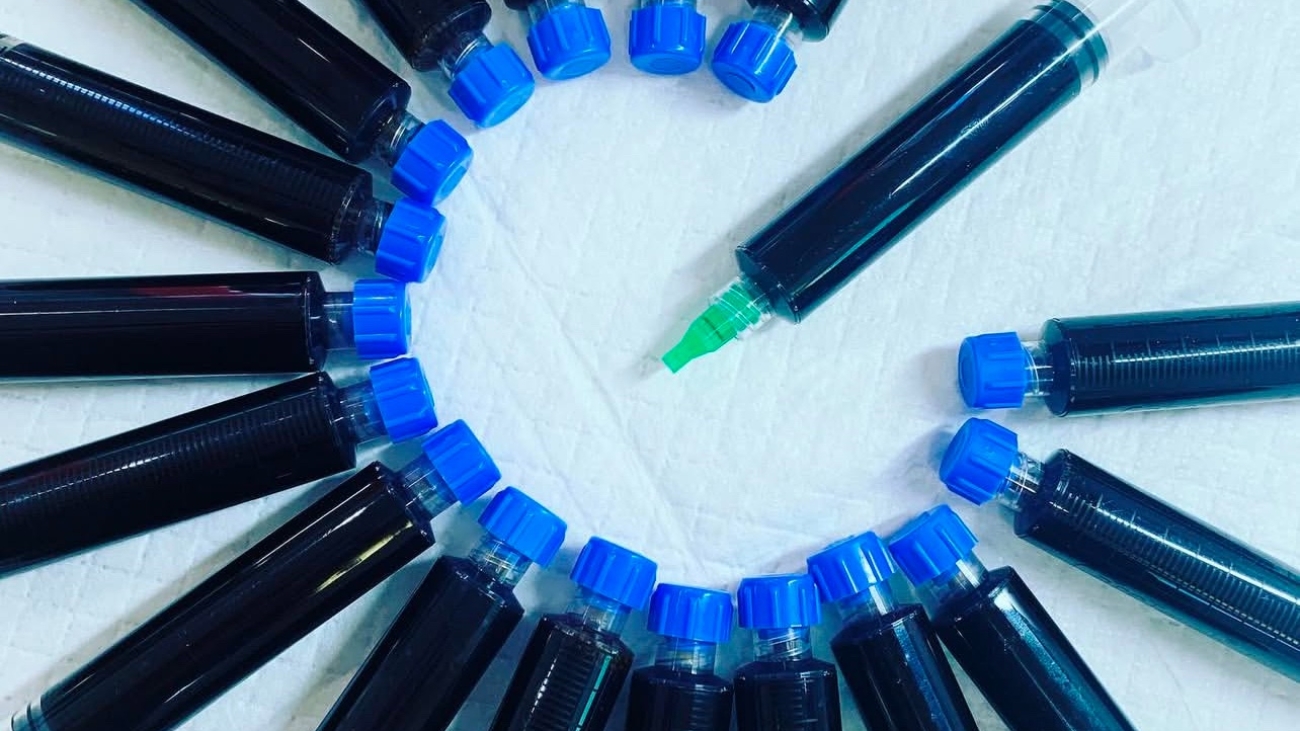
One topic that continues to attract attention is RSO oil for head and neck cancer, particularly in laboratory and preclinical research settings. Rick Simpson Oil (RSO) is a full-spectrum cannabis extract that contains a complex mix of cannabinoids and plant compounds. While it is not a medically approved treatment, scientific studies examining cannabis extracts at the cellular level have sparked discussion around their potential biological activity.
This article reviews current lab insights, clarifies what research actually shows, and explains how patients often interpret these findings within an educational and wellness-focused context.
Understanding Head and Neck Cancer
Head and neck cancer is a broad term covering malignancies that arise in several anatomical areas.
Common Locations Affected
- Oral cavity
- Throat (pharynx)
- Larynx (voice box)
- Nasal passages and sinuses
- Salivary glands
Because these areas are essential for daily functioning, symptom management and supportive care are often central to patient concerns.
Why Plant Extracts Are Studied in Cancer Research
Plant-based compounds have long been studied for their biological activity.
Why Cannabis Extracts Draw Interest
- Interaction with cellular signaling pathways
- Effects on inflammation markers in lab models
- Engagement with the endocannabinoid system
- Antioxidant and stress-related cellular responses
These properties make cannabis extracts a subject of interest in controlled research environments—not as treatments, but as compounds worth studying.
What RSO Represents in Research Contexts
RSO is not standardized or regulated as a pharmaceutical product.
Research-Relevant Characteristics
- Full-spectrum cannabinoid profile
- Presence of THC and other cannabinoids
- Non-isolated compound composition
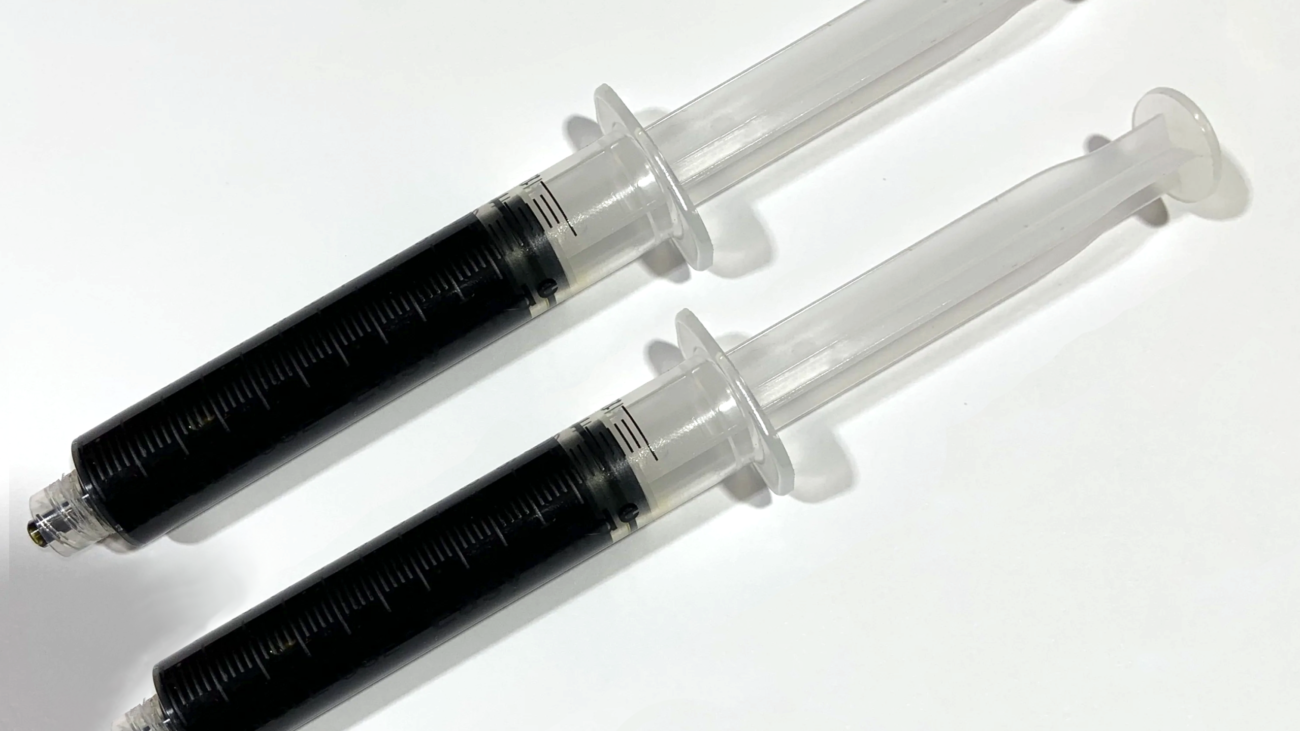
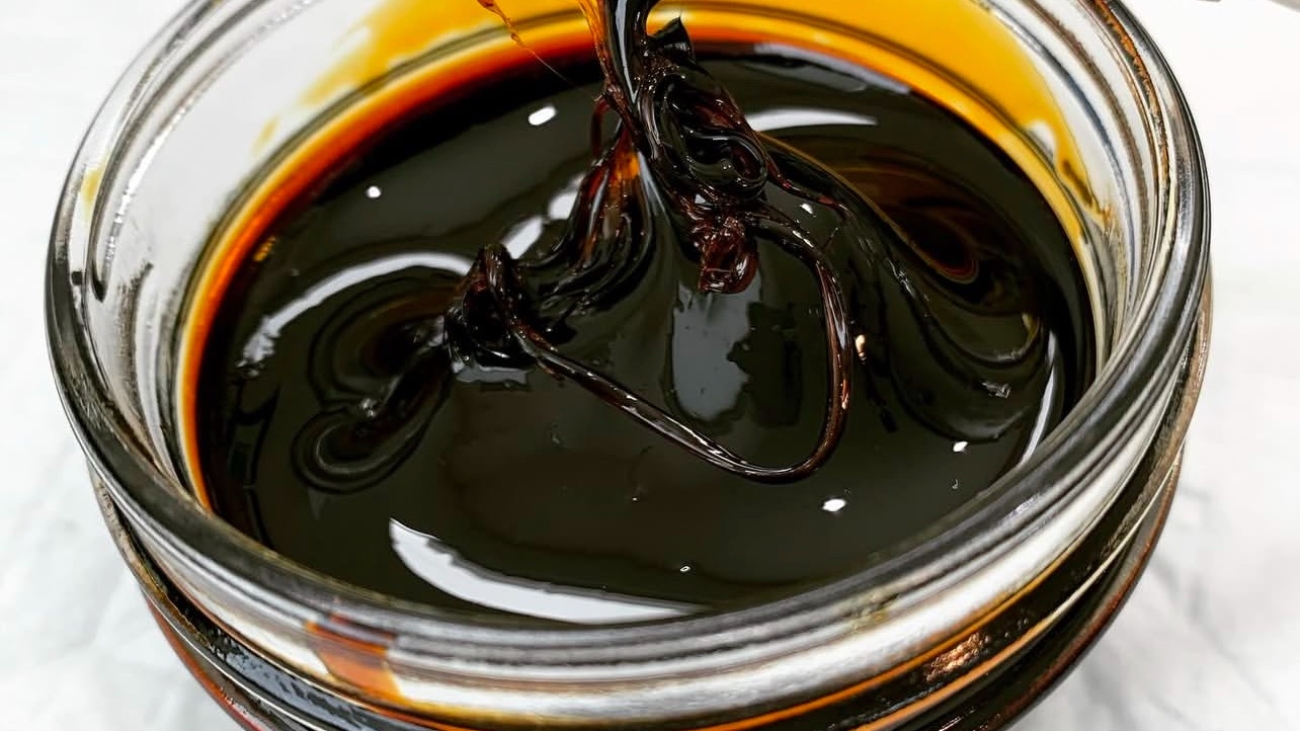
- Thick, concentrated extract form
In laboratory research, scientists typically study cannabis extracts with similar characteristics rather than commercial RSO itself.
Laboratory Studies and Head and Neck Cancer Cells
Most insights related to RSO oil for head and neck cancer come from preclinical research.
What Preclinical Studies Examine
- Cancer cell growth behavior
- Tumor-related signaling pathways
- Apoptosis-associated markers
- Cellular stress and inflammatory responses
These studies are conducted on isolated cells or animal models and are not equivalent to human treatment.
Potential Anti-Tumor Activity in Lab Settings
Some laboratory studies have observed that cannabinoids can influence tumor-related pathways.
Observed Areas of Scientific Interest
- Altered cell proliferation signals
- Interaction with cannabinoid receptors
- Modulation of oxidative stress
- Changes in cellular metabolism
These findings are exploratory and do not establish safety, efficacy, or clinical use.
Why Lab Findings Must Be Interpreted Carefully
A major challenge is how lab research is interpreted outside scientific settings.
Key Differences Between Labs and Real Life
- Lab studies use isolated cells
- Dosages are not human-comparable
- Human biology is far more complex
- Clinical trials are required for validation
This distinction is essential to avoid misunderstanding the role of RSO.
Patient Interest in Head and Neck Cancer Contexts
Patients with head and neck cancer often seek information beyond standard treatments.
Common Motivations
- Curiosity about emerging research
- Desire for supportive wellness options
- Interest in non-invasive approaches
- Need for hope balanced with realism
Education helps patients navigate information responsibly.
Cannabinoid Receptors and Head and Neck Tumors
Researchers study how cannabinoids interact with receptor systems.
Why Receptors Matter in Research
- Influence on cell communication
- Regulation of inflammation
- Role in cell survival and death pathways
These interactions are studied at a molecular level and do not imply clinical outcomes.
Supportive and Educational Framing of RSO
RSO is most often discussed as part of patient education and self-directed learning.
How Patients Typically Frame Use
- As an educational exploration
- As part of holistic wellness research
- As a complementary topic—not treatment
Responsible framing prevents false expectations.
Avoiding Misinformation and Overstatement
Cancer research can easily be misunderstood when oversimplified.
Responsible Communication Includes
- No cure or treatment claims
- Clear distinction between lab and clinical data
- Emphasis on ongoing research
- Encouragement of medical guidance
Accuracy protects patients from harm.
Quality and Transparency Considerations
Because RSO is not standardized, awareness matters.
What Informed Patients Look For
- Clear educational resources
- Transparent sourcing information
- Responsible messaging
- Consistency and quality focus
Education supports safer exploration.
Legal Awareness and Access
Cannabis laws vary across states.
Why Legal Knowledge Is Important
- Product availability differs
- Rules vary for possession and use
- Compliance reduces stress
Patients should remain informed about local regulations.
Where Patients Seek RSO Education
For those looking for educational resources and responsibly produced RSO oil, RSO Healing Hub provides information designed to support informed decision-making.
👉 Shop RSO Oil at RSO Healing Hub
(Internal link and shop button used exactly as requested.)
Exploring Broader Plant-Based Research Education
Individuals interested in cannabis research often explore broader plant-based wellness discussions as part of learning.
Some readers explore platforms such as magicmushroomstore.us for general educational content related to natural compounds.
👉 Visit: https://magicmushroomstore.us/
(External link used exactly as provided.)
Frequently Asked Questions About RSO and Head and Neck Cancer
Does RSO treat head and neck cancer?
No. RSO is not an approved cancer treatment.
Why is lab research still discussed?
Lab studies help scientists understand biological mechanisms and guide future research.
Can lab results be applied to patients?
No. Clinical trials are required to determine safety and effectiveness.
Why Continued Research Matters
Even early-stage research contributes to scientific understanding.
Value of Ongoing Study
- Identifies new biological pathways
- Helps refine future investigations
- Expands knowledge of plant compounds
Progress depends on careful, ethical research.
Final Thoughts: Curiosity Balanced with Clarity
The interest in RSO oil for head and neck cancer reflects a broader curiosity about how plant extracts interact with cancer-related biology. While laboratory findings may be intriguing, they remain early-stage and should be viewed strictly as educational insights—not medical guidance.
Informed patients prioritize clarity, professional care, and realistic expectations above all else.