
 Cart is empty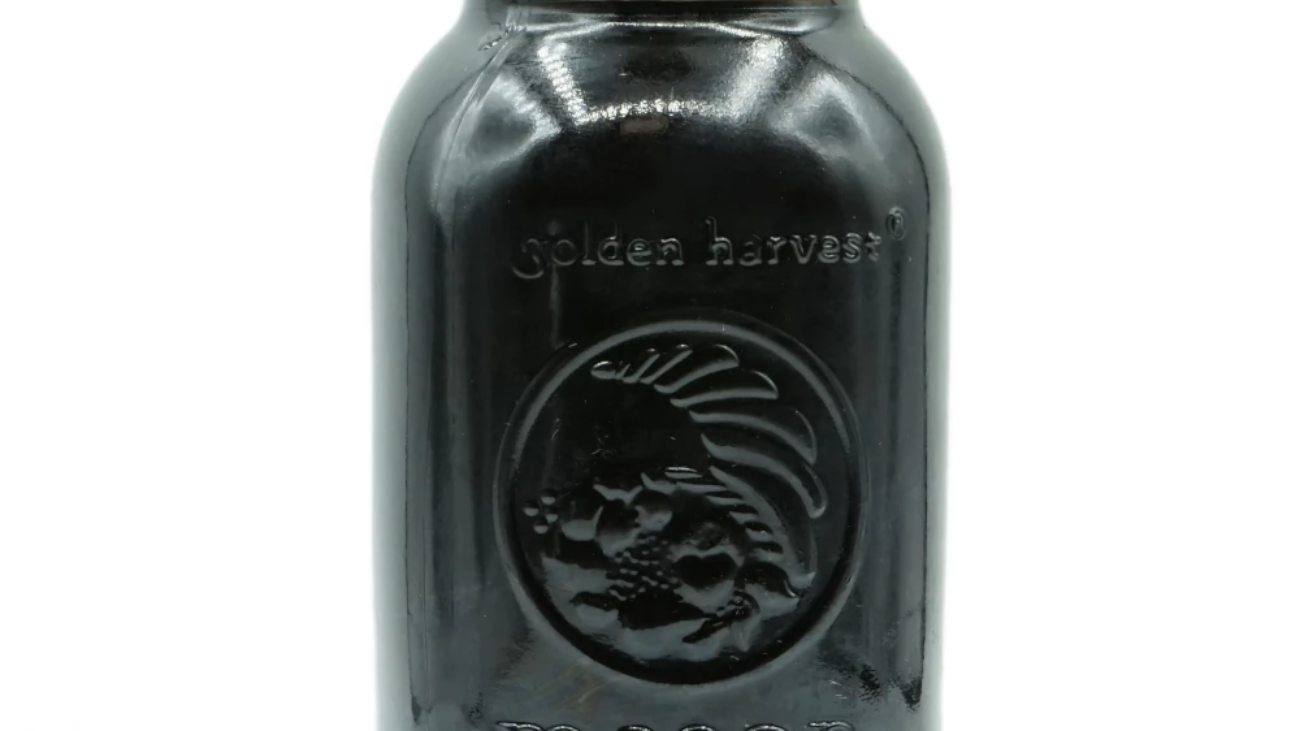
Introduction: Protecting Your Botanical Investment
Rick Simpson Oil (RSO) is a prized full-spectrum concentrate valued for its exceptionally high cannabinoid density and potent plant terpenes. Because quality RSO is rich in sensitive active compounds—primarily Tetrahydrocannabinol (THC), secondary cannabinoids, and volatile terpenes—knowing how to store Rick Simpson Oil for maximum freshness is essential to prevent degradation over time.
When exposed to sub-optimal environmental conditions like excessive heat, direct sunlight, or oxygen, precious THC gradually breaks down into Cannabinol (CBN), reducing therapeutic potency and altering the oil’s consistency.
Whether you purchase single syringes or stock up for long-term regimens, following a few fundamental storage rules guarantees your concentrate maintains peak purity for months or even years. Ready to source fresh, lab-verified extracts? You can Shop Pure RSO Products at RSO Healing Hub for batch-tested quality.
The 3 Environmental Enemies of RSO Freshness
To preserve the freshness of high-potency cannabis extracts, you must shield them from three natural elements that accelerate cannabinoid degradation.
Potency Loss = Exposure to Light (UV) + Heat + Oxygen
1. Direct Light & Ultraviolet (UV) Rays
UV radiation is the fastest catalyst for cannabinoid breakdown. Scientific studies confirm that sunlight converts psychoactive THC into CBN at an accelerated rate, causing the oil to lose its characteristic potency.
2. High Heat
Temperatures above 70°F (21°C) loosen the natural resin matrix, causing volatile aromatic terpenes to evaporate. Heat also increases fluid viscosity, making precise syringe dosing messy and difficult.
3. Oxygen Exposure
Oxygen causes lipid oxidation and darkens the color of full-spectrum extracts. Leaving an RSO syringe uncapped allows oxygen to interact directly with active cannabinoids, slowly degrading taste and efficacy.
Where Should You Store RSO? (Storage Options Compared)
Selecting the right storage environment depends on how quickly you plan to consume your RSO syringe.
| Storage Method | Ideal Duration | Temperature Range | Pros & Cons |
| Cool Cabinet / Pantry | 1 to 3 Months | 60°F – 68°F (15°C – 20°C) | Pros: Convenient daily access. Cons: Sensitive to room temperature spikes. |
| Refrigeration | 3 to 12 Months | 35°F – 40°F (2°C – 4°C) | Pros: Significantly slows degradation. Cons: Thickens resin; requires warming before dispensing. |
| Freezer | 1 to 2+ Years | Sub-32°F (< 0°C) | Pros: Maximum shelf life preservation. Cons: Moisture condensation risk if unsealed. |
To dive deeper into plant extraction science and holistic health education, visit Psychedelics World.
Step-by-Step: Best Practices for Storing Your RSO Syringe
Following a consistent storage routine protects every drop of concentrate from environmental damage.
1.1. Re-Cap the Syringe Immediately After Use:Step 1: Cap Airtight.
Twist or snap the protective rubber cap tightly onto the syringe tip after every dose to block oxygen exposure and prevent leakages.
2.2. Store in an Opaque Container:Step 2: Shield Light.
Keep your capped syringe inside its original cardboard packaging or a dark, light-proof child-resistant container to block UV rays.
3.3. Place in a Cool, Climate-Controlled Area:Step 3: Cool Location.
Store the container in a dark cabinet away from household heat sources like stoves, microwave exhausts, or sunlit windowsills.
4.4. Warm Gently Before Dosing Cold RSO:Step 4: Dispense Care.
If storing in a refrigerator, never force a cold plunger. Roll the cold syringe between warm palms for 60 seconds to soften the oil safely before squeezing.
Signs Your RSO Has Degraded or Expired
When properly stored, Rick Simpson Oil has an exceptionally long shelf life—often remaining fresh for 12 to 24 months. However, if kept in poor conditions, look out for these indicators of degradation:
- Drastic Color Shift: A shift from deep dark amber/black to a dull, foggy light brown.
- Separation or Crystallization: Visible liquid separation or harsh sugar-like cannabinoid crystallization inside the glass chamber.
- Rancid Smell or Bitter Taste: A sour or chemical off-odor indicating degraded plant lipids or residual moisture contamination.
- Noticeable Drop in Efficacy: Needing twice your usual dose to achieve familiar therapeutic relaxation.
Frequently Asked Questions (FAQ)
Does Rick Simpson Oil need to be refrigerated?
Refrigeration is not strictly mandatory for short-term daily use (under 30 days) if kept in a cool, dark cabinet. However, refrigeration is highly recommended for multi-month storage to preserve delicate terpenes and delay THC oxidation.
Can Rick Simpson Oil go bad?
RSO does not spoil or grow mold easily because it lacks water content. However, active THC naturally breaks down into non-psychoactive CBN over time, resulting in lost potency rather than toxic spoilage.
What happens if RSO gets too cold and hardens?
Cold RSO thickens significantly inside the glass syringe. Simply place the sealed syringe in a watertight plastic bag and submerge it in a cup of lukewarm water for 2 to 3 minutes to restore a smooth, workable consistency.
Conclusion
Mastering how to store Rick Simpson Oil for maximum freshness is straightforward: keep it cool, keep it dark, and keep it sealed. By shielding your syringes from heat, UV light, and air, you ensure every microscopic drop remains as fresh and potent as the day it was extracted.
Looking for fresh, high-purity concentrates processed under strict laboratory standards? Shop Tested RSO Products at RSO Healing Hub today for premium full-spectrum extracts delivered straight to your door.