Latest 2026 Research on Cannabis Oil and Cancer: What Studies Say About THC and Tumor Effects

Topical RSO Oil for Skin Cancer: Application Guide and Real User Experiences

Introduction

Skin cancer is one of the most commonly diagnosed cancers worldwide, affecting millions of people each year. While conventional treatments such as surgery, radiation, and topical pharmaceuticals remain the medical standard, many patients explore complementary approaches to support skin health and comfort. Among these, topical RSO oil for skin cancer has become a widely discussed option within alternative wellness communities.

Rick Simpson Oil (RSO) is best known for oral use, but topical application has gained attention due to its direct, localized approach. Patients report using it on specific skin areas as part of a broader self-care routine, often motivated by personal stories and shared experiences rather than clinical trials.

This article provides an in-depth, educational look at topical RSO oil—how it’s applied, why some people choose this method, and what real user experiences reveal.


What Is RSO Oil and Why Is It Used Topically?

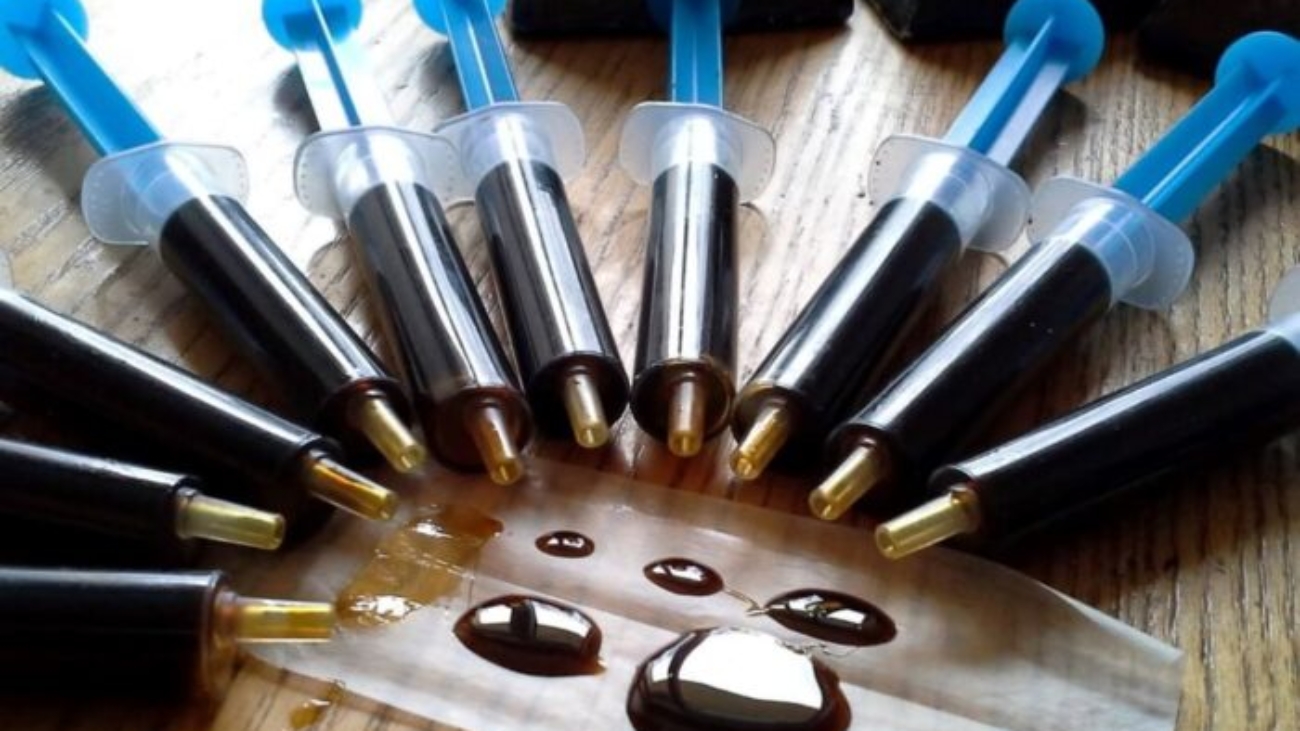
RSO oil is a full-spectrum cannabis extract containing a wide range of cannabinoids and plant compounds. When applied topically, it interacts primarily with the skin rather than entering systemic circulation in significant amounts.

Why Patients Use RSO Oil on the Skin

  • Direct application to a specific area
  • Avoidance of digestive processing
  • Non-invasive method
  • Simple incorporation into daily routines

Topical use appeals to individuals seeking localized support without oral consumption.


Understanding Skin Cancer and the Appeal of Topical Approaches

Skin cancer includes several forms, such as basal cell carcinoma, squamous cell carcinoma, and melanoma. Early detection and medical treatment are critical, yet topical wellness approaches remain of interest to some patients.

Common Challenges Faced by Skin Cancer Patients

  • Visible lesions affecting confidence
  • Skin sensitivity after procedures
  • Desire for gentle, non-oral options
  • Interest in plant-based wellness tools

These factors contribute to the growing conversation around topical RSO oil for skin cancer.


Why Some Patients Choose Topical RSO Oil

Topical application is often viewed as a targeted, manageable method that fits easily into daily self-care routines.

Commonly Reported Reasons

  • Direct contact with affected skin
  • Ease of use at home
  • Minimal systemic effects
  • Integration with other skincare practices

For many, topical use feels more approachable than oral or suppository methods.


How Topical RSO Oil Is Commonly Applied

There is no universal or medically approved protocol for topical RSO oil use. However, patient discussions reveal consistent patterns.

General Application Guide (Experience-Based)

  1. Clean the skin gently and pat dry
  2. Apply a very small amount of RSO oil to the area
  3. Cover lightly with a breathable bandage if needed
  4. Repeat consistently, often once or twice daily

Most users emphasize starting small and observing skin response over time.


Important Application Considerations

Because RSO oil is thick and concentrated, careful application is important.

Practical Tips Shared by Users

  • Use gloves or applicators
  • Avoid broken or bleeding skin
  • Monitor for irritation or sensitivity
  • Keep the area clean and dry

Consistency and hygiene are frequently highlighted in user experiences.


Potential Benefits Reported by Users

It’s important to clarify that these are user-reported experiences, not clinical conclusions.

Commonly Mentioned Observations

  • Improved skin comfort
  • Reduced dryness or irritation
  • Softer surrounding skin
  • Greater sense of control over care routines

Many users focus on comfort and skin appearance rather than medical outcomes.


What Real User Experiences Reveal

User stories play a major role in the popularity of topical RSO oil.

Themes Found in User Experiences

  • Preference for localized application
  • Appreciation for non-oral use
  • Gradual, patient observation
  • Emphasis on personal comfort

Some users report visible skin changes over time, while others value the routine itself as part of holistic self-care.


What Topical RSO Oil Does NOT Replace

Despite its popularity, topical RSO oil should never be viewed as a replacement for medical care.

Important Clarifications

  • Not a cure for skin cancer
  • Not a substitute for dermatologist care
  • Not clinically proven to remove cancer
  • Should not delay medical treatment

Responsible use always involves professional guidance.


Safety, Skin Sensitivity, and Quality Matters

Skin is highly sensitive, especially when affected by cancer or treatments.

Key Safety Considerations

  • Patch test before regular use
  • Discontinue if irritation occurs
  • Avoid sun exposure on treated areas
  • Choose clean, well-sourced products

Product quality is critical to reduce unnecessary skin reactions.


Choosing a Trusted RSO Resource

Patients exploring topical RSO oil often look for transparency, education, and consistent quality.

For those seeking educational information and responsibly produced RSO oil, resources are available through RSO Healing Hub.

👉 Shop RSO Oil at RSO Healing Hub

(Used exactly as your internal link and shop button—no others added.)


Topical RSO Oil as Part of a Broader Wellness Journey

Interest in topical RSO oil often reflects a broader curiosity about plant-based wellness approaches. Many individuals explore multiple educational sources while researching natural compounds and self-care practices.

Some readers also explore educational platforms like magicmushroomstore.us as part of a wider interest in natural wellness discussions.

👉 Visit: https://magicmushroomstore.us/

(External link used exactly as provided, with no additions.)


Frequently Asked Questions About Topical RSO Oil for Skin Cancer

Can topical RSO oil cure skin cancer?

No. It is not a cure and should never replace medical treatment.

Does topical RSO oil enter the bloodstream?

Topical application is generally localized, with minimal systemic absorption reported.

How long do users apply it?

Usage duration varies widely and depends on personal preference and skin response.


Why Research and Education Still Matter

The popularity of topical RSO oil for skin cancer highlights the need for:

  • Controlled studies
  • Dermatological research
  • Clear safety guidelines
  • Honest patient education

Until then, responsible discussion and informed choice remain essential.

Final Thoughts: Local Care, Personal Choice, and Awareness

The use of topical RSO oil reflects a desire for localized, gentle approaches to skin care during challenging health journeys. While user experiences are meaningful, they should be viewed as personal insights—not medical evidence.

Informed decisions, medical guidance, and quality sourcing are the foundation of responsible exploration.
Topical RSO Oil for Skin Cancer: Application Guide and Real User Experiences

Topical RSO Oil for Skin Cancer: Application Guide and Real User Experiences

Introduction

For many individuals facing challenging skin conditions, including non-melanoma skin cancer, topical RSO oil for skin cancer has become a widely discussed approach. Rick Simpson Oil (RSO) — a concentrated cannabis extract — is applied directly to the skin where lesions or tumors appear. Over time, patients and caregivers have shared stories about how this method impacted their symptoms and skin health.

This in-depth guide will cover:

  • What topical RSO oil is
  • How it’s applied for skin cancer
  • Reported benefits and limitations
  • Real user experiences
  • Safety considerations
  • Best practices and dosing tips

Please note: The content below is for informational purposes and is not medical advice. Always consult a healthcare provider before trying any alternative therapy.


What Is Topical RSO Oil?

Rick Simpson Oil (RSO) is a full-spectrum cannabis extract that contains cannabinoids, terpenes, and other plant compounds. Traditionally, RSO is consumed orally or sublingually, but topical application is designed to deliver cannabinoids directly to the skin.

Topical RSO oil for skin cancer typically involves:

  • Applying the oil directly on the affected skin
  • Using gentle massage to improve absorption
  • Following a regular application schedule
  • Combining with supportive care strategies

Many patients share their experiences based on consistency, care plans, and personal tolerance.


Why People Consider Topical RSO Oil for Skin Cancer

1. Targeted Application

One of the main reasons individuals explore RSO topically is targeted delivery. Instead of ingesting the oil and dispersing it systemically, applying it directly on the skin focuses the plant compounds where they are most visible.

2. Avoiding Intense Psychoactive Effects

Unlike oral or inhaled RSO, topical application generally does not produce psychoactive effects. This makes it appealing for people who:

  • Are sensitive to THC
  • Do not want a “high”
  • Prefer a locally targeted approach

3. Comfort and Self-Directed Care

Topical RSO oil empowers people to try applications that may:

  • Hydrate the skin
  • Ease local irritation
  • Support overall epidermal health

Again, this is complementary, not a medical replacement.


How Topical RSO Oil Might Work on Skin Tissue

Cannabinoids interact with the endocannabinoid system (ECS) — a network of receptors found throughout the body, including the skin. The skin’s ECS regulates:

  • Immune responses
  • Inflammation
  • Cell turnover

When applied as a topical, RSO’s cannabinoids engage with ECS receptors locally. Some patients report:

  • A soothing sensation
  • Reduced redness
  • Improved skin feel

However, individual responses vary widely.


Step-by-Step: Applying Topical RSO Oil for Skin Cancer

Before starting, always review safety precautions and consider speaking with a clinician experienced in integrative therapies.

Equipment You’ll Need

  • Clean hands
  • A mild, fragrance-free cleanser
  • Topical RSO oil
  • Optional: sterile gloves

Application Guide

Step 1: Clean the Area

Gently wash the targeted area with a fragrance-free cleanser. Pat dry.
This helps remove debris that may block absorption.

Step 2: Start with a Small Amount

Apply a tiny pea-sized drop of RSO oil to the lesion or affected skin.
Topical dosing should begin low and increase slowly.

Step 3: Gently Massage In

Use circular motions to massage the oil into the skin.
Massage can help improve local circulation and absorption.

Step 4: Allow to Sit

Let the oil absorb for at least 10–15 minutes before covering or applying clothing.

Step 5: Repeat Consistently

Many users apply 1–2 times per day, depending on tolerance and skin response.


Real User Experiences and Testimonials

Below are experiences shared by individuals who used topical RSO oil for skin cancer symptoms. These are personal reports and not clinical outcomes.

Experience #1: Consistent Daily Application

“I started applying RSO topically once a day on the affected area. I didn’t feel a high, but the redness seemed calmer over a few weeks. I continued for about three months and always kept track of skin changes.”

Experience #2: Combining with Skincare Routine

“I used RSO oil after my dermatologist appointments. The skin felt more hydrated, and irritation around the lesion decreased. It’s not a cure-all, but it helped my comfort.”

Experience #3: Slow Progress but Noticeable Comfort

“I didn’t notice major changes immediately. But after several weeks, the area was less inflamed and less itchy. I stayed patient and consistent.”


Benefits Patients Report

While definitive scientific evidence on topical RSO oil for skin cancer is limited, several topics arise repeatedly in community conversations:

Reported Benefits Include:

  • Localized comfort
  • Reduced itching or irritation
  • Hydration of dry skin
  • Calmness around lesion borders
  • No psychoactive effects

Common Themes in Feedback

  • Patience and consistency are key
  • Results vary significantly
  • Professional guidance improves overall care strategy

How Topical RSO Compares to Other Methods

MethodPsychoactive EffectsTargeted DeliveryEase of Use
Oral RSO OilHigherLowModerate
Inhaled RSOHigherModerateEasy
Topical RSOMinimalHighEasy

Topical RSO stands out for minimal systemic impact and focused application, which many find desirable for skin-related use.


Safety Considerations

Even though topical application is generally considered milder than ingestion, safety matters:

Do Not Apply Over Broken Skin

If the skin is open, painful, or bleeding, avoid direct application.

Patch Test First

Apply a small amount to a separate area to check for sensitivity.

Watch for Allergic Reactions

Redness, itching, or inflammation may indicate irritation.

Consult a Healthcare Provider

Especially if you’re undergoing cancer treatments or have compromised immunity.


Factors That Influence Effectiveness

Effectiveness can vary based on:

  • Skin type
  • Severity and type of lesion
  • Consistency of application
  • Individual endocannabinoid system differences
  • Environmental exposures

There is no universal outcome. Personal experience should be monitored and documented.


Why Some Users Prefer Topical RSO

1. Non-Invasive Comfort

Unlike surgical or pharmaceutical approaches, topical RSO doesn’t require ingestion or systemic absorption.

2. No Psychoactive Side Effects

Most users report no “high,” which fits daily life better.

3. Simplified Dosing

Applying directly allows users to feel confident about small, incremental changes without guesswork.


Integrating Topical RSO Into a Wellness Routine

Many patients blend topical RSO use with:

  • Gentle moisturizers
  • Balanced diet
  • Sun protection
  • Stress management
  • Regular professional check-ups

This holistic pattern supports wellness while honoring individual comfort.


Where to Find Trusted RSO Products

When selecting topical RSO oil, quality and consistency matter. Patients frequently look for products that are:

  • Cleanly manufactured
  • Full-spectrum
  • Containing lab-verified cannabinoid profiles

👉 Shop Premium RSO Oil Products:
https://rsohealinghub.com

This link leads to a shop focused on high-quality RSO formulations. Using trusted sources helps ensure you get consistent, responsibly sourced oil.


Broader Natural Wellness Exploration

Some individuals exploring plant-based approaches also engage with educational resources related to natural wellness topics:

👉 Explore Related Natural Wellness Content:
https://magicmushroomstore.us/

This resource focuses on educational content related to plant-based support and natural wellness conversations.


Frequently Asked Questions (FAQ)

Does topical RSO oil cure skin cancer?

No. Topical RSO oil is not a medically approved cure. It is discussed by users in complementary wellness contexts.

Will RSO get absorbed into the bloodstream?

Topical application generally leads to minimal systemic absorption, focusing on localized areas.

Can I use RSO oil every day?

Many users apply daily, but tolerance and skin sensitivity vary. Start with small doses and increase slowly.

Is topical RSO safe for all skin types?

Most skin types tolerate topical use, but patch testing and professional guidance are recommended.


Conclusion

Topical RSO oil for skin cancer has become a topic of considerable interest among individuals looking for focused, gentle, and non-psychoactive ways to apply cannabis extracts to affected skin. While not a medical cure or replacement for professional care, many users report comfort, reduced irritation, and satisfaction with how they integrate it into their routines.

Consistent documentation, patience, and safety practices help users navigate this option with confidence.


Call to Action

👉 Discover high-quality topical RSO oils and products:
Shop RSO Healing Hub