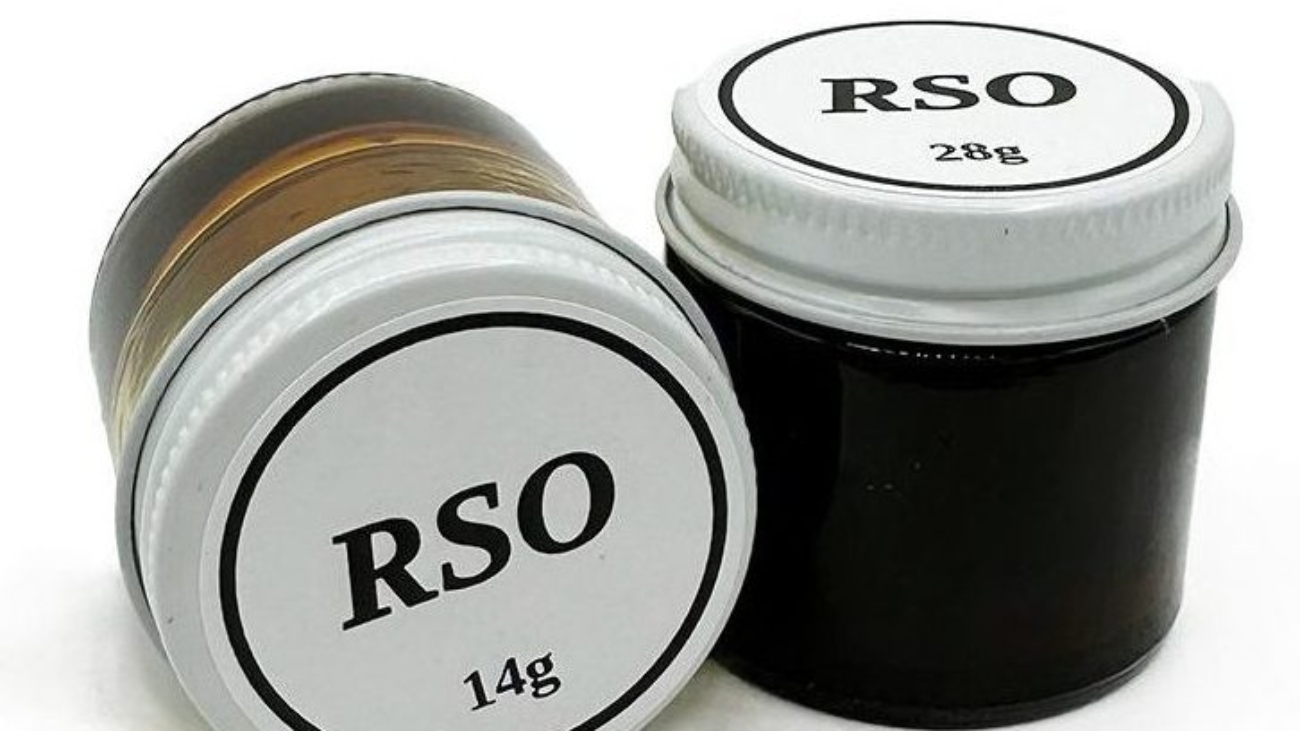
Common Mistakes When Starting RSO for Cancer: Avoid These Dosing and Safety Errors

Common Mistakes When Starting RSO for Cancer: Avoid These Dosing and Safety Errors

Introduction: Why Getting RSO Right From the Start Matters

Rick Simpson Oil (RSO) has become widely discussed among individuals exploring cannabis-based approaches for cancer support. However, starting RSO incorrectly is one of the most common reasons people experience discomfort, inconsistency, or frustration early on.

This guide focuses on common mistakes when starting RSO for cancer, especially those related to dosing, safety, expectations, and routine management. Avoiding these errors can help individuals approach RSO use more confidently, responsibly, and sustainably.


Primary Keyword Focus

Common Mistakes When Starting RSO for Cancer

This primary keyword is used naturally throughout headings and content to align with SEO best practices while remaining readable and helpful.


Mistake #1: Starting With Too High a Dose

One of the most frequent errors is taking too much RSO too soon.

RSO is highly concentrated, and beginners often underestimate its strength. Starting with a large dose can lead to discomfort rather than support.

Why This Happens

  • Misunderstanding concentration
  • Comparing doses to other cannabis products
  • Rushing the process

Why It’s a Problem

  • Overwhelming psychoactive effects
  • Difficulty maintaining daily routines
  • Increased anxiety or fatigue

Mistake #2: Skipping the Gradual Titration Phase

Many structured RSO protocols emphasize slow, gradual increases over time.

Skipping this phase is a major mistake.

Why Gradual Increase Matters

  • Allows the body to adapt
  • Reduces unwanted side effects
  • Improves consistency and tolerance

Rushing dosage increases rarely leads to better outcomes and often causes setbacks.


Mistake #3: Inconsistent Dosing Schedules

Consistency is critical when starting RSO for cancer.

Common consistency errors include:

  • Forgetting doses
  • Taking doses at random times
  • Changing dose sizes daily

Why Consistency Matters

  • Supports stable cannabinoid levels
  • Makes progress easier to track
  • Helps the body establish a rhythm

A structured routine is far more effective than sporadic use.


Mistake #4: Not Tracking Dosage and Timing

Many beginners rely on memory instead of tracking.

This often leads to:

  • Accidental double dosing
  • Missed doses
  • Confusion about what works

Simple Tracking Tips

  • Write doses down daily
  • Track time and amount
  • Note physical and mental responses

Tracking doesn’t need to be complex—simple notes can make a big difference.


Mistake #5: Ignoring Individual Sensitivity

Every person responds differently to RSO.

A major mistake is assuming:

  • One protocol fits everyone
  • Others’ experiences will match your own
  • Faster is always better

Factors influencing sensitivity include:

  • Body chemistry
  • Prior cannabis experience
  • Lifestyle and stress levels

Personalization is key.


Mistake #6: Poor Storage Leading to Potency Loss

Improper storage can reduce RSO effectiveness over time.

Common storage mistakes:

  • Exposure to heat
  • Light exposure
  • Air exposure
  • Using plastic containers

Poor storage can undermine even the most carefully planned protocol.


Mistake #7: Expecting Immediate Results

RSO is often part of long-term cancer protocols, not instant solutions.

Unrealistic expectations can cause:

  • Early discouragement
  • Protocol abandonment
  • Overdosing in search of faster effects

Reality Check

  • Progress is gradual
  • Consistency matters more than speed
  • Long-term routines are the goal

Mistake #8: Combining Too Many Changes at Once

Starting RSO while simultaneously:

  • Changing diet
  • Adding multiple supplements
  • Altering sleep schedules
  • Introducing new routines

…makes it difficult to understand what’s helping or not.

Better Approach

  • Introduce RSO first
  • Make changes gradually
  • Adjust one variable at a time

Mistake #9: Not Planning for Daily Functioning

RSO can affect alertness, especially early on.

Some people forget to plan around:

  • Work responsibilities
  • Driving
  • Family obligations
  • Mental focus

Helpful Planning Tips

  • Schedule doses during downtime
  • Avoid driving after dosing
  • Allow rest periods early on

Mistake #10: Using Low-Quality or Unverified RSO

Not all RSO is created equal.

Low-quality products may:

  • Lack consistency
  • Be improperly extracted
  • Vary widely in potency

Quality sourcing is foundational when starting RSO for cancer.

👉 Explore reliable, high-quality RSO products at:
https://rsohealinghub.com
🛒 Shop Trusted RSO Oil

(Internal link used exactly as instructed — no others added)


Mistake #11: Improper Measuring Techniques

Eyeballing doses is risky with a concentrated oil.

Common measuring mistakes include:

  • Using non-marked tools
  • Guessing dose sizes
  • Inconsistent portioning

Accurate measurement supports consistency and safety.


Mistake #12: Neglecting Hydration and Nutrition

RSO routines are often more effective when paired with:

  • Adequate hydration
  • Balanced meals
  • Stable blood sugar levels

Neglecting basic wellness habits can amplify discomfort during early use.


Mistake #13: Stopping Too Soon Due to Early Discomfort

Initial adjustment phases are common.

Some people stop prematurely due to:

  • Temporary fatigue
  • Mild discomfort
  • Unfamiliar sensations

While listening to the body is important, many protocols emphasize gentle persistence and adjustment rather than immediate discontinuation.


Mistake #14: Lack of a Calm Environment

Stressful environments can intensify discomfort.

Helpful environment considerations:

  • Quiet dosing spaces
  • Reduced distractions
  • Comfortable seating or resting areas

A calm setting supports smoother early experiences.


Mistake #15: Not Educating Yourself First

Starting RSO without education increases mistakes.

Important knowledge areas include:

  • Dosing principles
  • Storage best practices
  • Timing considerations
  • Individual response awareness

Education reduces anxiety and builds confidence.


Supporting a Safer, More Confident Start

Avoiding common mistakes when starting RSO for cancer is less about perfection and more about intentional, informed choices.

Successful routines often share these traits:

  • Slow, gradual dosing
  • Consistency
  • Quality sourcing
  • Proper storage
  • Realistic expectations

Complementary Learning Resources

Some individuals exploring broader natural wellness education alongside cannabis-based approaches review general informational resources at:

👉 https://magicmushroomstore.us/

(Only external link used, exactly as instructed)


Image Optimization Suggestions (SEO-Friendly)

Suggested image topics:

  • RSO dosing tools
  • Calm dosing environments
  • Proper RSO storage

Suggested alt text:

  • “Common mistakes when starting RSO for cancer”
  • “RSO dosing safety tips”
  • “How to avoid RSO dosing errors”

Final Thoughts: Start Smart, Stay Consistent

Understanding common mistakes when starting RSO for cancer helps individuals approach RSO use with clarity, patience, and responsibility.

A thoughtful start:

  • Reduces discomfort
  • Improves consistency
  • Supports long-term routines
  • Encourages confidence and stability

Clear Call-to-Action

Start your RSO journey the right way—with quality you can trust.

👉 Visit:
https://rsohealinghub.com
🛒 Click the Shop Button to Get Started
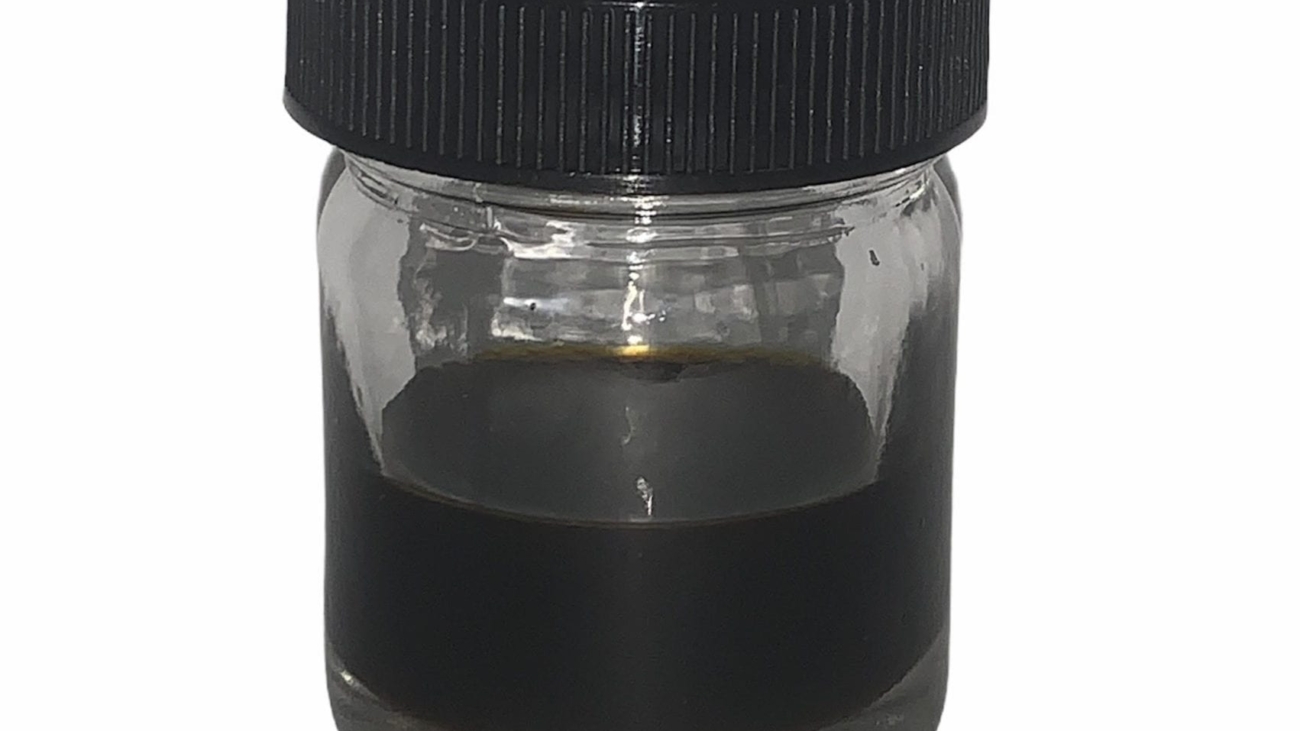
Common Mistakes When Starting RSO for Cancer: Avoid These Dosing and Safety Errors

Combining RSO with Other Natural Therapies: Insights for Holistic Cancer Approaches

Introduction: A Holistic Perspective on Cancer Support

Cancer affects more than just the body—it impacts mental, emotional, and spiritual well-being. This is why many patients and caregivers explore holistic cancer approaches that focus on the whole person rather than a single symptom.

One growing area of interest is combining RSO with other natural therapies as part of an integrative wellness strategy. While RSO is widely discussed for its concentrated cannabinoid content, many individuals choose to pair it with additional natural practices that support overall balance, resilience, and quality of life.

This article explores how RSO fits into broader holistic cancer approaches, why patients combine therapies, and what to consider when building a supportive, well-rounded routine.


Primary Keyword Focus

Combining RSO with Other Natural Therapies

This keyword is used naturally throughout headings and content to support SEO performance without overuse.


Understanding Holistic Cancer Approaches

Holistic cancer approaches focus on:

  • Supporting the entire body and mind
  • Encouraging balance and wellness
  • Complementing conventional or personal care strategies
  • Improving overall quality of life

Rather than relying on a single method, holistic care often involves layered support systems that work together.


What Is RSO and Why It’s Included in Holistic Routines

Rick Simpson Oil (RSO) is a full-spectrum cannabis extract known for its high cannabinoid concentration. In holistic wellness discussions, RSO is often included because it:

  • Contains multiple cannabinoids and plant compounds
  • Is commonly used in structured wellness routines
  • Can be tailored into long-term protocols
  • Fits into broader lifestyle-based approaches

Many individuals view RSO as one part of a larger wellness framework, not a standalone solution.


Why People Combine RSO with Other Natural Therapies

The interest in combining RSO with other natural therapies comes from a desire to:

  • Address physical, mental, and emotional well-being together
  • Support daily comfort and balance
  • Maintain consistency over long-term wellness routines
  • Feel more engaged and proactive in personal care

Holistic cancer approaches are often personalized, meaning combinations vary from one individual to another.


Common Natural Therapies Used Alongside RSO

1. Nutrition-Focused Wellness Plans

Diet plays a central role in holistic routines.

Common dietary focuses include:

  • Whole, unprocessed foods
  • Plant-forward meals
  • Healthy fats and hydration
  • Mindful eating habits

Nutrition is often adjusted to support energy levels and digestion, especially during long wellness protocols.


2. Herbal and Botanical Support

Some individuals explore herbs and plant-based supplements as part of their routine.

Examples may include:

  • Adaptogenic herbs
  • Traditional botanical blends
  • Teas and tinctures

These are often chosen for general wellness support, not as replacements for any primary therapy.


3. Mind-Body Practices

Mental and emotional well-being is a major pillar of holistic cancer approaches.

Popular practices include:

  • Meditation and breathwork
  • Gentle yoga or stretching
  • Guided relaxation techniques
  • Mindfulness exercises

These practices aim to reduce stress and encourage mental clarity and calm.


4. Lifestyle and Daily Routine Adjustments

Holistic wellness is deeply connected to everyday habits.

Key lifestyle considerations:

  • Sleep quality and rest cycles
  • Daily movement and light exercise
  • Stress management
  • Time spent outdoors

RSO is often integrated into routines that emphasize consistency and balance.


How RSO Fits into an Integrative Wellness Plan

When combining RSO with other natural therapies, many individuals focus on:

  • Timing and consistency
  • Creating structured daily routines
  • Tracking personal responses
  • Making gradual adjustments

Rather than doing everything at once, holistic approaches often evolve step by step.


Long-Term Thinking in Holistic Cancer Approaches

Holistic wellness is not about quick results—it’s about sustainability.

Long-term considerations include:

  • Ease of maintaining routines
  • Comfort with daily practices
  • Storage and preservation of RSO
  • Avoiding burnout or overwhelm

This mindset aligns well with structured, long-term RSO protocols.


The Importance of Personalization

No two holistic routines are identical.

Factors that influence personalization:

  • Individual comfort levels
  • Lifestyle and schedule
  • Wellness goals
  • Previous experience with natural therapies

Combining RSO with other natural therapies works best when routines are flexible and adaptable.


Balancing Expectations with Realistic Goals

A holistic approach does not promise instant change. Instead, it emphasizes:

  • Incremental progress
  • Self-awareness
  • Consistency over time
  • Supportive daily habits

Many people find value in the sense of control and participation that holistic routines provide.


Common Mistakes When Combining Natural Therapies

Avoid these pitfalls:

  • Adding too many therapies at once
  • Ignoring rest and recovery
  • Inconsistent routines
  • Lack of tracking or reflection

Holistic cancer approaches work best when simple, intentional, and sustainable.


Creating a Calm and Supportive Environment

Your environment plays a major role in wellness.

Helpful elements include:

  • Quiet, organized spaces
  • Reduced stress triggers
  • Comfortable dosing routines
  • Time for reflection or journaling

RSO is often incorporated into environments that prioritize peace and routine.


Why Quality RSO Matters in Holistic Use

The effectiveness of any holistic routine begins with quality sourcing.

High-quality RSO typically emphasizes:

  • Clean extraction processes
  • Full-spectrum preservation
  • Proper storage and handling
  • Consistency in formulation

👉 Explore trusted, high-quality RSO options at:
https://rsohealinghub.com
🛒 Shop Premium RSO Oil

(Internal link used exactly as requested — no others added)


Exploring Broader Natural Wellness Education

Some individuals interested in holistic approaches also explore educational resources related to plant-based wellness and natural consciousness studies.

Informational content can be found at:
👉 https://magicmushroomstore.us/

(Only external link used, exactly as instructed)


Image Optimization Suggestions (For On-Page SEO)

Recommended image ideas:

  • Calm wellness routines with natural elements
  • Organized RSO storage setups
  • Mind-body practices like meditation

Suggested alt text:

  • “Combining RSO with other natural therapies”
  • “Holistic cancer approaches using RSO oil”
  • “Integrative wellness routine with RSO”

Encouraging Engagement and Reflection

Holistic cancer approaches encourage:

  • Self-reflection
  • Routine evaluation
  • Mindful participation

Readers may benefit from journaling, tracking routines, or discussing wellness strategies within supportive communities.


Final Thoughts: A Balanced, Whole-Person Approach

Combining RSO with other natural therapies reflects a growing interest in holistic cancer approaches that prioritize balance, intention, and long-term wellness.

Rather than focusing on a single method, holistic routines bring together:

  • Consistent practices
  • Quality natural products
  • Mind-body awareness
  • Sustainable lifestyle habits

For many, this integrative mindset becomes a meaningful part of their personal wellness journey.


Clear Call-to-Action

Build a holistic routine with confidence and quality.

👉 Visit the official store:
https://rsohealinghub.com
🛒 Click the Shop Button to Get Started

How to Store and Preserve RSO Oil: Tips to Maintain Potency for Long-Term Cancer Protocols

How to Store and Preserve RSO Oil: Tips to Maintain Potency for Long-Term Cancer Protocols

Introduction: Why Proper RSO Oil Storage Matters

For patients using Rick Simpson Oil (RSO) as part of long-term cancer protocols, proper storage is not optional—it’s essential. RSO is a highly concentrated cannabis extract rich in cannabinoids and terpenes that are sensitive to light, heat, air, and moisture.

Improper storage can lead to:

  • Reduced THC and cannabinoid potency
  • Oxidation and degradation
  • Changes in texture and consistency
  • Reduced therapeutic effectiveness

This guide focuses on how to store and preserve RSO oil correctly so it remains potent, safe, and effective throughout extended cancer treatment regimens.


Primary Keyword Focus

How to Store and Preserve RSO Oil

This phrase is used naturally throughout headings and content to meet SEO best practices without keyword stuffing.


What Is RSO Oil and Why It’s So Sensitive

RSO oil is a full-spectrum cannabis extract containing:

  • High levels of THC
  • Cannabinoids like CBD, CBG, and CBN
  • Natural terpenes and plant compounds

These compounds degrade when exposed to:

  • UV light
  • Oxygen
  • Heat
  • Humidity

Understanding this vulnerability is the foundation of effective RSO preservation.


How Long Can RSO Oil Last If Stored Properly?

When stored correctly, RSO oil can remain potent for:

  • 6–12 months at room temperature (ideal conditions)
  • 1–2 years when refrigerated
  • 2+ years when frozen and properly sealed

Improper storage may reduce effectiveness in weeks or months, especially during long cancer protocols.


Best Temperature for Storing RSO Oil

Room Temperature Storage (Short-Term Use)

Best for daily or weekly dosing.

Ideal conditions:

  • 60–70°F (15–21°C)
  • Dark, cool, and dry location
  • Away from electronics and sunlight

Avoid:

  • Kitchen counters
  • Cars
  • Windowsills

Refrigeration (Medium to Long-Term Protocols)

Refrigeration slows cannabinoid degradation.

Benefits:

  • Preserves potency
  • Slows oxidation
  • Ideal for multi-month cancer regimens

Tip: Allow RSO to reach room temperature before dosing for easier handling.


Freezer Storage (Long-Term Preservation)

Best for patients purchasing RSO in bulk.

Why freezing works:

  • Halts chemical degradation
  • Extends shelf life beyond 2 years
  • Maintains cannabinoid integrity

Important: Always store in airtight, moisture-proof containers.


The Role of Light Exposure in RSO Degradation

Light—especially UV—breaks down THC into less active compounds.

Best Containers for Light Protection

  • Amber or dark glass syringes
  • Opaque silicone containers
  • Light-resistant jars

Never store RSO in:

  • Clear plastic containers
  • Transparent glass jars

Why Oxygen Is the Enemy of RSO Oil

Oxygen causes oxidation, which:

  • Reduces THC potency
  • Alters chemical structure
  • Changes flavor and aroma

How to Minimize Oxygen Exposure

  • Use airtight containers
  • Avoid frequent opening
  • Store in smaller portions if possible

Best Containers for Storing RSO Oil

Recommended Storage Materials

  • Medical-grade glass syringes
  • Dark glass jars with tight seals
  • Silicone dab containers (short-term)

Avoid These Materials

  • Plastic containers
  • Aluminum foil
  • Low-quality rubber seals

Moisture Control: A Critical but Overlooked Factor

Moisture can introduce mold or bacteria.

Moisture Prevention Tips

  • Always store RSO in dry environments
  • Never use wet tools for dosing
  • Consider food-grade desiccants nearby (not touching oil)

How to Store RSO Oil for Long-Term Cancer Protocols

Patients following structured RSO cancer protocols often require consistent dosing over 60–90 days or longer.

Best Practices

  • Refrigerate or freeze unused portions
  • Store daily-use doses separately
  • Label containers with dates
  • Avoid repeated temperature changes

Signs Your RSO Oil Has Degraded

Discard RSO oil if you notice:

  • Strong rancid odor
  • Mold or unusual particles
  • Severe texture separation
  • Significant loss of effectiveness

Travel Storage Tips for RSO Oil

When traveling:

  • Use insulated containers
  • Keep RSO away from heat
  • Avoid prolonged light exposure
  • Never leave in a parked vehicle

Does RSO Oil Lose Potency Over Time?

Yes—but proper storage dramatically slows degradation.

Factors affecting potency loss:

  • Temperature fluctuations
  • Air exposure
  • Light exposure
  • Container quality

Correct storage can preserve over 90% potency for extended periods.


Storage Mistakes That Reduce RSO Effectiveness

Avoid these common errors:

  • Leaving syringes uncapped
  • Storing near heat sources
  • Using plastic containers
  • Exposing oil to direct sunlight
  • Repeated warming and cooling

Why Quality Matters Before Storage Even Begins

High-quality RSO starts with:

  • Proper extraction
  • Clean solvents
  • Full-spectrum preservation

For patients sourcing RSO for therapeutic use, quality and freshness matter just as much as storage.

👉 Visit the official store at
https://rsohealinghub.com
🛒 Shop Premium RSO Oil (Trusted Source)

(Internal link used exactly as requested)


Complementary Wellness Approaches

Some patients exploring holistic wellness also research alternative natural therapies alongside cannabis-based protocols. Educational resources can be found at:

👉 https://magicmushroomstore.us/

(Only external link used, as instructed)


Image Optimization Tips (For On-Page SEO)

Recommended image ideas:

  • Dark glass RSO containers
  • Refrigerated RSO syringes
  • Airtight storage examples

Alt text examples:

  • “How to store and preserve RSO oil safely”
  • “RSO oil storage for long-term cancer protocols”
  • “Best containers for preserving RSO oil potency”

Final Thoughts: Protecting Your RSO Investment

Learning how to store and preserve RSO oil is essential for anyone relying on it for long-term cancer protocols. With the right temperature, container, and environment, RSO can remain potent, safe, and effective for months—or even years.

Smart storage equals consistent results.


Strong Call-to-Action

Protect your health. Preserve your medicine.

👉 Shop high-quality RSO oil now at:
https://rsohealinghub.com
🛒 Click the Shop Button to Get Started