
RSO Product Formats and Usage

RSO Product Formats and Usage: A Complete Guide to Oils, Gummies, Capsules, Tinctures, and Topicals

Rick Simpson Oil (RSO) has become an increasingly popular topic among people interested in concentrated cannabis extracts and their different product applications. Originally associated with a thick, highly concentrated cannabis oil, RSO is now discussed in several product formats, including syringes, gummies, capsules, tinctures, and topical preparations.

As interest in cannabis products continues to grow, understanding RSO product formats and usage can help consumers make more informed decisions about product characteristics, intended applications, cannabinoid concentrations, and safety considerations.

Not all RSO products are created in the same way. Some contain concentrated cannabis extract in its traditional oil form, while others incorporate RSO into convenient formats designed for different applications.

If you are interested in exploring Rick Simpson Oil products and learning more about cannabis extracts, visit RSO Healing Hub for additional product information and educational resources.

SHOP RSO PRODUCTS AT RSO HEALING HUB

Whether you are researching traditional RSO oil, exploring RSO gummies, or comparing topical applications with oral products, understanding the differences between these formats is essential.

In this guide, we examine the most common RSO product formats, how they differ, their intended applications, important safety considerations, and what consumers should know before choosing a product.

What Is Rick Simpson Oil (RSO)?

Rick Simpson Oil is a concentrated cannabis extract associated with Rick Simpson, who popularized its use through personal accounts and discussions about cannabis-based wellness.

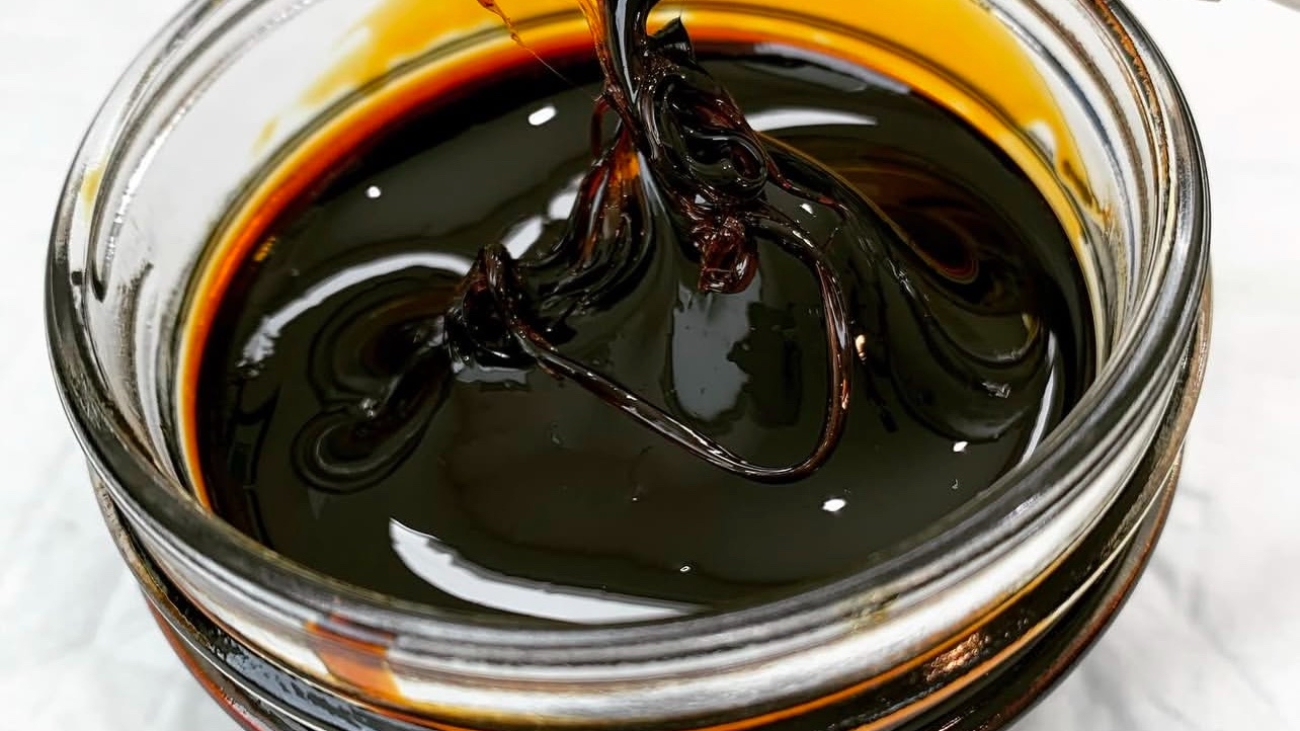
RSO is generally recognized by its thick consistency, dark appearance, and concentrated cannabinoid content.

Many traditional RSO preparations contain relatively high levels of THC, although their exact cannabinoid profiles depend on the cannabis source and extraction process.

RSO may contain several naturally occurring cannabis compounds, including:

  • THC (tetrahydrocannabinol).
  • CBD (cannabidiol).
  • Other minor cannabinoids.
  • Terpenes.
  • Other plant-derived compounds.

The combination and concentration of these compounds can vary between products.

It is also important to understand that RSO is not one standardized commercial product. Different manufacturers may use different production methods, ingredients, and formulations.

This explains why checking product labels, cannabinoid concentrations, and independent laboratory results is important when comparing different RSO products.

Understanding Different RSO Product Formats

One of the interesting developments in the cannabis market is the availability of different product formats containing Rick Simpson Oil.

Traditional RSO is commonly sold as a thick oil, but manufacturers may incorporate cannabis extracts into other preparations to make them easier to handle or suitable for different applications.

The most commonly discussed formats include:

  1. Traditional RSO oil.
  2. RSO syringes.
  3. RSO gummies and edibles.
  4. RSO capsules.
  5. RSO tinctures.
  6. RSO balms and topicals.
  7. RSO suppositories.

Each format has different characteristics, and consumers should understand that the products are not automatically interchangeable.

1. Traditional RSO Oil

<image-placeholder>Suggested image: Traditional dark Rick Simpson Oil in a small glass container.</image-placeholder>

Traditional RSO oil is the original format most commonly associated with Rick Simpson Oil.

It is typically a thick, concentrated extract with a dark brown or nearly black appearance.

Unlike many conventional cannabis oils, traditional RSO is known for its dense consistency and concentrated cannabinoid content.

Characteristics of Traditional RSO Oil

Some commonly discussed characteristics include:

  • Thick, sticky consistency.
  • Dark brown or black appearance.
  • Concentrated cannabis extract.
  • Potentially high THC content.
  • Variable cannabinoid and terpene profiles.

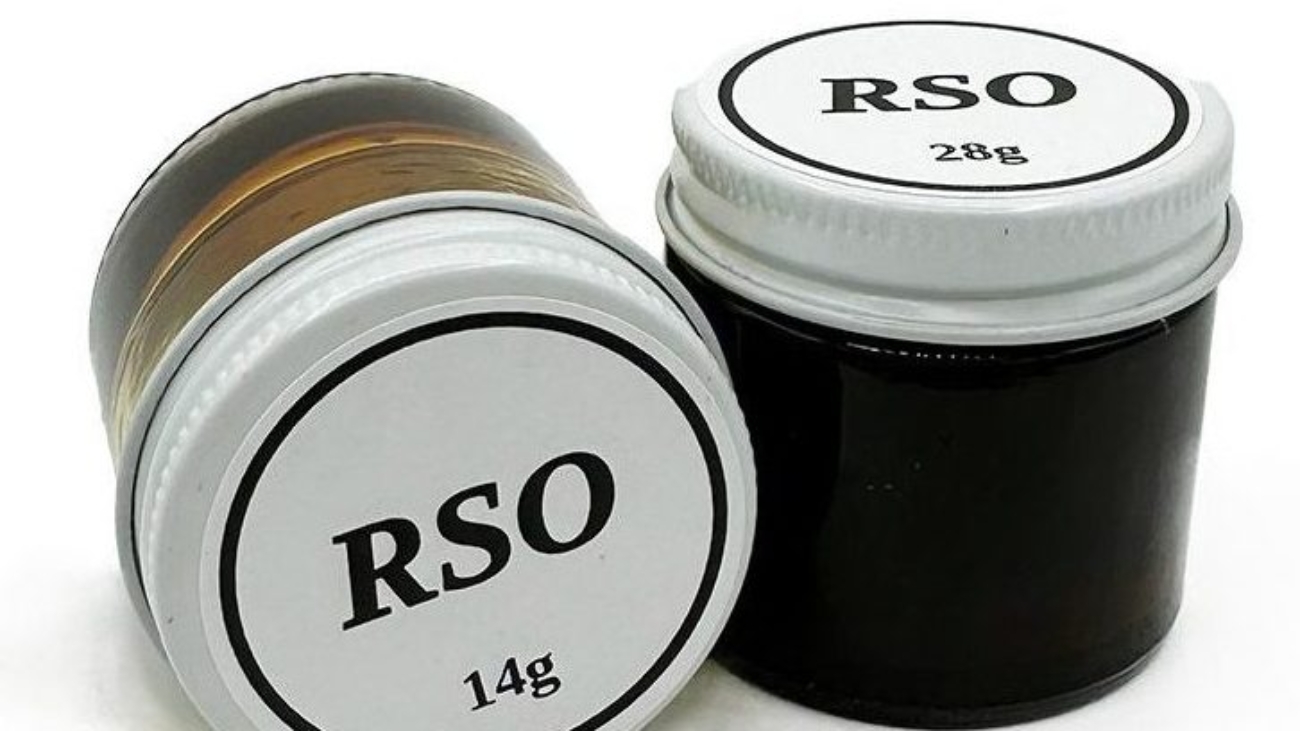
Traditional RSO oil is generally packaged in small containers or dispensing syringes.

The actual composition depends on the manufacturer and the extraction method.

Understanding Its Intended Use

Traditional RSO products may be labeled for specific applications, including oral consumption or topical use.

However, not every product is manufactured for every route of administration.

Consumers should always follow the product’s intended-use labeling rather than assuming that traditional RSO oil can be used in any manner.

RSO should not be assumed to be suitable for smoking or vaping. Products intended for inhalation require appropriate formulations and manufacturing standards.

2. RSO Syringes

<image-placeholder>Suggested image: A sealed RSO syringe containing concentrated cannabis oil.</image-placeholder>

RSO syringes are one of the most recognizable product formats.

They contain concentrated cannabis oil in a dispensing device that allows the thick extract to be released in controlled quantities.

The syringe format is popular because traditional RSO can be sticky and difficult to handle when packaged in ordinary containers.

Benefits of the Syringe Format

Some characteristics that make RSO syringes appealing include:

  • Convenient packaging.
  • Controlled dispensing.
  • Compact storage.
  • Less direct handling of sticky oil.
  • Clearer product identification when properly labeled.

However, a syringe does not automatically guarantee precise THC measurement.

The concentration of cannabinoids and the accuracy of dispensing depend on the product and packaging.

What Should Consumers Check?

Before choosing an RSO syringe, examine:

  • Total extract quantity.
  • THC concentration.
  • CBD concentration.
  • Laboratory testing.
  • Product ingredients.
  • Manufacturer instructions.

Remember that the total quantity of extract is not necessarily the same as the amount of THC.

For example, a product containing a certain number of milligrams of cannabis extract may contain a different amount of THC depending on its cannabinoid concentration.

Understanding this distinction is essential when comparing products.

3. RSO Gummies and Edibles

<image-placeholder>Suggested image: Cannabis-infused gummies in a clean product display.</image-placeholder>

RSO gummies and other edibles provide another way to incorporate Rick Simpson Oil into a food-based formulation.

These products combine cannabis extract with edible ingredients to create products that are generally easier to portion and consume than concentrated oil.

Depending on the manufacturer, RSO edibles may include:

  • Gummies.
  • Chocolates.
  • Chews.
  • Candies.
  • Other infused food products.

Why Are RSO Gummies Popular?

One reason people are interested in gummies is convenience.

Unlike thick concentrated oil, gummies have a familiar food-like format and may be manufactured with clearly labeled cannabinoid quantities per serving.

Other characteristics include:

Convenient portions: Products may contain individually labeled servings.

Different flavors: Gummies can be available in different flavors depending on the manufacturer.

Easy storage: Their packaging may be more familiar than traditional concentrated oil containers.

Discreet format: Gummies resemble other confectionery products, although they must remain clearly labeled and securely stored.

How Do RSO Gummies Differ From Traditional Oil?

The biggest difference is the product formulation.

Traditional RSO is a concentrated extract, while RSO gummies incorporate cannabis extract into an edible preparation.

Edibles are processed through the digestive system, meaning their effects can take longer to become noticeable than those of inhaled cannabis.

The timing and duration of effects can vary depending on the formulation, individual metabolism, and other factors.

Consumers should avoid taking additional servings simply because they do not immediately notice an effect.

RSO gummies may contain substantial amounts of THC, so checking the cannabinoid content per serving is particularly important.

4. RSO Capsules

<image-placeholder>Suggested image: Cannabis oil capsules displayed in a pharmaceutical-style container.</image-placeholder>

RSO capsules are another format designed to make concentrated cannabis extracts easier to handle.

They contain cannabis extract inside a capsule shell and may be manufactured with different cannabinoid concentrations.

Unlike traditional RSO syringes, capsules are generally sold in pre-measured units.

Characteristics of RSO Capsules

Common characteristics include:

  • Pre-measured product portions.
  • Convenient packaging.
  • No direct handling of concentrated oil.
  • Different cannabinoid formulations.
  • Easy-to-identify serving information when properly labeled.

Why Do Some Consumers Prefer Capsules?

Capsules can be appealing to people who dislike the taste or texture of traditional RSO.

They also eliminate the need to dispense thick oil manually.

However, consumers should not assume that all capsules have identical strengths.

One capsule may contain a different amount of total extract and THC from another product.

Always distinguish between the milligrams of RSO extract and the milligrams of THC listed on the packaging.

Capsules are generally intended to be swallowed unless the manufacturer specifically provides different instructions.

5. RSO Tinctures

<image-placeholder>Suggested image: A dark glass tincture bottle with a dropper containing cannabis oil.</image-placeholder>

RSO tinctures are liquid preparations containing cannabis extract.

They may use different carrier ingredients, including vegetable oils or other suitable liquid bases, depending on the formulation.

Tinctures are often packaged in small bottles with droppers, making them a recognizable alternative to traditional RSO syringes.

Characteristics of RSO Tinctures

Some commonly available features include:

  • Liquid formulation.
  • Dropper-style packaging.
  • Different cannabinoid concentrations.
  • Potentially different THC-to-CBD ratios.
  • Convenient packaging for labeled portions.

Sublingual and Oral Applications

Some cannabis tinctures are specifically formulated for sublingual use, meaning they are placed under the tongue according to the manufacturer’s instructions.

Other preparations are intended to be swallowed.

These routes can produce different absorption patterns.

Sublingual absorption depends on the formulation and the extent to which cannabinoids are absorbed through the tissues in the mouth.

Swallowed products pass through the digestive system and may have delayed effects.

Consumers should check whether a tincture is labeled for sublingual, oral, or another application.

6. RSO Balm and Topical Products

<image-placeholder>Suggested image: A small jar of cannabis-infused balm with natural botanical skin-care ingredients.</image-placeholder>

RSO balms, creams, lotions, and other topical products are designed for external application.

These preparations combine cannabis extract with ingredients that create a skin-compatible formulation.

Depending on the manufacturer, ingredients may include:

  • Shea butter.
  • Coconut oil.
  • Beeswax.
  • Olive oil.
  • Other carrier oils.
  • Botanical ingredients.

Why Are RSO Topicals Different?

Unlike oral RSO products, topical preparations are designed to be applied to the skin.

They are often discussed in connection with cosmetic applications, moisturizing routines, and localized skin-care products.

However, traditional topical products should not be confused with transdermal preparations.

Transdermal products are specifically formulated to deliver active ingredients through the skin and potentially into systemic circulation.

The effectiveness of cannabis topicals depends on their formulation, and scientific evidence supporting specific medical uses of RSO balm remains limited.

Important Topical Safety Considerations

Consumers should:

  • Check the complete ingredient list.
  • Follow external-use instructions.
  • Avoid applying products to broken skin.
  • Watch for irritation or allergic reactions.
  • Keep topical products away from children and pets.
  • Avoid assuming that a topical product is suitable for oral consumption.

7. RSO Suppositories

<image-placeholder>Suggested image: A neutral, medical-style illustration of a sealed suppository product package.</image-placeholder>

RSO suppositories are a specialized product format designed for rectal or, where specifically formulated and labeled, vaginal administration.

They are different from traditional oral oils, gummies, and capsules.

The ingredients and formulation are designed for a specific route of administration.

What Makes This Format Different?

Suppositories may appeal to people researching alternatives to swallowing cannabis products.

However, absorption and effects can vary depending on the formulation and administration route.

There is limited clinical evidence supporting specific therapeutic benefits of RSO suppositories.

These products should not be used interchangeably with oral preparations.

Consumers should seek medical advice before considering suppositories, particularly when they have existing medical conditions or are taking prescription medications.

RSO Product Formats Compared

The following comparison provides a simple overview of the major formats.

RSO FormatGeneral FormIntended Application
Traditional RSO oilThick concentrated extractDepends on product labeling
RSO syringeThick oil in dispensing packagingDepends on product labeling
RSO gummiesInfused edibleOral
RSO capsulesEncapsulated extractOral
RSO tincturesLiquid extractOral or sublingual, depending on labeling
RSO balmCream or thick topical preparationExternal application
RSO suppositoriesSpecialized solid preparationSpecific labeled route

The most important distinction is that product format influences how an extract is prepared and administered.

It does not automatically determine the product’s strength, effectiveness, or safety.

How to Choose the Right RSO Product Format

Choosing an RSO product requires considering more than packaging or convenience.

Consumers should understand what they are purchasing and whether the product is appropriate for their intended application.

Here are several important considerations.

1. Understand Your Product Preferences

Some people prefer traditional concentrated oil, while others find capsules or gummies easier to handle.

The preferred format depends on individual circumstances and product availability.

2. Examine Cannabinoid Concentrations

Check the amount of THC and CBD rather than relying solely on the total weight of the product.

This information is particularly important when comparing concentrated extracts with edible products.

3. Look for Independent Laboratory Testing

A certificate of analysis can help verify cannabinoid concentrations and identify potential contaminants.

Look for batch-specific documentation where available.

4. Check Product Ingredients

This is particularly important for gummies, capsules, tinctures, and topicals.

Some products may contain added sugars, flavorings, preservatives, oils, or other ingredients that may not be suitable for everyone.

5. Follow the Intended Route of Administration

Never assume that an RSO product can be used in multiple ways.

A topical balm should not be swallowed, and an oral concentrate should not automatically be used for inhalation.

6. Consider Legal Requirements

Cannabis product regulations differ between locations.

Consumers should understand applicable local laws regarding THC-containing products, possession, purchase, and use.

Safety Considerations When Using RSO Products

Although RSO products are available in different formats, they can share important safety considerations, particularly when they contain THC.

Potential adverse effects include:

  • Dizziness.
  • Anxiety.
  • Confusion.
  • Dry mouth.
  • Increased heart rate.
  • Impaired coordination.
  • Drowsiness.
  • Paranoia.
  • Nausea.

The likelihood of these effects depends on cannabinoid concentration, product formulation, individual tolerance, and route of administration.

Avoid Unverified Dosage Recommendations

There is no universally established RSO dosage suitable for everyone.

A product containing concentrated THC can produce significant effects, particularly in people with limited cannabis experience.

Consumers should follow the manufacturer’s labeling and seek professional guidance when considering cannabis products for medical purposes.

Be Careful With Medication Interactions

Cannabinoids may interact with prescription medications.

People taking blood thinners, sedatives, seizure medications, immunosuppressants, or other prescription drugs should discuss potential interactions with a pharmacist or healthcare professional.

Store Products Responsibly

RSO products should be stored securely in their original packaging.

Keep THC-containing products away from children and pets, particularly gummies and other edible preparations that may resemble ordinary food.

Can All RSO Products Be Used in the Same Way?

No. This is one of the most important things to understand when exploring different RSO product formats.

Although these products may contain similar cannabis extracts, their formulations are designed for different applications.

For example:

  • Gummies are manufactured as edible products.
  • Capsules are designed to be swallowed.
  • Tinctures may be intended for oral or sublingual use.
  • Balms are designed for external application.
  • Suppositories are designed for specific administration routes.
  • Traditional oil products must be used according to their individual labeling.

Using a product in a way that differs from its intended application may create unnecessary risks.

Always read the manufacturer’s directions and avoid assuming that products with the same RSO label are interchangeable.

The Future of RSO Product Formats

As interest in cannabis extracts develops, manufacturers continue exploring different product formulations.

Consumer interest in convenience, consistency, and transparent product information has encouraged the development of additional cannabis product categories.

Future developments may focus on:

  • More consistent cannabinoid concentrations.
  • Improved product labeling.
  • Better manufacturing standards.
  • More transparent laboratory testing.
  • Different THC and CBD formulations.
  • Convenient packaging.
  • Improved product stability.

Scientific research will also be important for determining which formulations have meaningful applications and which claims are supported by human clinical evidence.

Greater transparency can help consumers make better-informed decisions when comparing different RSO products.

Frequently Asked Questions About RSO Product Formats and Usage

1. What are the most common RSO product formats?

Common formats include traditional RSO oil, syringes, gummies, capsules, tinctures, topical balms, and suppositories. Availability varies depending on the manufacturer and local regulations.

2. Are RSO gummies the same as traditional RSO oil?

No. Traditional RSO is a concentrated cannabis extract, while RSO gummies incorporate cannabis extract into an edible formulation. Their ingredients, cannabinoid concentrations, and intended applications may differ.

3. Are RSO capsules easier to use than syringes?

Capsules offer pre-measured portions and do not require direct handling of thick oil. Syringes provide a dispensing format for concentrated extracts, but accurate cannabinoid measurement depends on product labeling and packaging.

4. Can RSO tinctures be taken under the tongue?

Some tinctures are specifically formulated for sublingual application, while others are intended to be swallowed. Always check the manufacturer’s instructions before using a tincture.

5. Can RSO balm be used like ordinary skin cream?

RSO balm is designed for external application when labeled as a topical product. However, its ingredients and cannabinoid concentration differ from ordinary skin-care creams. Follow the product instructions and check for potential skin irritants.

6. Can RSO be smoked or vaped?

Traditional RSO is not generally manufactured for inhalation. Its formulation may contain residual plant compounds or ingredients unsuitable for the lungs. Only use products specifically manufactured and labeled for an appropriate inhalation method.

7. Do all RSO products contain THC?

Many traditional RSO products contain THC, sometimes in substantial concentrations. However, cannabinoid profiles vary. Check the product label and independent laboratory results to understand the actual composition.

8. Which RSO format is strongest?

There is no single format that is automatically the strongest. Potency depends on the amount and concentration of THC and other cannabinoids, not simply whether the product is an oil, gummy, capsule, or tincture.

9. Are RSO products approved to treat cancer?

RSO has not been established as an effective cancer treatment through adequate clinical trials and is not an FDA-approved cancer treatment. It should never replace established cancer care.

Final Thoughts: Understanding RSO Product Formats and Usage

Understanding RSO product formats and usage is an important part of learning about concentrated cannabis extracts.

From traditional thick RSO oil and convenient syringes to gummies, capsules, tinctures, balms, and suppositories, each format has different characteristics and intended applications.

The most important thing is to recognize that different product formats are not automatically interchangeable. Their cannabinoid concentrations, ingredients, absorption characteristics, and potential effects can vary considerably.

Before choosing an RSO product, examine its labeling, understand its intended application, look for independent laboratory testing, and consider potential health risks and medication interactions.

Most importantly, avoid relying on exaggerated medical claims or treating RSO products as proven cures for serious diseases.

Explore RSO Products at RSO Healing Hub

Interested in learning more about Rick Simpson Oil and the different cannabis product formats available?

Visit RSO Healing Hub for additional educational resources and product information.

SHOP RSO PRODUCTS NOW – RSO HEALING HUB

For more cannabis-related educational discussions and information, visit Psychedelics World.

Have you explored different RSO product formats? Share your questions, thoughts, and experiences in the comments to encourage an informed discussion.

RSO Product Formats and Usage

RSO Product Formats and Usage: A Complete Guide to Oils, Gummies, Capsules, Tinctures, and Topicals

RSO Product Formats and Usage: A Complete Guide to Oils, Gummies, Capsules, Tinctures, and Topicals

Rick Simpson Oil (RSO) has become an increasingly popular topic among people interested in concentrated cannabis extracts and their different product applications. Originally associated with a thick, highly concentrated cannabis oil, RSO is now discussed in several product formats, including syringes, gummies, capsules, tinctures, and topical preparations.

As interest in cannabis products continues to grow, understanding RSO product formats and usage can help consumers make more informed decisions about product characteristics, intended applications, cannabinoid concentrations, and safety considerations.

Not all RSO products are created in the same way. Some contain concentrated cannabis extract in its traditional oil form, while others incorporate RSO into convenient formats designed for different applications.

If you are interested in exploring Rick Simpson Oil products and learning more about cannabis extracts, visit RSO Healing Hub for additional product information and educational resources.

SHOP RSO PRODUCTS AT RSO HEALING HUB

Whether you are researching traditional RSO oil, exploring RSO gummies, or comparing topical applications with oral products, understanding the differences between these formats is essential.

In this guide, we examine the most common RSO product formats, how they differ, their intended applications, important safety considerations, and what consumers should know before choosing a product.

What Is Rick Simpson Oil (RSO)?

Rick Simpson Oil is a concentrated cannabis extract associated with Rick Simpson, who popularized its use through personal accounts and discussions about cannabis-based wellness.

RSO is generally recognized by its thick consistency, dark appearance, and concentrated cannabinoid content.

Many traditional RSO preparations contain relatively high levels of THC, although their exact cannabinoid profiles depend on the cannabis source and extraction process.

RSO may contain several naturally occurring cannabis compounds, including:

  • THC (tetrahydrocannabinol).
  • CBD (cannabidiol).
  • Other minor cannabinoids.
  • Terpenes.
  • Other plant-derived compounds.

The combination and concentration of these compounds can vary between products.

It is also important to understand that RSO is not one standardized commercial product. Different manufacturers may use different production methods, ingredients, and formulations.

This explains why checking product labels, cannabinoid concentrations, and independent laboratory results is important when comparing different RSO products.

Understanding Different RSO Product Formats

One of the interesting developments in the cannabis market is the availability of different product formats containing Rick Simpson Oil.

Traditional RSO is commonly sold as a thick oil, but manufacturers may incorporate cannabis extracts into other preparations to make them easier to handle or suitable for different applications.

The most commonly discussed formats include:

  1. Traditional RSO oil.
  2. RSO syringes.
  3. RSO gummies and edibles.
  4. RSO capsules.
  5. RSO tinctures.
  6. RSO balms and topicals.
  7. RSO suppositories.

Each format has different characteristics, and consumers should understand that the products are not automatically interchangeable.

1. Traditional RSO Oil

<image-placeholder>Suggested image: Traditional dark Rick Simpson Oil in a small glass container.</image-placeholder>

Traditional RSO oil is the original format most commonly associated with Rick Simpson Oil.

It is typically a thick, concentrated extract with a dark brown or nearly black appearance.

Unlike many conventional cannabis oils, traditional RSO is known for its dense consistency and concentrated cannabinoid content.

Characteristics of Traditional RSO Oil

Some commonly discussed characteristics include:

  • Thick, sticky consistency.
  • Dark brown or black appearance.
  • Concentrated cannabis extract.
  • Potentially high THC content.
  • Variable cannabinoid and terpene profiles.

Traditional RSO oil is generally packaged in small containers or dispensing syringes.

The actual composition depends on the manufacturer and the extraction method.

Understanding Its Intended Use

Traditional RSO products may be labeled for specific applications, including oral consumption or topical use.

However, not every product is manufactured for every route of administration.

Consumers should always follow the product’s intended-use labeling rather than assuming that traditional RSO oil can be used in any manner.

RSO should not be assumed to be suitable for smoking or vaping. Products intended for inhalation require appropriate formulations and manufacturing standards.

2. RSO Syringes

<image-placeholder>Suggested image: A sealed RSO syringe containing concentrated cannabis oil.</image-placeholder>

RSO syringes are one of the most recognizable product formats.

They contain concentrated cannabis oil in a dispensing device that allows the thick extract to be released in controlled quantities.

The syringe format is popular because traditional RSO can be sticky and difficult to handle when packaged in ordinary containers.

Benefits of the Syringe Format

Some characteristics that make RSO syringes appealing include:

  • Convenient packaging.
  • Controlled dispensing.
  • Compact storage.
  • Less direct handling of sticky oil.
  • Clearer product identification when properly labeled.

However, a syringe does not automatically guarantee precise THC measurement.

The concentration of cannabinoids and the accuracy of dispensing depend on the product and packaging.

What Should Consumers Check?

Before choosing an RSO syringe, examine:

  • Total extract quantity.
  • THC concentration.
  • CBD concentration.
  • Laboratory testing.
  • Product ingredients.
  • Manufacturer instructions.

Remember that the total quantity of extract is not necessarily the same as the amount of THC.

For example, a product containing a certain number of milligrams of cannabis extract may contain a different amount of THC depending on its cannabinoid concentration.

Understanding this distinction is essential when comparing products.

3. RSO Gummies and Edibles

<image-placeholder>Suggested image: Cannabis-infused gummies in a clean product display.</image-placeholder>

RSO gummies and other edibles provide another way to incorporate Rick Simpson Oil into a food-based formulation.

These products combine cannabis extract with edible ingredients to create products that are generally easier to portion and consume than concentrated oil.

Depending on the manufacturer, RSO edibles may include:

  • Gummies.
  • Chocolates.
  • Chews.
  • Candies.
  • Other infused food products.

Why Are RSO Gummies Popular?

One reason people are interested in gummies is convenience.

Unlike thick concentrated oil, gummies have a familiar food-like format and may be manufactured with clearly labeled cannabinoid quantities per serving.

Other characteristics include:

Convenient portions: Products may contain individually labeled servings.

Different flavors: Gummies can be available in different flavors depending on the manufacturer.

Easy storage: Their packaging may be more familiar than traditional concentrated oil containers.

Discreet format: Gummies resemble other confectionery products, although they must remain clearly labeled and securely stored.

How Do RSO Gummies Differ From Traditional Oil?

The biggest difference is the product formulation.

Traditional RSO is a concentrated extract, while RSO gummies incorporate cannabis extract into an edible preparation.

Edibles are processed through the digestive system, meaning their effects can take longer to become noticeable than those of inhaled cannabis.

The timing and duration of effects can vary depending on the formulation, individual metabolism, and other factors.

Consumers should avoid taking additional servings simply because they do not immediately notice an effect.

RSO gummies may contain substantial amounts of THC, so checking the cannabinoid content per serving is particularly important.

4. RSO Capsules

<image-placeholder>Suggested image: Cannabis oil capsules displayed in a pharmaceutical-style container.</image-placeholder>

RSO capsules are another format designed to make concentrated cannabis extracts easier to handle.

They contain cannabis extract inside a capsule shell and may be manufactured with different cannabinoid concentrations.

Unlike traditional RSO syringes, capsules are generally sold in pre-measured units.

Characteristics of RSO Capsules

Common characteristics include:

  • Pre-measured product portions.
  • Convenient packaging.
  • No direct handling of concentrated oil.
  • Different cannabinoid formulations.
  • Easy-to-identify serving information when properly labeled.

Why Do Some Consumers Prefer Capsules?

Capsules can be appealing to people who dislike the taste or texture of traditional RSO.

They also eliminate the need to dispense thick oil manually.

However, consumers should not assume that all capsules have identical strengths.

One capsule may contain a different amount of total extract and THC from another product.

Always distinguish between the milligrams of RSO extract and the milligrams of THC listed on the packaging.

Capsules are generally intended to be swallowed unless the manufacturer specifically provides different instructions.

5. RSO Tinctures

<image-placeholder>Suggested image: A dark glass tincture bottle with a dropper containing cannabis oil.</image-placeholder>

RSO tinctures are liquid preparations containing cannabis extract.

They may use different carrier ingredients, including vegetable oils or other suitable liquid bases, depending on the formulation.

Tinctures are often packaged in small bottles with droppers, making them a recognizable alternative to traditional RSO syringes.

Characteristics of RSO Tinctures

Some commonly available features include:

  • Liquid formulation.
  • Dropper-style packaging.
  • Different cannabinoid concentrations.
  • Potentially different THC-to-CBD ratios.
  • Convenient packaging for labeled portions.

Sublingual and Oral Applications

Some cannabis tinctures are specifically formulated for sublingual use, meaning they are placed under the tongue according to the manufacturer’s instructions.

Other preparations are intended to be swallowed.

These routes can produce different absorption patterns.

Sublingual absorption depends on the formulation and the extent to which cannabinoids are absorbed through the tissues in the mouth.

Swallowed products pass through the digestive system and may have delayed effects.

Consumers should check whether a tincture is labeled for sublingual, oral, or another application.

6. RSO Balm and Topical Products

<image-placeholder>Suggested image: A small jar of cannabis-infused balm with natural botanical skin-care ingredients.</image-placeholder>

RSO balms, creams, lotions, and other topical products are designed for external application.

These preparations combine cannabis extract with ingredients that create a skin-compatible formulation.

Depending on the manufacturer, ingredients may include:

  • Shea butter.
  • Coconut oil.
  • Beeswax.
  • Olive oil.
  • Other carrier oils.
  • Botanical ingredients.

Why Are RSO Topicals Different?

Unlike oral RSO products, topical preparations are designed to be applied to the skin.

They are often discussed in connection with cosmetic applications, moisturizing routines, and localized skin-care products.

However, traditional topical products should not be confused with transdermal preparations.

Transdermal products are specifically formulated to deliver active ingredients through the skin and potentially into systemic circulation.

The effectiveness of cannabis topicals depends on their formulation, and scientific evidence supporting specific medical uses of RSO balm remains limited.

Important Topical Safety Considerations

Consumers should:

  • Check the complete ingredient list.
  • Follow external-use instructions.
  • Avoid applying products to broken skin.
  • Watch for irritation or allergic reactions.
  • Keep topical products away from children and pets.
  • Avoid assuming that a topical product is suitable for oral consumption.

7. RSO Suppositories

<image-placeholder>Suggested image: A neutral, medical-style illustration of a sealed suppository product package.</image-placeholder>

RSO suppositories are a specialized product format designed for rectal or, where specifically formulated and labeled, vaginal administration.

They are different from traditional oral oils, gummies, and capsules.

The ingredients and formulation are designed for a specific route of administration.

What Makes This Format Different?

Suppositories may appeal to people researching alternatives to swallowing cannabis products.

However, absorption and effects can vary depending on the formulation and administration route.

There is limited clinical evidence supporting specific therapeutic benefits of RSO suppositories.

These products should not be used interchangeably with oral preparations.

Consumers should seek medical advice before considering suppositories, particularly when they have existing medical conditions or are taking prescription medications.

RSO Product Formats Compared

The following comparison provides a simple overview of the major formats.

RSO FormatGeneral FormIntended Application
Traditional RSO oilThick concentrated extractDepends on product labeling
RSO syringeThick oil in dispensing packagingDepends on product labeling
RSO gummiesInfused edibleOral
RSO capsulesEncapsulated extractOral
RSO tincturesLiquid extractOral or sublingual, depending on labeling
RSO balmCream or thick topical preparationExternal application
RSO suppositoriesSpecialized solid preparationSpecific labeled route

The most important distinction is that product format influences how an extract is prepared and administered.

It does not automatically determine the product’s strength, effectiveness, or safety.

How to Choose the Right RSO Product Format

Choosing an RSO product requires considering more than packaging or convenience.

Consumers should understand what they are purchasing and whether the product is appropriate for their intended application.

Here are several important considerations.

1. Understand Your Product Preferences

Some people prefer traditional concentrated oil, while others find capsules or gummies easier to handle.

The preferred format depends on individual circumstances and product availability.

2. Examine Cannabinoid Concentrations

Check the amount of THC and CBD rather than relying solely on the total weight of the product.

This information is particularly important when comparing concentrated extracts with edible products.

3. Look for Independent Laboratory Testing

A certificate of analysis can help verify cannabinoid concentrations and identify potential contaminants.

Look for batch-specific documentation where available.

4. Check Product Ingredients

This is particularly important for gummies, capsules, tinctures, and topicals.

Some products may contain added sugars, flavorings, preservatives, oils, or other ingredients that may not be suitable for everyone.

5. Follow the Intended Route of Administration

Never assume that an RSO product can be used in multiple ways.

A topical balm should not be swallowed, and an oral concentrate should not automatically be used for inhalation.

6. Consider Legal Requirements

Cannabis product regulations differ between locations.

Consumers should understand applicable local laws regarding THC-containing products, possession, purchase, and use.

Safety Considerations When Using RSO Products

Although RSO products are available in different formats, they can share important safety considerations, particularly when they contain THC.

Potential adverse effects include:

  • Dizziness.
  • Anxiety.
  • Confusion.
  • Dry mouth.
  • Increased heart rate.
  • Impaired coordination.
  • Drowsiness.
  • Paranoia.
  • Nausea.

The likelihood of these effects depends on cannabinoid concentration, product formulation, individual tolerance, and route of administration.

Avoid Unverified Dosage Recommendations

There is no universally established RSO dosage suitable for everyone.

A product containing concentrated THC can produce significant effects, particularly in people with limited cannabis experience.

Consumers should follow the manufacturer’s labeling and seek professional guidance when considering cannabis products for medical purposes.

Be Careful With Medication Interactions

Cannabinoids may interact with prescription medications.

People taking blood thinners, sedatives, seizure medications, immunosuppressants, or other prescription drugs should discuss potential interactions with a pharmacist or healthcare professional.

Store Products Responsibly

RSO products should be stored securely in their original packaging.

Keep THC-containing products away from children and pets, particularly gummies and other edible preparations that may resemble ordinary food.

Can All RSO Products Be Used in the Same Way?

No. This is one of the most important things to understand when exploring different RSO product formats.

Although these products may contain similar cannabis extracts, their formulations are designed for different applications.

For example:

  • Gummies are manufactured as edible products.
  • Capsules are designed to be swallowed.
  • Tinctures may be intended for oral or sublingual use.
  • Balms are designed for external application.
  • Suppositories are designed for specific administration routes.
  • Traditional oil products must be used according to their individual labeling.

Using a product in a way that differs from its intended application may create unnecessary risks.

Always read the manufacturer’s directions and avoid assuming that products with the same RSO label are interchangeable.

The Future of RSO Product Formats

As interest in cannabis extracts develops, manufacturers continue exploring different product formulations.

Consumer interest in convenience, consistency, and transparent product information has encouraged the development of additional cannabis product categories.

Future developments may focus on:

  • More consistent cannabinoid concentrations.
  • Improved product labeling.
  • Better manufacturing standards.
  • More transparent laboratory testing.
  • Different THC and CBD formulations.
  • Convenient packaging.
  • Improved product stability.

Scientific research will also be important for determining which formulations have meaningful applications and which claims are supported by human clinical evidence.

Greater transparency can help consumers make better-informed decisions when comparing different RSO products.

Frequently Asked Questions About RSO Product Formats and Usage

1. What are the most common RSO product formats?

Common formats include traditional RSO oil, syringes, gummies, capsules, tinctures, topical balms, and suppositories. Availability varies depending on the manufacturer and local regulations.

2. Are RSO gummies the same as traditional RSO oil?

No. Traditional RSO is a concentrated cannabis extract, while RSO gummies incorporate cannabis extract into an edible formulation. Their ingredients, cannabinoid concentrations, and intended applications may differ.

3. Are RSO capsules easier to use than syringes?

Capsules offer pre-measured portions and do not require direct handling of thick oil. Syringes provide a dispensing format for concentrated extracts, but accurate cannabinoid measurement depends on product labeling and packaging.

4. Can RSO tinctures be taken under the tongue?

Some tinctures are specifically formulated for sublingual application, while others are intended to be swallowed. Always check the manufacturer’s instructions before using a tincture.

5. Can RSO balm be used like ordinary skin cream?

RSO balm is designed for external application when labeled as a topical product. However, its ingredients and cannabinoid concentration differ from ordinary skin-care creams. Follow the product instructions and check for potential skin irritants.

6. Can RSO be smoked or vaped?

Traditional RSO is not generally manufactured for inhalation. Its formulation may contain residual plant compounds or ingredients unsuitable for the lungs. Only use products specifically manufactured and labeled for an appropriate inhalation method.

7. Do all RSO products contain THC?

Many traditional RSO products contain THC, sometimes in substantial concentrations. However, cannabinoid profiles vary. Check the product label and independent laboratory results to understand the actual composition.

8. Which RSO format is strongest?

There is no single format that is automatically the strongest. Potency depends on the amount and concentration of THC and other cannabinoids, not simply whether the product is an oil, gummy, capsule, or tincture.

9. Are RSO products approved to treat cancer?

RSO has not been established as an effective cancer treatment through adequate clinical trials and is not an FDA-approved cancer treatment. It should never replace established cancer care.

Final Thoughts: Understanding RSO Product Formats and Usage

Understanding RSO product formats and usage is an important part of learning about concentrated cannabis extracts.

From traditional thick RSO oil and convenient syringes to gummies, capsules, tinctures, balms, and suppositories, each format has different characteristics and intended applications.

The most important thing is to recognize that different product formats are not automatically interchangeable. Their cannabinoid concentrations, ingredients, absorption characteristics, and potential effects can vary considerably.

Before choosing an RSO product, examine its labeling, understand its intended application, look for independent laboratory testing, and consider potential health risks and medication interactions.

Most importantly, avoid relying on exaggerated medical claims or treating RSO products as proven cures for serious diseases.

Explore RSO Products at RSO Healing Hub

Interested in learning more about Rick Simpson Oil and the different cannabis product formats available?

Visit RSO Healing Hub for additional educational resources and product information.

SHOP RSO PRODUCTS NOW – RSO HEALING HUB

For more cannabis-related educational discussions and information, visit Psychedelics World.

Have you explored different RSO product formats? Share your questions, thoughts, and experiences in the comments to encourage an informed discussion.



RSO Balm and Topical Applications: Benefits, Uses, Effects, and What You Should Know

RSO Gummies and Their Effects: Benefits, Duration, and Side Effects

RSO Gummies and Their Effects: Benefits, Duration, and Side Effects

Cannabis edibles have become increasingly popular among people interested in exploring different ways to experience cannabis. Among these products, RSO gummies have attracted attention because they combine the convenience of a gummy with Rick Simpson Oil, a concentrated cannabis extract known for its high cannabinoid content.

But what exactly are RSO gummies, and what effects can someone expect?

Understanding RSO gummies and their effects is important for anyone researching cannabis edibles, particularly because these products can produce different experiences depending on their THC concentration, formulation, and individual sensitivity.

Some people are interested in relaxation, while others explore cannabis products for sleep, discomfort, or general wellness. However, RSO gummies are not suitable for everyone, and their effects can be unpredictable.

In this comprehensive guide, we explore what RSO gummies are, how they work, their potential effects, how long they last, possible side effects, and important safety considerations.

Whether you are researching cannabis edibles for the first time or simply looking to understand RSO gummies better, this article provides an educational overview of what you should know.

What Are RSO Gummies?

RSO gummies are cannabis-infused edible products made using Rick Simpson Oil.

Rick Simpson Oil, commonly called RSO, is a concentrated cannabis extract associated with a full-spectrum cannabinoid profile.

Depending on the cannabis variety and manufacturing process, RSO may contain THC, CBD, other cannabinoids, and naturally occurring plant compounds.

Unlike traditional cannabis oils that are consumed directly, RSO gummies incorporate the extract into a chewable edible.

They are generally designed to provide a convenient and familiar way to consume cannabis without smoking or vaping.

RSO gummies may differ from conventional THC gummies because of the type of extract used.

However, the effects depend primarily on the amount of THC and other cannabinoids present rather than simply whether a product carries the RSO label.

Two gummies containing the same amount of THC may produce broadly similar effects, although their formulations and individual responses can differ.

What Makes RSO Gummies Different From Regular THC Gummies?

The main difference is the cannabis extract used during production.

Traditional THC gummies may use cannabis distillate, which is a refined extract containing a high concentration of THC.

RSO gummies may instead contain a less-refined cannabis extract that retains a broader range of naturally occurring compounds.

Depending on the formulation, these compounds can include:

  • THC, the primary intoxicating cannabinoid.
  • CBD, a non-intoxicating cannabinoid.
  • Minor cannabinoids such as CBG and CBC.
  • Terpenes, which contribute to cannabis aroma and flavor.

The actual composition varies between manufacturers.

It is important not to assume that every RSO gummy contains the same ingredients or produces identical effects.

RSO Gummies and Their Effects: What Can You Expect?

The effects of RSO gummies depend on several factors, including THC concentration, individual tolerance, metabolism, previous cannabis experience, and whether the product is consumed with food.

Because RSO gummies are edible cannabis products, their effects usually develop more slowly than those associated with smoking or vaping.

Some people experience noticeable relaxation, while others may experience changes in perception, mood, appetite, or concentration.

1. Relaxation and Calmness

One commonly reported effect of THC-containing gummies is relaxation.

Some consumers describe feeling less tense or more comfortable after consuming cannabis edibles.

However, relaxation is not guaranteed.

THC can also produce anxiety, nervousness, or uncomfortable psychological effects, particularly when the amount consumed is higher than an individual’s tolerance.

The same product may feel relaxing to one person and overwhelming to another.

2. Changes in Mood

Cannabis gummies may influence mood and emotional perception.

Some people report feeling more cheerful, relaxed, or mentally detached from everyday stress.

Others may experience heightened sensitivity, confusion, or anxiety.

These differences highlight why individual experiences with cannabis edibles can vary considerably.

The amount of THC, personal circumstances, and the surrounding environment can all influence the experience.

3. Sleep and Drowsiness

Some people use cannabis edibles because they believe the products help them relax before bedtime.

THC can cause drowsiness in certain individuals.

However, the effects on sleep are not consistent across all users, and cannabis can also interfere with aspects of sleep quality.

Research into cannabis and sleep continues to develop.

RSO gummies should not be considered a proven treatment for insomnia or other sleep disorders.

Anyone experiencing persistent sleep difficulties should discuss appropriate treatment options with a qualified healthcare professional.

4. Changes in Appetite

THC may increase appetite in some people.

This effect is sometimes described as experiencing the munchies.

Cannabis-based medicines have been investigated for appetite-related symptoms in certain medical settings.

However, appetite changes do not automatically mean that RSO gummies provide nutritional benefits or improve an underlying health condition.

5. Changes in Sensory Perception

THC can influence how people experience their surroundings.

Some individuals notice changes in their perception of music, food, colors, time, or physical sensations.

These effects can be mild or more pronounced depending on the amount of THC consumed.

Higher exposure may also cause confusion, impaired judgment, or uncomfortable perceptual changes.

How Long Do RSO Gummies Take to Work?

One of the most important things to understand about RSO gummies is that they do not usually produce immediate effects.

Unlike inhaled cannabis, edible cannabis must pass through the digestive system before its cannabinoids enter the bloodstream.

This process takes time.

For many people, edible cannabis effects may begin within approximately 30 minutes to two hours.

However, the timing varies, and some individuals may not feel the full effects for several hours.

Understanding the RSO Gummies Timeline

StageTypical Experience
Initial onsetApproximately 30 minutes to 2 hours
Stronger effectsOften develop over the following hours
Peak effectsMay occur around 2–4 hours, depending on the product
Main effectsCan last several hours
Residual effectsMay continue into the following day

These are general estimates rather than guaranteed timelines.

The amount consumed, formulation, food intake, metabolism, and individual sensitivity can significantly influence how long the effects last.

Why Do RSO Gummies Take Longer Than Smoking?

When cannabis is inhaled, cannabinoids enter the bloodstream through the lungs.

This allows effects to develop relatively quickly.

When cannabis is eaten, THC must pass through the digestive system and liver.

The liver converts some THC into 11-hydroxy-THC, a metabolite that can contribute to the effects of edible cannabis.

This helps explain why edible experiences can feel different from inhaled cannabis.

The delayed onset also creates an important safety concern.

Someone may assume that a gummy has not worked and consume additional cannabis before the first serving has reached its full effect.

This can lead to excessive intoxication and unpleasant symptoms.

Potential Benefits of RSO Gummies

RSO gummies are frequently discussed in cannabis wellness communities.

However, it is important to distinguish between personal experiences, potential supportive effects, and scientifically established medical benefits.

RSO gummies are not approved or established as treatments for cancer, chronic disease, or other serious medical conditions.

Convenient Cannabis Consumption

One practical advantage of gummies is convenience.

They are portable, chewable, and do not require smoking or vaping.

This makes them different from inhaled cannabis products.

However, convenience does not eliminate the risks associated with THC.

Edibles can still cause intoxication, impairment, and unwanted psychological effects.

Avoiding Cannabis Smoke

RSO gummies do not require inhaling cannabis smoke.

This means they avoid the direct respiratory exposure associated with smoking cannabis.

However, edible products have their own risks, including delayed effects, accidental overconsumption, and prolonged impairment.

Potential Supportive Effects

Cannabinoid-based medicines have been studied for certain symptoms, including chemotherapy-related nausea and vomiting.

Some cannabis-based products may also have a role in selected pain-management situations.

However, these findings cannot automatically be applied to RSO gummies.

The formulation, cannabinoid content, dose, and medical circumstances matter.

Anyone considering cannabis for a medical symptom should discuss appropriate options with a qualified healthcare professional.

RSO Gummies Side Effects: What Should You Know?

Although RSO gummies may seem like simple edible products, they can produce significant side effects.

The risk depends on factors such as THC concentration, individual tolerance, medication use, and the amount consumed.

1. Dizziness

THC can affect coordination, balance, and perception.

Some people experience dizziness or lightheadedness after consuming cannabis edibles.

These effects may become more pronounced when the product contains a high concentration of THC.

2. Anxiety and Paranoia

THC can produce uncomfortable psychological effects.

Possible experiences include:

  • Nervousness.
  • Anxiety.
  • Panic.
  • Paranoia.
  • Confusion.
  • Distorted perception.

These effects can be particularly concerning for individuals who are sensitive to THC or who consume more than intended.

3. Dry Mouth

Dry mouth is a commonly reported cannabis effect.

Some individuals also experience dry eyes or changes in their perception of thirst.

These symptoms may be uncomfortable but are not necessarily signs of a serious medical problem.

4. Increased Heart Rate

THC can temporarily increase heart rate.

Some people may also experience changes in blood pressure.

Individuals with cardiovascular conditions should discuss cannabis use with a healthcare professional before considering THC-containing products.

5. Drowsiness and Impaired Concentration

RSO gummies may cause sleepiness, reduced alertness, and difficulty concentrating.

These effects can interfere with everyday activities.

Driving or operating machinery while impaired by cannabis is unsafe.

6. Excessive Intoxication

Taking too much edible cannabis can produce a particularly unpleasant experience.

Possible symptoms include severe anxiety, confusion, vomiting, hallucinations, rapid heartbeat, and extreme drowsiness.

If someone develops severe symptoms, difficulty breathing, chest pain, or becomes difficult to wake, seek emergency medical assistance.

How to Reduce the Risks of RSO Gummies

Understanding edible cannabis safety is important because the effects can develop slowly and last longer than expected.

For anyone considering a THC-containing edible, the following precautions are important.

Understand the THC Content

The amount of THC matters more than the product’s marketing description.

A gummy labeled RSO does not automatically indicate its potency.

Check the product’s stated cannabinoid content and whether the information comes from reliable testing.

Products with unclear ingredients or unknown THC concentrations present additional risks.

Avoid Taking More Too Quickly

Edible cannabis has a delayed onset.

Taking additional servings before the initial effects develop can increase the risk of excessive intoxication.

The effects may continue intensifying for several hours.

Patience is essential when evaluating an edible’s effects.

Avoid Mixing Cannabis With Alcohol

Combining cannabis and alcohol can increase impairment.

The combination may also make the effects less predictable.

Avoid driving or activities that require coordination and judgment after consuming THC.

Keep Gummies Away From Children

Cannabis gummies can resemble ordinary candy.

This creates a serious accidental-ingestion risk.

Store cannabis products securely, in their original packaging, and out of reach of children and pets.

Consider Medication Interactions

Cannabinoids may interact with certain prescription medicines.

This is particularly important for individuals taking medications for chronic conditions or undergoing medical treatment.

Consult a healthcare professional or pharmacist before combining cannabis products with prescription medication.

RSO Gummies vs. Other Cannabis Edibles

RSO gummies are one of several edible cannabis formats.

Understanding the differences can help readers recognize that the extract used in a product does not determine every aspect of its effects.

ProductGeneral Characteristics
RSO gummiesEdibles made with Rick Simpson Oil
THC gummiesGummies containing THC, often using different cannabis extracts
CBD gummiesGummies formulated primarily with cannabidiol
Cannabis chocolatesEdibles containing cannabis extracts in chocolate
Cannabis capsulesOral products containing cannabis oils or extracts

All edible cannabis products can produce delayed effects.

Their intensity and duration depend on cannabinoid content, formulation, and individual response.

RSO gummies are not necessarily stronger than other THC gummies when the amount of THC is comparable.

The important consideration is the actual composition of the product.

Are RSO Gummies Suitable for Everyone?

No.

Cannabis edibles may be inappropriate for certain individuals, particularly those who are more vulnerable to THC-related effects.

Extra caution is important for:

  • People who are inexperienced with cannabis.
  • Individuals with a history of psychosis or certain psychiatric conditions.
  • People with cardiovascular conditions.
  • Individuals taking medications that may interact with cannabinoids.
  • Pregnant or breastfeeding individuals.
  • Anyone who needs to drive or perform safety-sensitive activities.

The legal status of cannabis products also varies between countries and regions.

Consumers should understand the laws applicable to their location before considering cannabis products.

Frequently Asked Questions About RSO Gummies and Their Effects

1. What are RSO gummies used for?

RSO gummies are edible cannabis products made using Rick Simpson Oil.

Some people explore them for relaxation or other subjective effects associated with THC.

They are not established treatments for cancer or other serious medical conditions.

2. Do RSO gummies make you feel high?

RSO gummies containing THC can produce intoxication.

The intensity depends on the THC concentration, amount consumed, individual tolerance, and other factors.

Products containing little or no THC may produce different effects.

3. How long do RSO gummies last?

The effects of edible cannabis can last several hours.

Depending on the product and individual response, effects may persist for approximately 6–12 hours, with residual impairment sometimes lasting longer.

4. Are RSO gummies stronger than regular gummies?

Not necessarily.

Their effects depend primarily on the THC content and formulation.

An RSO gummy containing the same amount of THC as another cannabis gummy may produce broadly similar effects.

5. Can RSO gummies help with sleep?

Some people report drowsiness after consuming THC-containing gummies.

However, the effects on sleep vary, and RSO gummies are not a proven treatment for insomnia.

6. Can RSO gummies cause anxiety?

Yes.

THC can cause anxiety, panic, or paranoia in some individuals.

These effects may become more likely or more intense with excessive consumption.

7. Are RSO gummies the same as CBD gummies?

No.

RSO gummies may contain substantial THC, depending on the formulation.

CBD gummies are generally formulated around cannabidiol, although some products may contain additional cannabinoids.

Always check the product’s actual ingredients.

8. Are RSO gummies a cancer treatment?

No reliable clinical evidence establishes RSO gummies as an effective cancer treatment.

Cannabinoids have been investigated in laboratory research and supportive-care settings, but RSO gummies have not been proven to shrink tumors or cure cancer.

Patients with cancer should consult their oncology team before considering cannabis products.

Final Thoughts: Understanding RSO Gummies and Their Effects

RSO gummies have attracted interest because they offer a convenient edible format containing Rick Simpson Oil.

Their effects can include relaxation, changes in mood, drowsiness, appetite changes, and intoxication when THC is present.

However, the experience varies considerably between individuals.

The delayed onset of edible cannabis makes understanding timing, potency, and potential side effects especially important.

RSO gummies should not be viewed as guaranteed wellness products or medical treatments.

Anyone considering cannabis edibles should understand their ingredients, recognize possible interactions, and seek professional guidance when appropriate.

Responsible cannabis education begins with understanding both the potential effects and the risks.

Explore More About RSO

Interested in learning more about RSO products and cannabis-related information?

Visit RSO Healing Hub to explore additional educational content and browse available products.

SHOP RSO PRODUCTS

For additional information and broader discussions about cannabis and psychedelic-related topics, visit:

Explore Psychedelics World

Join the Conversation: Have you researched RSO gummies before? What questions do you have about their effects, ingredients, or safety? Share your thoughts in the comments.

RSO and Cancer Regression

RSO Gummies: High-Potency Options for Pain and Illness Relief

Introduction

Chronic pain and illness affect millions of people worldwide, often leading individuals to seek alternatives that go beyond traditional medication. One rising wellness choice that’s gaining traction is RSO gummies — edible, high-potency cannabis treats formulated with Rick Simpson Oil (RSO). These gummies combine convenience, precise dosing, and powerful effects, making them a compelling option for those exploring plant-based support.

In this complete guide, we’ll explore RSO gummies for pain and illness relief — what they are, how they work, benefits, proper usage, dosage recommendations, safety considerations, and what separates high-quality RSO gummies from the rest.

If you’re curious about potent, edible cannabinoid options designed for deep relief, this article will walk you through everything you need to know.


Understanding RSO Gummies

RSO (Rick Simpson Oil) is a full-plant cannabis extract known for its high THC content and rich profile of cannabinoids and terpenes. Traditional RSO is a thick, tar-like liquid, but when formulated into gummies, it becomes easier to consume consistently.

RSO gummies are:

  • Sweet, chewable, and convenient
  • Precisely dosed for predictable effects
  • Often used for pain, inflammation relief, and general wellness support

Because edibles pass through digestion, their effects tend to be slower in onset but longer lasting — making gummies ideal for sustained support.


How RSO Gummies Work

When you eat an RSO gummy, your body metabolizes the cannabinoids through the digestive system and liver. This process converts THC into a stronger metabolite, which can amplify the potency and duration of effects.

Typical RSO gummy experience may include:

  • Gradual onset over 30–90 minutes
  • Longer effects compared to inhaled methods
  • Comprehensive body and mind response

Benefits of RSO Gummies for Pain and Illness Relief

Many users choose RSO gummies because they provide benefits that are unique compared to other cannabis products.

1. Strong, Long-Lasting Relief

Because edible cannabinoids are processed by the liver, effects tend to linger for 6–12 hours, giving extended relief from discomfort.

2. Easy, Pre-Measured Dosing

Each gummy contains a precise amount of RSO, making it easier to understand and control how much you’re taking daily — especially for those new to cannabis edibles.

3. Discreet and Enjoyable

Gummies disguise the flavor of cannabis and can be taken quietly without any special equipment or vaporizing tools.

4. Whole-Plant Benefit

RSO gummies take advantage of the full-spectrum profile of the cannabis plant, including cannabinoids and terpenes that may work synergistically (the “entourage effect”).


Who May Benefit from RSO Gummies?

RSO gummies may be considered by adults who experience:

  • Chronic pain or inflammation
  • Illness-related discomfort
  • Sleep challenges associated with pain
  • Stress or discomfort linked to medical conditions

It’s essential to note that RSO gummies should be used thoughtfully and are not a replacement for physician-recommended treatments.


How to Use RSO Gummies Safely

RSO gummies are potent. Even though they are easy to take, proper usage and caution are important.

Recommended Usage Guidelines

  • Start slow: Begin with a small dose — often half or even a quarter of a gummy.
  • Wait before dosing again: Edibles take time to activate. Wait 60–90 minutes before increasing.
  • Use consistently: Consistent use at a stable dose helps you understand your response.
  • Avoid alcohol: Mixing alcohol and THC products can intensify effects unpredictably.

RSO Gummies Dosage Breakdown

Because RSO gummies are high-potency, careful dosing is essential for safety and comfort.

Suggested RSO Gummy Dosing Guide

LevelSuggested DoseWhen to Consider
Beginner2.5–5 mg THC equivalentNew users, low tolerance
Moderate5–10 mg THC equivalentSome experience with edibles
Advanced10–25+ mg THC equivalentExperienced users only

⚠️ Always start at the lowest effective dose and increase gradually. Edibles differ from inhaled products.


What Makes RSO Gummies High Potency?

Not all gummies are created equal. High-potency RSO gummies typically contain:

  • High levels of full-spectrum Rick Simpson Oil
  • Full cannabinoid and terpene profile
  • Consistent dosing per piece
  • Quality-controlled manufacturing

Because of these characteristics, they may deliver more noticeable effects than standard CBD or low-THC gummies.


Top Qualities to Look for in RSO Gummies

When choosing effective RSO gummies for pain and illness relief, consider these features:

Full-Spectrum RSO Formula

Contains whole-plant extraction rather than isolated compounds.

Third-Party Tested

Lab testing ensures potency, purity, and the absence of harmful contaminants.

Clear Dosing

Labels should clearly state how much RSO or THC is in each gummy.

Trusted Brand Reputation

Choose products from reputable sources with transparent manufacturing practices.


Shop High-Potency RSO Gummies

If you’re interested in high-potency options crafted from authentic Rick Simpson Oil, explore premium options right here:

👉 Shop RSO Gummies & Products:
https://rsohealinghub.com

Experience products designed for quality, consistency, and deep relief support.


Pain Vs. Illness Relief: What RSO Gummies Can Do

For Pain

RSO gummies are often chosen to help manage:

  • Joint pain
  • Muscle tension
  • Persistent soreness
  • Discomfort related to chronic conditions

Users report that consistent dosing helps with wide-range comfort support throughout the day.

For Illness Support

In the context of illness, RSO gummies may help:

  • Appetite support
  • Sleep regulation
  • Stress reduction
  • Enhanced relaxation

Many choose edibles because the effects unfold slowly, offering long-lasting support.


Common Questions About RSO Gummies

Will I feel “high”?

Yes — because RSO gummies contain THC, psychoactive effects are likely, especially at higher doses.

How long does relief last?

Edible effects can last 6–12 hours depending on dose and metabolism.

Are RSO gummies safe?

When used responsibly and under guidance, many users report positive experiences. Speak to your healthcare provider if you have questions.


RSO Gummies vs Other Edibles

FeatureRSO GummiesStandard CBD GummiesTHC Distillate Edibles
PotencyVery HighLowHigh
Full-Spectrum?YesNoSometimes
Onset TimeSlowSlowSlow
DurationLongModerateLong

RSO gummies stand out because they use full-spectrum cannabis extract rather than isolated compounds.


Integrative Wellness Options

Many people exploring RSO gummies also look into other plant-based wellness approaches. For educational reading on broader holistic wellness topics, consider:

🔗 External Reference (requested): https://magicmushroomstore.us/

This site focuses on wellness perspectives beyond cannabinoids. (External link included strictly as you requested.)


Safety and Best Practices

Keep Out of Reach of Children

With high potency and sweet presentation, RSO gummies should be stored securely.

Consult a Healthcare Professional

Especially if pregnant, nursing, or taking medications.

Avoid Driving

Until you understand how RSO edibles affect you.


Image Alt Text Tips (SEO)

Make sure to use alt text like:

  • “High potency RSO gummies for pain relief”
  • “RSO gummy dose chart for beginners”
  • “Full spectrum cannabis gummy close up”

These improve accessibility and help your content rank in image search.


Final Thoughts

RSO gummies are not just another tasty edible — they represent a high-potency, full-spectrum option for individuals seeking deep support for pain and illness relief. With thoughtful dosing, careful use, and high-quality sourcing, gummies can be a powerful addition to a wellness routine.

Always prioritize safety and informed decisions. And if you’re ready to explore RSO gummies made with authentic Rick Simpson Oil:

👉 Visit the official shop now:
https://rsohealinghub.com


Call-to-Action (CTA)

Ready to Try High-Potency RSO Gummies?

Visit the official store, choose your perfect option, and start your journey toward long-lasting comfort and relief:

👉 https://rsohealinghub.com