
 Cart is empty
The topic of RSO for cancer has sparked widespread interest, blending hope from personal stories with scrutiny from scientific research. Rick Simpson Oil (RSO), a potent full-spectrum cannabis extract high in THC, was popularized by Rick Simpson’s claim that it cured his skin cancer.
In 2025, discussions continue amid evolving cannabis laws and ongoing studies. While some hail RSO as a miracle, experts emphasize evidence-based approaches. This post delves into real user stories, current research findings, potential mechanisms, and practical advice.
Remember, RSO is not a proven cure—consult healthcare providers for any cancer-related decisions.

Case Report: Squamous Cell Carcinoma and THC-Rich Cannabinoid Oil …
The Origins of RSO and Its Cancer Connection
Rick Simpson developed RSO in the early 2000s after applying cannabis oil to his skin cancer lesions, which reportedly vanished. He shared his solvent-based extraction method online, encouraging home production.
RSO’s full-spectrum nature includes THC, CBD, terpenes, and more, potentially amplifying effects through synergy. Simpson advocated a 60-gram regimen over 90 days for cancer support.
Today, RSO inspires hope, but its use for cancer remains controversial due to limited clinical data.

Cannabis Use in Patients With Cancer: A Clinical Review | JCO …
What the Research Says About RSO for Cancer
Scientific exploration of cannabinoids in cancer is growing, but evidence for RSO specifically is sparse.
Preclinical Studies on Cannabinoids
Lab and animal research shows promise. A 1975 study found THC inhibiting tumor growth in mice. Recent reviews highlight cannabinoids inducing apoptosis (cell death) in cancer cells while sparing healthy ones.
For instance, THC may disrupt cancer cell signaling, reducing proliferation in breast, prostate, and glioma models. Terpenes in full-spectrum extracts like RSO could enhance this.
However, these are not human trials—results don’t always translate.
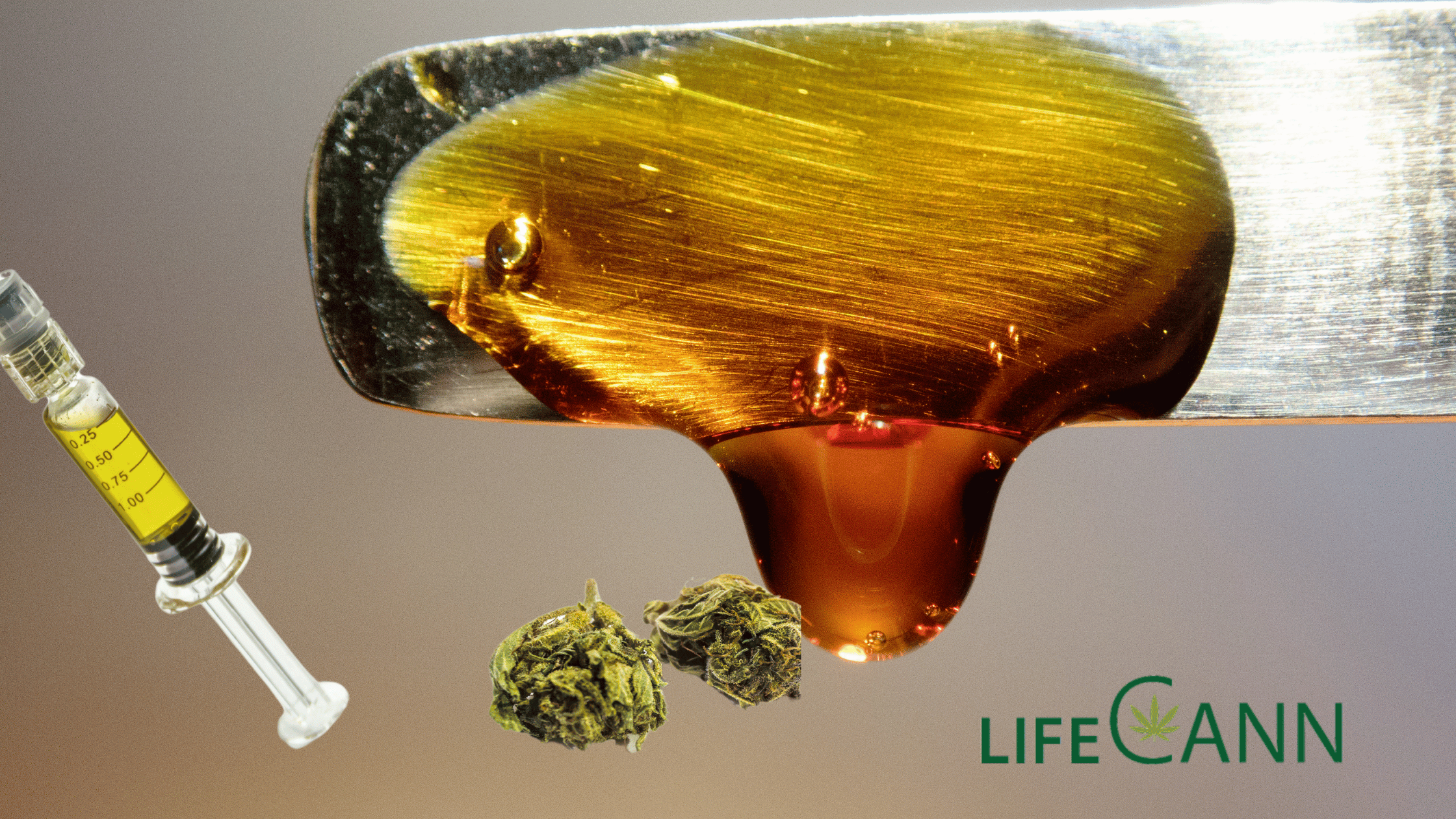
Rick Simpson Oil (RSO) in Miami – Miami’s Best Medical Marijuana …
Human Studies and Clinical Trials
Human evidence is limited to case reports and small studies. A 2013 case documented reduced leukemic blasts in a patient using RSO, but it’s not conclusive.
Larger reviews, like those from ASCO, note cannabis aids symptoms (pain, nausea) in cancer patients, but not tumor shrinkage. No large-scale trials confirm RSO cures cancer.
In 2025, ongoing research focuses on THC/CBD combinations for palliative care, not primary treatment.
Limitations and Expert Views
Experts caution against relying on RSO alone. The American Cancer Society states no proof cannabis cures cancer. Variability in homemade RSO poses risks.
More rigorous trials are needed, hindered by legal barriers historically.
Real Stories: Anecdotal Testimonials of RSO for Cancer
While science lags, personal accounts fuel RSO’s popularity. These stories are inspiring but unverified—individual results vary.
Stan Espinoza’s Stomach Cancer Journey
Stan from New Mexico battled stomach cancer using conventional treatments alongside cannabis products, including RSO. He credits it for symptom relief and recovery support.
Fort Benton Man’s Lung Cancer Battle
A Montana resident consumed 60 grams of RSO over three months alongside diet changes. His checkup showed remarkable improvement, calling it a “miracle.”
Brooklyn Hall’s Brain Cancer Victory
Diagnosed young, Brooklyn used RSO during treatment. Her mother reports it changed the prognosis; she’s now cancer-free.
Joy Smith’s Terminal Diagnosis Reversal
Told her cancer was terminal, Joy applied RSO and claims scans later showed clearance. Her medical team was astonished.
Other Shared Experiences
Many online forums feature similar tales: reduced tumors, managed pain, improved appetite. One user with stage 4 colon cancer reported seven years NED (no evidence of disease) after RSO.
These anecdotes highlight hope, but correlation isn’t causation—many combined RSO with standard therapies.

Cannabis Use in Patients With Cancer: A Clinical Review | JCO …
Potential Benefits of RSO in Cancer Support
Beyond anecdotes, RSO may offer symptomatic relief.
- Pain Management: THC modulates pain pathways effectively.
- Nausea and Appetite: Proven for chemotherapy side effects.
- Anti-Inflammatory Effects: Could reduce tumor-related swelling.
- Sleep and Anxiety Aid: Promotes rest during treatment.
The entourage effect may amplify these, though more data is needed.
Risks and Side Effects to Consider
High THC can cause dizziness, paranoia, or increased heart rate. For cancer patients, interactions with medications are a concern.
Long-term use might affect cognition. Always start low and monitor.
Legal risks vary—RSO is available in cannabis-legal states.
How to Use RSO Safely for Cancer Support
If considering RSO, follow guidelines.
Dosage Recommendations
Start with rice-grain-sized amounts (0.05g) three times daily, building to 1g per day over weeks.
Track symptoms and consult oncologists.
Administration Methods
- Oral: Swallow or mix in food.
- Sublingual: Under tongue for faster absorption.
- Topical: For skin cancers.
Combine with healthy lifestyle choices.
For quality RSO, visit RSO Healing Hub.
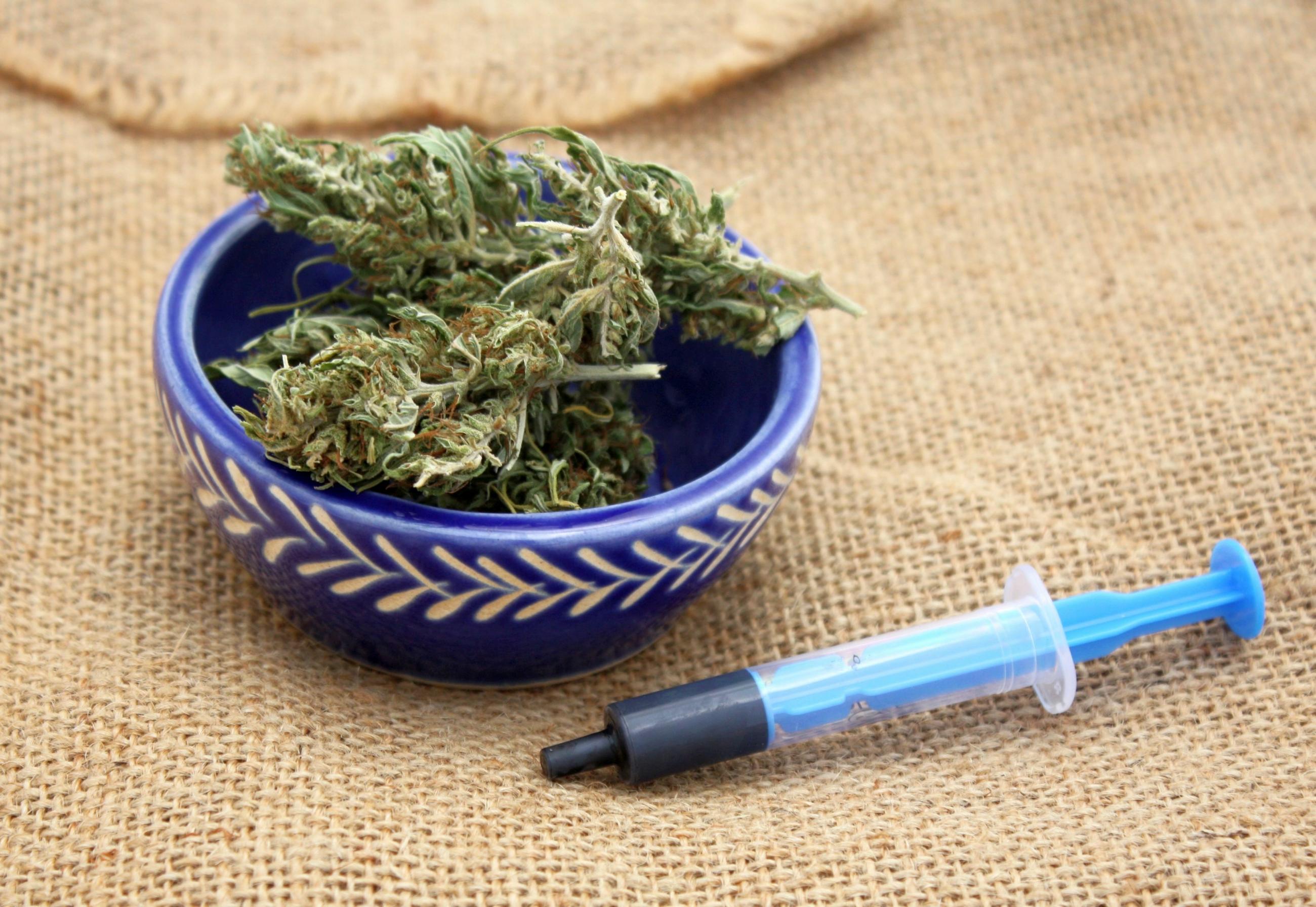
Rick Simpson Oil: What Is It, What is RSO Used For? | Marijuana Doctor
Complementary Therapies and Alternatives
Some pair RSO with diet, exercise, or mindfulness. For mental health support during cancer, explore options like those at Magic Mushroom Store.
CBD-dominant alternatives offer milder support legally nationwide.
Future Outlook: Research in 2025 and Beyond
With cannabis decriminalization, expect more trials. Focus on THC’s anti-tumor potential could yield breakthroughs.
Patient advocacy pushes for integrated approaches.
Frequently Asked Questions
- Does RSO cure cancer? No proven cure; supportive potential only.
- How fast do stories show results? Varies—weeks to months.
- Safe with chemo? Consult doctors for interactions.
Conclusion
RSO for cancer blends compelling real stories with cautious research findings. Anecdotes inspire, while science calls for more evidence. Approach thoughtfully, prioritizing professional advice.
Interested in exploring RSO?
Share your thoughts or stories in the comments—what’s your take on RSO for cancer?