Rick Simpson Oil vs Cannabis Tinctures

Rick Simpson Oil vs Cannabis Tinctures: Which Is Right for You?

Introduction: Choosing the Right Cannabis Concentrate

As medical and wellness applications for cannabis continue to evolve, consumers are presented with a wide variety of administration methods. Two of the most effective liquid and resinous concentrates available are Rick Simpson Oil (RSO) and Cannabis Tinctures.

While both products represent concentrated forms of cannabinoids, they differ dramatically in their manufacturing process, potency levels, physical appearance, and ideal use cases.

Choosing between Rick Simpson Oil and a cannabis tincture comes down to understanding your health goals, desired onset speed, and tolerance for psychoactive effects.

If you already know that high-potency, full-spectrum extracts fit your wellness protocol, you can Shop Quality RSO Today to browse pure, lab-tested concentrates.

What Is Rick Simpson Oil (RSO)?

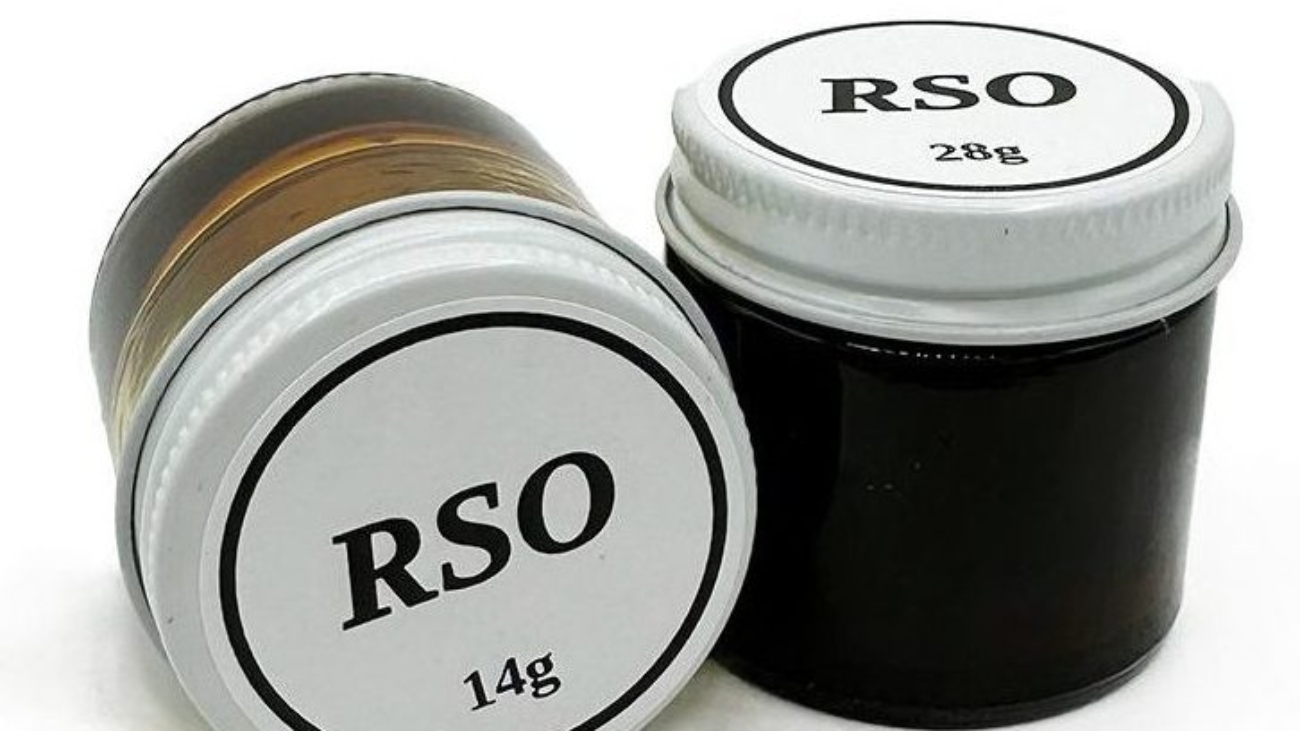
Rick Simpson Oil (RSO) is an unrefined, whole-plant cannabis extract developed to preserve the complete profile of the plant matter. It is produced by washing high-THC cannabis flower with a solvent to extract cannabinoids, terpenes, and plant waxes. Once the solvent completely evaporates, what remains is a dark, viscous, tar-like oil.

Key Characteristics of RSO

  • High Potency: RSO commonly boasts THC levels between 60% and 90%.
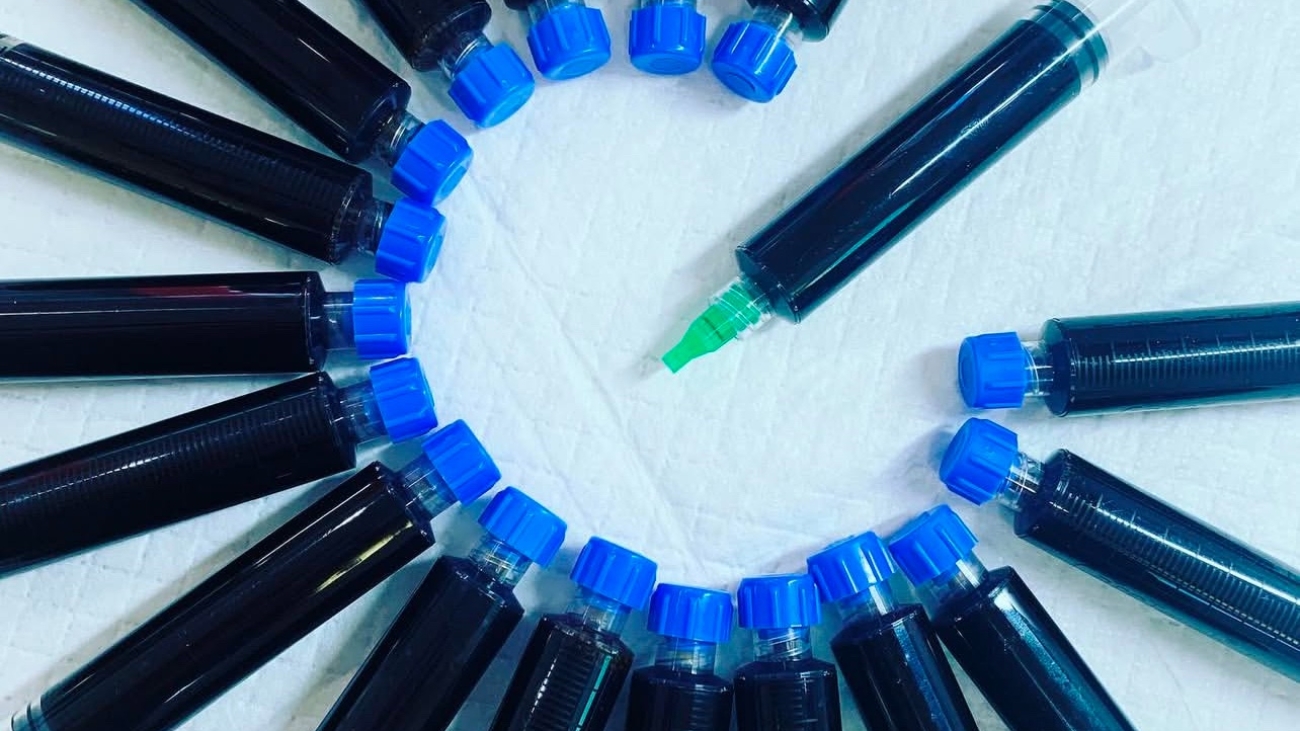
  • Viscous Consistency: Extremely thick resin packaged in oral syringes.
  • Whole-Plant Extract: Contains minor cannabinoids, natural chlorophyll, and plant fats to maximize the entourage effect.

To learn more about plant-based wellness and holistic health insights, feel free to visit Psychedelics World for deeper reading.

What Are Cannabis Tinctures?

A cannabis tincture is a liquid extract created by steeping cannabis flower or concentrates in alcohol or a carrier oil (such as MCT coconut oil or olive oil). Tinctures have been used in traditional medicine for centuries due to their long shelf life, accurate dosing control, and gentle onset.

Key Characteristics of Cannabis Tinctures

  • Controlled Potency: Tinctures usually contain moderate cannabinoid concentrations (e.g., 5mg to 30mg per drop/dropper).
  • Liquid Consistency: Thin, free-flowing liquid packaged in glass dropper bottles.
  • Targeted Formulas: Available in various cannabinoid ratios, such as 1:1 THC:CBD, high-CBD, or CBN-rich sleep blends.

At-a-Glance Comparison: RSO vs. Cannabis Tinctures

Comparing these two popular methods side by side makes it easy to spot the fundamental differences:

FeatureRick Simpson Oil (RSO)Cannabis Tinctures
Primary AppearanceThick, dark, sticky resin pasteClear or amber liquid
PackagingPlastic or glass oral syringesDropper bottles with calibrated pipettes
THC PotencyExceptionally High (60% – 90%)Mild to Moderate (Adjustable per drop)
Extraction MediumSolvents (purged completely)Alcohol, MCT oil, or glycerin base
Dosing PrecisionMeasured in grain-of-rice incrementsMeasured in drops or milliliters (mL)
AdministrationSublingual, oral, or topicalSublingual or added to foods/drinks
Taste ProfileIntensely earthy, bitter, herbalMild, herbal, or flavored (mint, citrus)

Potency and Dosing Control: Heavy Relief vs. Microdosing

The biggest distinction between Rick Simpson Oil vs Cannabis Tinctures is the sheer concentration of active cannabinoids per serving.

RSO: High-Concentration Systemic Relief

A single dose of RSO the size of a grain of rice can deliver anywhere from 25mg to 50mg+ of pure THC. Because of this high concentration, RSO is primarily designed for individuals needing heavy-duty symptom support, severe pain management, or high-dose cannabinoid therapy.

Tinctures: Precision Microdosing

Tinctures excel at dose customization. A calibrated dropper allows users to consume as little as 1mg to 2mg of THC at a time, making it simple to find your exact “sweet spot” without accidental over-intoxication.

Tinctures = Easy Microdosing (1mg - 10mg per serving)
RSO       = High-Dose Therapy (25mg - 100mg+ per serving)

If you are looking for concentrated, high-potency oil crafted under rigorous quality standards, check out the options at RSO Healing Hub.

Onset Time and Absorption Methods

How quickly you feel the effects depends on how you consume each concentrate.

Sublingual Absorption (Under the Tongue)

  • Tinctures: Because tinctures are thin liquids, holding drops under your tongue for 60 seconds allows rapid absorption into the sublingual blood vessels. Onset usually occurs within 15 to 30 minutes.
  • RSO: RSO can also be held under the tongue, but its thick resinous texture takes longer to dissolve into oral mucous membranes.

Oral Ingestion (Swallowing)

  • Tinctures: When mixed into smoothies, beverages, or swallowed directly, the tincture processes through the digestive tract and liver. Onset takes 45 to 90 minutes, providing long-lasting effects (4 to 8 hours).
  • RSO: Most users swallow RSO by placing a small dab onto food (like a piece of bread, fruit, or peanut butter). Like edibles, processing through the liver produces 11-hydroxy-THC, resulting in a deep, long-lasting bodily effect.

Pros and Cons Breakdown

Evaluating the strengths and limitations of both options helps clarify which format best serves your daily routine:

“Choosing between RSO and tinctures isn’t about which product is overall superior—it’s about matching cannabinoid strength and delivery style to your personal health needs.”

Rick Simpson Oil (RSO)

  • Pros:
    • Maximum cannabinoid density per dose.
    • Preserves full-spectrum plant waxes and minor phytocompounds.
    • Highly cost-effective per milligram of THC for high-dose users.
  • Cons:
    • Thick texture makes fine-tuned low dosing challenging for beginners.
    • Strong, bitter taste that can linger in the mouth.
    • High THC levels can produce intense intoxication if overconsumed.

Cannabis Tinctures

  • Pros:
    • Effortless and exact dosing using calibrated liquid droppers.
    • Faster sublingual absorption compared to dense resins.
    • Available in non-intoxicating ratios (e.g., high-CBD or 1:1 THC:CBD).
    • Palatable taste, often available in natural flavor options.
  • Cons:
    • Lower concentration per milliliter makes high-dose therapy expensive.
    • Carrier oils (like alcohol) can cause a mild burning sensation under the tongue.

How to Decide: Which Is Right for You?

Ask yourself the following practical questions before purchasing:

  1. What is your tolerance level?
    • If you are a beginner or sensitive to THC, start with a Cannabis Tincture.
    • If you have a built-up tolerance or need intense physical relief, consider RSO.
  2. Do you need to function during the workday?
    • Tinctures allow for subtle daytime microdosing without overwhelming psychoactivity.
    • RSO is best reserved for evening use, severe chronic conditions, or when resting.
  3. Are you treating localized or systemic symptoms?
    • For everyday anxiety, minor joint stiffness, or light stress, Tinctures offer flexible, quick relief.
    • For deep chronic pain, severe chemotherapy nausea, or formal high-dose protocols, RSO provides robust whole-plant support.

Frequently Asked Questions (FAQ)

Can I mix RSO with carrier oil to make a tincture?

Yes. Many users create an “RSO Tincture” by gently warming RSO and blending it with MCT coconut oil or olive oil. This reduces the viscosity, improves sublingual absorption, and allows for easier dropper-based dosing.

Which lasts longer: RSO or tinctures?

When swallowed, both products process through the liver and offer similar durations of relief (6 to 8 hours). However, sublingually absorbed tinctures take effect faster and peak slightly sooner.

Is RSO more natural than a tincture?

Both are natural botanical extracts. However, authentic RSO undergoes less refinement, retaining more raw plant waxes, chlorophylls, and dark resins than filtered commercial tinctures.

Conclusion

Understanding Rick Simpson Oil vs Cannabis Tinctures allows you to select the concentrate that aligns perfectly with your wellness goals. While tinctures offer flexible, beginner-friendly liquid dosing, Rick Simpson Oil remains the premier choice for individuals needing high-potency, whole-plant support.

Ready to explore pure, lab-verified full-spectrum concentrates? Buy Quality RSO Online today and get reliable, syringe-packaged extracts delivered with confidence.
Rick Simpson Oil vs CBD Oil: What’s the Difference?

Rick Simpson Oil vs CBD Oil: What’s the Difference?

Introduction: Navigating the World of Cannabis Oils

As interest in plant-based wellness continues to expand worldwide, consumers looking into natural remedies often encounter a wide variety of cannabis extracts. Two of the most frequently discussed—and often confused—products are Rick Simpson Oil (RSO) and CBD Oil.

At first glance, both products are dark or amber plant extracts derived from the Cannabis sativa species, and both interact with the human body’s endocannabinoid system. However, mistaking one for the other can lead to vastly different experiences, especially regarding psychoactive intensity, legal status, and primary therapeutic intent.

Understanding the debate surrounding Rick Simpson Oil vs CBD Oil is essential whether you are seeking mild everyday stress management or intensive symptom support.

If you already know that high-potency, full-spectrum extracts fit your wellness goals, you can Shop Quality RSO Extracts to find lab-tested formulations.

The Fundamental Difference: Cannabinoid Profiles

The core difference between Rick Simpson Oil and conventional CBD oil comes down to chemical composition—specifically the balance between Tetrahydrocannabinol (THC) and Cannabidiol (CBD).

What Is Rick Simpson Oil (RSO)?

Rick Simpson Oil is a full-spectrum extract traditionally derived from high-THC cannabis strains. It is an unrefined, concentrated whole-plant extract designed to retain the maximum amount of active THC along with natural terpenes and minor cannabinoids.

  • Primary Cannabinoid: THC (typically 60% to 90%).
  • Secondary Cannabinoids: Minor amounts of CBD, CBG, CBN, and CBC.
  • Plant Source: High-THC female cannabis plants (often referred to as marijuana).

What Is CBD Oil?

CBD oil is primarily produced from industrial hemp strains specifically bred to contain high concentrations of cannabidiol and minimal trace amounts of THC.

  • Primary Cannabinoid: CBD (ranging from 5% to 50%+ depending on formula strength).
  • THC Content: Must remain at or below 0.3% THC by dry weight in most legal jurisdictions.
  • Plant Source: Industrial hemp (Cannabis sativa L.).

To explore broader perspectives on natural plant medicines and holistic health practices, feel free to visit Psychedelics World for related articles.

At-a-Glance Comparison: RSO vs. CBD Oil

To help you understand the core differences between these two popular extracts at a glance, compare their defining traits side by side:

FeatureRick Simpson Oil (RSO)Standard CBD Oil
Primary Active CompoundHigh THC (60% – 90%)High CBD (0.3% or less THC)
Psychoactive EffectIntensely Intoxicating (“High”)Non-Intoxicating
Plant OriginHigh-THC Cannabis FlowerLow-THC Industrial Hemp
Consistency & AppearanceThick, dark, tar-like viscous pasteLight golden or clear liquid tincture
Primary Method of SaleGlass oral syringesDropper bottles, sprays, or capsules
Legal StatusRegulated in legal cannabis marketsWidely available over-the-counter
Primary Use CasesHeavy pain relief, appetite, palliative careAnxiety, mild inflammation, everyday stress

Psychoactivity: Will It Make You High?

Perhaps the most practical distinction for consumers is whether an oil produces intoxicating effects.

Psychoactive Experience with RSO

Because RSO contains exceptionally high levels of activated THC, it will produce a strong psychoactive high. First-time users often experience significant euphoria, deep physical sedation, altered sensory perception, and drowsiness.

Building a physical tolerance over time reduces the intensity of these effects, which is why beginners are always advised to start with doses no larger than half a grain of rice.

The Non-Intoxicating Nature of CBD Oil

CBD does not bind directly to the brain’s CB1 receptors in the same way THC does. As a result, CBD oil does not produce an intoxicating high.

Users typically report feeling a subtle wave of mental relaxation, reduced physical tension, or enhanced focus without any impairment of cognitive or motor functions.

Plant Origins and Legal Landscape

The source plant dictates not only the chemical makeup of the oil but also how easily you can purchase and possess it under local laws.

High-THC Cannabis Plant ➔ Solvent Extraction ➔ High-THC RSO (Regulated)
Industrial Hemp Plant   ➔ CO2/Ethanol Extract ➔ High-CBD Oil (Widely Legal)

1. Legal Status of CBD Oil

Thanks to modern agricultural frameworks like the 2018 U.S. Farm Bill and similar European regulations, hemp-derived CBD products containing less than 0.3% THC are broadly legal across many international markets. You can easily buy CBD oil online, in health food stores, and in pharmacies.

2. Legal Status of RSO

Because true RSO contains high levels of THC, its legal status mirrors that of medical and recreational cannabis. In regions where high-THC cannabis remains restricted, authentic RSO cannot be legally purchased off standard retail shelves. Always check your local jurisdiction’s cannabis laws before purchasing high-THC concentrates.

If you reside in a legal market and are seeking authentic full-spectrum formulations, visit the RSO Healing Hub Store for verified product options.

Health Benefits: How Are They Used?

While both oils interact with the body’s endocannabinoid system, their clinical applications often differ based on their primary active compounds.

When Is CBD Oil Typically Used?

CBD oil is ideal for mild-to-moderate everyday wellness support and self-care routines:

  • Managing Daily Anxiety & Stress: Helps regulate mood responses and calm an overactive nervous system.
  • Improving Sleep Architecture: Assists in falling asleep faster without causing heavy morning grogginess.
  • Mild Anti-Inflammatory Support: Popular among athletes and individuals with general joint stiffness.
  • Non-Disruptive Daily Use: Perfect for people who need relief during work hours or while driving.

When Is Rick Simpson Oil Typically Used?

RSO is utilized when individuals require deep, high-potency systemic support or palliative symptom care:

  • Severe Chronic Pain: Highly effective for persistent nerve pain, deep muscle aches, and structural discomfort.
  • Chemotherapy Symptom Relief: Widely known for combating severe nausea, vomiting, and appetite loss during intense medical treatments.
  • Profound Sleep & Sedation: Used by individuals suffering from severe, chronic insomnia or trauma-related sleep disturbances.
  • Intensive Whole-Plant Protocols: Utilized by individuals following specific high-dose cannabinoid regimens under medical guidance.

Extraction Methods and Texture Differences

You can easily distinguish RSO from CBD oil simply by looking at their physical characteristics and packaging.

RSO: Dark, Dense, and Viscous

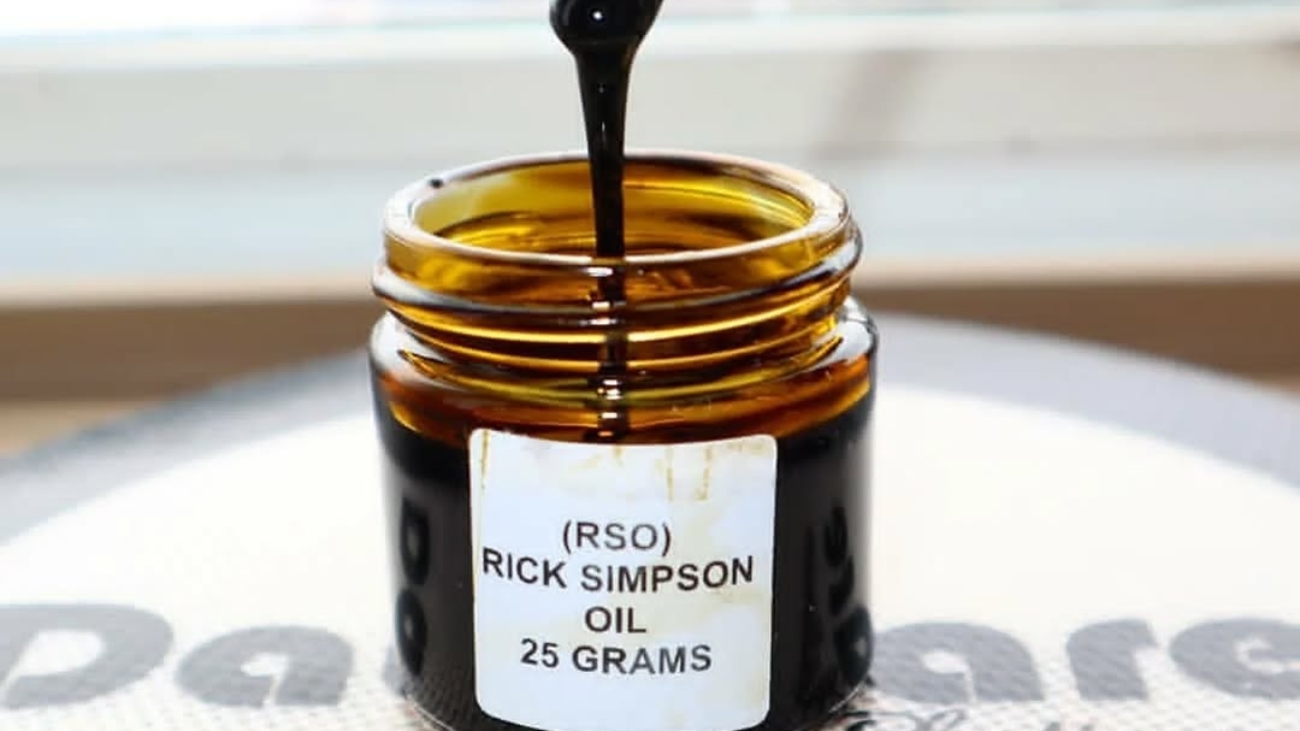
  • Appearance: Dark brown or black, thick like molasses or tar.
  • Packaging: Almost exclusively packaged in plastic or glass oral syringes because it is too thick to flow through a standard dropper bulb.
  • Flavor Profile: Strong, bitter, herbal, and earthy due to retained chlorophyll, plant resins, and concentrated terpenes.

CBD Oil: Fluid and Refined

  • Appearance: Clear, light golden, or pale green liquid.
  • Packaging: Housed in glass dropper bottles, capsules, or softgels.
  • Flavor Profile: Usually mild and earthy; often combined with pleasant carrier oils (like MCT coconut oil or hemp seed oil) or natural flavorings (like peppermint or citrus).

How to Choose: Which Oil Is Right for You?

Selecting between Rick Simpson Oil and CBD Oil depends on your specific health needs, lifestyle, and comfort level with THC:

  1. Choose CBD Oil if:
    • You want daily relief from stress, mild pain, or trouble sleeping.
    • You need to remain completely clear-headed for work, driving, or parenting.
    • You live in an area with strict regulations on high-THC products.
    • You prefer standard tinctures that are easy to measure in drops.
  2. Choose Rick Simpson Oil if:
    • You are managing severe chronic symptoms, intense pain, or heavy nausea.
    • You are seeking the full power of high-THC full-spectrum cannabinoids.
    • You are comfortable experiencing psychoactive effects or intend to build tolerance gradually.
    • You want a concentrated, pure whole-plant extract packaged in precise syringe doses.

Frequently Asked Questions (FAQ)

Can I turn CBD oil into RSO?

No. RSO is defined by its high THC content extracted from high-THC cannabis strains. While you can make a concentrated CBD oil paste, it will not have the high-THC properties that characterize authentic Rick Simpson Oil.

Is RSO stronger than CBD oil?

In terms of psychoactivity and raw THC potency, yes. RSO is significantly more potent than standard CBD oil. However, “strength” depends on what you are treating—CBD oil is often more effective for everyday anxiety where high THC might otherwise induce panic.

Can I mix RSO and CBD oil together?

Yes. Many individuals consume both cannabinoids together to harness the full entourage effect. In fact, taking CBD alongside high-THC RSO can help soften the psychoactive intensity of THC while boosting overall anti-inflammatory benefits.

Conclusion

Understanding the difference between Rick Simpson Oil vs CBD Oil empowers you to make informed, safe decisions for your personal health journey. While CBD oil offers versatile, non-intoxicating support for everyday stress and minor ailments, Rick Simpson Oil stands out as a high-potency, full-spectrum extract designed for intensive symptom management.

Prioritize purity, safety, and verifiable lab testing regardless of which extract you choose. Ready to explore authentic, full-spectrum concentrates? Shop Pure RSO Products Today and discover high-grade extracts crafted for maximum therapeutic value.

Rick Simpson Oil Side Effects and Safety Considerations

What Is Rick Simpson Oil

Introduction: Demystifying Rick Simpson Oil

If you are just starting to explore the world of full-spectrum cannabis concentrates, you have likely come across the term Rick Simpson Oil (RSO). Named after the Canadian medical cannabis advocate who popularized its creation in the early 2000s, RSO has earned a reputation as one of the most potent botanical extracts available.

Unlike standard CBD tinctures or recreational vape liquids, Rick Simpson Oil is a highly concentrated, full-spectrum whole-plant extract. It contains high levels of tetrahydrocannabinol (THC) along with a rich profile of minor cannabinoids, terpenes, and flavonoids.

Because of its extreme potency, stepping into the world of RSO for the first time can feel overwhelming. Whether you are curious about its wellness applications, symptom support, or overall potency, this complete beginner’s guide covers everything you need to know.

If you are ready to explore pure, lab-tested concentrates from a trusted source, you can Shop RSO Products directly to ensure you get high-grade extracts.

What Exactly Is Rick Simpson Oil?

At its core, Rick Simpson Oil is an unrefined, solvent-extracted cannabis concentrate. Traditional production involves washing high-THC cannabis flower with a solvent (such as ethanol or isopropyl alcohol) to extract the plant’s natural cannabinoids, terpenes, and plant waxes. Once the solvent is completely evaporated, what remains is a thick, dark, sticky oil with a molasses-like consistency.

Cannabis Flower + Solvent Extraction ➔ Evaporation ➔ Thick, Full-Spectrum RSO

Key Components of RSO

  • High THC Potency: RSO commonly reaches THC concentrations between 60% and 90%.
  • Full-Spectrum Phytocompounds: It retains minor cannabinoids like CBD, CBG, and CBN.
  • Terpenes and Flavonoids: Natural aromatic compounds that contribute to the plant’s therapeutic potential.

To learn more about natural health modalities and botanical wellness, you can explore insights on Psychedelics World.

RSO vs. Other Cannabis Oils: What’s the Difference?

Understanding how RSO differs from other popular cannabis extracts helps beginners choose the right product for their specific needs:

FeatureRick Simpson Oil (RSO)Standard CBD OilCannabis Distillate
Primary CannabinoidTHC (High)CBD (High, Trace THC)Isolated THC or CBD
Extraction StyleWhole-Plant / Full-SpectrumHemp-based ExtractionMolecular Distillation
ConsistencyThick, dark, tar-like oilLight liquid / Carrier oilClear, viscous oil
Primary UseDeep symptom managementDaily general wellnessVaping / Edibles infusion
Psychoactive EffectStrongNone to minimalStrong to pure

Key Takeaway: While standard CBD oils are non-intoxicating and meant for light daily maintenance, RSO is a heavy-duty, full-spectrum product designed for deep physical and systemic support.

The Benefits of Rick Simpson Oil

Why do so many beginners seek out RSO? Because RSO utilizes the entire cannabis plant, it harnesses the entourage effect—a natural phenomenon where cannabinoids and terpenes work synergistically to enhance therapeutic outcomes.

1. Robust Pain Management

RSO interacts directly with the body’s endocannabinoid system (ECS), specifically the CB1 and CB2 receptors. This interaction can help reduce inflammation signals and alter pain perception for chronic discomfort.

2. Deep Sleep and Relaxation

Due to its heavy THC content and sedative terpene profile (such as myrcene and linalool), RSO is widely used by individuals struggling with severe insomnia or nighttime restlessness.

3. Appetite Stimulation

Loss of appetite can severely impact recovery and overall vitality. RSO is famous for stimulating appetite, making it easier for individuals to maintain healthy weight and nutritional intake.

4. Stress and Mood Support

In small, controlled doses, the cannabinoids in RSO help soothe an overactive nervous system, promoting an overall feeling of calm and emotional balance.

Looking to integrate authentic full-spectrum oil into your personal routine? Visit the RSO Healing Hub Store for reliable, premium options.

Rick Simpson Oil Dosage for Beginners: “Start Low, Go Slow”

The golden rule for anyone using Rick Simpson Oil for the first time is simple: start low and go slow. Because RSO is intensely concentrated, taking too much too quickly can lead to unpleasant psychoactive effects.

Step 1: Half a Grain of Rice ➔ Step 2: Double Every 4 Days ➔ Step 3: Maintenance Dose

The Beginner Protocol Breakdown

  1. Week 1 (Introduction Phase):
    • Take a dose equal to half a grain of rice (approximately 1/4th of a drop) every 8 hours.
    • Monitor how your body reacts before increasing the amount.
  2. Weeks 2 to 5 (Building Tolerance):
    • Gradually double your dosage size every 4 to 5 days.
    • As your tolerance develops, the psychoactive intensity will feel much more manageable.
  3. Weeks 6 to 12 (Full Dose Phase):
    • Work up toward taking a full gram per day, divided into three equal doses, if following a formal high-dose routine.

How to Consume Rick Simpson Oil

RSO is remarkably versatile and can be administered in several practical ways:

  • Sublingual (Under the Tongue): Place a tiny drop under your tongue and let it absorb for 60 seconds. This allows cannabinoids to enter the bloodstream directly for faster onset (15–30 minutes).
  • Oral Ingestion: Swallow the dose with food, or tuck it inside a small piece of bread or fruit. When swallowed, onset takes 45 to 90 minutes, but effects last significantly longer (6–8 hours).
  • Topical Application: Apply a small amount directly to skin irritations or localized areas, covering it with a bandage to allow gradual skin absorption.

Potential Side Effects and Safety Tips

While RSO is a natural product, its high potency means beginners should take basic safety precautions:

  • Temporary Drowsiness: High levels of THC naturally induce heavy relaxation and tiredness.
  • Dry Mouth and Eyes: Stay well-hydrated by drinking plenty of water throughout the day.
  • Dizziness or Disorientation: If you feel overwhelmed, stay calm, lie down in a quiet room, and remember that the feeling will pass safely.
  • Drug Interactions: Cannabinoids process through the liver. If you take prescription medications, consult with a qualified health professional before starting RSO.

Frequently Asked Questions (FAQ)

Can you smoke or vape RSO?

No. Authentic RSO is made for oral, sublingual, or topical use. It contains natural plant waxes and residues that should not be inhaled.

How should RSO be stored?

Store your RSO syringes in a cool, dark place away from direct sunlight. Refrigeration is ideal for long-term storage, but let the syringe warm in your hands for a minute before squeezing out a dose.

Will RSO make me high?

Yes, because genuine RSO contains high levels of THC, it carries psychoactive effects. Following a conservative dosing schedule helps build tolerance and minimizes unwanted intoxication.

Conclusion

Rick Simpson Oil remains one of the most powerful full-spectrum botanical extracts in the modern wellness space. By understanding what RSO is, respecting its potency, and following a cautious dosing schedule, beginners can safely experience its wide range of supportive benefits.

Prioritize clean, lab-verified products to ensure your experience is safe and effective. Ready to start your wellness journey? Buy Quality RSO Online today from trusted producers dedicated to purity and customer care.