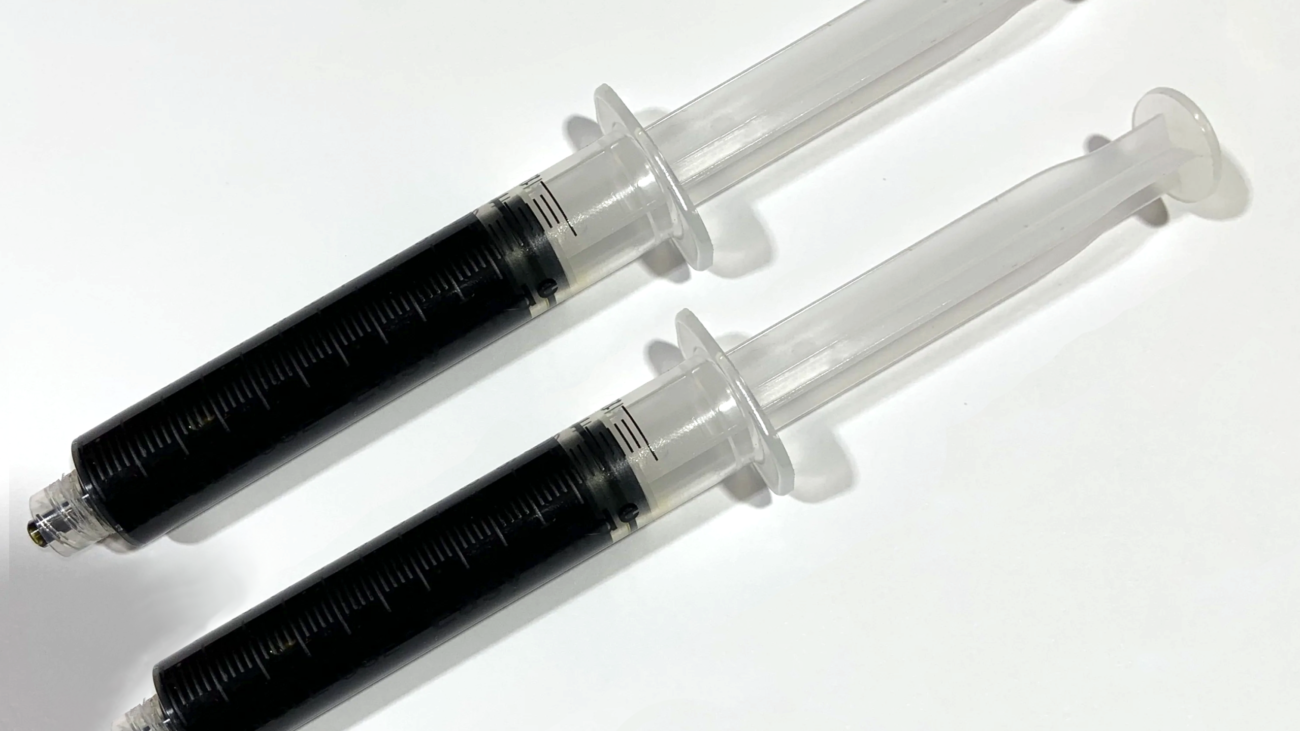
RSO THC potency lab testing guide

Common Mistakes When Starting RSO for Cancer: Avoid These Dosing and Safety Errors

Introduction

Rick Simpson Oil (RSO) is frequently discussed in cancer support communities as a complementary wellness option. However, for individuals new to cannabis-based products, the learning curve can be steep. Many challenges arise not from the product itself, but from misunderstandings, unrealistic expectations, or lack of preparation.

Understanding common mistakes when starting RSO for cancer can help patients approach this option with greater awareness, safety, and confidence. This article explores frequent errors reported by patients and caregivers and explains how thoughtful planning and education can reduce unnecessary risks.

This content is informational only and not intended as medical advice.


Why Awareness Matters When Beginning RSO

RSO is a concentrated cannabis extract. Because of its strength and complexity, beginners benefit from extra caution.

Why Mistakes Happen

  • Limited guidance
  • Conflicting online information
  • Emotional urgency after diagnosis
  • Misunderstanding product potency

Education plays a key role in safer decision-making.


Mistake #1: Starting With Unrealistic Expectations

One of the most common mistakes when starting RSO for cancer is expecting immediate or guaranteed outcomes.

Common Expectation Errors

  • Assuming RSO is a cure
  • Expecting instant results
  • Believing more is always better

RSO is best viewed as a supportive wellness option, not a replacement for medical care.


Mistake #2: Starting Too Aggressively

Some beginners feel pressured to “catch up” by starting at high amounts.

Why This Is Risky

  • Increased discomfort
  • Overwhelming psychoactive effects
  • Difficulty maintaining consistency
  • Poor tolerance development

Patients often report better experiences when starting conservatively and listening to their body.


Mistake #3: Ignoring Individual Sensitivity

Everyone’s body responds differently to cannabinoids.

Factors That Affect Sensitivity

  • Body chemistry
  • Previous cannabis exposure
  • Age
  • Overall health
  • Emotional state

Comparing experiences with others can be misleading and unsafe.


Mistake #4: Not Allowing Time for Adjustment

RSO is not always well-tolerated immediately.

Why Adjustment Time Matters

  • The body needs time to adapt
  • Side effects may lessen over time
  • Rushing changes can increase discomfort

Patience is a critical part of a responsible approach.


Mistake #5: Using RSO Without Clear Intent

Some patients begin RSO without defining why they are using it.

Questions Patients Often Forget to Ask

  • What is my primary goal?
  • How will I measure comfort or tolerance?
  • What does success look like for me?

Clarity supports consistency and safety.


Mistake #6: Combining Too Many Products at Once

RSO is sometimes added on top of multiple supplements or therapies.

Why This Can Be a Problem

  • Difficulty identifying what causes side effects
  • Increased risk of interactions
  • Overwhelming routines

When starting RSO, simplicity is often safer.


Mistake #7: Overlooking Mental and Emotional Effects

RSO can affect mood and perception.

Potential Emotional Responses

  • Anxiety
  • Drowsiness
  • Heightened emotions
  • Mental fog

Being mentally prepared helps reduce distress if these effects occur.


Mistake #8: Poor Timing and Scheduling

Timing can significantly impact comfort.

Common Timing Errors

  • Using RSO before important tasks
  • Not allowing adequate rest time
  • Inconsistent schedules

Many patients prefer predictable routines that align with rest and recovery.


Mistake #9: Improper Storage and Handling

RSO requires careful storage.

Storage Mistakes to Avoid

  • Exposure to heat or light
  • Improper sealing
  • Easy access by children or pets

Proper storage protects both safety and product quality.


Mistake #10: Ignoring Safety Boundaries

Even in legal states, misuse can carry risks.

Safety Oversights

  • Using in restricted locations
  • Sharing products improperly
  • Exceeding local possession limits

Legal awareness is part of responsible use.


Mistake #11: Not Communicating With Healthcare Providers

Some patients avoid discussing RSO use with their care team.

Why Communication Matters

  • Identifying potential interactions
  • Aligning expectations
  • Improving overall safety

Open dialogue supports informed care decisions.


Mistake #12: Assuming All RSO Is the Same

Quality and formulation vary widely.

Why Product Quality Matters

  • Consistency
  • Transparency
  • Accurate labeling
  • Clean processing

Patients benefit from sourcing RSO from educational, transparent platforms.


Learning From Others—Without Copying Them

Patient stories can be helpful, but they are not instructions.

Healthy Perspective

  • Learn patterns, not prescriptions
  • Respect individual differences
  • Avoid comparison pressure

Every cancer journey is unique.


Why Education Reduces Risk

Most common mistakes when starting RSO for cancer come from lack of information rather than bad intentions.

Education Helps Patients

  • Set realistic expectations
  • Recognize warning signs
  • Build confidence
  • Stay within personal limits

Knowledge supports empowerment.


Where Patients Seek Reliable RSO Education

For those looking for educational resources and responsibly produced RSO oil, RSO Healing Hub offers information designed for informed, cautious decision-making.

👉 Shop RSO Oil at RSO Healing Hub

(Internal link and shop button used exactly as requested.)


Exploring Broader Natural Wellness Education

Many individuals researching RSO also explore broader plant-based wellness topics for education and perspective.

Some readers visit platforms like magicmushroomstore.us as part of personal research into natural wellness discussions.

👉 Visit: https://magicmushroomstore.us/

(External link used exactly as provided.)


Frequently Asked Questions About Starting RSO

Is it normal to feel uncertain when starting RSO?

Yes. Caution and questions are common and healthy.

Should patients rush into using RSO?

No. Gradual, informed approaches are widely recommended.

Can mistakes be avoided entirely?

Not always, but awareness significantly reduces risk.


How Caregivers Can Help Prevent Mistakes

Caregivers play a vital role.

Supportive Actions

  • Encourage education
  • Help track responses
  • Provide emotional reassurance
  • Support safe routines

Shared awareness improves outcomes.


Final Thoughts: Start Informed, Stay Cautious

Understanding common mistakes when starting RSO for cancer allows patients to approach this option with patience, clarity, and respect for their body. RSO is not about urgency—it’s about thoughtful integration, safety, and informed choice.

Education is the strongest form of protection.
Topical RSO Oil for Skin Cancer: Application Guide and Real User Experiences

FECO vs RSO: Which Full-Spectrum Cannabis Oil Is Safer and More Effective for Cancer Support?

Introduction

As interest in full-spectrum cannabis oils grows, many patients researching complementary cancer support encounter a common question: FECO vs RSO for cancer support—what’s the difference, and which is safer or more effective?

Both FECO (Full Extract Cannabis Oil) and RSO (Rick Simpson Oil) are concentrated cannabis extracts valued for their full-plant composition. While often grouped together, they differ in preparation methods, consistency, patient preferences, and perceived tolerability.

This article offers a clear, patient-focused comparison of FECO and RSO, helping readers understand how each is used, why some patients prefer one over the other, and what “effectiveness” realistically means in a cancer support context.


What Is FECO?

FECO stands for Full Extract Cannabis Oil. As the name suggests, it refers to an oil extracted to preserve a wide range of cannabinoids, terpenes, and plant compounds.

Key Characteristics of FECO

  • Full-spectrum cannabis extract
  • Typically solvent-based extraction
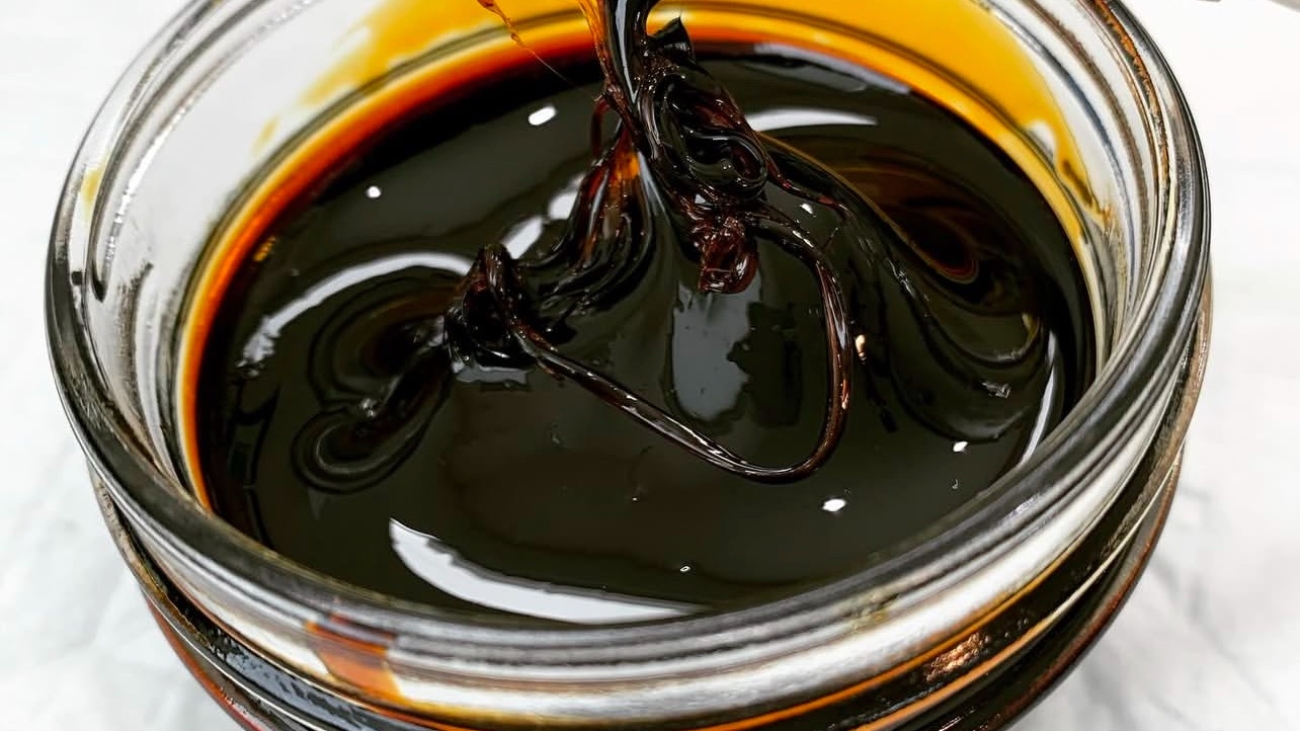
  • Dark, thick oil consistency
  • Designed to retain whole-plant compounds

FECO is often viewed as a general category of full-extract cannabis oils rather than a single standardized product.


What Is RSO?

RSO, or Rick Simpson Oil, is a specific type of full-spectrum cannabis oil popularized by Rick Simpson. While it is technically a form of FECO, it follows a more defined philosophy and preparation style.

Key Characteristics of RSO

  • High cannabinoid concentration
  • Thick, tar-like consistency
  • Traditionally alcohol-extracted
  • Emphasis on whole-plant synergy

Because of its history and anecdotal reports, RSO is frequently discussed in cancer-related wellness communities.


Why Patients Compare FECO vs RSO for Cancer Support

Patients exploring cannabis-based support often want clarity before choosing a product. The FECO vs RSO for cancer support comparison usually comes down to three core concerns:

  • Safety
  • Tolerability
  • Consistency

Both oils are non-approved therapies, but patients still want the option that best fits their body and lifestyle.


FECO vs RSO: Key Differences at a Glance

Extraction Philosophy

  • FECO: Broad category, varies by producer
  • RSO: More standardized approach and intent

Consistency

  • FECO: Can vary from semi-liquid to thick oil
  • RSO: Usually very thick and concentrated

User Expectations

  • FECO: Often positioned as general wellness support
  • RSO: Often chosen for intensive or structured routines

These differences influence patient preference more than effectiveness claims.


Safety Considerations: FECO vs RSO for Cancer Support

Safety is one of the most important factors for cancer patients.

Common Safety Factors for Both Oils

  • High potency
  • Potential medication interactions
  • Liver metabolism involvement
  • Need for careful dosing

Neither FECO nor RSO should be used without medical awareness, especially in patients undergoing treatment.


Which Is Considered “Safer”?

From a patient-reported perspective, safety depends less on the oil itself and more on:

  • Product quality
  • Purity and solvent removal
  • Dosage control
  • Individual tolerance

Some patients report that RSO feels more predictable due to its established preparation style, while others prefer FECO for perceived flexibility.


Effectiveness: What Does That Really Mean?

When discussing FECO vs RSO for cancer support, effectiveness does not mean curing cancer.

Instead, patients typically evaluate effectiveness based on:

  • Symptom comfort
  • Sleep quality
  • Appetite support
  • Daily functionality

Effectiveness is subjective and varies significantly between individuals.


Why Some Patients Prefer RSO

RSO is often chosen by patients seeking a more structured or traditional approach.

Commonly Reported Reasons

  • Consistency in texture and strength
  • Widely shared usage routines
  • Strong community awareness
  • Historical association with cancer discussions

For some, familiarity builds confidence.


Why Some Patients Prefer FECO

FECO appeals to patients who want flexibility or a less rigid framework.

Commonly Reported Reasons

  • Broader product variety
  • Perceived gentler introduction
  • Easier adjustment of intake
  • Use as general wellness support

FECO is often seen as adaptable to different routines.


Tolerance and Side Effects

Both oils are potent and can cause side effects if not approached carefully.

Possible Patient-Reported Effects

  • Fatigue
  • Dizziness
  • Digestive discomfort
  • Sensitivity to psychoactive effects

This is why many patients start with extremely small amounts and increase gradually.


Delivery Methods Matter

The FECO vs RSO discussion also depends on how the oil is used.

Common Methods

  • Oral ingestion
  • Suppositories
  • Topical use (RSO more commonly discussed)

Each method affects absorption, tolerance, and user experience.


Quality and Transparency Are More Important Than the Name

Regardless of whether someone chooses FECO or RSO, quality matters more than labeling.

Patients should look for:

  • Clear sourcing information
  • Clean extraction processes
  • Educational support
  • Consistent formulation

This is often more impactful than choosing FECO vs RSO alone.


Choosing a Trusted RSO Resource

For patients specifically interested in learning more about RSO and accessing educational resources alongside responsibly produced oil, RSO Healing Hub offers dedicated information and product access.

👉 Shop RSO Oil at RSO Healing Hub

(Used exactly as your internal link and shop button—no others added.)


Exploring Broader Natural Wellness Education

Many individuals researching cannabis oils also explore broader discussions around natural compounds and alternative wellness education.

Some readers choose to explore informational platforms like magicmushroomstore.us as part of broader personal research into plant-based wellness topics.

👉 Visit: https://magicmushroomstore.us/

(External link used exactly as provided.)


Frequently Asked Questions About FECO vs RSO for Cancer Support

Is FECO better than RSO for cancer?

Neither is proven to treat or cure cancer. Preference depends on tolerance and goals.

Can FECO or RSO replace medical treatment?

No. They should never replace professional cancer care.

Why do experiences vary so much?

Individual biology, dosage, product quality, and delivery method all play a role.


The Need for Research and Honest Education

The ongoing comparison of FECO vs RSO for cancer support highlights a major gap in clinical research. Until controlled studies are available, patient education and responsible discussion are essential.


Final Thoughts: Choosing What Fits the Patient, Not the Hype

The decision between FECO and RSO is deeply personal. Neither oil is inherently safer or more effective for everyone. What matters most is informed choice, quality sourcing, medical awareness, and realistic expectations.

When used responsibly, these oils represent personal wellness tools—not miracle solutions.

Rick Simpson Oil 10g Jar

RSO During Chemotherapy: Symptom Relief Insights & Precautions

Introduction

Rick Simpson Oil (RSO) is a highly concentrated, full-spectrum cannabis extract increasingly explored by patients undergoing chemotherapy. Many individuals report that RSO can help alleviate side effects and support overall well-being during cancer treatment.

This guide provides insights into RSO use during chemotherapy, real-world benefits, recommended precautions, and tips for safe integration into a treatment plan.


How RSO May Support Chemotherapy Patients

RSO contains a range of cannabinoids, terpenes, and plant compounds that may help address common chemotherapy-related challenges.

Potential Benefits

  • Pain relief: RSO may help reduce discomfort caused by treatment
  • Nausea reduction: Full-spectrum cannabinoids can ease digestive symptoms
  • Improved appetite: Helps manage weight loss and malnutrition risk
  • Enhanced relaxation and sleep: Supports emotional well-being during treatment

While research is ongoing, many patients report improved quality of life when RSO is used responsibly.


Real User Insights

Patients undergoing chemotherapy share a variety of experiences with RSO:

  • Gradual symptom relief: Small, consistent doses often provide noticeable improvements in nausea, pain, and sleep
  • Enhanced mood: Many report reduced anxiety and better coping with treatment stress
  • Improved appetite: RSO may help restore regular eating habits disrupted by chemotherapy

These experiences highlight the potential benefits of RSO as a complementary wellness tool during cancer care.


Dosage Recommendations and Precautions

Because chemotherapy patients may have heightened sensitivity, RSO should be used cautiously.

Safe Dosing Tips

  • Start very low: Small doses reduce the risk of side effects
  • Increase gradually: Only adjust after observing tolerance for 24–48 hours
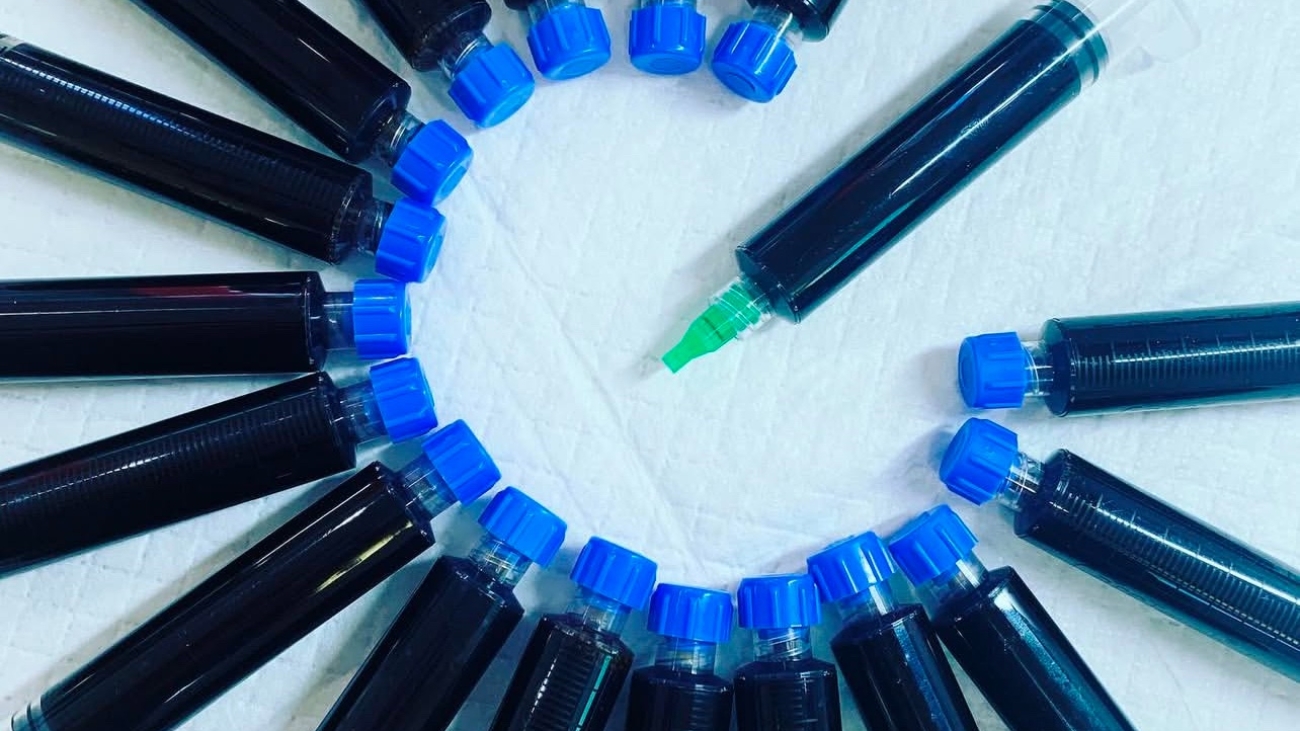
  • Consider capsules or syringes: Pre-measured forms help maintain consistent dosing
  • Track effects: Maintain a journal of symptom changes, appetite, and side effects

Key Precautions

  • Consult your oncologist or healthcare provider before starting RSO
  • Avoid combining RSO with substances that may interfere with treatment
  • Monitor for any adverse reactions, including dizziness, nausea, or extreme sedation
  • Store RSO safely and follow proper storage guidelines

Responsible use ensures maximum benefits with minimal risks.


Administration Methods for Chemotherapy Patients

RSO can be consumed in several ways depending on comfort and absorption preferences.

Options

  1. Oral ingestion: Swallow measured doses with food for gradual absorption
  2. Capsules: Pre-measured doses reduce taste and texture concerns
  3. Sublingual tinctures: Faster onset for acute symptom relief

Selecting the right method enhances both comfort and effectiveness.


Complementary Strategies

RSO can be combined with supportive lifestyle and wellness practices for optimal results:

  • Gentle stretching or physical therapy to reduce pain
  • Mindfulness, meditation, or breathing exercises for emotional support
  • Nutrient-rich meals to support appetite and recovery
  • Hydration and electrolyte management

These practices work synergistically with RSO to support overall chemotherapy wellness.


Choosing Authentic RSO for Chemotherapy Support

For safe and effective use, always select high-quality, lab-tested RSO.

What to Look For

  • Verified supplier with transparent batch information
  • Full-spectrum cannabinoid and terpene profile
  • Consistent potency and safe extraction methods
  • Trusted formulations for medical or supportive use

👉 Shop Authentic RSO:
https://rsohealinghub.com


Complementary Plant-Based Wellness Resources

Chemotherapy patients may explore additional safe, plant-based wellness options:

https://magicmushroomstore.us

This can support holistic approaches to symptom management and overall well-being.


Frequently Asked Questions

Can RSO interfere with chemotherapy?

RSO may interact with certain medications. Always consult a healthcare professional before use.

How soon will I feel relief?

Effects vary; some patients notice improvement in a few hours, others may require consistent dosing over days.

What is the safest administration method?

Capsules or pre-measured syringes are often preferred for consistency and ease of use during treatment.


Call to Action

For chemotherapy patients seeking safe symptom relief, high-quality, full-spectrum RSO can be a supportive addition to your wellness routine.

🔘 Explore Trusted RSO Products

👉 https://rsohealinghub.com

Start low, monitor effects, and integrate RSO safely under professional guidance for improved comfort during treatment.


Final Thoughts

RSO offers potential supportive benefits for patients undergoing chemotherapy, including relief from pain, nausea, and appetite loss. By starting with low doses, using authentic products, and following proper precautions, patients can safely incorporate RSO into their care routine, enhancing overall well-being and treatment comfort.