
 Cart is empty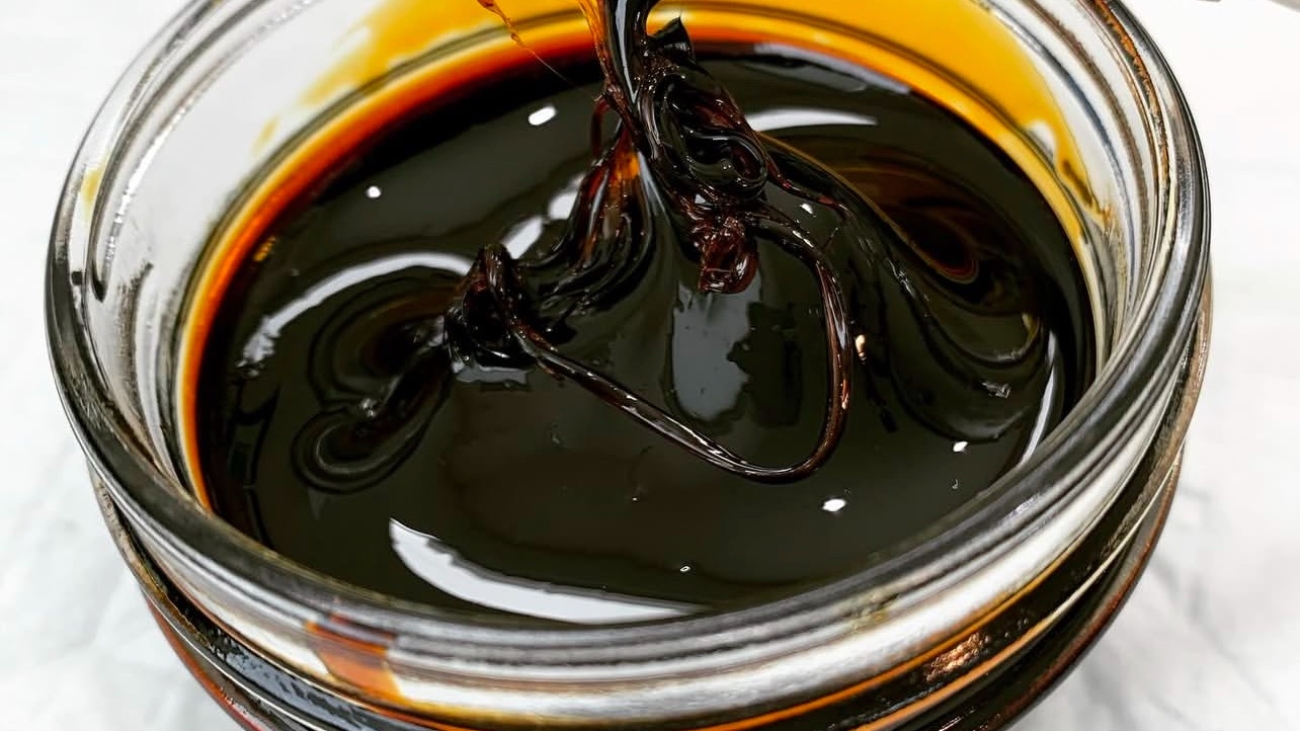
Introduction: The Chemistry Behind Rick Simpson Oil
Understanding how Rick Simpson Oil is made requires looking at the science of botanical solvent extraction. Rick Simpson Oil (RSO) is renowned in the medical cannabis community for its incredible potency and thick, molasses-like consistency.
Unlike conventional tinctures or clear distillates, authentic RSO retains almost the entire chemical profile of the female cannabis plant. It houses high concentrations of tetrahydrocannabinol (THC), essential terpenes, minor cannabinoids, and natural plant waxes.
The core goal of the extraction process is simple: separate therapeutic compounds (cannabinoids and terpenes) from raw plant matter using a liquid solvent, then evaporate that solvent entirely to leave behind pure, concentrated oil.
Whether you are curious about traditional home methods or commercial laboratory standards, understanding this extraction process helps you appreciate the quality, purity, and safety of the final product.
If you are seeking pure, professionally extracted products without the risks of home DIY processing, you can Shop Pure RSO Extracts directly from verified producers.
The Fundamental Principle of Solvent Extraction
How does a solvent turn raw cannabis bud into dense oil? The answer lies in chemical solubility.
Cannabinoids like THC and CBD are lipophilic (fat-soluble) compounds present within the microscopic resin glands—called trichomes—on the surface of cannabis flowers. Solvents such as ethanol or isopropyl alcohol dissolve these trichome heads quickly upon contact.
When raw cannabis flower is submerged in an alcohol-based solvent, the therapeutic compounds dissolve into the liquid. Once filtered and gently heated, the volatile solvent evaporates into vapor, leaving behind a dense, dark residue packed with active cannabinoids.
To learn more about complementary holistic plant medicines and alternative remedies, feel free to explore articles on Psychedelics World.
Step-by-Step: How RSO Is Made
The traditional process popularized by Rick Simpson follows a structured sequence. While simple in concept, each stage demands precision to preserve delicate cannabinoids and prevent safety hazards.
1.1. Selecting and Preparing the Plant Material:Step 1: Material Prep.
High-potency, well-cured cannabis flower (typically Indica-dominant strains) is thoroughly dried. The plant material is loosely crushed to maximize surface area for the solvent.
2.2. The First Solvent Wash:Step 2: Dissolving Trichomes.
The crushed plant material is placed in a clean container and submerged in high-proof solvent (such as 99% isopropyl alcohol or food-grade ethanol). The mixture is stirred thoroughly for 3 to 5 minutes to strip the cannabinoid-rich trichomes from the flower.
3.3. Straining and Filtering:Step 3: Removing Plant Matter.
The liquid solution is poured through cheesecloth or unbleached coffee filters into a separate container. This removes raw plant matter, leaving a clear, green-to-amber tinted liquid containing the solvent and dissolved resin.
4.4. The Second Solvent Wash (Optional):Step 4: Maximum Yield.
Fresh solvent is added to the remaining plant material for a brief second wash to gather any remaining cannabinoids before the plant waste is discarded.
5.5. Solvent Evaporation:Step 5: Heating & Purging.
The filtered solution is placed into a controlled heat source (such as a rice cooker or distillation apparatus) maintained below 230°F (110°C). As heat is applied, the solvent boils off as vapor, gradually thickening the liquid.
6.6. Decarboxylation and Final Collection:Step 6: Activating THC.
Once solvent bubbling stops, the remaining oil undergoes low heat treatment to complete decarboxylation—converting THCA into active, bioavailable THC. The warm oil is then drawn into glass syringes for precise dosing.
Common Solvents Used in RSO Production
The solvent choice plays a major role in both the quality and safety of the final extract:
| Solvent Type | Pros | Cons / Safety Considerations |
| Food-Grade Ethanol (Everclear) | Non-toxic, safe for human consumption, clean taste | More expensive, highly flammable |
| 99% Isopropyl Alcohol | Highly efficient at stripping resin, affordable | Toxic if consumed; requires complete evaporation |
| Supercritical CO2 (Commercial) | Zero chemical residues, ultra-pure, precise | Requires expensive industrial laboratory machinery |
Critical Safety Warning: Evaporating alcohol solvents releases invisible, highly flammable vapors. Performing solvent evaporation indoors near open flames, pilot lights, or unventilated areas presents severe fire and explosion risks.
Commercial vs. Homemade RSO: Quality & Safety Differences
While Rick Simpson originally designed his method to be accessible at home, modern commercial extraction has elevated quality standards significantly.
Homemade RSO: Variable Purity ➔ Potential Solvent Residue ➔ Inconsistent Potency
Commercial RSO: Closed-Loop Systems ➔ Third-Party Lab Tested ➔ Guaranteed Potency
1. Solvent Purging & Residual Solvents
In home setups, removing 100% of the solvent without scorching the cannabinoids is difficult. Commercial laboratories use closed-loop extraction equipment and vacuum ovens to pull out solvent traces completely, leaving zero toxic residue.
2. Decarboxylation Control
Decarboxylation converts non-psychoactive THCA into active THC. Industrial equipment monitors precise temperature thresholds, ensuring complete activation without degrading fragile terpenes.
3. Lab Testing & Cannabinoid Profiles
Purchasing professionally made RSO ensures access to a Certificate of Analysis (COA). This document verifies exact THC/CBD percentages and confirms the absence of pesticides, heavy metals, mold, or lingering solvents.
If you want peace of mind regarding purity and exact potency, visit the RSO Healing Hub Store for certified, lab-tested concentrates.
Key Takeaways on RSO Extraction
- Whole-Plant Extract: RSO is made by washing full-spectrum cannabis flower with a solvent to extract cannabinoids, terpenes, and flavonoids.
- Evaporation Is Crucial: The solvent must be thoroughly evaporated using controlled heat to yield safe, concentrated oil.
- Safety First: Solvent vapors are extremely flammable; commercial closed-loop extractions offer superior safety and chemical purity compared to DIY setups.
- Activation Matters: Decarboxylation ensures the THC is fully active for oral and sublingual consumption.
Conclusion
Understanding how Rick Simpson Oil is made reveals the careful science required to produce this potent cannabis concentrate. From selecting high-grade plant material to executing precise solvent purging, every step influences the purity, potency, and safety of the finished oil.
Avoid the safety risks and uncertainty of DIY extraction by choosing professionally manufactured, lab-verified oils. Ready to experience authentic full-spectrum concentrate? Buy Lab-Tested RSO Now and support your wellness routine with pure, high-potency extracts.