
 Cart is empty
Introduction
Making homemade full-spectrum hemp oil (RSO style) has become popular among wellness enthusiasts seeking natural, whole-plant extracts. Unlike traditional THC-dominant RSO, this hemp version is CBD-rich, contains less than 0.3% THC, and is legal nationwide under the 2018 Farm Bill.
In 2025, safe DIY methods allow you to create potent, entourage-effect oil from organic hemp flower at home—without dangerous solvents. This guide covers legal considerations, materials, step-by-step processes, safety tips, and alternatives.
Important Disclaimer: This is educational only. Homemade extracts lack professional lab testing. Consult a doctor before use, especially for health conditions.
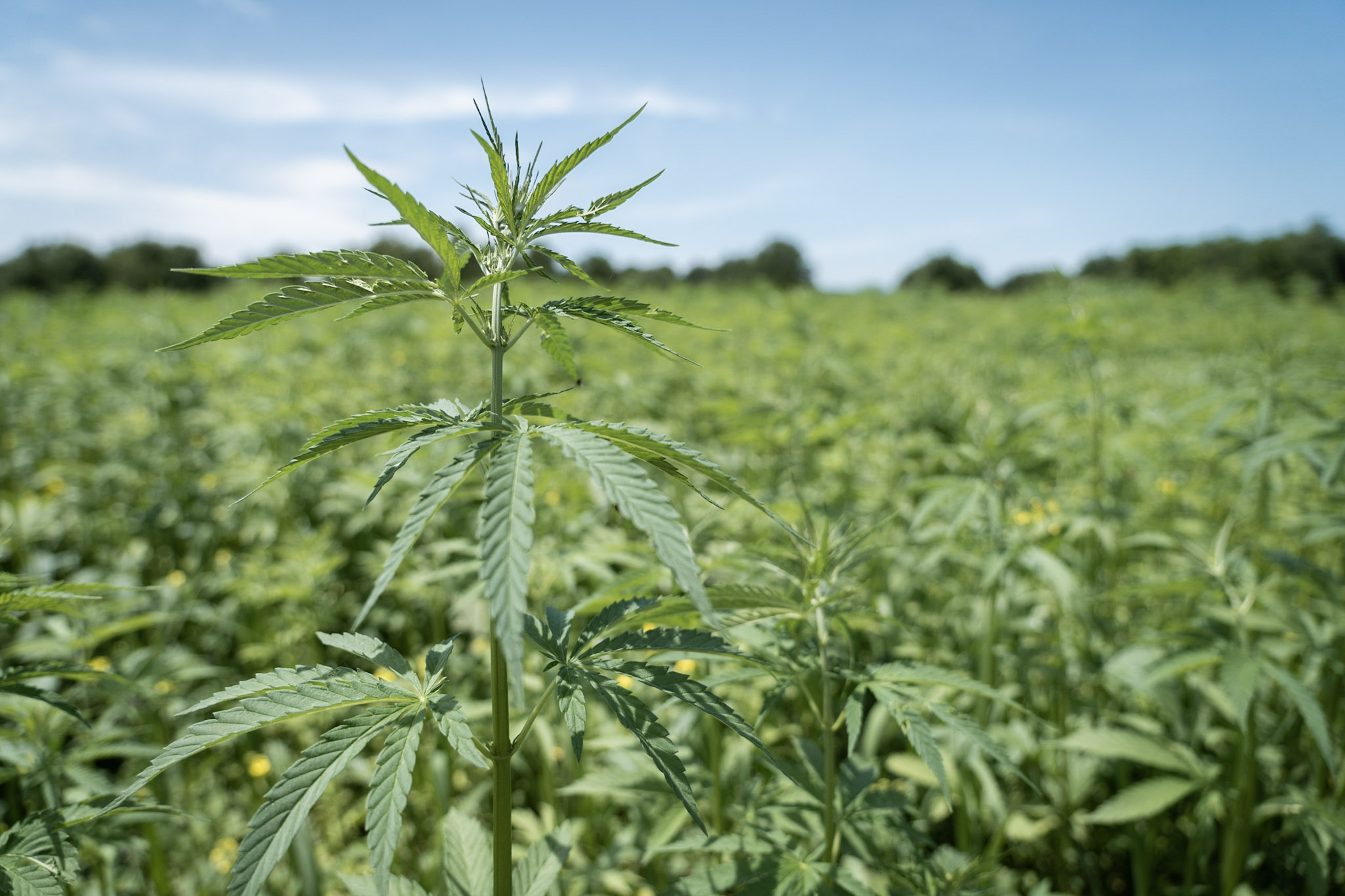

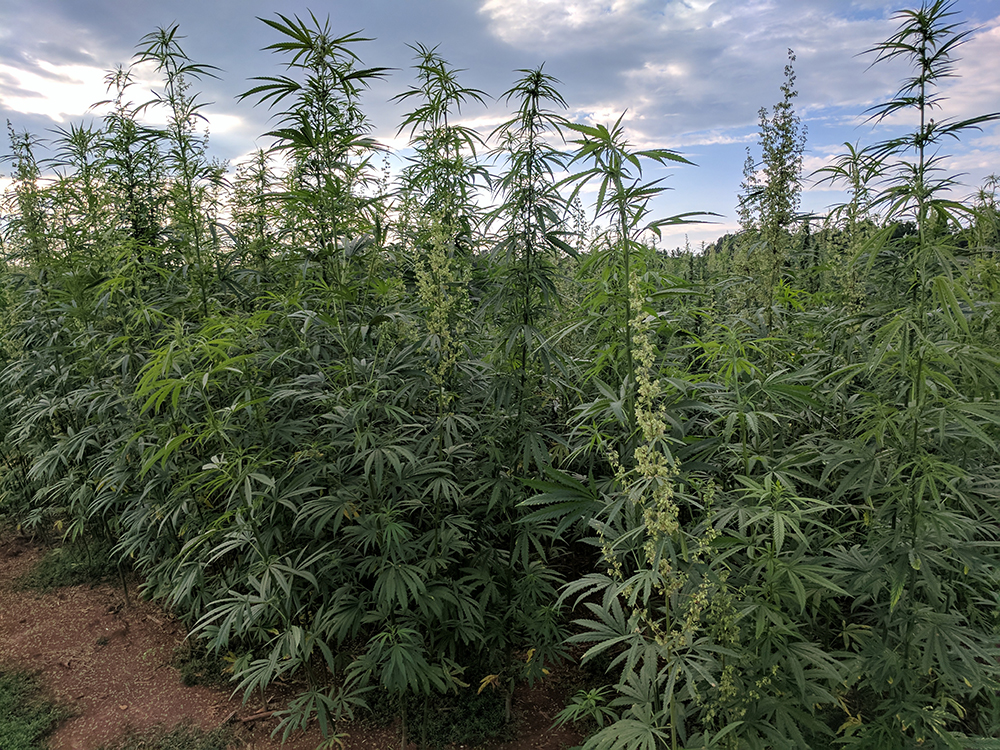
growingsmallfarms.ces.ncsu.edu
Why Make Homemade Full-Spectrum Hemp Oil RSO Style?
Full-spectrum hemp oil retains CBD, minor cannabinoids (CBG, CBN), terpenes, and flavonoids for enhanced benefits via the entourage effect.
Advantages of DIY:
- Cost-effective compared to store-bought.
- Control over ingredients (organic hemp).
- Custom potency.
It’s a milder, legal alternative to classic RSO—perfect for daily wellness.

Legal Considerations in 2025
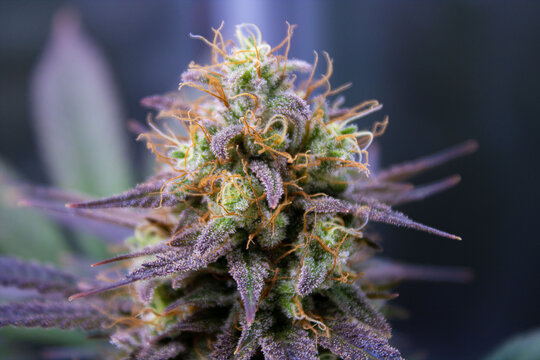
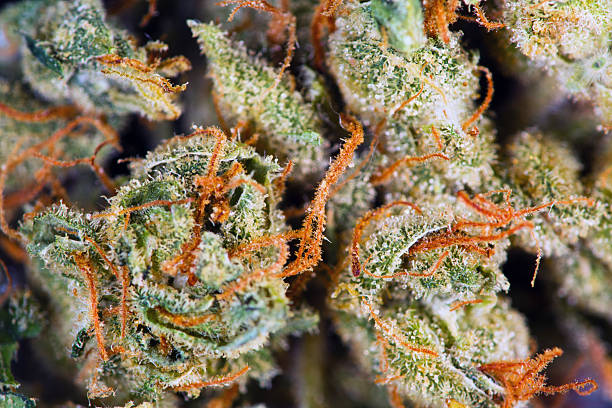
Hemp (Cannabis sativa with <0.3% delta-9 THC) is federally legal. Source compliant hemp flower from licensed U.S. farms.
Avoid marijuana plant material—it’s illegal federally. Check state laws for possession limits.
Materials Needed for Homemade Hemp Oil
- Organic hemp flower buds (high-CBD strains).
- Carrier oil (MCT, olive, or coconut).
- Grinder, glass jars, cheesecloth, slow cooker or double boiler.
- Oven for decarboxylation.
Start with 1 ounce hemp flower for beginner batches.

Safe Extraction Methods for RSO-Style Hemp Oil
Avoid flammable solvents like in original RSO—use these safer options:
1. Oil Infusion Method (Easiest for Beginners)
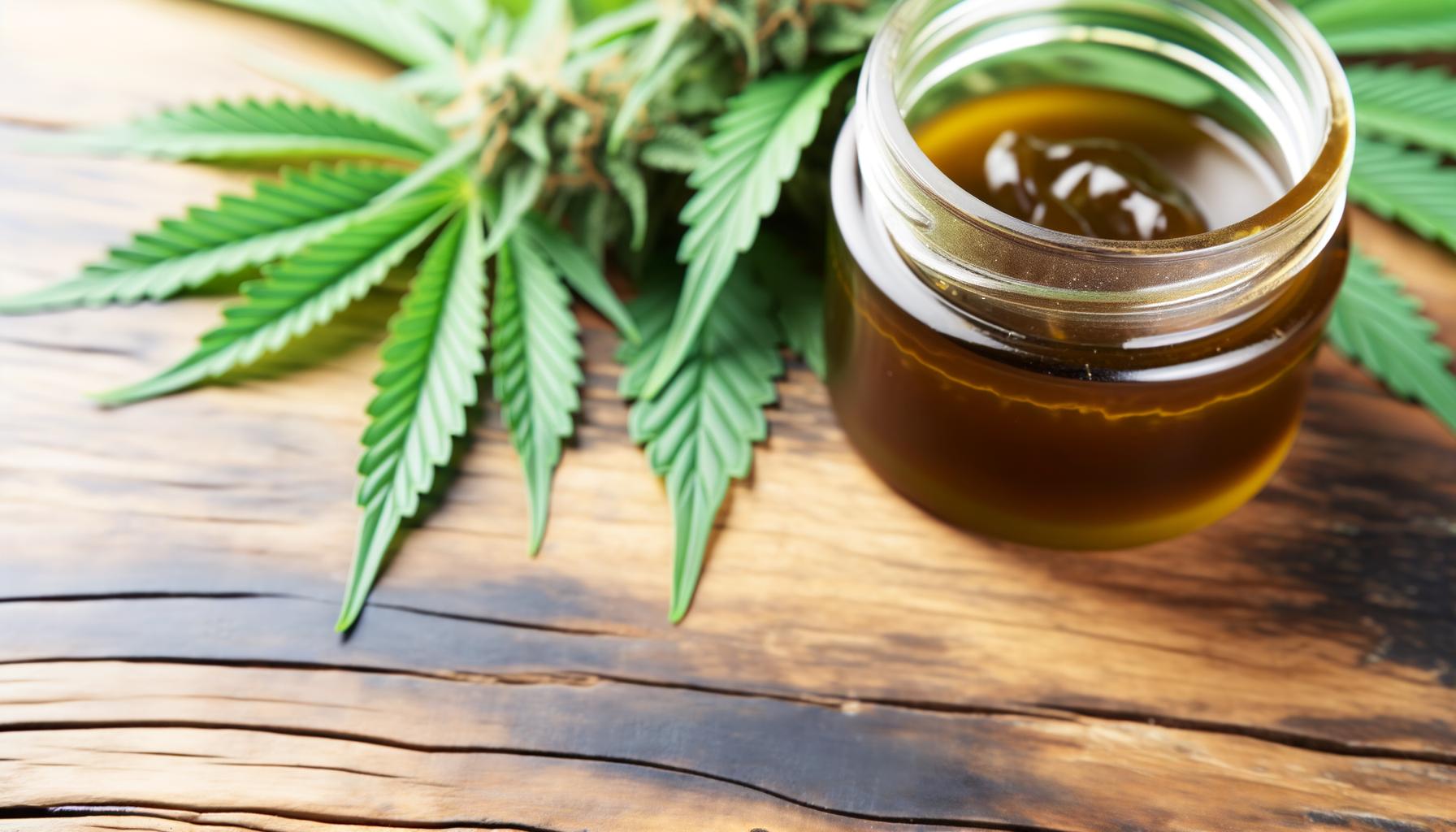
Heat-based infusion extracts cannabinoids into oil.
2. Ethanol (Food-Grade Alcohol) Method
Quick wash for thicker, RSO-like concentrate—but requires careful evaporation.
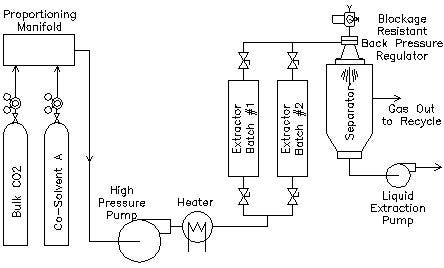
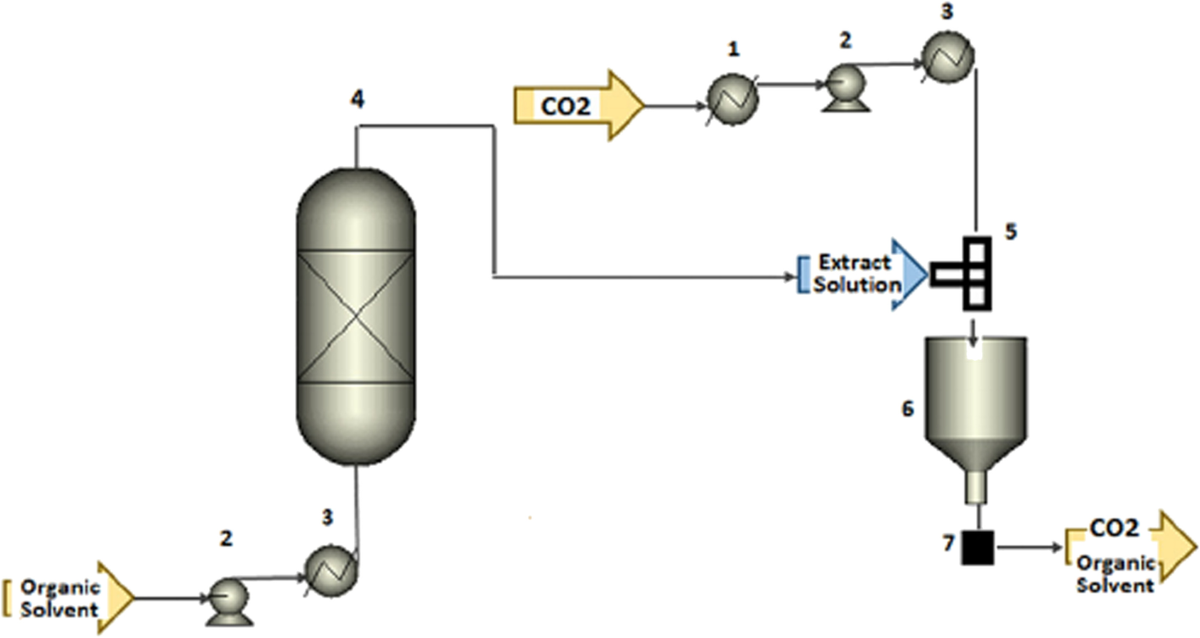
3. CO2 Extraction (Advanced)
Professional equipment only—not practical at home.

Step-by-Step Guide: Making Homemade Full-Spectrum Hemp Oil
Step 1: Decarboxylation (Activate Cannabinoids)
- Grind hemp flower finely.
- Spread on baking sheet.
- Bake at 240°F (115°C) for 40-60 minutes.
- This converts CBDA to CBD.

Step 2: Infusion Process (Oil Method)
- Combine decarbed hemp with carrier oil (1 oz flower to 2 cups oil).
- Heat in double boiler or slow cooker at 160-200°F for 2-4 hours.
- Stir occasionally; do not boil.
Step 3: Straining and Storage
- Strain through cheesecloth into glass jar.
- Squeeze for maximum yield.
- Store in dark, cool place.
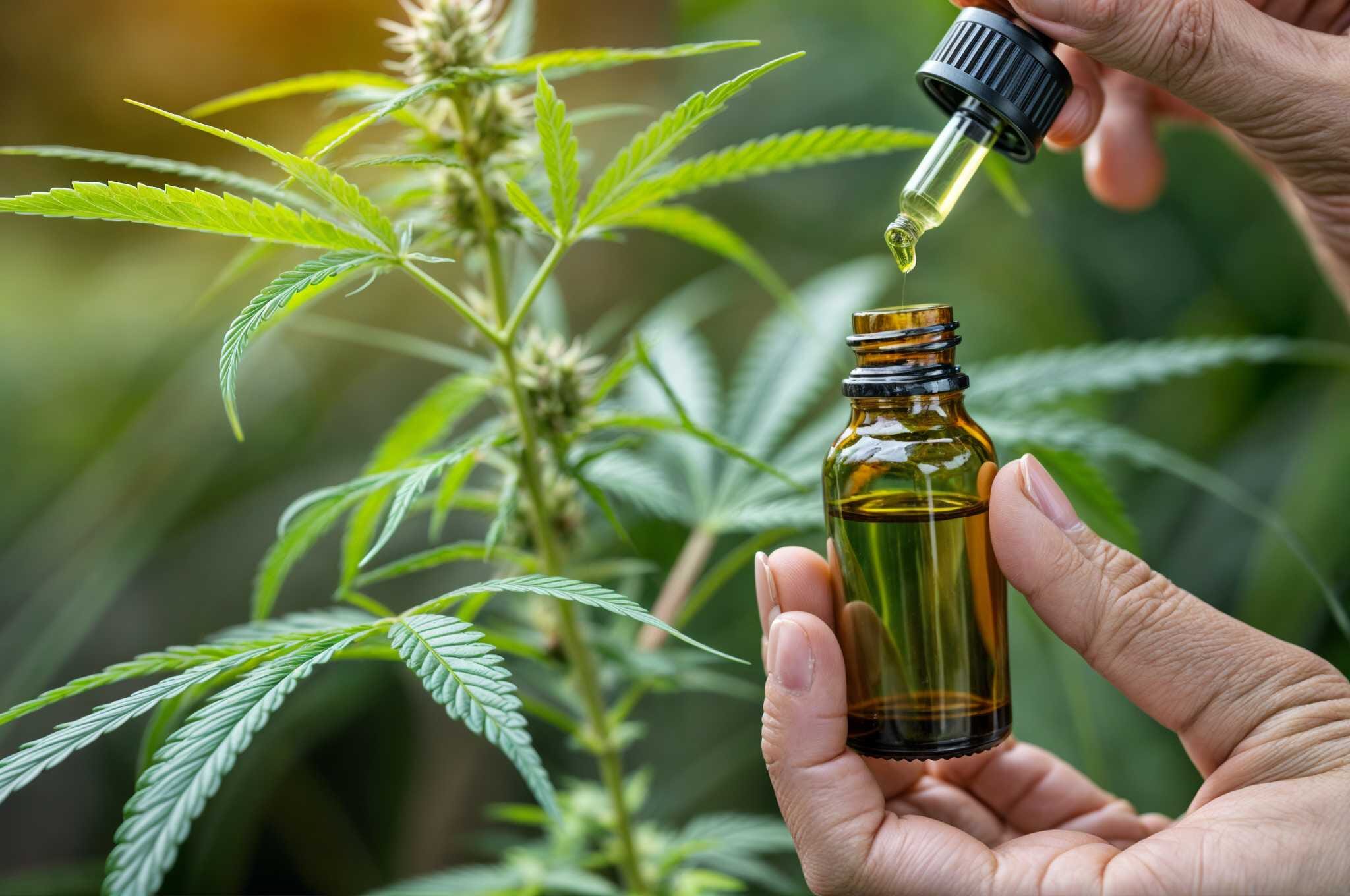
For thicker RSO-style: Use ethanol wash and evaporate safely outdoors.
Safety Tips When Making Hemp Oil at Home
- Work in well-ventilated area.
- Never use open flames with alcohol.
- Wear gloves; avoid skin contact with concentrates.
- Test small batches first.
- No driving after use.
Professional lab-tested products are safer for consistent potency.
For premium ready-made options, visit RSO Healing Hub.

Alcohol Ethanol Based Extraction of Cannabis
Common Mistakes to Avoid
- Overheating (degrades cannabinoids).
- Using low-quality hemp.
- Skipping decarb (inactive oil).
- Improper storage (light/heat exposure).
Benefits and Uses of Homemade Hemp Oil
Potential for:
- Stress relief.
- Better sleep.
- Mild pain support.
Use sublingually, topically, or in food.
Explore complementary products at Magic Mushroom Store.
Frequently Asked Questions
- How long does homemade hemp oil last? 6-12 months refrigerated.
- Can I make it thicker like RSO? Yes, with alcohol reduction.
- Is it as potent as commercial? Varies—lab versions are consistent.
Conclusion
Making homemade full-spectrum hemp oil RSO style is rewarding and legal when done safely with hemp flower. Follow this guide for a potent, natural extract tailored to your needs in 2025.
Prefer professional quality without the effort?
Share your DIY tips or questions in the comments—what method do you use?