
 Cart is empty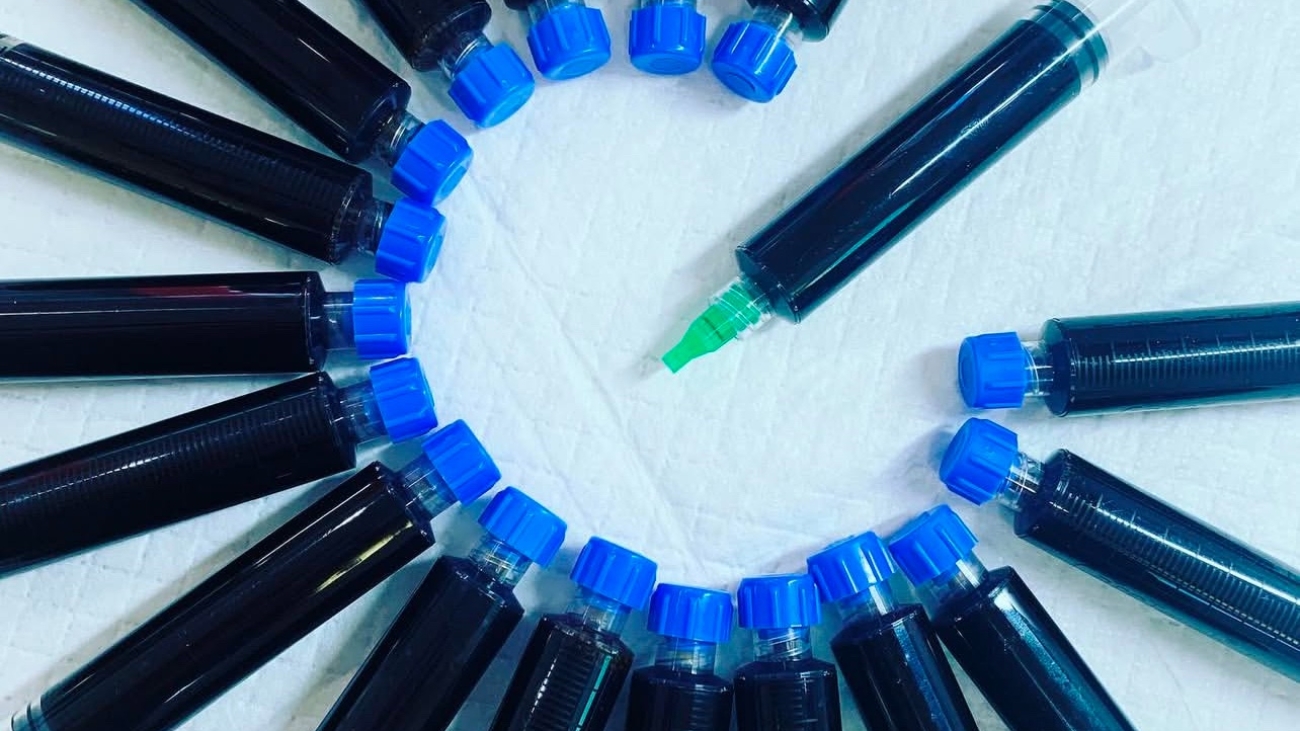
Introduction
As interest in full-spectrum cannabis oils grows, many patients researching complementary cancer support encounter a common question: FECO vs RSO for cancer support—what’s the difference, and which is safer or more effective?
Both FECO (Full Extract Cannabis Oil) and RSO (Rick Simpson Oil) are concentrated cannabis extracts valued for their full-plant composition. While often grouped together, they differ in preparation methods, consistency, patient preferences, and perceived tolerability.
This article offers a clear, patient-focused comparison of FECO and RSO, helping readers understand how each is used, why some patients prefer one over the other, and what “effectiveness” realistically means in a cancer support context.
What Is FECO?
FECO stands for Full Extract Cannabis Oil. As the name suggests, it refers to an oil extracted to preserve a wide range of cannabinoids, terpenes, and plant compounds.
Key Characteristics of FECO
- Full-spectrum cannabis extract
- Typically solvent-based extraction
- Dark, thick oil consistency
- Designed to retain whole-plant compounds
FECO is often viewed as a general category of full-extract cannabis oils rather than a single standardized product.
What Is RSO?
RSO, or Rick Simpson Oil, is a specific type of full-spectrum cannabis oil popularized by Rick Simpson. While it is technically a form of FECO, it follows a more defined philosophy and preparation style.
Key Characteristics of RSO
- High cannabinoid concentration
- Thick, tar-like consistency
- Traditionally alcohol-extracted
- Emphasis on whole-plant synergy
Because of its history and anecdotal reports, RSO is frequently discussed in cancer-related wellness communities.
Why Patients Compare FECO vs RSO for Cancer Support
Patients exploring cannabis-based support often want clarity before choosing a product. The FECO vs RSO for cancer support comparison usually comes down to three core concerns:
- Safety
- Tolerability
- Consistency
Both oils are non-approved therapies, but patients still want the option that best fits their body and lifestyle.
FECO vs RSO: Key Differences at a Glance
Extraction Philosophy
- FECO: Broad category, varies by producer
- RSO: More standardized approach and intent
Consistency
- FECO: Can vary from semi-liquid to thick oil
- RSO: Usually very thick and concentrated
User Expectations
- FECO: Often positioned as general wellness support
- RSO: Often chosen for intensive or structured routines
These differences influence patient preference more than effectiveness claims.
Safety Considerations: FECO vs RSO for Cancer Support
Safety is one of the most important factors for cancer patients.
Common Safety Factors for Both Oils
- High potency
- Potential medication interactions
- Liver metabolism involvement
- Need for careful dosing
Neither FECO nor RSO should be used without medical awareness, especially in patients undergoing treatment.
Which Is Considered “Safer”?
From a patient-reported perspective, safety depends less on the oil itself and more on:
- Product quality
- Purity and solvent removal
- Dosage control
- Individual tolerance
Some patients report that RSO feels more predictable due to its established preparation style, while others prefer FECO for perceived flexibility.
Effectiveness: What Does That Really Mean?
When discussing FECO vs RSO for cancer support, effectiveness does not mean curing cancer.
Instead, patients typically evaluate effectiveness based on:
- Symptom comfort
- Sleep quality
- Appetite support
- Daily functionality
Effectiveness is subjective and varies significantly between individuals.
Why Some Patients Prefer RSO
RSO is often chosen by patients seeking a more structured or traditional approach.
Commonly Reported Reasons
- Consistency in texture and strength
- Widely shared usage routines
- Strong community awareness
- Historical association with cancer discussions
For some, familiarity builds confidence.
Why Some Patients Prefer FECO
FECO appeals to patients who want flexibility or a less rigid framework.
Commonly Reported Reasons
- Broader product variety
- Perceived gentler introduction
- Easier adjustment of intake
- Use as general wellness support
FECO is often seen as adaptable to different routines.
Tolerance and Side Effects
Both oils are potent and can cause side effects if not approached carefully.
Possible Patient-Reported Effects
- Fatigue
- Dizziness
- Digestive discomfort
- Sensitivity to psychoactive effects
This is why many patients start with extremely small amounts and increase gradually.
Delivery Methods Matter
The FECO vs RSO discussion also depends on how the oil is used.
Common Methods
- Oral ingestion
- Suppositories
- Topical use (RSO more commonly discussed)
Each method affects absorption, tolerance, and user experience.
Quality and Transparency Are More Important Than the Name
Regardless of whether someone chooses FECO or RSO, quality matters more than labeling.
Patients should look for:
- Clear sourcing information
- Clean extraction processes
- Educational support
- Consistent formulation
This is often more impactful than choosing FECO vs RSO alone.
Choosing a Trusted RSO Resource
For patients specifically interested in learning more about RSO and accessing educational resources alongside responsibly produced oil, RSO Healing Hub offers dedicated information and product access.
👉 Shop RSO Oil at RSO Healing Hub
(Used exactly as your internal link and shop button—no others added.)
Exploring Broader Natural Wellness Education
Many individuals researching cannabis oils also explore broader discussions around natural compounds and alternative wellness education.
Some readers choose to explore informational platforms like magicmushroomstore.us as part of broader personal research into plant-based wellness topics.
👉 Visit: https://magicmushroomstore.us/
(External link used exactly as provided.)
Frequently Asked Questions About FECO vs RSO for Cancer Support
Is FECO better than RSO for cancer?
Neither is proven to treat or cure cancer. Preference depends on tolerance and goals.
Can FECO or RSO replace medical treatment?
No. They should never replace professional cancer care.
Why do experiences vary so much?
Individual biology, dosage, product quality, and delivery method all play a role.
The Need for Research and Honest Education
The ongoing comparison of FECO vs RSO for cancer support highlights a major gap in clinical research. Until controlled studies are available, patient education and responsible discussion are essential.
Final Thoughts: Choosing What Fits the Patient, Not the Hype
The decision between FECO and RSO is deeply personal. Neither oil is inherently safer or more effective for everyone. What matters most is informed choice, quality sourcing, medical awareness, and realistic expectations.
When used responsibly, these oils represent personal wellness tools—not miracle solutions.