 Cart is empty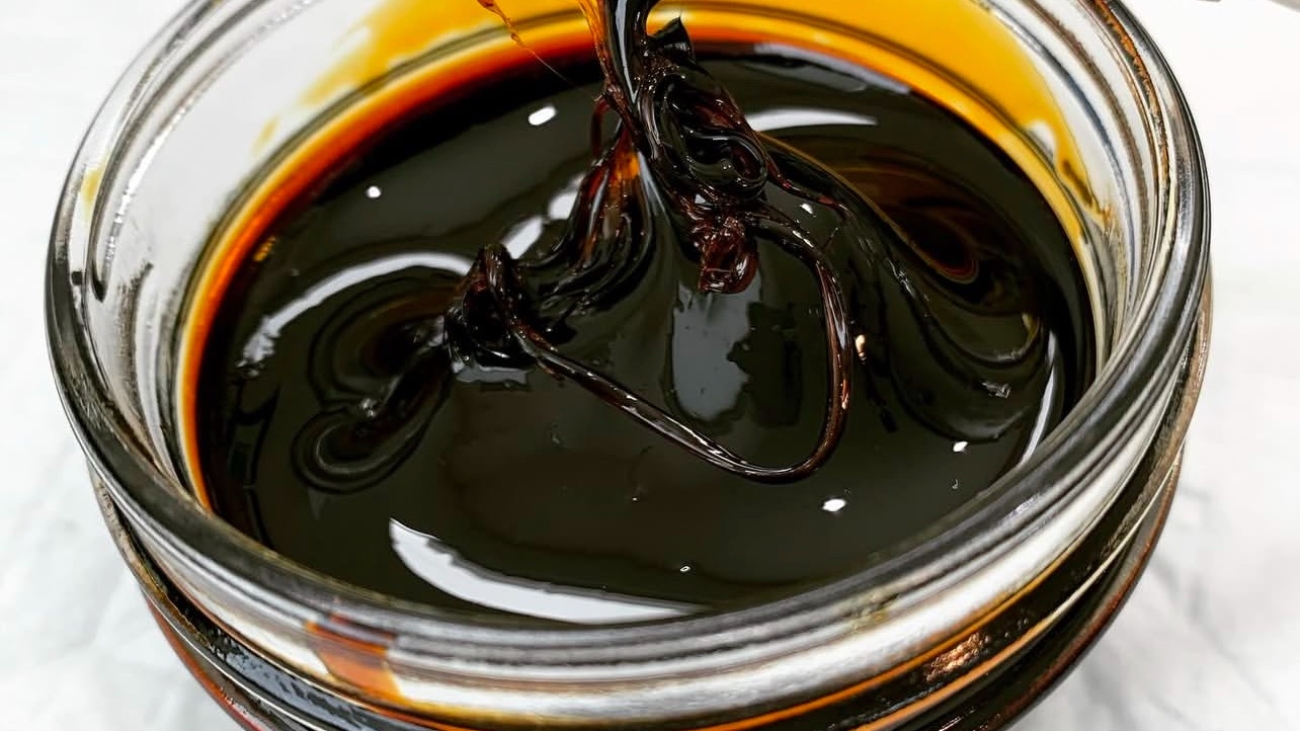
Introduction
Rick Simpson Oil (RSO) has garnered significant attention for its reported benefits in natural wellness. As a full-spectrum, high-THC cannabis extract, users often seek it for potential relief from various conditions. But what do Rick Simpson Oil benefits and scientific evidence truly reveal?
While anecdotal stories abound—especially from Rick Simpson’s own experiences—modern research focuses on cannabinoids like THC and their interactions with the body. This guide examines claimed benefits, supported evidence from studies, limitations, and balanced insights. RSO is not a proven cure, and evidence varies by condition. Always consult healthcare professionals.

THC a RSO w oleju Ricka Simpsona – CBD Sklep Purehemp.pl
Understanding Rick Simpson Oil
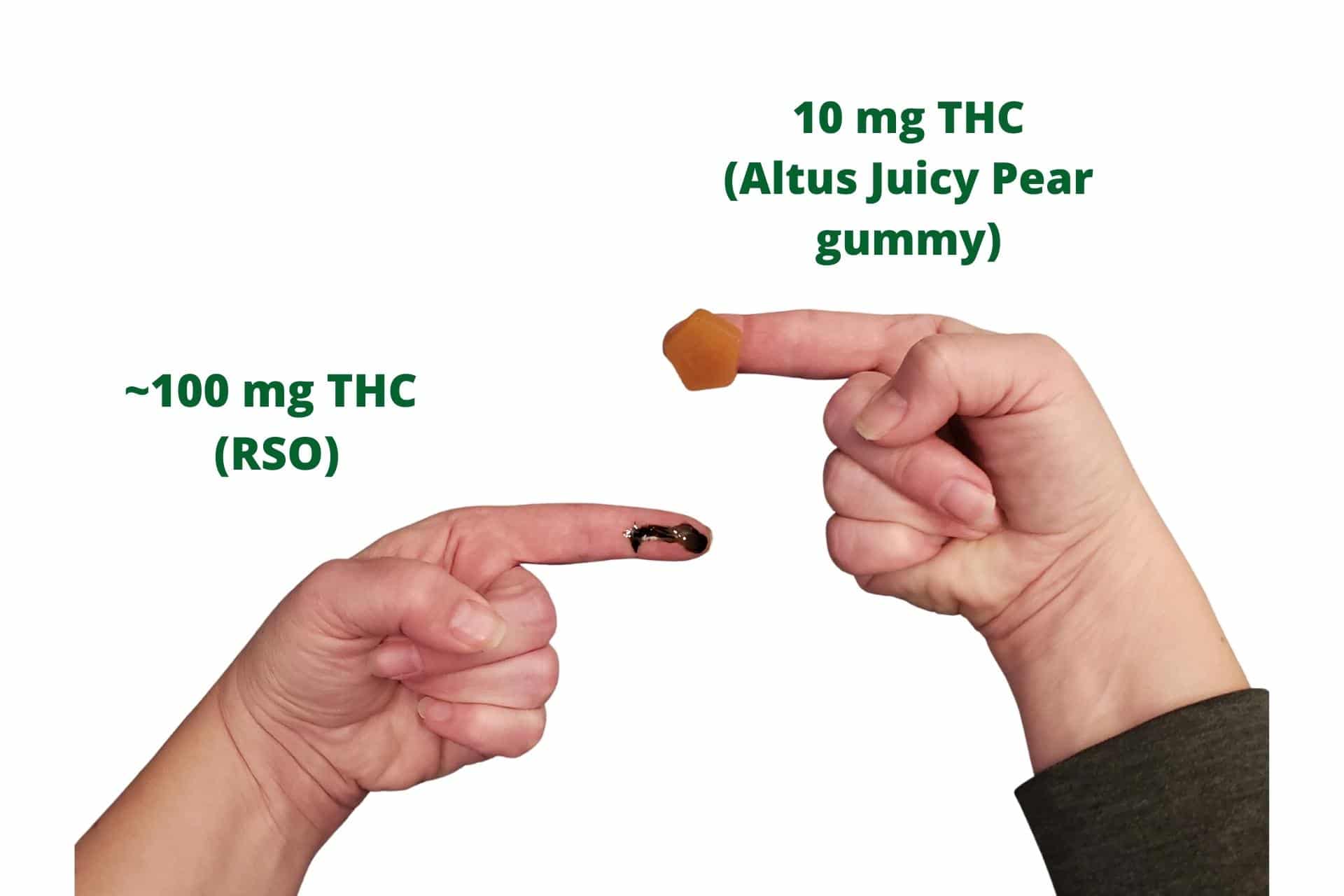
RSO is a potent, decarboxylated cannabis concentrate made from indica strains, containing high THC (60-90%) alongside CBD, terpenes, and other compounds. Its full-spectrum nature promotes the “entourage effect,” where components work synergistically.
Produced via solvent extraction, RSO appears as a thick, dark oil in syringes or jars.
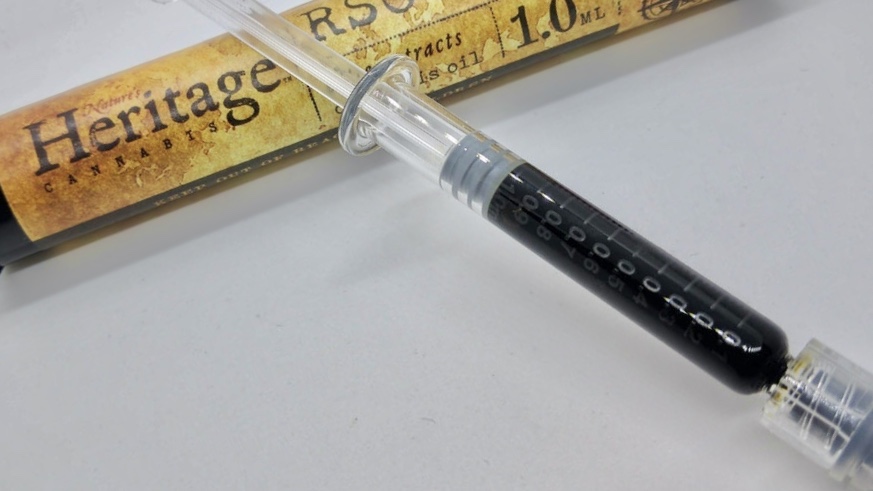
What is RSO? | Nature’s Care and Wellness
How RSO Interacts with the Body
RSO primarily works through the endocannabinoid system (ECS), a regulatory network influencing pain, mood, appetite, and inflammation.
THC binds to CB1 receptors (brain/nervous system) for psychoactive and analgesic effects, and CB2 receptors (immune cells) for anti-inflammatory action. Terpenes enhance absorption and efficacy.

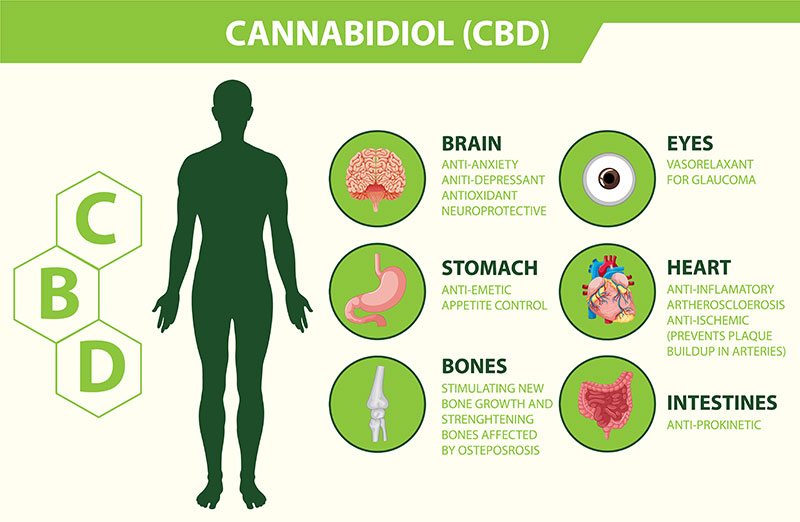
CBD and the Endocannabinoid System – Physicians Lab
Key Rick Simpson Oil Benefits and Supporting Evidence
Scientific evidence for RSO specifically is limited—most studies examine isolated cannabinoids or cannabis extracts. Here’s a breakdown:
Pain Relief
One of the most cited benefits is chronic pain management.
- Evidence: A 2018 Cochrane review found cannabis-based medicines reduced chronic neuropathic pain. FDA-approved drugs like dronabinol (synthetic THC) treat pain in certain conditions.
- RSO Angle: High THC content may provide stronger relief than low-THC products, per user reports and small studies on whole-plant extracts.
Anti-Inflammatory Effects
Inflammation underlies many diseases, from arthritis to autoimmune issues.
- Evidence: Preclinical studies show THC and CBD reducing inflammation via CB2 receptors. A 2020 review in Frontiers in Immunology highlighted cannabinoids’ potential in inflammatory diseases.
- RSO Benefit: Full-spectrum profile may offer broader anti-inflammatory action than isolates.

NIST Researchers to Test New Approach for Detecting Cannabis in Breath | NIST
Sleep Improvement
Many use RSO for insomnia due to its sedative properties.
- Evidence: Studies on THC indicate improved sleep onset and quality, though long-term use may disrupt REM sleep. A 2022 meta-analysis supported cannabis for short-term sleep aid.
- Note: Indica-dominant RSO is favored for relaxation.
Appetite Stimulation and Nausea Reduction
Common in chemotherapy patients.
- Evidence: Strong—dronabinol and nabilone (THC-based) are FDA-approved for chemotherapy-induced nausea and appetite loss.
Potential Anti-Cancer Properties
Simpson claimed RSO cured his skin cancer, sparking interest.
- Evidence: Lab/animal studies (e.g., 1975 NCI research) show THC inducing apoptosis in cancer cells. Recent reviews (2023 in Cancers) note promise in glioma and breast cancer models.
- Human Evidence: Limited to case reports and small trials; no large-scale studies confirm RSO cures cancer. It’s viewed as supportive for symptoms, not treatment.

Setting the Stage for Better Education on Cannabis Use
Skin Health (Topical Use)
Applied directly for eczema, psoriasis, or wounds.
- Evidence: Cannabinoids show anti-inflammatory and antimicrobial effects in dermatology studies. Topical cannabis reduced itch and improved skin in small trials.
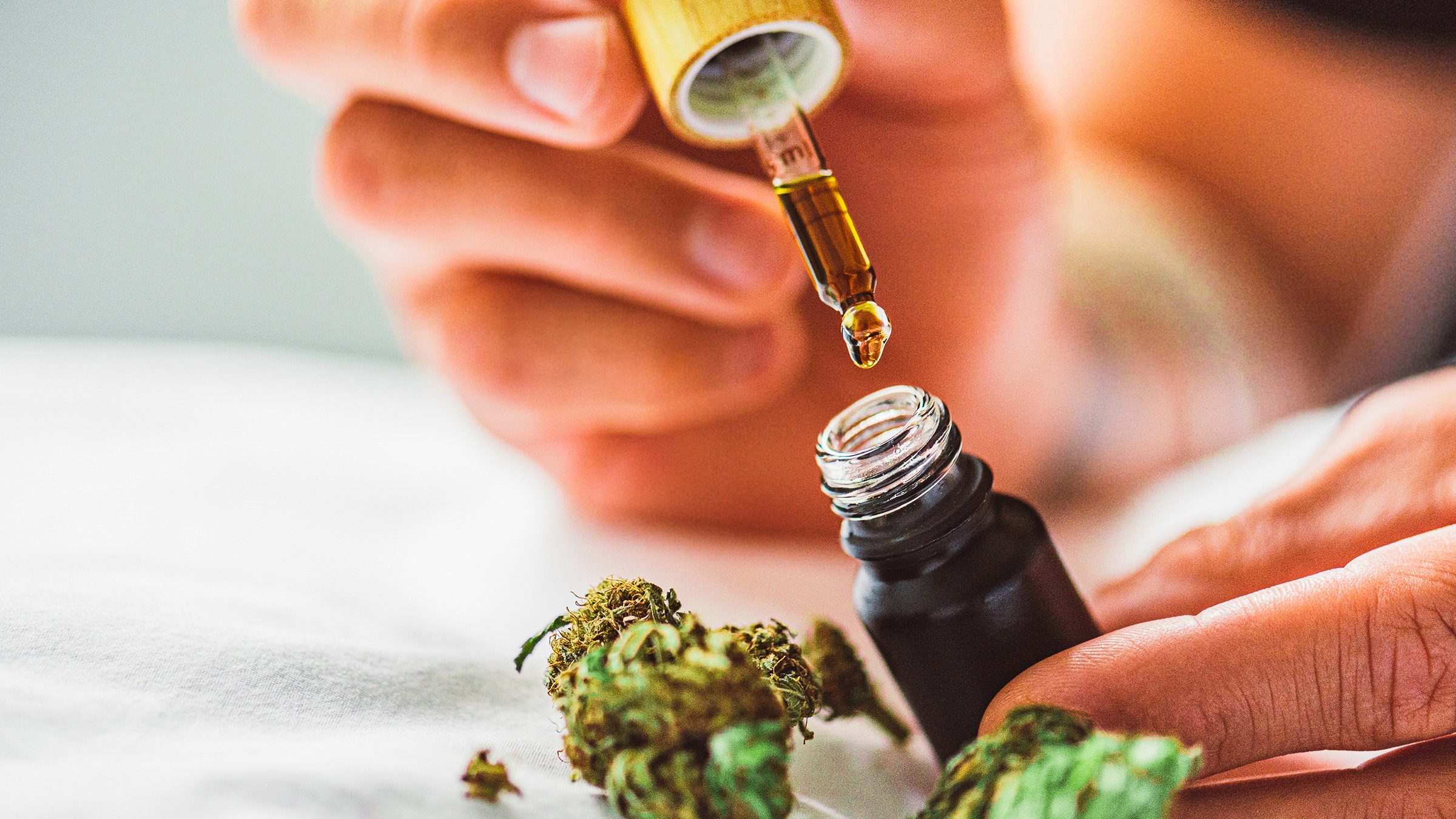
CBD Oil: Benefits, Uses, and Side Effects – GoodRx
Other Emerging Benefits
- Anxiety/Mood: Mixed evidence—low doses may help, high doses worsen.
- Neurological: Potential in epilepsy (via CBD-rich, but THC contributes).
Limitations of Current Scientific Evidence
- Most research uses purified THC/CBD, not full-spectrum RSO.
- Legal barriers historically limited large human trials.
- Anecdotes dominate RSO-specific claims.
- Placebo effects and bias in self-reports.
Experts emphasize evidence-based medicine; RSO shows promise but lacks definitive proof for many benefits.
Why Choose High-Quality RSO?
For potential benefits, source lab-tested, solvent-free products to ensure potency and safety.
Discover premium RSO at RSO Healing Hub.
Safe Usage Tips
- Start low, especially with high-THC RSO.
- Monitor effects.
- Combine with lifestyle changes.
For complementary natural options, check Magic Mushroom Store.
Ongoing Research
Cannabis studies accelerate, with focus on whole-plant extracts and ECS targeting.
User Experiences vs. Science
Many report life-changing benefits, aligning with cannabinoid research but exceeding proven evidence.
Frequently Asked Questions
- Is RSO scientifically proven? For some symptoms yes (via THC studies); for cures, no.
- Best for what conditions? Pain, nausea—where evidence is strongest.
- Risks? Psychoactivity, tolerance, interactions.
Conclusion
Rick Simpson Oil benefits include potential pain relief, reduced inflammation, better sleep, and symptom support, backed by growing scientific evidence on cannabinoids. While lab and preliminary studies are encouraging, robust human trials on RSO itself are needed. Approach with informed caution and professional guidance.
Ready to explore RSO responsibly?
What benefits interest you most? Share your thoughts or questions in the comments!