
 Cart is empty
RSO Dosage and Treatment Protocols: A Complete Guide to Safe Use, Benefits, and Considerations
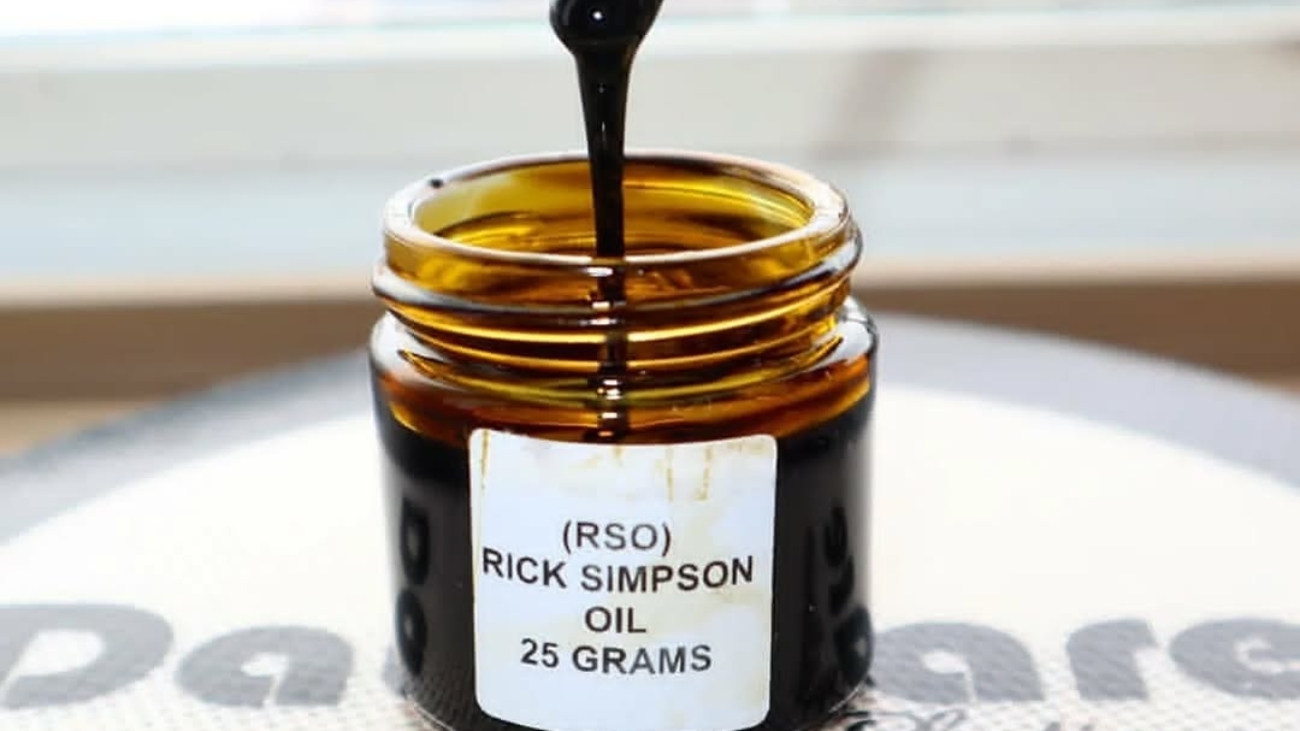
Rick Simpson Oil (RSO) has become one of the most widely discussed concentrated cannabis extracts among people interested in cannabis-based wellness products. Its high cannabinoid concentration, particularly THC in many formulations, has generated interest in its potential applications, methods of use, and appropriate dosage considerations.
One of the most frequently asked questions surrounding RSO is how much to use and whether established treatment protocols exist.
Understanding RSO dosage and treatment protocols is important because RSO is a concentrated extract, and its potency can vary considerably between products. Unlike standardized prescription medications, commercially available RSO products do not have one universally established dosing schedule.
People researching RSO should understand its composition, potential effects, individual tolerance, possible medication interactions, and the importance of professional medical guidance.
If you are exploring RSO products and educational resources, visit RSO Healing Hub to discover more about Rick Simpson Oil and cannabis-related products.
SHOP RSO PRODUCTS AT RSO HEALING HUB
In this comprehensive guide, we explore RSO dosage considerations, commonly discussed treatment approaches, factors that influence individual responses, safety precautions, and what current scientific evidence actually says.
What Is Rick Simpson Oil (RSO)?
Rick Simpson Oil is a concentrated cannabis extract associated with Rick Simpson, who popularized its use through personal accounts and claims about its potential health applications.
RSO is commonly associated with high concentrations of tetrahydrocannabinol (THC), although its actual cannabinoid composition depends on the cannabis source and manufacturing process.
Depending on the formulation, RSO may contain:
- THC (tetrahydrocannabinol).
- CBD (cannabidiol).
- Other naturally occurring cannabinoids.
- Terpenes.
- Other plant-derived compounds.
Because RSO is concentrated, relatively small quantities can contain substantial amounts of cannabinoids.
This is one reason understanding product potency is essential before considering its use.
RSO is commonly sold in syringes or small containers because its thick consistency makes handling and measuring easier with suitable packaging.
However, not every product marketed as RSO has the same composition, concentration, or purity.
Consumers should look for transparent cannabinoid labeling and independent laboratory testing rather than relying on general descriptions.
Understanding RSO Dosage and Treatment Protocols
RSO dosage and treatment protocols refer to the approaches people discuss when considering the amount, frequency, duration, and intended purpose of using Rick Simpson Oil.
However, an important distinction needs to be made between anecdotal RSO protocols and medically validated treatment guidelines.
There is currently no universally accepted, clinically validated RSO dosing protocol for treating cancer or other serious diseases.
This means that popular online dosing schedules should not be interpreted as established medical recommendations.
The appropriate approach to any cannabis-containing product depends on several factors, including:
- The concentration of THC and CBD.
- The intended route of administration.
- Previous cannabis exposure and individual tolerance.
- Age and general health.
- Existing medical conditions.
- Other medications or supplements.
- Potential adverse reactions.
A healthcare professional familiar with cannabinoid products can help evaluate these considerations.
Why RSO Dosage Is Different From Other Cannabis Products
Not all cannabis products deliver cannabinoids in the same way.
For example, cannabis flower, edibles, tinctures, capsules, and concentrated oils have different formulations and absorption characteristics.
RSO is generally more concentrated than many conventional cannabis preparations.
This means that comparing an amount of RSO with an equivalent amount of cannabis flower or a standard edible can be misleading.
Consumers should distinguish between:
- Product weight: The total amount of RSO in a container.
- THC concentration: The percentage or amount of THC in the extract.
- CBD concentration: The amount of cannabidiol present.
- Serving size: The quantity identified by the manufacturer.
- Route of administration: Whether the product is intended for oral, sublingual, or topical application.
Understanding these measurements helps prevent confusion when evaluating product labels.
What Is the Traditional RSO Treatment Protocol?
One of the most widely discussed approaches to RSO is the traditional treatment schedule popularized by Rick Simpson.
This approach is frequently described online as a gradual increase in RSO consumption over a period of approximately 90 days, with a total target quantity often cited as 60 grams.
However, this schedule comes from anecdotal recommendations rather than a clinically validated cancer-treatment protocol.
It has not been established through high-quality clinical trials as a safe or effective treatment schedule.
There are several reasons why consumers should be cautious about treating this traditional approach as a medical guideline.
1. Individual Tolerance Varies
People respond differently to THC.
Someone with previous cannabis experience may have a different tolerance profile from someone who has never used a THC-containing product.
Factors such as age, metabolism, general health, and medication use can also influence individual responses.
A fixed schedule cannot account for all these differences.
2. RSO Potency Is Not Always Consistent
Different RSO products may contain different concentrations of THC and other cannabinoids.
Even products with similar packaging can have different cannabinoid profiles.
Without reliable laboratory testing, it may be difficult to establish how much THC a particular quantity contains.
3. High THC Exposure Can Cause Adverse Effects
Large amounts of THC can cause unwanted effects, including:
- Anxiety and panic.
- Dizziness.
- Confusion.
- Increased heart rate.
- Impaired coordination.
- Excessive sedation.
- Paranoia.
- Nausea.
These effects can become particularly concerning when someone attempts to follow an aggressive dosage schedule without professional supervision.
4. Cancer Treatment Requires Individualized Medical Care
Cancer treatment is determined by factors such as cancer type, stage, molecular characteristics, overall health, and previous treatment history.
RSO has not been established as a replacement for chemotherapy, radiation therapy, surgery, immunotherapy, or other evidence-based cancer treatments.
People considering cannabis products during cancer care should involve their oncologist.
Factors That Influence RSO Dosage
There is no single RSO dosage suitable for everyone. Several factors influence how a person may respond to a cannabis extract.
THC Concentration
THC is the primary intoxicating cannabinoid commonly associated with RSO.
A product containing a higher THC concentration may produce stronger effects than a product with a lower concentration.
This makes laboratory testing and accurate labeling important.
Consumers should not assume that the same quantity of two different RSO products will produce the same experience.
CBD Content
Some cannabis extracts contain CBD alongside THC.
CBD is non-intoxicating, but it is not entirely free of potential side effects or medication interactions.
The ratio between THC and CBD can influence the characteristics of a cannabis formulation.
However, the presence of CBD does not guarantee that a product will prevent THC-related adverse effects.
Previous Cannabis Experience
A person’s previous exposure to cannabis can influence their tolerance and response.
People who are unfamiliar with THC-containing products may be more susceptible to unwanted psychoactive effects.
Previous experience does not eliminate the need to consider product potency and safety.
Method of Administration
The way RSO is administered can affect how cannabinoids enter the body.
Commonly discussed routes include:
- Oral administration.
- Sublingual administration.
- Topical application.
These methods are not interchangeable.
Oral products can have delayed and unpredictable absorption, while topical preparations are generally designed for external application.
Transdermal products are different because they are specifically formulated to deliver active ingredients through the skin.
Consumers should follow the intended-use instructions for their particular product.
Medication Interactions
Cannabinoids can interact with medications because they may influence enzymes involved in drug metabolism.
This is especially important for people taking:
- Blood thinners.
- Sedatives.
- Antidepressants.
- Certain seizure medications.
- Immunosuppressants.
- Cancer medications.
A pharmacist or healthcare professional should review the complete medication list before someone introduces a concentrated cannabis product.
RSO Treatment Protocols for Different Health Goals
People research RSO for different reasons, but the evidence supporting its use varies considerably depending on the intended application.
It is important not to confuse popular consumer practices with medically established treatment protocols.
RSO and Cancer Research
Cancer is one of the main reasons RSO receives public attention.
Some people discuss using RSO alongside conventional cancer treatments, while others encounter online claims suggesting it can independently eliminate tumors.
These claims require careful examination.
Laboratory studies have investigated cannabinoids and their interactions with cancer cells. However, findings from laboratory experiments do not establish that RSO treats cancer effectively in humans.
The American Society of Clinical Oncology advises against using cannabis or cannabinoids in place of cancer-directed treatment.
It also recommends against using cannabis or cannabinoids to enhance cancer-directed treatment outside clinical trials.
People with cancer who are interested in cannabis products should discuss their goals with their oncology team.
RSO and Pain Management
Cannabinoids are being studied for their potential role in pain signaling and symptom management.
However, evidence varies according to the cannabinoid, formulation, condition, and method of administration.
RSO itself has not been established as an effective treatment for chronic pain.
People considering cannabis products for pain should discuss available evidence-based options and potential medication interactions with their healthcare professionals.
RSO and Sleep
Some consumers report using THC-containing cannabis products because they believe these products help them relax or sleep.
However, individual responses can vary.
THC may cause sedation in some people, but it can also produce anxiety, altered perception, or unwanted effects that interfere with sleep.
Long-term use may also create tolerance and dependence-related concerns.
There is no established RSO treatment protocol for insomnia.
RSO and General Wellness
Some people explore RSO because of its concentrated cannabinoid content and interest in plant-derived wellness products.
However, concentrated THC products should not automatically be considered general wellness supplements.
They can produce significant psychoactive effects and may carry risks, particularly when used without professional guidance.
Consumers should distinguish between personal experiences, marketing claims, and scientifically demonstrated benefits.
RSO Dosage Safety: What Consumers Should Know
Safety should always be a priority when researching concentrated cannabis extracts.
Because RSO can contain substantial amounts of THC, accidental overconsumption is a genuine concern.
The following considerations are particularly important.
Understand the Product Label
Before considering an RSO product, examine:
- Total THC content.
- Total CBD content.
- Cannabinoid concentration.
- Ingredients.
- Batch identification.
- Laboratory testing.
- Manufacturer instructions.
A certificate of analysis can provide useful information about cannabinoid concentrations and potential contaminants.
Avoid Guessing Measurements
The appearance or size of an amount of concentrated oil does not reliably indicate its THC content.
Visual estimates are not a substitute for accurate product labeling.
Avoid relying on online photographs or informal descriptions to determine the quantity of cannabinoids in a product.
Understand Delayed Effects
Oral cannabis products may take considerably longer to produce noticeable effects than inhaled cannabis.
This delay can lead people to consume additional quantities before the initial effects become apparent.
The result may be an unpleasant or overwhelming experience.
Avoid Mixing With Alcohol or Sedatives
Combining THC-containing products with alcohol or sedating medications may increase impairment, dizziness, and other unwanted effects.
Discuss potential interactions with a healthcare professional.
Store RSO Securely
Concentrated cannabis products should be stored securely.
Keep them away from children, pets, and anyone who might accidentally consume them.
Use appropriate original packaging and follow storage instructions.
Possible Side Effects of RSO
RSO can cause side effects, particularly when its THC concentration is high.
Potential effects include:
| Possible Side Effect | Description |
|---|---|
| Dizziness | Feeling lightheaded or unsteady |
| Anxiety | Increased nervousness or panic |
| Dry mouth | Reduced saliva production |
| Increased heart rate | Noticeable changes in heartbeat |
| Confusion | Difficulty concentrating or thinking clearly |
| Drowsiness | Sleepiness or reduced alertness |
| Paranoia | Uncomfortable or fearful thoughts |
| Impaired coordination | Reduced ability to perform physical tasks safely |
The likelihood and severity of these effects depend on the product, amount consumed, individual tolerance, and other circumstances.
Severe confusion, chest pain, difficulty breathing, or loss of consciousness requires urgent medical attention.
RSO Dosage and Treatment Protocols: What Does Scientific Research Say?
Scientific research into cannabis and cannabinoids has expanded considerably.
However, the evidence supporting individual cannabinoid products is not interchangeable.
Research involving pharmaceutical cannabinoids does not automatically establish the safety or effectiveness of concentrated cannabis extracts such as RSO.
The National Cancer Institute discusses cannabis and cannabinoids in relation to cancer symptoms and treatment, including research limitations and potential drug interactions.
The available evidence does not establish RSO as an effective cancer treatment.
Similarly, the FDA has not approved ordinary commercially available RSO products as safe and effective treatments for cancer or other diseases.
This distinction is important because online discussions sometimes present preliminary laboratory findings as though they were established human clinical results.
A responsible approach involves considering:
- Whether the research involved humans or laboratory models.
- Whether the specific cannabinoid was studied.
- Whether the formulation matches the RSO product being discussed.
- Whether the research measured meaningful clinical outcomes.
- Whether the findings have been independently replicated.
More high-quality human research is needed to understand the potential therapeutic applications of concentrated cannabis extracts.
How to Discuss an RSO Treatment Plan With a Healthcare Professional
Anyone considering RSO for a health-related purpose should approach the conversation with a healthcare professional openly.
This is particularly important for people undergoing cancer treatment or taking multiple medications.
Consider discussing the following questions:
1. What is my intended goal?
Be clear about whether you are interested in symptom management, sleep, appetite, or another concern.
2. What is the cannabinoid concentration?
Ask whether the product has reliable laboratory documentation.
3. Could it interact with my medications?
A pharmacist can help identify potential interactions.
4. What side effects should I watch for?
Understanding potential adverse reactions can help prevent avoidable problems.
5. Are there better-studied alternatives?
Your healthcare professional can explain available treatments and their supporting evidence.
6. How will we monitor safety?
If a healthcare professional agrees that a cannabinoid product may be appropriate, discuss how its effects and possible adverse reactions will be evaluated.
This approach is more reliable than following an online dosage schedule that has not been clinically validated.
RSO vs. Other Cannabis Products
RSO is only one type of cannabis preparation.
Understanding how it compares with other products can help consumers make more informed decisions.
| Product | General Characteristics | Important Consideration |
|---|---|---|
| RSO | Concentrated cannabis extract | May contain high THC concentrations |
| CBD Oil | Cannabidiol-based formulation | Can interact with certain medications |
| Cannabis Edibles | Food products containing cannabinoids | Delayed and variable onset |
| Cannabis Tinctures | Liquid cannabinoid preparations | Composition and absorption vary |
| Cannabis Topicals | Creams, balms, and lotions | Intended for external application |
| Cannabis Capsules | Measured cannabinoid preparations | Product-specific absorption and effects |
No single product is appropriate for everyone.
The intended purpose, cannabinoid content, product quality, and individual circumstances should all be considered.
Frequently Asked Questions About RSO Dosage and Treatment Protocols
1. What is the recommended RSO dosage?
There is no universally established or clinically validated RSO dosage. Product potency, THC concentration, individual tolerance, health conditions, and medication use all influence potential effects.
Anyone considering RSO for a medical purpose should consult a qualified healthcare professional.
2. What is the traditional 90-day RSO protocol?
The traditional protocol popularized by Rick Simpson is commonly described online as a 60-gram course over approximately 90 days.
However, this is an anecdotal recommendation rather than an evidence-based medical treatment protocol. Its safety and effectiveness for treating cancer have not been established through adequate clinical trials.
3. Can RSO be used during chemotherapy?
People undergoing chemotherapy should speak with their oncologist before considering RSO.
Cannabinoids may interact with medications, and the available evidence does not establish that RSO improves the effectiveness of cancer treatment.
4. Does everyone respond to RSO in the same way?
No. Individual responses can vary considerably.
Factors include THC concentration, previous cannabis exposure, metabolism, age, general health, and other medications.
5. Can RSO cause unwanted psychoactive effects?
Yes. Many RSO products contain THC, which can produce psychoactive effects.
Potential effects include altered perception, dizziness, anxiety, confusion, and impaired coordination.
6. Is RSO approved for cancer treatment?
No. RSO is not an FDA-approved cancer treatment.
Cannabis and cannabinoid research is ongoing, but RSO has not been established as a cure for cancer or a replacement for conventional oncology treatments.
7. Can RSO be taken with other medications?
Cannabinoids can interact with various medications.
People taking prescription drugs should have their medication list reviewed by a healthcare professional or pharmacist before considering RSO.
8. How can consumers identify quality RSO?
Look for transparent cannabinoid labeling, independent laboratory testing, batch information, ingredient disclosure, and clear manufacturer instructions.
Avoid products making unsupported claims about curing diseases.
Final Thoughts: Understanding RSO Dosage and Treatment Protocols
Understanding RSO dosage and treatment protocols requires looking beyond popular online recommendations and considering the available scientific evidence.
RSO is a concentrated cannabis extract that can contain substantial amounts of THC. Its potency, composition, and effects can vary between products, making standardized dosing particularly challenging.
Although the traditional 90-day RSO protocol remains widely discussed, it should not be confused with a medically validated treatment schedule.
Consumers should prioritize product transparency, accurate cannabinoid information, medication-interaction reviews, and professional healthcare guidance.
Most importantly, RSO should never replace established medical treatment, particularly when dealing with serious conditions such as cancer.
Explore More About RSO Products
Interested in learning more about Rick Simpson Oil, cannabis extracts, and related products?
Visit RSO Healing Hub for additional educational information and product resources.
SHOP RSO PRODUCTS AT RSO HEALING HUB
For more cannabis-related discussions and educational content, visit Psychedelics World.
Have questions about RSO dosage, product concentrations, or treatment-related research? Share your thoughts in the comments and join the conversation.