
RSO Product Formats and Usage

RSO Product Formats and Usage: A Complete Guide to Oils, Gummies, Capsules, Tinctures, and Topicals

Rick Simpson Oil (RSO) has become an increasingly popular topic among people interested in concentrated cannabis extracts and their different product applications. Originally associated with a thick, highly concentrated cannabis oil, RSO is now discussed in several product formats, including syringes, gummies, capsules, tinctures, and topical preparations.

As interest in cannabis products continues to grow, understanding RSO product formats and usage can help consumers make more informed decisions about product characteristics, intended applications, cannabinoid concentrations, and safety considerations.

Not all RSO products are created in the same way. Some contain concentrated cannabis extract in its traditional oil form, while others incorporate RSO into convenient formats designed for different applications.

If you are interested in exploring Rick Simpson Oil products and learning more about cannabis extracts, visit RSO Healing Hub for additional product information and educational resources.

SHOP RSO PRODUCTS AT RSO HEALING HUB

Whether you are researching traditional RSO oil, exploring RSO gummies, or comparing topical applications with oral products, understanding the differences between these formats is essential.

In this guide, we examine the most common RSO product formats, how they differ, their intended applications, important safety considerations, and what consumers should know before choosing a product.

What Is Rick Simpson Oil (RSO)?

Rick Simpson Oil is a concentrated cannabis extract associated with Rick Simpson, who popularized its use through personal accounts and discussions about cannabis-based wellness.

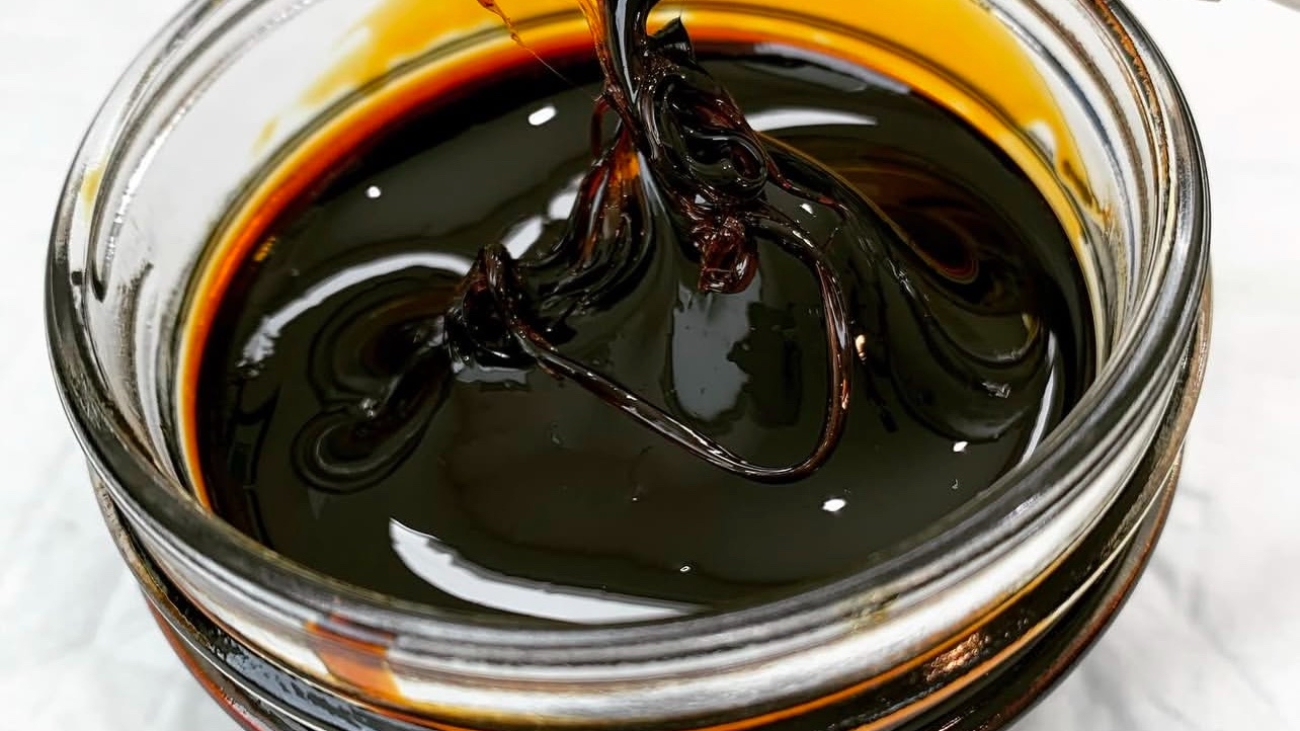
RSO is generally recognized by its thick consistency, dark appearance, and concentrated cannabinoid content.

Many traditional RSO preparations contain relatively high levels of THC, although their exact cannabinoid profiles depend on the cannabis source and extraction process.

RSO may contain several naturally occurring cannabis compounds, including:

  • THC (tetrahydrocannabinol).
  • CBD (cannabidiol).
  • Other minor cannabinoids.
  • Terpenes.
  • Other plant-derived compounds.

The combination and concentration of these compounds can vary between products.

It is also important to understand that RSO is not one standardized commercial product. Different manufacturers may use different production methods, ingredients, and formulations.

This explains why checking product labels, cannabinoid concentrations, and independent laboratory results is important when comparing different RSO products.

Understanding Different RSO Product Formats

One of the interesting developments in the cannabis market is the availability of different product formats containing Rick Simpson Oil.

Traditional RSO is commonly sold as a thick oil, but manufacturers may incorporate cannabis extracts into other preparations to make them easier to handle or suitable for different applications.

The most commonly discussed formats include:

  1. Traditional RSO oil.
  2. RSO syringes.
  3. RSO gummies and edibles.
  4. RSO capsules.
  5. RSO tinctures.
  6. RSO balms and topicals.
  7. RSO suppositories.

Each format has different characteristics, and consumers should understand that the products are not automatically interchangeable.

1. Traditional RSO Oil

<image-placeholder>Suggested image: Traditional dark Rick Simpson Oil in a small glass container.</image-placeholder>

Traditional RSO oil is the original format most commonly associated with Rick Simpson Oil.

It is typically a thick, concentrated extract with a dark brown or nearly black appearance.

Unlike many conventional cannabis oils, traditional RSO is known for its dense consistency and concentrated cannabinoid content.

Characteristics of Traditional RSO Oil

Some commonly discussed characteristics include:

  • Thick, sticky consistency.
  • Dark brown or black appearance.
  • Concentrated cannabis extract.
  • Potentially high THC content.
  • Variable cannabinoid and terpene profiles.

Traditional RSO oil is generally packaged in small containers or dispensing syringes.

The actual composition depends on the manufacturer and the extraction method.

Understanding Its Intended Use

Traditional RSO products may be labeled for specific applications, including oral consumption or topical use.

However, not every product is manufactured for every route of administration.

Consumers should always follow the product’s intended-use labeling rather than assuming that traditional RSO oil can be used in any manner.

RSO should not be assumed to be suitable for smoking or vaping. Products intended for inhalation require appropriate formulations and manufacturing standards.

2. RSO Syringes

<image-placeholder>Suggested image: A sealed RSO syringe containing concentrated cannabis oil.</image-placeholder>

RSO syringes are one of the most recognizable product formats.

They contain concentrated cannabis oil in a dispensing device that allows the thick extract to be released in controlled quantities.

The syringe format is popular because traditional RSO can be sticky and difficult to handle when packaged in ordinary containers.

Benefits of the Syringe Format

Some characteristics that make RSO syringes appealing include:

  • Convenient packaging.
  • Controlled dispensing.
  • Compact storage.
  • Less direct handling of sticky oil.
  • Clearer product identification when properly labeled.

However, a syringe does not automatically guarantee precise THC measurement.

The concentration of cannabinoids and the accuracy of dispensing depend on the product and packaging.

What Should Consumers Check?

Before choosing an RSO syringe, examine:

  • Total extract quantity.
  • THC concentration.
  • CBD concentration.
  • Laboratory testing.
  • Product ingredients.
  • Manufacturer instructions.

Remember that the total quantity of extract is not necessarily the same as the amount of THC.

For example, a product containing a certain number of milligrams of cannabis extract may contain a different amount of THC depending on its cannabinoid concentration.

Understanding this distinction is essential when comparing products.

3. RSO Gummies and Edibles

<image-placeholder>Suggested image: Cannabis-infused gummies in a clean product display.</image-placeholder>

RSO gummies and other edibles provide another way to incorporate Rick Simpson Oil into a food-based formulation.

These products combine cannabis extract with edible ingredients to create products that are generally easier to portion and consume than concentrated oil.

Depending on the manufacturer, RSO edibles may include:

  • Gummies.
  • Chocolates.
  • Chews.
  • Candies.
  • Other infused food products.

Why Are RSO Gummies Popular?

One reason people are interested in gummies is convenience.

Unlike thick concentrated oil, gummies have a familiar food-like format and may be manufactured with clearly labeled cannabinoid quantities per serving.

Other characteristics include:

Convenient portions: Products may contain individually labeled servings.

Different flavors: Gummies can be available in different flavors depending on the manufacturer.

Easy storage: Their packaging may be more familiar than traditional concentrated oil containers.

Discreet format: Gummies resemble other confectionery products, although they must remain clearly labeled and securely stored.

How Do RSO Gummies Differ From Traditional Oil?

The biggest difference is the product formulation.

Traditional RSO is a concentrated extract, while RSO gummies incorporate cannabis extract into an edible preparation.

Edibles are processed through the digestive system, meaning their effects can take longer to become noticeable than those of inhaled cannabis.

The timing and duration of effects can vary depending on the formulation, individual metabolism, and other factors.

Consumers should avoid taking additional servings simply because they do not immediately notice an effect.

RSO gummies may contain substantial amounts of THC, so checking the cannabinoid content per serving is particularly important.

4. RSO Capsules

<image-placeholder>Suggested image: Cannabis oil capsules displayed in a pharmaceutical-style container.</image-placeholder>

RSO capsules are another format designed to make concentrated cannabis extracts easier to handle.

They contain cannabis extract inside a capsule shell and may be manufactured with different cannabinoid concentrations.

Unlike traditional RSO syringes, capsules are generally sold in pre-measured units.

Characteristics of RSO Capsules

Common characteristics include:

  • Pre-measured product portions.
  • Convenient packaging.
  • No direct handling of concentrated oil.
  • Different cannabinoid formulations.
  • Easy-to-identify serving information when properly labeled.

Why Do Some Consumers Prefer Capsules?

Capsules can be appealing to people who dislike the taste or texture of traditional RSO.

They also eliminate the need to dispense thick oil manually.

However, consumers should not assume that all capsules have identical strengths.

One capsule may contain a different amount of total extract and THC from another product.

Always distinguish between the milligrams of RSO extract and the milligrams of THC listed on the packaging.

Capsules are generally intended to be swallowed unless the manufacturer specifically provides different instructions.

5. RSO Tinctures

<image-placeholder>Suggested image: A dark glass tincture bottle with a dropper containing cannabis oil.</image-placeholder>

RSO tinctures are liquid preparations containing cannabis extract.

They may use different carrier ingredients, including vegetable oils or other suitable liquid bases, depending on the formulation.

Tinctures are often packaged in small bottles with droppers, making them a recognizable alternative to traditional RSO syringes.

Characteristics of RSO Tinctures

Some commonly available features include:

  • Liquid formulation.
  • Dropper-style packaging.
  • Different cannabinoid concentrations.
  • Potentially different THC-to-CBD ratios.
  • Convenient packaging for labeled portions.

Sublingual and Oral Applications

Some cannabis tinctures are specifically formulated for sublingual use, meaning they are placed under the tongue according to the manufacturer’s instructions.

Other preparations are intended to be swallowed.

These routes can produce different absorption patterns.

Sublingual absorption depends on the formulation and the extent to which cannabinoids are absorbed through the tissues in the mouth.

Swallowed products pass through the digestive system and may have delayed effects.

Consumers should check whether a tincture is labeled for sublingual, oral, or another application.

6. RSO Balm and Topical Products

<image-placeholder>Suggested image: A small jar of cannabis-infused balm with natural botanical skin-care ingredients.</image-placeholder>

RSO balms, creams, lotions, and other topical products are designed for external application.

These preparations combine cannabis extract with ingredients that create a skin-compatible formulation.

Depending on the manufacturer, ingredients may include:

  • Shea butter.
  • Coconut oil.
  • Beeswax.
  • Olive oil.
  • Other carrier oils.
  • Botanical ingredients.

Why Are RSO Topicals Different?

Unlike oral RSO products, topical preparations are designed to be applied to the skin.

They are often discussed in connection with cosmetic applications, moisturizing routines, and localized skin-care products.

However, traditional topical products should not be confused with transdermal preparations.

Transdermal products are specifically formulated to deliver active ingredients through the skin and potentially into systemic circulation.

The effectiveness of cannabis topicals depends on their formulation, and scientific evidence supporting specific medical uses of RSO balm remains limited.

Important Topical Safety Considerations

Consumers should:

  • Check the complete ingredient list.
  • Follow external-use instructions.
  • Avoid applying products to broken skin.
  • Watch for irritation or allergic reactions.
  • Keep topical products away from children and pets.
  • Avoid assuming that a topical product is suitable for oral consumption.

7. RSO Suppositories

<image-placeholder>Suggested image: A neutral, medical-style illustration of a sealed suppository product package.</image-placeholder>

RSO suppositories are a specialized product format designed for rectal or, where specifically formulated and labeled, vaginal administration.

They are different from traditional oral oils, gummies, and capsules.

The ingredients and formulation are designed for a specific route of administration.

What Makes This Format Different?

Suppositories may appeal to people researching alternatives to swallowing cannabis products.

However, absorption and effects can vary depending on the formulation and administration route.

There is limited clinical evidence supporting specific therapeutic benefits of RSO suppositories.

These products should not be used interchangeably with oral preparations.

Consumers should seek medical advice before considering suppositories, particularly when they have existing medical conditions or are taking prescription medications.

RSO Product Formats Compared

The following comparison provides a simple overview of the major formats.

RSO FormatGeneral FormIntended Application
Traditional RSO oilThick concentrated extractDepends on product labeling
RSO syringeThick oil in dispensing packagingDepends on product labeling
RSO gummiesInfused edibleOral
RSO capsulesEncapsulated extractOral
RSO tincturesLiquid extractOral or sublingual, depending on labeling
RSO balmCream or thick topical preparationExternal application
RSO suppositoriesSpecialized solid preparationSpecific labeled route

The most important distinction is that product format influences how an extract is prepared and administered.

It does not automatically determine the product’s strength, effectiveness, or safety.

How to Choose the Right RSO Product Format

Choosing an RSO product requires considering more than packaging or convenience.

Consumers should understand what they are purchasing and whether the product is appropriate for their intended application.

Here are several important considerations.

1. Understand Your Product Preferences

Some people prefer traditional concentrated oil, while others find capsules or gummies easier to handle.

The preferred format depends on individual circumstances and product availability.

2. Examine Cannabinoid Concentrations

Check the amount of THC and CBD rather than relying solely on the total weight of the product.

This information is particularly important when comparing concentrated extracts with edible products.

3. Look for Independent Laboratory Testing

A certificate of analysis can help verify cannabinoid concentrations and identify potential contaminants.

Look for batch-specific documentation where available.

4. Check Product Ingredients

This is particularly important for gummies, capsules, tinctures, and topicals.

Some products may contain added sugars, flavorings, preservatives, oils, or other ingredients that may not be suitable for everyone.

5. Follow the Intended Route of Administration

Never assume that an RSO product can be used in multiple ways.

A topical balm should not be swallowed, and an oral concentrate should not automatically be used for inhalation.

6. Consider Legal Requirements

Cannabis product regulations differ between locations.

Consumers should understand applicable local laws regarding THC-containing products, possession, purchase, and use.

Safety Considerations When Using RSO Products

Although RSO products are available in different formats, they can share important safety considerations, particularly when they contain THC.

Potential adverse effects include:

  • Dizziness.
  • Anxiety.
  • Confusion.
  • Dry mouth.
  • Increased heart rate.
  • Impaired coordination.
  • Drowsiness.
  • Paranoia.
  • Nausea.

The likelihood of these effects depends on cannabinoid concentration, product formulation, individual tolerance, and route of administration.

Avoid Unverified Dosage Recommendations

There is no universally established RSO dosage suitable for everyone.

A product containing concentrated THC can produce significant effects, particularly in people with limited cannabis experience.

Consumers should follow the manufacturer’s labeling and seek professional guidance when considering cannabis products for medical purposes.

Be Careful With Medication Interactions

Cannabinoids may interact with prescription medications.

People taking blood thinners, sedatives, seizure medications, immunosuppressants, or other prescription drugs should discuss potential interactions with a pharmacist or healthcare professional.

Store Products Responsibly

RSO products should be stored securely in their original packaging.

Keep THC-containing products away from children and pets, particularly gummies and other edible preparations that may resemble ordinary food.

Can All RSO Products Be Used in the Same Way?

No. This is one of the most important things to understand when exploring different RSO product formats.

Although these products may contain similar cannabis extracts, their formulations are designed for different applications.

For example:

  • Gummies are manufactured as edible products.
  • Capsules are designed to be swallowed.
  • Tinctures may be intended for oral or sublingual use.
  • Balms are designed for external application.
  • Suppositories are designed for specific administration routes.
  • Traditional oil products must be used according to their individual labeling.

Using a product in a way that differs from its intended application may create unnecessary risks.

Always read the manufacturer’s directions and avoid assuming that products with the same RSO label are interchangeable.

The Future of RSO Product Formats

As interest in cannabis extracts develops, manufacturers continue exploring different product formulations.

Consumer interest in convenience, consistency, and transparent product information has encouraged the development of additional cannabis product categories.

Future developments may focus on:

  • More consistent cannabinoid concentrations.
  • Improved product labeling.
  • Better manufacturing standards.
  • More transparent laboratory testing.
  • Different THC and CBD formulations.
  • Convenient packaging.
  • Improved product stability.

Scientific research will also be important for determining which formulations have meaningful applications and which claims are supported by human clinical evidence.

Greater transparency can help consumers make better-informed decisions when comparing different RSO products.

Frequently Asked Questions About RSO Product Formats and Usage

1. What are the most common RSO product formats?

Common formats include traditional RSO oil, syringes, gummies, capsules, tinctures, topical balms, and suppositories. Availability varies depending on the manufacturer and local regulations.

2. Are RSO gummies the same as traditional RSO oil?

No. Traditional RSO is a concentrated cannabis extract, while RSO gummies incorporate cannabis extract into an edible formulation. Their ingredients, cannabinoid concentrations, and intended applications may differ.

3. Are RSO capsules easier to use than syringes?

Capsules offer pre-measured portions and do not require direct handling of thick oil. Syringes provide a dispensing format for concentrated extracts, but accurate cannabinoid measurement depends on product labeling and packaging.

4. Can RSO tinctures be taken under the tongue?

Some tinctures are specifically formulated for sublingual application, while others are intended to be swallowed. Always check the manufacturer’s instructions before using a tincture.

5. Can RSO balm be used like ordinary skin cream?

RSO balm is designed for external application when labeled as a topical product. However, its ingredients and cannabinoid concentration differ from ordinary skin-care creams. Follow the product instructions and check for potential skin irritants.

6. Can RSO be smoked or vaped?

Traditional RSO is not generally manufactured for inhalation. Its formulation may contain residual plant compounds or ingredients unsuitable for the lungs. Only use products specifically manufactured and labeled for an appropriate inhalation method.

7. Do all RSO products contain THC?

Many traditional RSO products contain THC, sometimes in substantial concentrations. However, cannabinoid profiles vary. Check the product label and independent laboratory results to understand the actual composition.

8. Which RSO format is strongest?

There is no single format that is automatically the strongest. Potency depends on the amount and concentration of THC and other cannabinoids, not simply whether the product is an oil, gummy, capsule, or tincture.

9. Are RSO products approved to treat cancer?

RSO has not been established as an effective cancer treatment through adequate clinical trials and is not an FDA-approved cancer treatment. It should never replace established cancer care.

Final Thoughts: Understanding RSO Product Formats and Usage

Understanding RSO product formats and usage is an important part of learning about concentrated cannabis extracts.

From traditional thick RSO oil and convenient syringes to gummies, capsules, tinctures, balms, and suppositories, each format has different characteristics and intended applications.

The most important thing is to recognize that different product formats are not automatically interchangeable. Their cannabinoid concentrations, ingredients, absorption characteristics, and potential effects can vary considerably.

Before choosing an RSO product, examine its labeling, understand its intended application, look for independent laboratory testing, and consider potential health risks and medication interactions.

Most importantly, avoid relying on exaggerated medical claims or treating RSO products as proven cures for serious diseases.

Explore RSO Products at RSO Healing Hub

Interested in learning more about Rick Simpson Oil and the different cannabis product formats available?

Visit RSO Healing Hub for additional educational resources and product information.

SHOP RSO PRODUCTS NOW – RSO HEALING HUB

For more cannabis-related educational discussions and information, visit Psychedelics World.

Have you explored different RSO product formats? Share your questions, thoughts, and experiences in the comments to encourage an informed discussion.

RSO Product Formats and Usage

RSO Product Formats and Usage: A Complete Guide to Oils, Gummies, Capsules, Tinctures, and Topicals

RSO Product Formats and Usage: A Complete Guide to Oils, Gummies, Capsules, Tinctures, and Topicals

Rick Simpson Oil (RSO) has become an increasingly popular topic among people interested in concentrated cannabis extracts and their different product applications. Originally associated with a thick, highly concentrated cannabis oil, RSO is now discussed in several product formats, including syringes, gummies, capsules, tinctures, and topical preparations.

As interest in cannabis products continues to grow, understanding RSO product formats and usage can help consumers make more informed decisions about product characteristics, intended applications, cannabinoid concentrations, and safety considerations.

Not all RSO products are created in the same way. Some contain concentrated cannabis extract in its traditional oil form, while others incorporate RSO into convenient formats designed for different applications.

If you are interested in exploring Rick Simpson Oil products and learning more about cannabis extracts, visit RSO Healing Hub for additional product information and educational resources.

SHOP RSO PRODUCTS AT RSO HEALING HUB

Whether you are researching traditional RSO oil, exploring RSO gummies, or comparing topical applications with oral products, understanding the differences between these formats is essential.

In this guide, we examine the most common RSO product formats, how they differ, their intended applications, important safety considerations, and what consumers should know before choosing a product.

What Is Rick Simpson Oil (RSO)?

Rick Simpson Oil is a concentrated cannabis extract associated with Rick Simpson, who popularized its use through personal accounts and discussions about cannabis-based wellness.

RSO is generally recognized by its thick consistency, dark appearance, and concentrated cannabinoid content.

Many traditional RSO preparations contain relatively high levels of THC, although their exact cannabinoid profiles depend on the cannabis source and extraction process.

RSO may contain several naturally occurring cannabis compounds, including:

  • THC (tetrahydrocannabinol).
  • CBD (cannabidiol).
  • Other minor cannabinoids.
  • Terpenes.
  • Other plant-derived compounds.

The combination and concentration of these compounds can vary between products.

It is also important to understand that RSO is not one standardized commercial product. Different manufacturers may use different production methods, ingredients, and formulations.

This explains why checking product labels, cannabinoid concentrations, and independent laboratory results is important when comparing different RSO products.

Understanding Different RSO Product Formats

One of the interesting developments in the cannabis market is the availability of different product formats containing Rick Simpson Oil.

Traditional RSO is commonly sold as a thick oil, but manufacturers may incorporate cannabis extracts into other preparations to make them easier to handle or suitable for different applications.

The most commonly discussed formats include:

  1. Traditional RSO oil.
  2. RSO syringes.
  3. RSO gummies and edibles.
  4. RSO capsules.
  5. RSO tinctures.
  6. RSO balms and topicals.
  7. RSO suppositories.

Each format has different characteristics, and consumers should understand that the products are not automatically interchangeable.

1. Traditional RSO Oil

<image-placeholder>Suggested image: Traditional dark Rick Simpson Oil in a small glass container.</image-placeholder>

Traditional RSO oil is the original format most commonly associated with Rick Simpson Oil.

It is typically a thick, concentrated extract with a dark brown or nearly black appearance.

Unlike many conventional cannabis oils, traditional RSO is known for its dense consistency and concentrated cannabinoid content.

Characteristics of Traditional RSO Oil

Some commonly discussed characteristics include:

  • Thick, sticky consistency.
  • Dark brown or black appearance.
  • Concentrated cannabis extract.
  • Potentially high THC content.
  • Variable cannabinoid and terpene profiles.

Traditional RSO oil is generally packaged in small containers or dispensing syringes.

The actual composition depends on the manufacturer and the extraction method.

Understanding Its Intended Use

Traditional RSO products may be labeled for specific applications, including oral consumption or topical use.

However, not every product is manufactured for every route of administration.

Consumers should always follow the product’s intended-use labeling rather than assuming that traditional RSO oil can be used in any manner.

RSO should not be assumed to be suitable for smoking or vaping. Products intended for inhalation require appropriate formulations and manufacturing standards.

2. RSO Syringes

<image-placeholder>Suggested image: A sealed RSO syringe containing concentrated cannabis oil.</image-placeholder>

RSO syringes are one of the most recognizable product formats.

They contain concentrated cannabis oil in a dispensing device that allows the thick extract to be released in controlled quantities.

The syringe format is popular because traditional RSO can be sticky and difficult to handle when packaged in ordinary containers.

Benefits of the Syringe Format

Some characteristics that make RSO syringes appealing include:

  • Convenient packaging.
  • Controlled dispensing.
  • Compact storage.
  • Less direct handling of sticky oil.
  • Clearer product identification when properly labeled.

However, a syringe does not automatically guarantee precise THC measurement.

The concentration of cannabinoids and the accuracy of dispensing depend on the product and packaging.

What Should Consumers Check?

Before choosing an RSO syringe, examine:

  • Total extract quantity.
  • THC concentration.
  • CBD concentration.
  • Laboratory testing.
  • Product ingredients.
  • Manufacturer instructions.

Remember that the total quantity of extract is not necessarily the same as the amount of THC.

For example, a product containing a certain number of milligrams of cannabis extract may contain a different amount of THC depending on its cannabinoid concentration.

Understanding this distinction is essential when comparing products.

3. RSO Gummies and Edibles

<image-placeholder>Suggested image: Cannabis-infused gummies in a clean product display.</image-placeholder>

RSO gummies and other edibles provide another way to incorporate Rick Simpson Oil into a food-based formulation.

These products combine cannabis extract with edible ingredients to create products that are generally easier to portion and consume than concentrated oil.

Depending on the manufacturer, RSO edibles may include:

  • Gummies.
  • Chocolates.
  • Chews.
  • Candies.
  • Other infused food products.

Why Are RSO Gummies Popular?

One reason people are interested in gummies is convenience.

Unlike thick concentrated oil, gummies have a familiar food-like format and may be manufactured with clearly labeled cannabinoid quantities per serving.

Other characteristics include:

Convenient portions: Products may contain individually labeled servings.

Different flavors: Gummies can be available in different flavors depending on the manufacturer.

Easy storage: Their packaging may be more familiar than traditional concentrated oil containers.

Discreet format: Gummies resemble other confectionery products, although they must remain clearly labeled and securely stored.

How Do RSO Gummies Differ From Traditional Oil?

The biggest difference is the product formulation.

Traditional RSO is a concentrated extract, while RSO gummies incorporate cannabis extract into an edible preparation.

Edibles are processed through the digestive system, meaning their effects can take longer to become noticeable than those of inhaled cannabis.

The timing and duration of effects can vary depending on the formulation, individual metabolism, and other factors.

Consumers should avoid taking additional servings simply because they do not immediately notice an effect.

RSO gummies may contain substantial amounts of THC, so checking the cannabinoid content per serving is particularly important.

4. RSO Capsules

<image-placeholder>Suggested image: Cannabis oil capsules displayed in a pharmaceutical-style container.</image-placeholder>

RSO capsules are another format designed to make concentrated cannabis extracts easier to handle.

They contain cannabis extract inside a capsule shell and may be manufactured with different cannabinoid concentrations.

Unlike traditional RSO syringes, capsules are generally sold in pre-measured units.

Characteristics of RSO Capsules

Common characteristics include:

  • Pre-measured product portions.
  • Convenient packaging.
  • No direct handling of concentrated oil.
  • Different cannabinoid formulations.
  • Easy-to-identify serving information when properly labeled.

Why Do Some Consumers Prefer Capsules?

Capsules can be appealing to people who dislike the taste or texture of traditional RSO.

They also eliminate the need to dispense thick oil manually.

However, consumers should not assume that all capsules have identical strengths.

One capsule may contain a different amount of total extract and THC from another product.

Always distinguish between the milligrams of RSO extract and the milligrams of THC listed on the packaging.

Capsules are generally intended to be swallowed unless the manufacturer specifically provides different instructions.

5. RSO Tinctures

<image-placeholder>Suggested image: A dark glass tincture bottle with a dropper containing cannabis oil.</image-placeholder>

RSO tinctures are liquid preparations containing cannabis extract.

They may use different carrier ingredients, including vegetable oils or other suitable liquid bases, depending on the formulation.

Tinctures are often packaged in small bottles with droppers, making them a recognizable alternative to traditional RSO syringes.

Characteristics of RSO Tinctures

Some commonly available features include:

  • Liquid formulation.
  • Dropper-style packaging.
  • Different cannabinoid concentrations.
  • Potentially different THC-to-CBD ratios.
  • Convenient packaging for labeled portions.

Sublingual and Oral Applications

Some cannabis tinctures are specifically formulated for sublingual use, meaning they are placed under the tongue according to the manufacturer’s instructions.

Other preparations are intended to be swallowed.

These routes can produce different absorption patterns.

Sublingual absorption depends on the formulation and the extent to which cannabinoids are absorbed through the tissues in the mouth.

Swallowed products pass through the digestive system and may have delayed effects.

Consumers should check whether a tincture is labeled for sublingual, oral, or another application.

6. RSO Balm and Topical Products

<image-placeholder>Suggested image: A small jar of cannabis-infused balm with natural botanical skin-care ingredients.</image-placeholder>

RSO balms, creams, lotions, and other topical products are designed for external application.

These preparations combine cannabis extract with ingredients that create a skin-compatible formulation.

Depending on the manufacturer, ingredients may include:

  • Shea butter.
  • Coconut oil.
  • Beeswax.
  • Olive oil.
  • Other carrier oils.
  • Botanical ingredients.

Why Are RSO Topicals Different?

Unlike oral RSO products, topical preparations are designed to be applied to the skin.

They are often discussed in connection with cosmetic applications, moisturizing routines, and localized skin-care products.

However, traditional topical products should not be confused with transdermal preparations.

Transdermal products are specifically formulated to deliver active ingredients through the skin and potentially into systemic circulation.

The effectiveness of cannabis topicals depends on their formulation, and scientific evidence supporting specific medical uses of RSO balm remains limited.

Important Topical Safety Considerations

Consumers should:

  • Check the complete ingredient list.
  • Follow external-use instructions.
  • Avoid applying products to broken skin.
  • Watch for irritation or allergic reactions.
  • Keep topical products away from children and pets.
  • Avoid assuming that a topical product is suitable for oral consumption.

7. RSO Suppositories

<image-placeholder>Suggested image: A neutral, medical-style illustration of a sealed suppository product package.</image-placeholder>

RSO suppositories are a specialized product format designed for rectal or, where specifically formulated and labeled, vaginal administration.

They are different from traditional oral oils, gummies, and capsules.

The ingredients and formulation are designed for a specific route of administration.

What Makes This Format Different?

Suppositories may appeal to people researching alternatives to swallowing cannabis products.

However, absorption and effects can vary depending on the formulation and administration route.

There is limited clinical evidence supporting specific therapeutic benefits of RSO suppositories.

These products should not be used interchangeably with oral preparations.

Consumers should seek medical advice before considering suppositories, particularly when they have existing medical conditions or are taking prescription medications.

RSO Product Formats Compared

The following comparison provides a simple overview of the major formats.

RSO FormatGeneral FormIntended Application
Traditional RSO oilThick concentrated extractDepends on product labeling
RSO syringeThick oil in dispensing packagingDepends on product labeling
RSO gummiesInfused edibleOral
RSO capsulesEncapsulated extractOral
RSO tincturesLiquid extractOral or sublingual, depending on labeling
RSO balmCream or thick topical preparationExternal application
RSO suppositoriesSpecialized solid preparationSpecific labeled route

The most important distinction is that product format influences how an extract is prepared and administered.

It does not automatically determine the product’s strength, effectiveness, or safety.

How to Choose the Right RSO Product Format

Choosing an RSO product requires considering more than packaging or convenience.

Consumers should understand what they are purchasing and whether the product is appropriate for their intended application.

Here are several important considerations.

1. Understand Your Product Preferences

Some people prefer traditional concentrated oil, while others find capsules or gummies easier to handle.

The preferred format depends on individual circumstances and product availability.

2. Examine Cannabinoid Concentrations

Check the amount of THC and CBD rather than relying solely on the total weight of the product.

This information is particularly important when comparing concentrated extracts with edible products.

3. Look for Independent Laboratory Testing

A certificate of analysis can help verify cannabinoid concentrations and identify potential contaminants.

Look for batch-specific documentation where available.

4. Check Product Ingredients

This is particularly important for gummies, capsules, tinctures, and topicals.

Some products may contain added sugars, flavorings, preservatives, oils, or other ingredients that may not be suitable for everyone.

5. Follow the Intended Route of Administration

Never assume that an RSO product can be used in multiple ways.

A topical balm should not be swallowed, and an oral concentrate should not automatically be used for inhalation.

6. Consider Legal Requirements

Cannabis product regulations differ between locations.

Consumers should understand applicable local laws regarding THC-containing products, possession, purchase, and use.

Safety Considerations When Using RSO Products

Although RSO products are available in different formats, they can share important safety considerations, particularly when they contain THC.

Potential adverse effects include:

  • Dizziness.
  • Anxiety.
  • Confusion.
  • Dry mouth.
  • Increased heart rate.
  • Impaired coordination.
  • Drowsiness.
  • Paranoia.
  • Nausea.

The likelihood of these effects depends on cannabinoid concentration, product formulation, individual tolerance, and route of administration.

Avoid Unverified Dosage Recommendations

There is no universally established RSO dosage suitable for everyone.

A product containing concentrated THC can produce significant effects, particularly in people with limited cannabis experience.

Consumers should follow the manufacturer’s labeling and seek professional guidance when considering cannabis products for medical purposes.

Be Careful With Medication Interactions

Cannabinoids may interact with prescription medications.

People taking blood thinners, sedatives, seizure medications, immunosuppressants, or other prescription drugs should discuss potential interactions with a pharmacist or healthcare professional.

Store Products Responsibly

RSO products should be stored securely in their original packaging.

Keep THC-containing products away from children and pets, particularly gummies and other edible preparations that may resemble ordinary food.

Can All RSO Products Be Used in the Same Way?

No. This is one of the most important things to understand when exploring different RSO product formats.

Although these products may contain similar cannabis extracts, their formulations are designed for different applications.

For example:

  • Gummies are manufactured as edible products.
  • Capsules are designed to be swallowed.
  • Tinctures may be intended for oral or sublingual use.
  • Balms are designed for external application.
  • Suppositories are designed for specific administration routes.
  • Traditional oil products must be used according to their individual labeling.

Using a product in a way that differs from its intended application may create unnecessary risks.

Always read the manufacturer’s directions and avoid assuming that products with the same RSO label are interchangeable.

The Future of RSO Product Formats

As interest in cannabis extracts develops, manufacturers continue exploring different product formulations.

Consumer interest in convenience, consistency, and transparent product information has encouraged the development of additional cannabis product categories.

Future developments may focus on:

  • More consistent cannabinoid concentrations.
  • Improved product labeling.
  • Better manufacturing standards.
  • More transparent laboratory testing.
  • Different THC and CBD formulations.
  • Convenient packaging.
  • Improved product stability.

Scientific research will also be important for determining which formulations have meaningful applications and which claims are supported by human clinical evidence.

Greater transparency can help consumers make better-informed decisions when comparing different RSO products.

Frequently Asked Questions About RSO Product Formats and Usage

1. What are the most common RSO product formats?

Common formats include traditional RSO oil, syringes, gummies, capsules, tinctures, topical balms, and suppositories. Availability varies depending on the manufacturer and local regulations.

2. Are RSO gummies the same as traditional RSO oil?

No. Traditional RSO is a concentrated cannabis extract, while RSO gummies incorporate cannabis extract into an edible formulation. Their ingredients, cannabinoid concentrations, and intended applications may differ.

3. Are RSO capsules easier to use than syringes?

Capsules offer pre-measured portions and do not require direct handling of thick oil. Syringes provide a dispensing format for concentrated extracts, but accurate cannabinoid measurement depends on product labeling and packaging.

4. Can RSO tinctures be taken under the tongue?

Some tinctures are specifically formulated for sublingual application, while others are intended to be swallowed. Always check the manufacturer’s instructions before using a tincture.

5. Can RSO balm be used like ordinary skin cream?

RSO balm is designed for external application when labeled as a topical product. However, its ingredients and cannabinoid concentration differ from ordinary skin-care creams. Follow the product instructions and check for potential skin irritants.

6. Can RSO be smoked or vaped?

Traditional RSO is not generally manufactured for inhalation. Its formulation may contain residual plant compounds or ingredients unsuitable for the lungs. Only use products specifically manufactured and labeled for an appropriate inhalation method.

7. Do all RSO products contain THC?

Many traditional RSO products contain THC, sometimes in substantial concentrations. However, cannabinoid profiles vary. Check the product label and independent laboratory results to understand the actual composition.

8. Which RSO format is strongest?

There is no single format that is automatically the strongest. Potency depends on the amount and concentration of THC and other cannabinoids, not simply whether the product is an oil, gummy, capsule, or tincture.

9. Are RSO products approved to treat cancer?

RSO has not been established as an effective cancer treatment through adequate clinical trials and is not an FDA-approved cancer treatment. It should never replace established cancer care.

Final Thoughts: Understanding RSO Product Formats and Usage

Understanding RSO product formats and usage is an important part of learning about concentrated cannabis extracts.

From traditional thick RSO oil and convenient syringes to gummies, capsules, tinctures, balms, and suppositories, each format has different characteristics and intended applications.

The most important thing is to recognize that different product formats are not automatically interchangeable. Their cannabinoid concentrations, ingredients, absorption characteristics, and potential effects can vary considerably.

Before choosing an RSO product, examine its labeling, understand its intended application, look for independent laboratory testing, and consider potential health risks and medication interactions.

Most importantly, avoid relying on exaggerated medical claims or treating RSO products as proven cures for serious diseases.

Explore RSO Products at RSO Healing Hub

Interested in learning more about Rick Simpson Oil and the different cannabis product formats available?

Visit RSO Healing Hub for additional educational resources and product information.

SHOP RSO PRODUCTS NOW – RSO HEALING HUB

For more cannabis-related educational discussions and information, visit Psychedelics World.

Have you explored different RSO product formats? Share your questions, thoughts, and experiences in the comments to encourage an informed discussion.