
 Cart is empty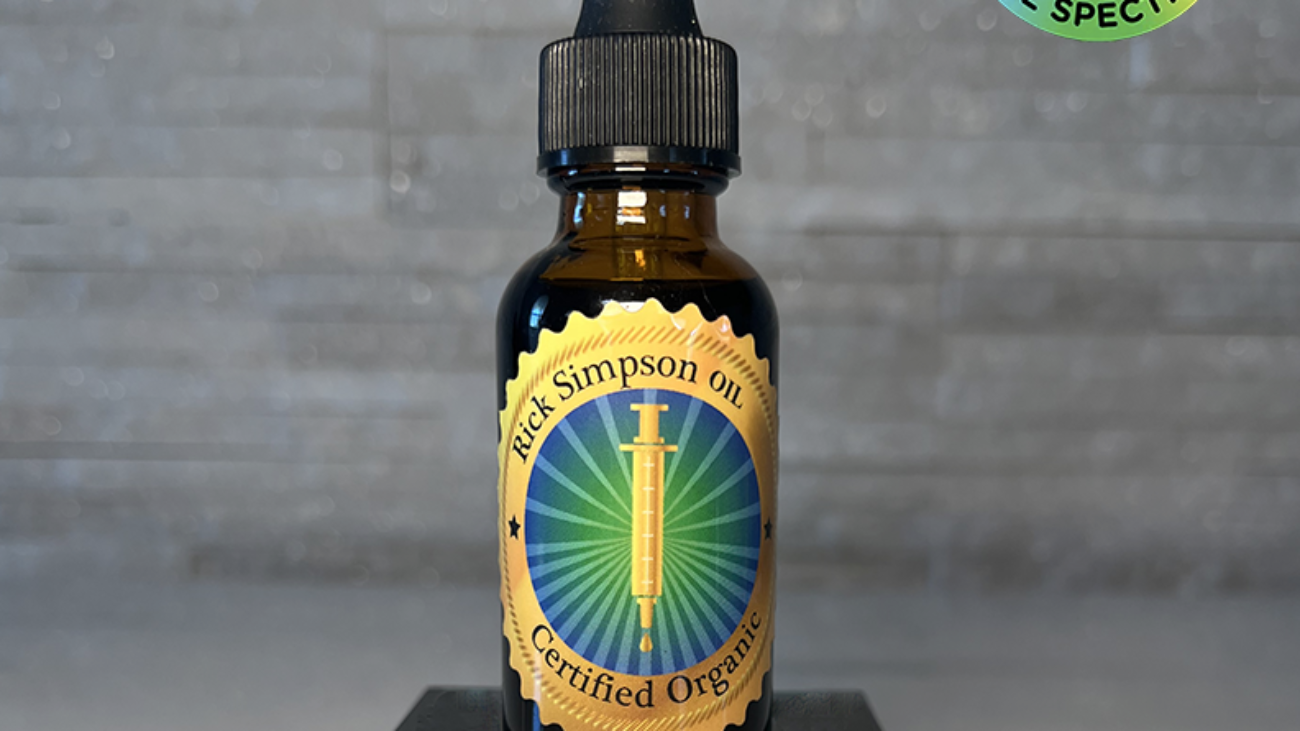
Introduction
Chemotherapy is one of the most effective cancer treatments available, yet it often comes with challenging side effects that can significantly impact daily life. Nausea, pain, appetite loss, and fatigue are among the most commonly reported issues, sometimes persisting long after treatment sessions. As a result, many patients look for complementary options to help improve comfort and quality of life. One option that has gained widespread attention is RSO oil for chemotherapy side effects.
Rick Simpson Oil (RSO) is a full-spectrum cannabis extract that some patients use alongside standard medical care. While it is not a medical treatment or cure, many individuals report using it to support symptom management during chemotherapy. This article explores how patients commonly use RSO oil, what symptoms it’s most often associated with, and why interest in this option continues to grow.
This content is educational only and does not replace medical advice or cancer treatment.
Understanding Chemotherapy Side Effects
Chemotherapy targets rapidly dividing cancer cells, but it can also affect healthy cells in the body. This is why side effects vary in type and intensity from person to person.
Common Chemotherapy Side Effects
- Persistent nausea and vomiting
- Chronic or acute pain
- Loss of appetite and weight
- Extreme fatigue and weakness
- Sleep disruption
These symptoms can interfere with nutrition, emotional well-being, and overall resilience during treatment.
Why Patients Explore RSO Oil for Chemotherapy Side Effects
Patients often turn to complementary approaches when standard medications do not fully relieve symptoms or cause additional discomfort.
Common Reasons Patients Consider RSO Oil
- Desire for plant-based support
- Difficulty tolerating multiple medications
- Interest in holistic symptom management
- Personal or community recommendations
The conversation around RSO oil for chemotherapy side effects centers on comfort and daily functioning rather than disease treatment.
What Is RSO Oil?
RSO oil is a highly concentrated, full-spectrum cannabis extract known for its thick texture and strong cannabinoid profile. It contains a range of cannabinoids and plant compounds rather than isolated components.
Key Characteristics of RSO Oil
- Full-spectrum formulation
- High cannabinoid concentration
- Thick, tar-like consistency
- Used orally, topically, or via suppositories
Its potency is why many users emphasize starting with very small amounts.
Managing Chemotherapy-Related Nausea
Nausea is one of the most distressing chemotherapy side effects and can make eating or drinking difficult.
Why Patients Use RSO Oil for Nausea
- Support appetite and food tolerance
- Reduce persistent queasiness
- Improve ability to keep meals down
Some patients report that small, consistent amounts of RSO oil fit better into their routine than oral medications alone.
RSO Oil and Pain Management During Chemotherapy
Pain during chemotherapy can result from inflammation, nerve sensitivity, or the cancer itself.
Patient-Reported Reasons for Using RSO Oil
- Support physical comfort
- Reduce reliance on multiple pain medications
- Improve sleep affected by discomfort
Pain management is highly individual, and patients emphasize gradual adjustments rather than immediate relief.
Addressing Appetite Loss and Weight Changes
Loss of appetite can lead to nutritional deficiencies and weakness during chemotherapy.
How Patients Say RSO Oil Helps Appetite
- Encourages hunger cues
- Makes food more appealing
- Supports regular eating schedules
Maintaining nutrition is often cited as one of the most important goals during treatment.
Fatigue and Energy Depletion During Chemotherapy
Chemotherapy-related fatigue is different from normal tiredness—it often doesn’t improve with rest.
Why Fatigue Drives Interest in RSO Oil
- Support for deeper rest and sleep
- Improved nighttime recovery
- Better daily rhythm for some patients
Some individuals report that improved sleep quality leads to better daytime energy.
How Patients Commonly Use RSO Oil During Chemotherapy
There is no standardized or medically approved protocol for RSO oil use. However, patient discussions reveal recurring themes.
Common Usage Principles (Experience-Based)
- Start with very small amounts
- Increase gradually over time
- Use consistently rather than sporadically
- Monitor both physical and mental responses
Many patients emphasize patience and listening to their body.
Different Ways Patients Use RSO Oil
RSO oil can be used in different ways depending on tolerance and symptom focus.
Reported Methods
- Oral ingestion (tiny amounts)
- Suppositories for reduced psychoactivity
- Topical use for localized discomfort
Delivery method can significantly affect experience and comfort.
Why Some Patients Prefer RSO Over Other Cannabis Products
RSO oil differs from many commercial cannabis products.
Commonly Reported Preferences
- Full-spectrum composition
- Stronger, longer-lasting effects
- Fewer additives or flavorings
- Focus on whole-plant use
For some, RSO feels more aligned with supportive care routines.
Safety Considerations During Chemotherapy
Using any complementary approach during chemotherapy requires caution.
Important Safety Factors
- Possible interactions with medications
- Sensitivity due to weakened immune systems
- Liver metabolism considerations
- Product quality and consistency
Medical guidance is essential before adding RSO oil to a chemotherapy routine.
What RSO Oil Does NOT Do
Clear expectations are critical.
Important Clarifications
- RSO oil does not cure cancer
- It does not replace chemotherapy
- It is not a guaranteed solution
- Effects vary widely between individuals
Responsible use focuses on symptom comfort only.
The Importance of Quality and Education
Because RSO oil is highly concentrated, sourcing matters.
Patients often look for:
- Transparent information
- Clean extraction processes
- Educational support
- Consistent formulation
This helps reduce unnecessary risks during treatment.
Learning More About RSO Oil
For individuals seeking educational resources and responsibly produced RSO oil, RSO Healing Hub provides focused information and product access.
👉 Shop RSO Oil at RSO Healing Hub
(Used exactly as your internal link and shop button, with no additional links.)
RSO Oil and Broader Wellness Exploration
Many patients managing chemotherapy side effects also explore broader natural wellness education as part of their coping strategy.
Some individuals explore informational platforms like magicmushroomstore.us as part of a wider interest in plant-based wellness discussions.
👉 Visit: https://magicmushroomstore.us/
(External link used exactly as provided.)
Frequently Asked Questions About RSO Oil for Chemotherapy Side Effects
Can RSO oil replace anti-nausea medication?
No. It should not replace prescribed medications without medical guidance.
Does RSO oil work for everyone?
No. Experiences vary widely based on individual tolerance and usage.
Is RSO oil safe during chemotherapy?
Safety depends on dosage, quality, and medical oversight.
Why Ongoing Research and Patient Education Matter
The growing use of RSO oil for chemotherapy side effects highlights the need for:
- Clinical research
- Standardized guidelines
- Honest patient education
- Open doctor-patient conversations
Until then, informed and cautious use remains essential.
Final Thoughts: Comfort, Support, and Informed Choice
Chemotherapy is physically and emotionally demanding. The interest in RSO oil reflects patients’ desire for additional comfort, control, and quality of life during treatment. While not a medical solution, RSO oil may play a supportive role for some individuals when used responsibly and with professional awareness.
Education, realistic expectations, and quality sourcing are the foundation of safe exploration.