 Cart is empty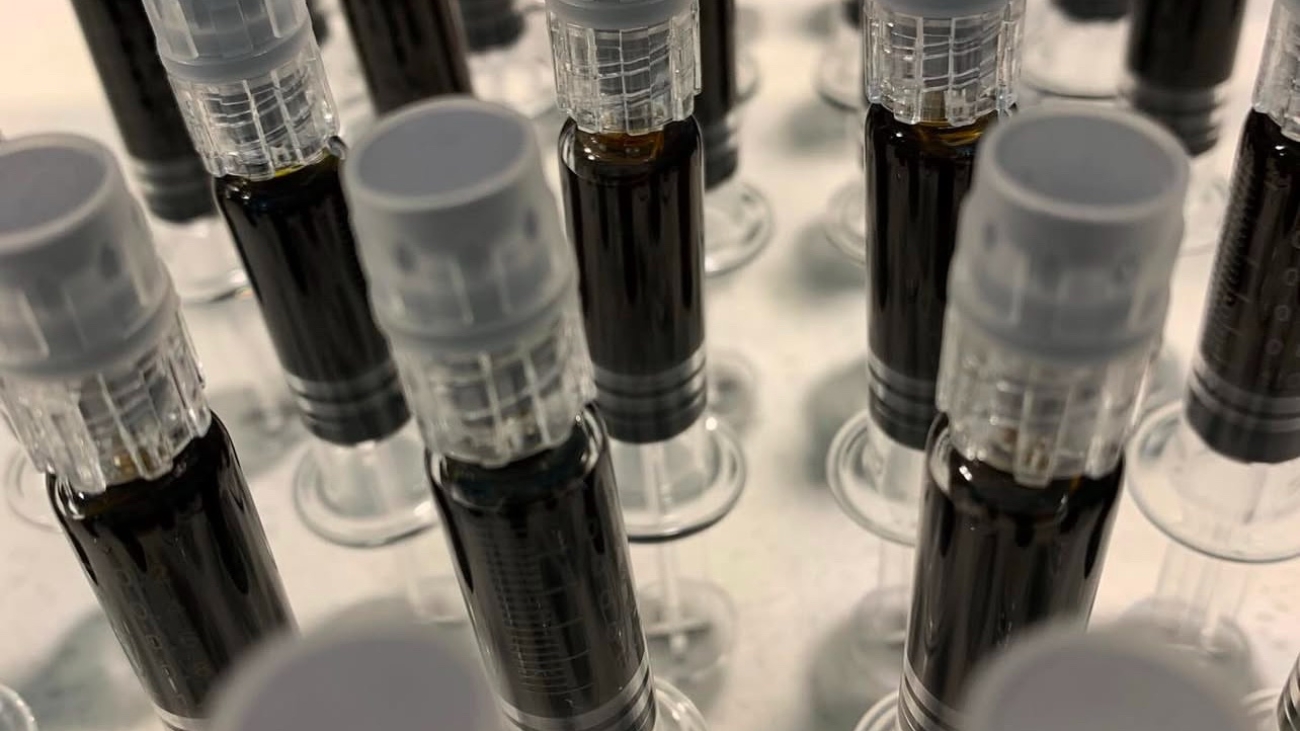
Introduction
When people research FECO vs RSO for cancer support, they’re usually looking for full-spectrum cannabis oil options that are potent, clean, and easier to dose — ideally with lab-tested, solvent-free profiles. Both oils come from the cannabis plant and carry cannabinoids, terpenes, and natural compounds, but their extraction methods, consistency, cannabinoid strength, and safety profiles can differ.
In this comprehensive guide, we’ll explore:
- What FECO and RSO are
- How they’re made
- Safety and effectiveness considerations
- Pros and cons of each
- How to choose quality products
- User experiences and practical guidance
Important note: This article is for educational purposes only and is not medical advice. Consult a qualified healthcare provider before starting any cannabis-based therapy.
What Is RSO?
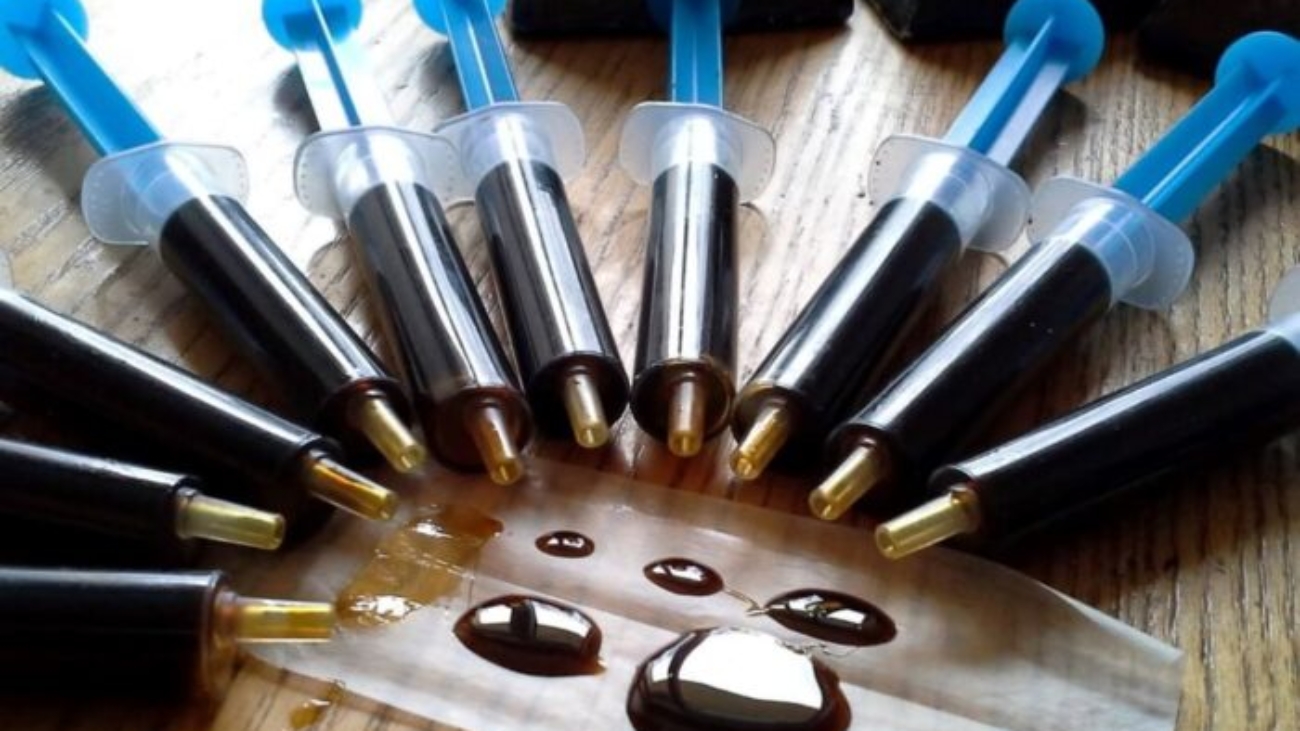
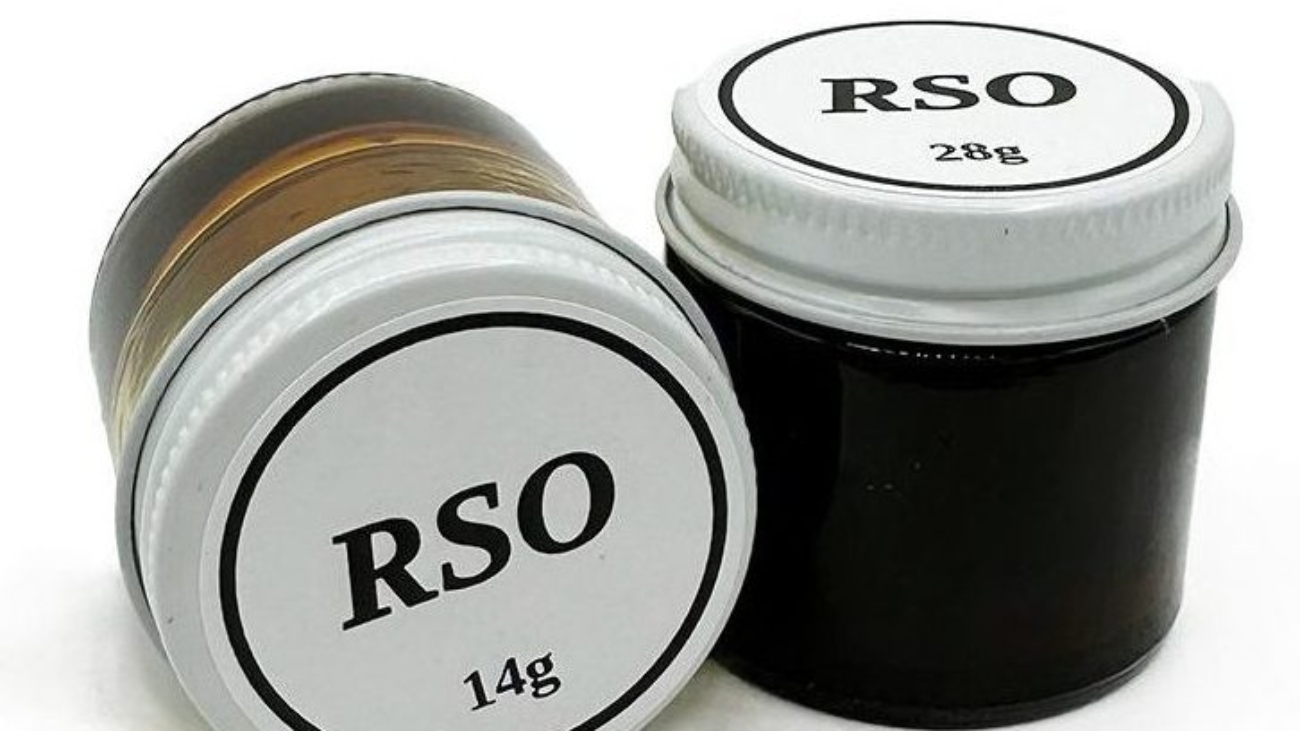
RSO (Rick Simpson Oil) is a highly concentrated full-spectrum cannabis extract named after Rick Simpson, who popularized it for wellness conversations. RSO typically contains high levels of THC along with other cannabinoids, terpenes, and plant compounds.
RSO’s main attributes include:
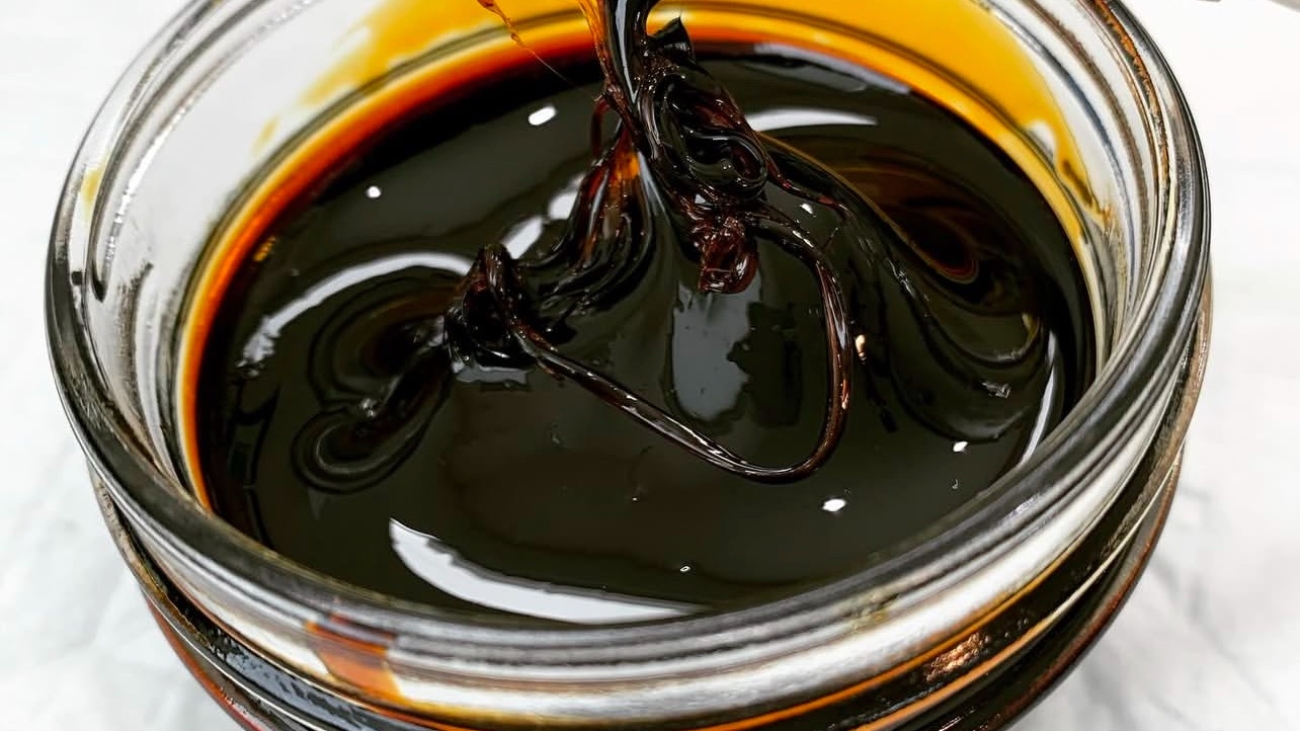
- Thick, syrupy consistency
- High THC content
- Full-spectrum cannabinoid profile
- Dark amber to black color
RSO has been widely discussed in alternative wellness communities as a potent cannabis extract with potential supportive effects when used responsibly.
What Is FECO?
FECO (Full-Extract Cannabis Oil) is another form of full-spectrum extract that is known for being a more refined, solvent-free, or low-solvent oil created to preserve the plant’s inherent compounds. FECO can be made with gentle extraction methods such as CO₂ or food-grade solvent techniques that are later purged thoroughly from the final product.
The key features of FECO include:
- Full-spectrum cannabinoid and terpene presence
- Cleaner, smoother texture
- Transparent processing that minimizes residual solvents
- Often easier to dose than traditional RSO oil
As people compare FECO vs RSO, they consider not just potency but also how clean and reproducible the extraction process is.
How FECO and RSO Are Made
Understanding how each oil is manufactured helps clarify why they feel different and may be chosen for different reasons.
RSO Production
RSO typically uses solvents such as:
- Alcohol (e.g., ethanol)
- Other plant-safe solvents
The process involves soaking plant material, filtering, and heating the solvent-rich extract until most of the liquid evaporates, leaving a thick oil behind.
Key RSO considerations:
- Higher THC concentration
- Broad cannabinoid profile
- Varying solvent trace levels depending on process
- Traditional, potent extract
FECO Production
FECO often focuses on gentle extraction methodologies that preserve as many cannabinoids and terpenes as possible while minimizing solvent presence:
- Supercritical CO₂ extraction
- Food-grade solvent extraction with full purging
- Heat-controlled cannabinoid preservation
FECO advantages may include:
- Lower residual solvents
- Cleaner cannabinoid profiles
- More reproducible batch results
- Easier dosing for some users
FECO vs RSO: Major Differences
Below is a clear comparison of FECO vs RSO across key factors that matter when people research cancer support and cannabinoids.
| Factor | RSO | FECO |
|---|---|---|
| Cannabinoid Potency | Very high | High to variable |
| Extraction Solvents | Alcohol or similar | CO₂ or fully purged solvents |
| Flavor/Taste | Strong, herbal | Cleaner, more subtle |
| Consistency | Thick & tar-like | Slightly smoother |
| Residual Solvents | Possible if not fully purged | Typically lower if lab-tested |
| Ease of Dosing | More challenging | Easier for many users |
| Terpene Preservation | Moderate | Often better |
Safety Considerations: FECO vs RSO
When comparing FECO vs RSO for cancer support, safety often becomes a top priority — especially for people seeking lab-tested, solvent-free options.
1. Solvent Residues
One of the biggest differences lies in solvent management:
- RSO made with alcohol that isn’t fully removed can carry residual solvent
- FECO made with CO₂ or fully-purged methods often has little to no detectable solvent
This makes FECO attractive to people who want cleaner product profiles.
2. Lab Testing Matters
Whether you choose RSO or FECO, lab reports (Certificates of Analysis) are essential because they reveal:
- Cannabinoid levels
- Terpene profiles
- Pesticides, heavy metals
- Residual solvents
When users research FECO vs RSO specifically around safety, they often choose products with transparent lab testing.
3. Consistent Dosing
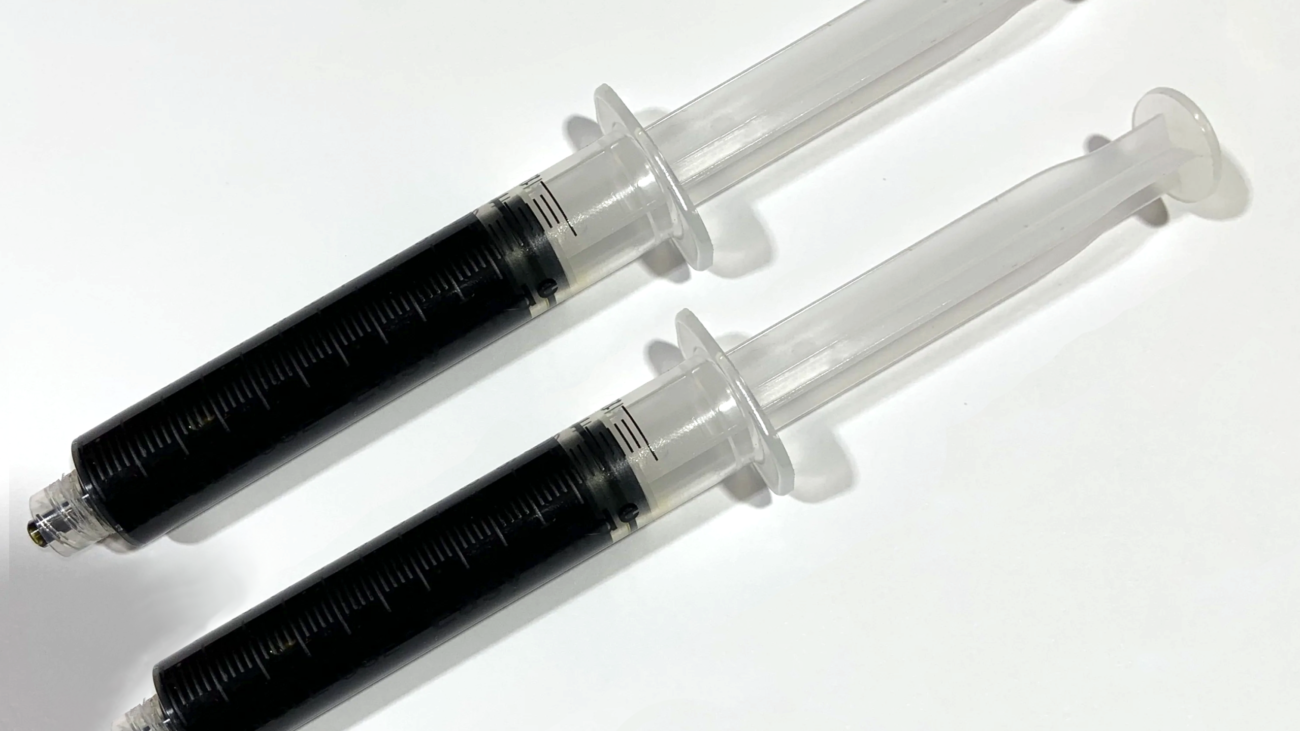
FECO often comes in measured doses that:
- Are easier to adjust
- Help users find a tolerable amount
- Reduce dose guesswork
RSO’s high THC levels can make dosing more challenging for individuals new to cannabis extracts.
Effectiveness for Cancer Support
It’s important to clarify that neither FECO nor RSO is an FDA-approved cancer treatment. However, many people explore these oils as part of broader wellness conversations and supportive care.
Patients and caregivers report:
- Comfort associated with cannabinoid support
- Variability based on individual biology
- Different responses to oil type, dose, and method
Some users choose FECO for its lab-tested purity, while others choose RSO for its potency and broad cannabinoid range.
User Experiences: FECO vs RSO
Hearing real user experiences can help clarify how each oil type fits into individual wellness plans.
Experience #1: Cleaner Sensation With FECO
“I tried FECO because the lab results showed minimal residual solvents. It was easier for me to dose slowly and felt cleaner on my system.”
Experience #2: Potency Preference With RSO
“RSO was incredibly strong. I started with tiny doses because of how much THC it carried. It wasn’t as smooth as FECO, but the full-spectrum feel was very potent.”
Experience #3: Gradual Transition From RSO to FECO
“I began with traditional RSO, then switched to FECO when I wanted easier dosing and clearer lab results. Both had their time, but FECO felt more manageable day-to-day.”
Methods of Use: FECO and RSO
Both FECO and RSO can be used in multiple ways depending on user goals and comfort levels.
Common Methods Include:
- Sublingual (under the tongue)
- Capsules or measured dosing
- Topical application (for localized skin concerns)
- Suppositories (rectal/vaginal for targeted absorption)
Each method has its considerations. Sublingual dosing is popular because it avoids digestion and allows manageable absorption.
Choosing Quality Cannabis Oils
Whether you’re looking at FECO cancer treatment options or traditional RSO, quality is essential.
What to Look For:
✔ Full cannabinoid profile
✔ Verified lab testing (COA)
✔ Low residual solvents
✔ Clean carrier oils
✔ Clear dosing recommendations
✔ Trusted manufacturer transparency
Where to Find Lab-Tested Cannabis Oils
Reliable sourcing helps ensure safer and more consistent experiences with full-spectrum cannabis oils.
👉 Explore trusted RSO and related full-spectrum oil products:
https://rsohealinghub.com
This site focuses on responsibly sourced extracts and transparency for users looking for quality cannabis oil options.
Complementary Natural Wellness Information
Many individuals exploring cannabis oil alternatives also engage with other plant-based wellness and education related to holistic support.
👉 Explore broader natural wellness education:
https://magicmushroomstore.us/
This resource offers additional insights into plant-based therapeutic conversations and educational content.
Safety Tips When Using Cannabis Oils
Cannabis extracts like FECO and RSO may affect everyone differently. Keep these safety best practices in mind:
- Start with low doses
- Increase slowly based on response
- Keep a dosing journal
- Monitor for unusual reactions
- Consult with a knowledgeable clinician
- Avoid use during pregnancy or breastfeeding
Always prioritize product quality and professional guidance.
Frequently Asked Questions (FAQ)
Is FECO safer than RSO?
FECO can be safer when it uses fully purged, solvent-free extraction methods with verified lab tests. Safety depends on how each product is made.
Is one oil stronger than the other?
RSO is often perceived as more potent due to high THC concentrations. FECO can be strong too but widely varies based on extraction and batch.
Which oil should I choose for cancer support?
There’s no one-size-fits-all. Some users prefer cleaner, lab-tested FECO; others resonate with RSO’s traditional potency. Always prioritize quality and professional guidance.
Are cannabis oils recommended by doctors?
Cannabis-based oils are not standard medical treatments for cancer. Individuals should always consult their healthcare provider before use.
Conclusion
When exploring FECO vs RSO for cancer support, the distinction often boils down to:
- Safety and purity
- Extraction method and solvent profiles
- Ease of dosing and consistency
- Personal comfort and tolerance
FECO appeals to those seeking lab-tested, solvent-free options that are easier to dose. RSO appeals to individuals seeking higher THC potency and traditional full-spectrum extracts.
In both cases, transparent lab results, responsible sourcing, and patient-focused decision making are essential.
Call to Action
👉 Discover lab-focused cannabis oil options for your wellness journey:
Shop full-spectrum RSO & related products at RSO Healing Hub