
 Cart is empty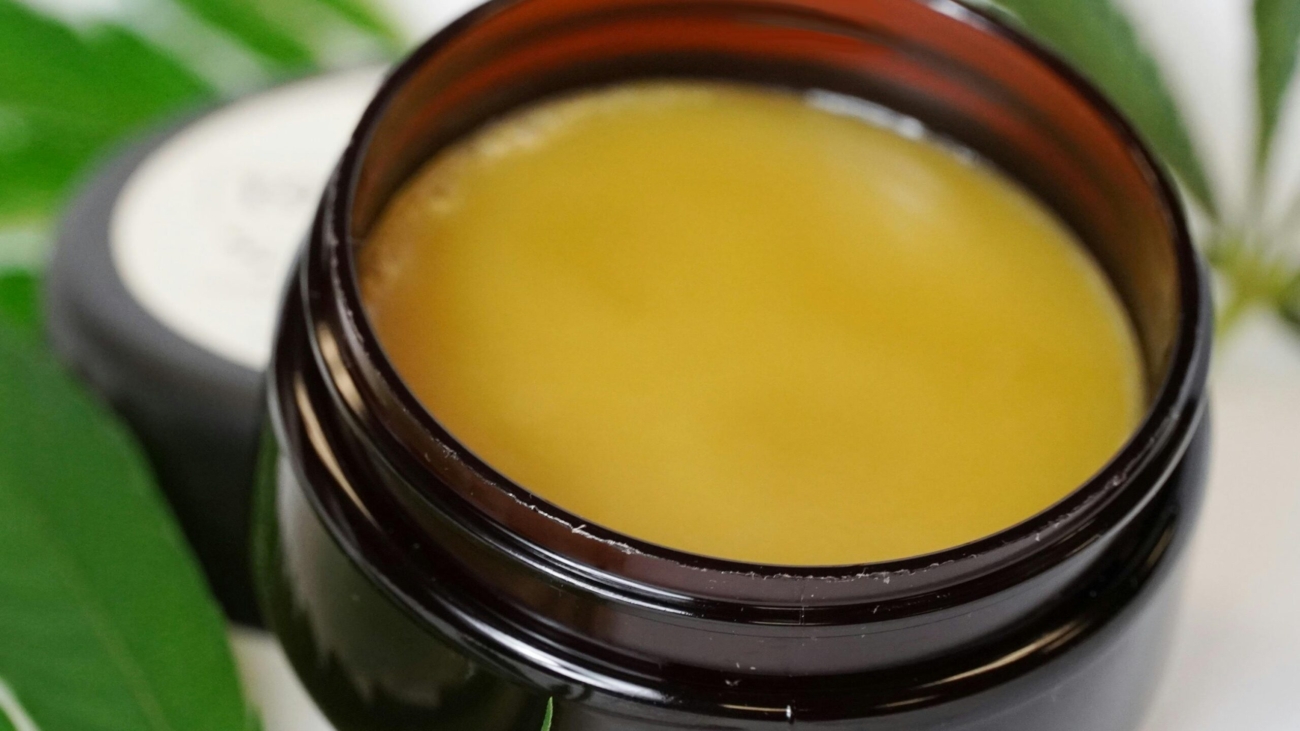
Introduction
Lung cancer often brings a complex combination of physical discomforts that can significantly affect daily life. Persistent cough, chest pain, shortness of breath, fatigue, and anxiety are commonly reported symptoms that can interfere with rest, mobility, and emotional well-being. As a result, many patients explore complementary wellness options alongside standard medical care.
One topic frequently discussed in patient communities is RSO oil for lung cancer symptom relief. Rick Simpson Oil (RSO) is a full-spectrum cannabis extract that some individuals explore as part of comfort-focused routines. While it is not a medical treatment or cure, it is often discussed in the context of symptom management and quality-of-life support.
This article focuses on how patients and caregivers talk about RSO in relation to lung cancer symptoms, with an emphasis on comfort, safety, and realistic expectations.
Understanding Lung Cancer–Related Symptoms
Lung cancer symptoms can vary depending on disease stage, treatment, and individual health.
Commonly Reported Symptoms
- Chronic or persistent cough
- Chest or rib pain
- Shortness of breath
- Tightness or discomfort while breathing
- Fatigue and weakness
- Anxiety related to breathing difficulty
Managing these symptoms is often a central part of supportive care.
Why Symptom Relief Is a Priority
For many lung cancer patients, improving daily comfort is just as important as clinical treatment.
Quality-of-Life Challenges
- Difficulty sleeping due to coughing
- Pain with movement or deep breaths
- Fear or panic during breathing episodes
- Reduced physical activity
Supportive strategies aim to ease these burdens without adding stress.
What Is RSO Oil in a Symptom-Relief Context?
RSO is a concentrated, full-spectrum cannabis extract.
Key Characteristics
- Contains multiple cannabinoids
- Thick, oil-based consistency
- Often discussed in wellness—not recreational—contexts
- Commonly framed around comfort and rest
Patients exploring RSO often do so with the goal of easing discomfort rather than seeking stimulation.
RSO Oil for Lung Cancer Symptom Relief: Why Patients Discuss It
Patients dealing with lung cancer symptoms often seek gentle, calming options.
Common Reasons for Interest
- Desire for relaxation
- Interest in whole-plant extracts
- Focus on comfort during rest periods
- Avoidance of inhaled products
RSO is often discussed as a non-inhaled option, which is important for individuals with compromised lung function.
Managing Persistent Cough: Supportive Perspectives
Coughing can be one of the most disruptive lung cancer symptoms.
How Patients Describe the Challenge
- Interrupted sleep
- Throat and chest soreness
- Fatigue from constant coughing
- Social discomfort
Some patients discuss calming routines that help them relax, rest, and reduce coughing triggers.
Chest and Body Pain Considerations
Pain related to lung cancer may stem from tumors, inflammation, or treatments.
Pain-Related Challenges
- Chest tightness
- Rib or shoulder discomfort
- General body aches
- Pain-related sleep disruption
In patient discussions, RSO is often framed as part of nighttime or rest-focused comfort routines.
Breathing Discomfort and Anxiety
Shortness of breath can be physically and emotionally distressing.
Associated Emotional Responses
- Panic during breathing difficulty
- Fear of suffocation
- Increased heart rate
- Restlessness
Calming the nervous system is often a key goal in supportive care conversations.
Why Inhalation Is Often Avoided
For lung cancer patients, inhalation-based products may feel counterintuitive.
Reasons Patients Avoid Smoking or Vaping
- Lung irritation
- Cough aggravation
- Breathing sensitivity
- Medical advice to avoid lung stress
RSO is frequently discussed because it does not require inhalation.
Comfort-Focused Use and Daily Routines
Patients often emphasize consistency and calm.
Supportive Routine Themes
- Evening or rest-time use
- Quiet, familiar environments
- Comfortable seating or lying down
- Reduced sensory stimulation
Predictable routines can help patients feel safer and more in control.
Fatigue and Energy Conservation
Lung cancer fatigue is often profound.
Why Fatigue Is Challenging
- Limits daily activity
- Increases emotional strain
- Complicates breathing effort
Some patients frame RSO as part of rest and recovery periods rather than energy enhancement.
Emotional Well-Being and Stress Reduction
Living with lung cancer can create constant emotional pressure.
Common Emotional Struggles
- Fear about breathing
- Anxiety about progression
- Frustration with limitations
Supportive approaches often focus on emotional calm alongside physical comfort.
Safety Considerations for Lung Cancer Patients
Safety awareness is essential.
Key Safety Themes
- Increased sensitivity
- Avoiding overexertion
- Monitoring dizziness or sedation
- Staying hydrated
Patients often emphasize slow, cautious exploration.
Caregiver Support in Symptom Management
Caregivers play a crucial role.
Helpful Caregiver Actions
- Monitoring breathing comfort
- Encouraging rest
- Helping maintain routines
- Offering reassurance during distress
Shared awareness supports safer, calmer experiences.
What RSO Does NOT Replace
Clear boundaries are critical.
RSO Does Not Replace
- Oxygen therapy
- Prescribed medications
- Oncology treatment
- Emergency care
It is discussed only as complementary wellness support.
Why Education Matters in Lung Cancer Support
Misunderstanding can increase anxiety.
Education Helps By
- Setting realistic expectations
- Reducing fear
- Supporting informed decisions
- Encouraging medical communication
Well-informed patients feel more empowered.
Where Patients Learn About RSO for Comfort Support
For those seeking educational resources and responsibly produced RSO oil, RSO Healing Hub offers patient-focused information designed for informed, supportive exploration.
👉 Shop RSO Oil at RSO Healing Hub
(Internal link and shop button used exactly as requested.)
Exploring Broader Natural Wellness Education
Some lung cancer patients also explore broader plant-based wellness education as part of their learning journey.
Platforms such as magicmushroomstore.us are sometimes visited for general informational content related to natural wellness discussions.
👉 Visit: https://magicmushroomstore.us/
(External link used exactly as provided.)
Frequently Asked Questions About RSO and Lung Cancer Symptoms
Is RSO a treatment for lung cancer?
No. It is discussed only for comfort-focused support.
Why do lung cancer patients avoid inhaled cannabis?
Because inhalation can irritate already compromised lungs.
Can RSO help with anxiety related to breathing?
Some patients discuss calming routines, but experiences vary.
Supporting Comfort Without Pressure
Every lung cancer journey is different.
Patient-Centered Priorities
- Comfort
- Safety
- Emotional calm
- Dignity
No single approach fits everyone.
Final Thoughts: Comfort, Calm, and Informed Choices
The conversation around RSO oil for lung cancer symptom relief reflects a broader desire for comfort-focused, non-invasive wellness options. While RSO is not a medical treatment, some patients explore it as part of routines aimed at easing cough-related discomfort, pain, and breathing-related anxiety.
Education, realistic expectations