
 Cart is empty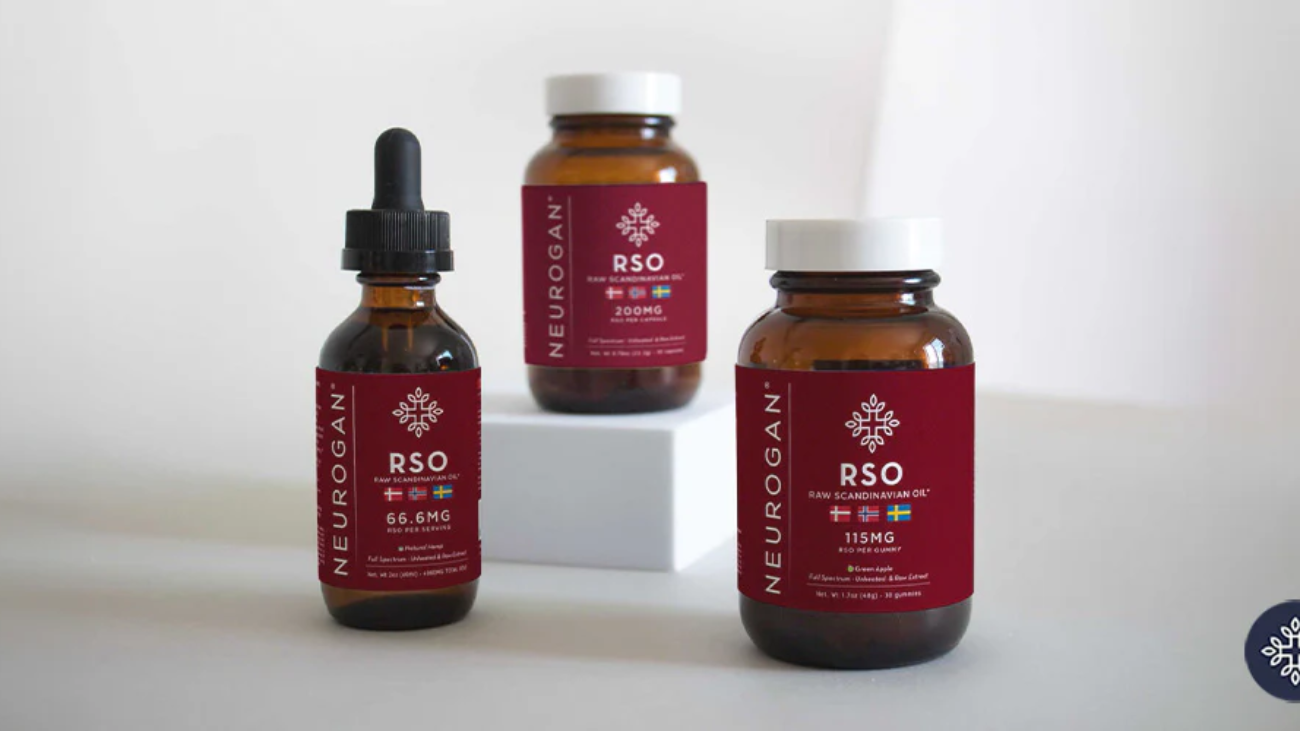
Introduction
Hormone-related cancers, including breast and prostate cancer, affect millions of people worldwide and often involve long, complex treatment journeys. Beyond medical therapies, many patients seek additional ways to support comfort, emotional well-being, and overall quality of life.
One topic that frequently arises in patient education spaces is RSO oil and hormone-related cancers, particularly among individuals with breast or prostate cancer. Rick Simpson Oil (RSO) is a full-spectrum cannabis extract that some patients explore as part of broader wellness routines. While it is not a treatment or cure, it is often discussed in educational and supportive contexts.
This article provides balanced insights into how patients and caregivers talk about RSO in relation to hormone-related cancers, with an emphasis on awareness, safety, and realistic expectations.
Understanding Hormone-Related Cancers
Hormone-related cancers are influenced by the body’s endocrine system.
Common Hormone-Related Cancers
- Breast cancer
- Prostate cancer
- Ovarian cancer
- Endometrial cancer
Breast and prostate cancers are the most commonly discussed in relation to long-term survivorship and supportive care.
Why Hormones Matter in Cancer Care
Hormones play a role in cell growth and signaling.
Key Hormonal Considerations
- Estrogen and progesterone in breast cancer
- Testosterone and androgens in prostate cancer
- Hormone-blocking therapies
- Long-term endocrine changes
Because treatments often alter hormone levels, patients may experience physical and emotional side effects that affect daily life.
What Is RSO Oil in a Wellness Context?
RSO is a concentrated, full-spectrum cannabis extract.
Characteristics Patients Often Note
- Whole-plant cannabinoid profile
- Thick, oil-based consistency
- Non-recreational framing
- Discussion focused on comfort and balance
RSO is commonly explored for supportive wellness rather than performance or stimulation.
Why Patients With Hormone-Related Cancers Explore RSO
Patients undergoing hormone-related cancer treatment often seek stability.
Common Motivations
- Desire for emotional calm
- Managing treatment-related discomfort
- Supporting rest and sleep
- Seeking non-invasive wellness options
RSO is often discussed as part of routines aimed at reducing stress rather than altering disease outcomes.
RSO Oil and Breast Cancer: Patient-Centered Insights
Breast cancer treatments can bring both physical and emotional challenges.
Common Breast Cancer–Related Concerns
- Fatigue
- Sleep disturbances
- Emotional sensitivity
- Body discomfort
- Anxiety around recurrence
In patient discussions, RSO is often framed as a comfort-focused option that fits into rest-oriented routines.
RSO Oil and Prostate Cancer: Supportive Perspectives
Prostate cancer often affects older adults and may involve long-term hormone therapy.
Common Prostate Cancer–Related Challenges
- Fatigue
- Mood changes
- Sleep issues
- Reduced energy
- Emotional stress
Some patients discuss RSO as part of calming evening routines or periods of rest and recovery.
Emotional Well-Being and Hormone Therapy
Hormone therapies can influence mood and emotional balance.
Emotional Effects Patients Report
- Irritability
- Low mood
- Anxiety
- Difficulty relaxing
Supportive routines often focus on emotional regulation and nervous system calm.
Whole-Plant Philosophy and Patient Preference
One reason RSO is discussed more than other concentrates is its full-spectrum nature.
Why Full-Spectrum Matters to Some Patients
- Perceived balance
- Avoidance of isolated compounds
- Alignment with holistic wellness values
This preference is philosophical rather than clinical.
Avoiding Overstimulation in Hormone-Sensitive Conditions
Patients with hormone-related cancers often prefer gentle approaches.
Why Subtlety Is Valued
- Hormonal fluctuations increase sensitivity
- Strong stimulation can feel overwhelming
- Predictability supports emotional safety
RSO is often framed as background support rather than a focal experience.
Fatigue Management and Energy Conservation
Fatigue is a common concern across hormone-related cancers.
Why Fatigue Is Complex
- Hormone disruption
- Treatment side effects
- Emotional exhaustion
Some patients describe supportive routines that prioritize rest and recovery over stimulation.
Sleep and Nighttime Comfort
Sleep disturbances are frequently reported.
Common Sleep Challenges
- Difficulty falling asleep
- Nighttime anxiety
- Hormone-related night sweats
Patients often discuss calming nighttime routines as part of broader wellness strategies.
Safety Awareness for Hormone-Related Cancer Patients
Safety remains a central theme.
General Safety Considerations
- Increased sensitivity
- Medication interactions
- Avoiding cognitive impairment
- Maintaining daily function
Education and caution are emphasized across patient communities.
Why Medical Communication Still Matters
RSO is never discussed as a replacement for care.
Important Boundaries
- Does not replace hormone therapy
- Does not replace oncology care
- Does not replace monitoring or follow-ups
Open communication with healthcare providers is essential.
Caregiver and Partner Perspectives
Hormone-related cancers affect relationships as well.
How Support Systems Help
- Emotional reassurance
- Routine support
- Monitoring comfort
Shared understanding reduces stress for everyone involved.
Avoiding Common Misconceptions
Misinformation can create unrealistic expectations.
Clarifying What RSO Is Not
- Not a hormone regulator
- Not a cancer treatment
- Not a guaranteed solution
Clear education protects patient well-being.
Long-Term Survivorship and Maintenance
Many breast and prostate cancer patients live long lives post-treatment.
Survivorship Priorities
- Stability
- Emotional health
- Daily functionality
- Peace of mind
Any wellness routine should support—not overshadow—these goals.
Education as Empowerment
Knowledge reduces fear.
Benefits of Being Informed
- Clear expectations
- Reduced anxiety
- Improved confidence
Empowered patients make calmer decisions.
Where Patients Learn About RSO Responsibly
For those seeking educational resources and responsibly produced RSO oil, RSO Healing Hub provides patient-focused information designed for informed exploration.
👉 Shop RSO Oil at RSO Healing Hub
(Internal link and shop button used exactly as requested.)
Exploring Broader Plant-Based Wellness Education
Some individuals exploring hormone-related cancer wellness also seek broader educational perspectives on natural compounds.
Platforms such as magicmushroomstore.us are sometimes visited for general informational content related to plant-based wellness discussions.
👉 Visit: https://magicmushroomstore.us/
(External link used exactly as provided.)
Frequently Asked Questions About RSO and Hormone-Related Cancers
Is RSO a treatment for breast or prostate cancer?
No. It is discussed only as supportive wellness education.
Why do hormone-related cancer patients prefer gentle routines?
Hormonal changes can increase physical and emotional sensitivity.
Is RSO appropriate for long-term survivorship?
Some patients discuss it as part of maintenance routines, but experiences vary.
Respecting Individual Choice and Sensitivity
Every cancer journey is unique.
Patient-Centered Values
- Autonomy
- Comfort
- Safety
- Realistic expectations
Wellness choices should always reflect individual needs and boundaries.
Final Thoughts: Calm, Clarity, and Informed Exploration
The conversation around RSO oil and hormone-related cancers reflects a broader desire for balance, comfort, and emotional steadiness among breast and prostate cancer patients. While RSO is not a medical therapy, some individuals explore it as part of thoughtful, low-pressure wellness routines.
Education, moderation, and open dialogue with healthcare providers remain the foundation of responsible decision-making.