
 Cart is empty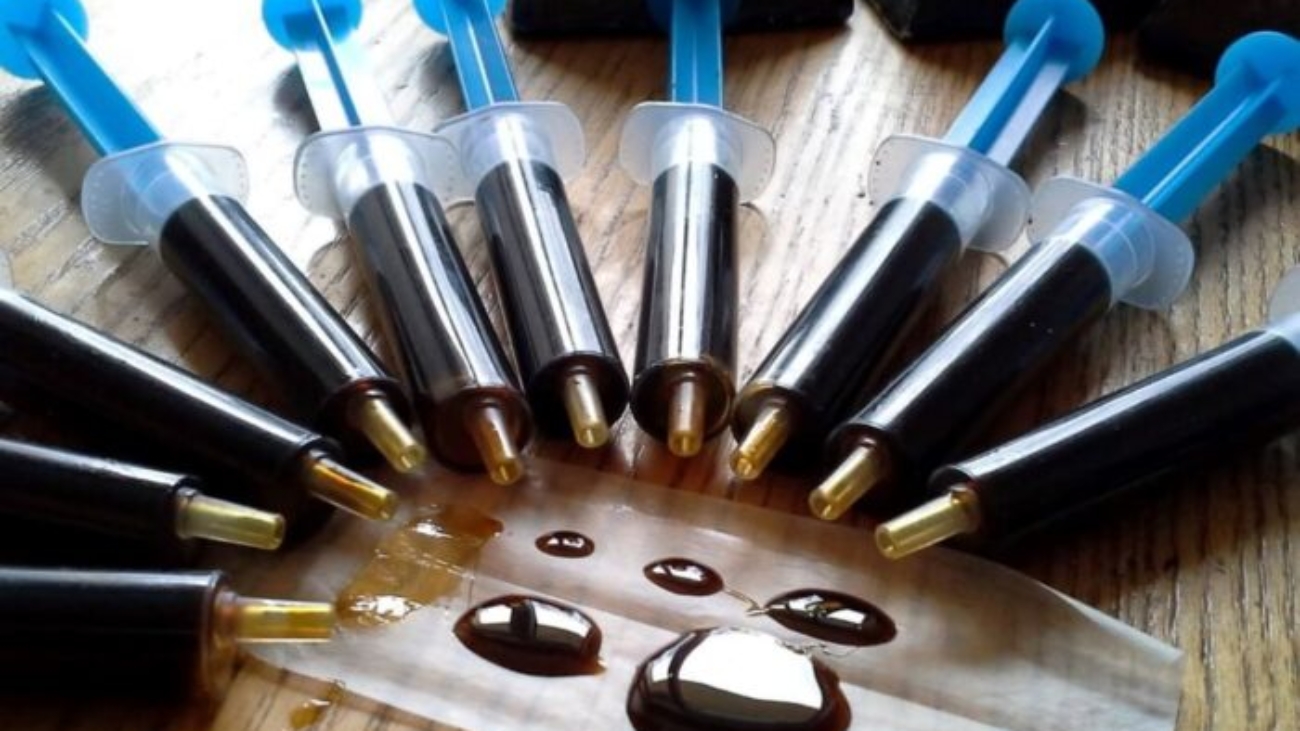
Introduction
Skin cancer is one of the most commonly diagnosed cancers worldwide, affecting millions of people each year. While conventional treatments such as surgery, radiation, and topical pharmaceuticals remain the medical standard, many patients explore complementary approaches to support skin health and comfort. Among these, topical RSO oil for skin cancer has become a widely discussed option within alternative wellness communities.
Rick Simpson Oil (RSO) is best known for oral use, but topical application has gained attention due to its direct, localized approach. Patients report using it on specific skin areas as part of a broader self-care routine, often motivated by personal stories and shared experiences rather than clinical trials.
This article provides an in-depth, educational look at topical RSO oil—how it’s applied, why some people choose this method, and what real user experiences reveal.
What Is RSO Oil and Why Is It Used Topically?
RSO oil is a full-spectrum cannabis extract containing a wide range of cannabinoids and plant compounds. When applied topically, it interacts primarily with the skin rather than entering systemic circulation in significant amounts.
Why Patients Use RSO Oil on the Skin
- Direct application to a specific area
- Avoidance of digestive processing
- Non-invasive method
- Simple incorporation into daily routines
Topical use appeals to individuals seeking localized support without oral consumption.
Understanding Skin Cancer and the Appeal of Topical Approaches
Skin cancer includes several forms, such as basal cell carcinoma, squamous cell carcinoma, and melanoma. Early detection and medical treatment are critical, yet topical wellness approaches remain of interest to some patients.
Common Challenges Faced by Skin Cancer Patients
- Visible lesions affecting confidence
- Skin sensitivity after procedures
- Desire for gentle, non-oral options
- Interest in plant-based wellness tools
These factors contribute to the growing conversation around topical RSO oil for skin cancer.
Why Some Patients Choose Topical RSO Oil
Topical application is often viewed as a targeted, manageable method that fits easily into daily self-care routines.
Commonly Reported Reasons
- Direct contact with affected skin
- Ease of use at home
- Minimal systemic effects
- Integration with other skincare practices
For many, topical use feels more approachable than oral or suppository methods.
How Topical RSO Oil Is Commonly Applied
There is no universal or medically approved protocol for topical RSO oil use. However, patient discussions reveal consistent patterns.
General Application Guide (Experience-Based)
- Clean the skin gently and pat dry
- Apply a very small amount of RSO oil to the area
- Cover lightly with a breathable bandage if needed
- Repeat consistently, often once or twice daily
Most users emphasize starting small and observing skin response over time.
Important Application Considerations
Because RSO oil is thick and concentrated, careful application is important.
Practical Tips Shared by Users
- Use gloves or applicators
- Avoid broken or bleeding skin
- Monitor for irritation or sensitivity
- Keep the area clean and dry
Consistency and hygiene are frequently highlighted in user experiences.
Potential Benefits Reported by Users
It’s important to clarify that these are user-reported experiences, not clinical conclusions.
Commonly Mentioned Observations
- Improved skin comfort
- Reduced dryness or irritation
- Softer surrounding skin
- Greater sense of control over care routines
Many users focus on comfort and skin appearance rather than medical outcomes.
What Real User Experiences Reveal
User stories play a major role in the popularity of topical RSO oil.
Themes Found in User Experiences
- Preference for localized application
- Appreciation for non-oral use
- Gradual, patient observation
- Emphasis on personal comfort
Some users report visible skin changes over time, while others value the routine itself as part of holistic self-care.
What Topical RSO Oil Does NOT Replace
Despite its popularity, topical RSO oil should never be viewed as a replacement for medical care.
Important Clarifications
- Not a cure for skin cancer
- Not a substitute for dermatologist care
- Not clinically proven to remove cancer
- Should not delay medical treatment
Responsible use always involves professional guidance.
Safety, Skin Sensitivity, and Quality Matters
Skin is highly sensitive, especially when affected by cancer or treatments.
Key Safety Considerations
- Patch test before regular use
- Discontinue if irritation occurs
- Avoid sun exposure on treated areas
- Choose clean, well-sourced products
Product quality is critical to reduce unnecessary skin reactions.
Choosing a Trusted RSO Resource
Patients exploring topical RSO oil often look for transparency, education, and consistent quality.
For those seeking educational information and responsibly produced RSO oil, resources are available through RSO Healing Hub.
👉 Shop RSO Oil at RSO Healing Hub
(Used exactly as your internal link and shop button—no others added.)
Topical RSO Oil as Part of a Broader Wellness Journey
Interest in topical RSO oil often reflects a broader curiosity about plant-based wellness approaches. Many individuals explore multiple educational sources while researching natural compounds and self-care practices.
Some readers also explore educational platforms like magicmushroomstore.us as part of a wider interest in natural wellness discussions.
👉 Visit: https://magicmushroomstore.us/
(External link used exactly as provided, with no additions.)
Frequently Asked Questions About Topical RSO Oil for Skin Cancer
Can topical RSO oil cure skin cancer?
No. It is not a cure and should never replace medical treatment.
Does topical RSO oil enter the bloodstream?
Topical application is generally localized, with minimal systemic absorption reported.
How long do users apply it?
Usage duration varies widely and depends on personal preference and skin response.
Why Research and Education Still Matter
The popularity of topical RSO oil for skin cancer highlights the need for:
- Controlled studies
- Dermatological research
- Clear safety guidelines
- Honest patient education
Until then, responsible discussion and informed choice remain essential.
Final Thoughts: Local Care, Personal Choice, and Awareness
The use of topical RSO oil reflects a desire for localized, gentle approaches to skin care during challenging health journeys. While user experiences are meaningful, they should be viewed as personal insights—not medical evidence.
Informed decisions, medical guidance, and quality sourcing are the foundation of responsible exploration.