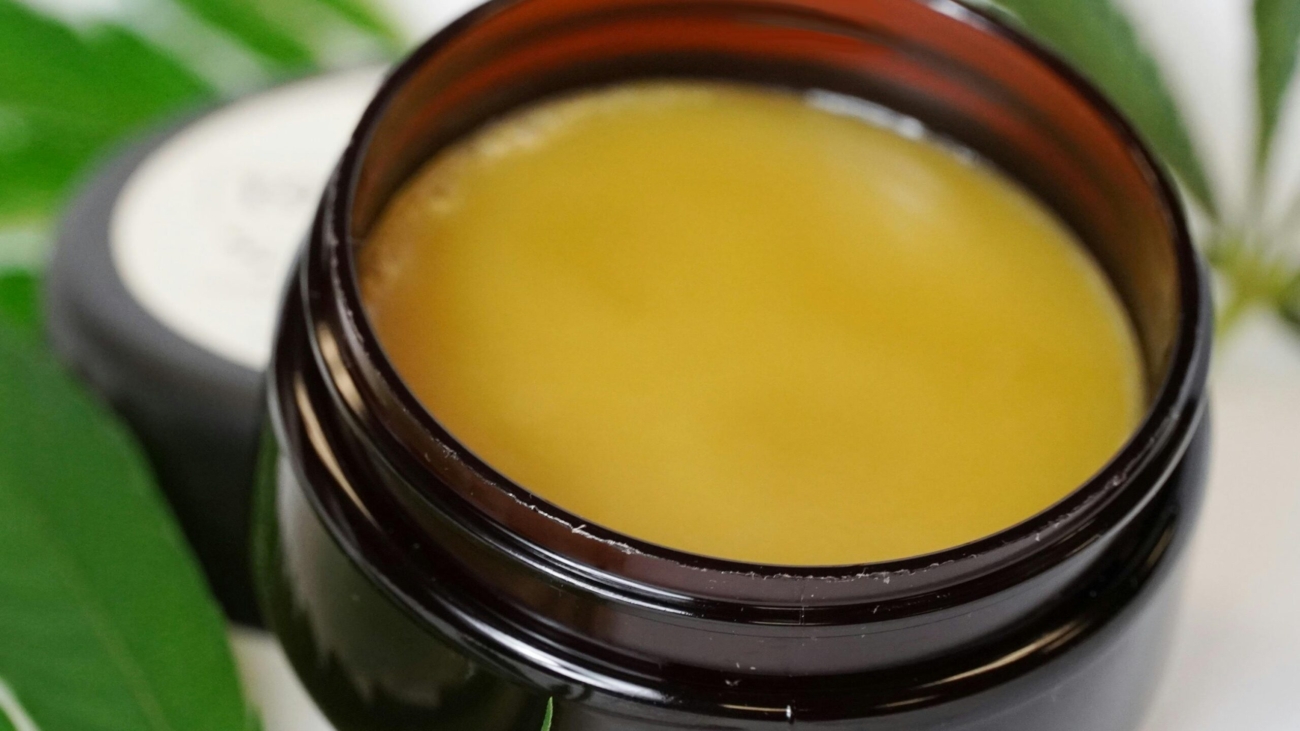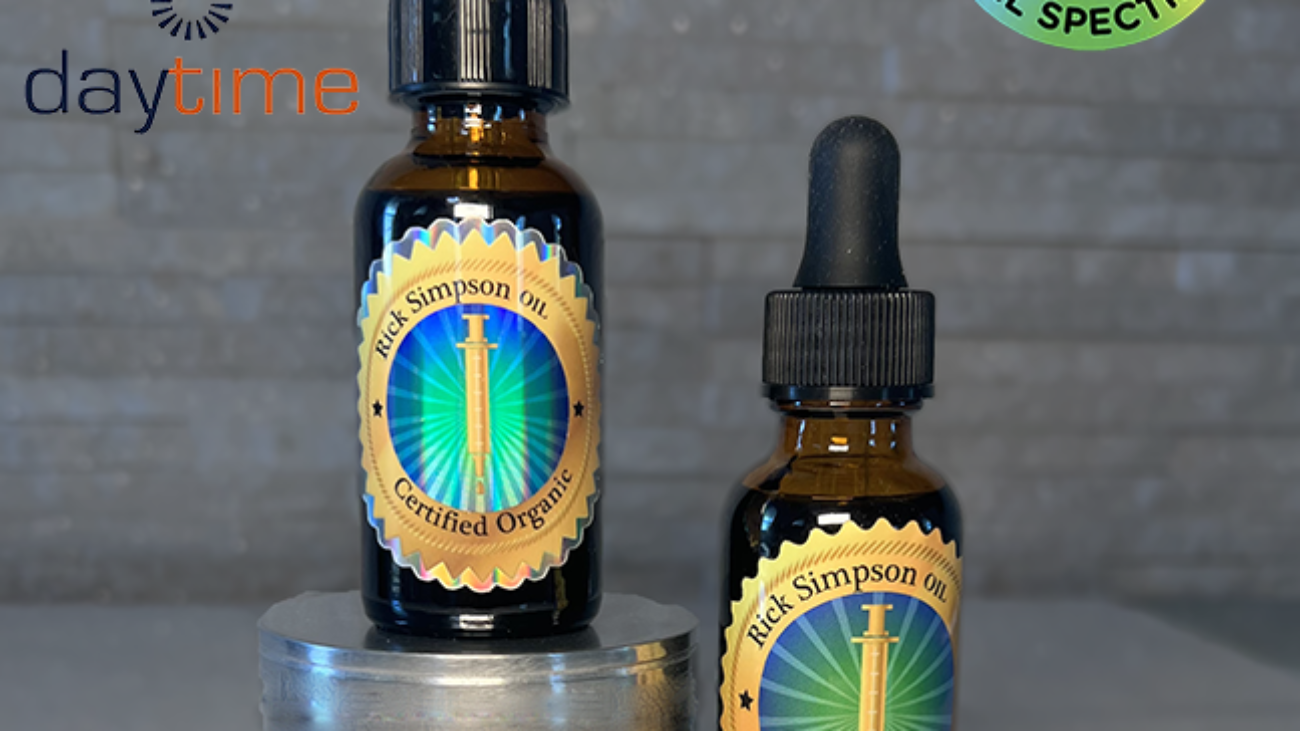
Rick Simpson Balm – Full-Spectrum Topical Healing (RSO-Infused)

RSO Oil for Lung Cancer Symptom Relief: Managing Cough, Pain, and Breathing Issues

Introduction

Lung cancer often brings a complex combination of physical discomforts that can significantly affect daily life. Persistent cough, chest pain, shortness of breath, fatigue, and anxiety are commonly reported symptoms that can interfere with rest, mobility, and emotional well-being. As a result, many patients explore complementary wellness options alongside standard medical care.

One topic frequently discussed in patient communities is RSO oil for lung cancer symptom relief. Rick Simpson Oil (RSO) is a full-spectrum cannabis extract that some individuals explore as part of comfort-focused routines. While it is not a medical treatment or cure, it is often discussed in the context of symptom management and quality-of-life support.

This article focuses on how patients and caregivers talk about RSO in relation to lung cancer symptoms, with an emphasis on comfort, safety, and realistic expectations.


Understanding Lung Cancer–Related Symptoms

Lung cancer symptoms can vary depending on disease stage, treatment, and individual health.

Commonly Reported Symptoms

  • Chronic or persistent cough
  • Chest or rib pain
  • Shortness of breath
  • Tightness or discomfort while breathing
  • Fatigue and weakness
  • Anxiety related to breathing difficulty

Managing these symptoms is often a central part of supportive care.


Why Symptom Relief Is a Priority

For many lung cancer patients, improving daily comfort is just as important as clinical treatment.

Quality-of-Life Challenges

  • Difficulty sleeping due to coughing
  • Pain with movement or deep breaths
  • Fear or panic during breathing episodes
  • Reduced physical activity

Supportive strategies aim to ease these burdens without adding stress.


What Is RSO Oil in a Symptom-Relief Context?

RSO is a concentrated, full-spectrum cannabis extract.

Key Characteristics

  • Contains multiple cannabinoids
  • Thick, oil-based consistency
  • Often discussed in wellness—not recreational—contexts
  • Commonly framed around comfort and rest

Patients exploring RSO often do so with the goal of easing discomfort rather than seeking stimulation.


RSO Oil for Lung Cancer Symptom Relief: Why Patients Discuss It

Patients dealing with lung cancer symptoms often seek gentle, calming options.

Common Reasons for Interest

  • Desire for relaxation
  • Interest in whole-plant extracts
  • Focus on comfort during rest periods
  • Avoidance of inhaled products

RSO is often discussed as a non-inhaled option, which is important for individuals with compromised lung function.


Managing Persistent Cough: Supportive Perspectives

Coughing can be one of the most disruptive lung cancer symptoms.

How Patients Describe the Challenge

  • Interrupted sleep
  • Throat and chest soreness
  • Fatigue from constant coughing
  • Social discomfort

Some patients discuss calming routines that help them relax, rest, and reduce coughing triggers.


Chest and Body Pain Considerations

Pain related to lung cancer may stem from tumors, inflammation, or treatments.

Pain-Related Challenges

  • Chest tightness
  • Rib or shoulder discomfort
  • General body aches
  • Pain-related sleep disruption

In patient discussions, RSO is often framed as part of nighttime or rest-focused comfort routines.


Breathing Discomfort and Anxiety

Shortness of breath can be physically and emotionally distressing.

Associated Emotional Responses

  • Panic during breathing difficulty
  • Fear of suffocation
  • Increased heart rate
  • Restlessness

Calming the nervous system is often a key goal in supportive care conversations.


Why Inhalation Is Often Avoided

For lung cancer patients, inhalation-based products may feel counterintuitive.

Reasons Patients Avoid Smoking or Vaping

  • Lung irritation
  • Cough aggravation
  • Breathing sensitivity
  • Medical advice to avoid lung stress

RSO is frequently discussed because it does not require inhalation.


Comfort-Focused Use and Daily Routines

Patients often emphasize consistency and calm.

Supportive Routine Themes

  • Evening or rest-time use
  • Quiet, familiar environments
  • Comfortable seating or lying down
  • Reduced sensory stimulation

Predictable routines can help patients feel safer and more in control.


Fatigue and Energy Conservation

Lung cancer fatigue is often profound.

Why Fatigue Is Challenging

  • Limits daily activity
  • Increases emotional strain
  • Complicates breathing effort

Some patients frame RSO as part of rest and recovery periods rather than energy enhancement.


Emotional Well-Being and Stress Reduction

Living with lung cancer can create constant emotional pressure.

Common Emotional Struggles

  • Fear about breathing
  • Anxiety about progression
  • Frustration with limitations

Supportive approaches often focus on emotional calm alongside physical comfort.


Safety Considerations for Lung Cancer Patients

Safety awareness is essential.

Key Safety Themes

  • Increased sensitivity
  • Avoiding overexertion
  • Monitoring dizziness or sedation
  • Staying hydrated

Patients often emphasize slow, cautious exploration.


Caregiver Support in Symptom Management

Caregivers play a crucial role.

Helpful Caregiver Actions

  • Monitoring breathing comfort
  • Encouraging rest
  • Helping maintain routines
  • Offering reassurance during distress

Shared awareness supports safer, calmer experiences.


What RSO Does NOT Replace

Clear boundaries are critical.

RSO Does Not Replace

  • Oxygen therapy
  • Prescribed medications
  • Oncology treatment
  • Emergency care

It is discussed only as complementary wellness support.


Why Education Matters in Lung Cancer Support

Misunderstanding can increase anxiety.

Education Helps By

  • Setting realistic expectations
  • Reducing fear
  • Supporting informed decisions
  • Encouraging medical communication

Well-informed patients feel more empowered.


Where Patients Learn About RSO for Comfort Support

For those seeking educational resources and responsibly produced RSO oil, RSO Healing Hub offers patient-focused information designed for informed, supportive exploration.

👉 Shop RSO Oil at RSO Healing Hub

(Internal link and shop button used exactly as requested.)


Exploring Broader Natural Wellness Education

Some lung cancer patients also explore broader plant-based wellness education as part of their learning journey.

Platforms such as magicmushroomstore.us are sometimes visited for general informational content related to natural wellness discussions.

👉 Visit: https://magicmushroomstore.us/

(External link used exactly as provided.)


Frequently Asked Questions About RSO and Lung Cancer Symptoms

Is RSO a treatment for lung cancer?

No. It is discussed only for comfort-focused support.

Why do lung cancer patients avoid inhaled cannabis?

Because inhalation can irritate already compromised lungs.

Can RSO help with anxiety related to breathing?

Some patients discuss calming routines, but experiences vary.


Supporting Comfort Without Pressure

Every lung cancer journey is different.

Patient-Centered Priorities

  • Comfort
  • Safety
  • Emotional calm
  • Dignity

No single approach fits everyone.


Final Thoughts: Comfort, Calm, and Informed Choices

The conversation around RSO oil for lung cancer symptom relief reflects a broader desire for comfort-focused, non-invasive wellness options. While RSO is not a medical treatment, some patients explore it as part of routines aimed at easing cough-related discomfort, pain, and breathing-related anxiety.

Education, realistic expectations

A-guide-to-cannabis-suppositories-cannabis-suppositories-1024x595-1.jpg

Safety of RSO Oil for Older Cancer Patients: Dosage Adjustments and Precautions

Introduction

Cancer affects people of all ages, but older adults often face unique physical, emotional, and practical challenges during their journey. As a result, safety considerations become even more important when exploring supportive wellness options. One topic increasingly discussed in patient and caregiver communities is the safety of RSO oil for older cancer patients.

Rick Simpson Oil (RSO) is a concentrated cannabis extract often explored for comfort-focused support. However, aging bodies process substances differently, and older adults may be more sensitive to both physical and mental effects. This makes education, caution, and individualized awareness essential.

This article explores age-specific safety considerations, common precautions, and supportive insights for older cancer patients and caregivers considering RSO as part of a broader wellness approach. This content is educational only and does not replace professional medical advice.


Why Age Matters When Considering RSO

Aging brings natural physiological changes that can influence how substances are experienced.

Age-Related Factors to Consider

  • Slower metabolism
  • Changes in body composition
  • Increased medication use
  • Heightened sensitivity to side effects

These factors make safety-first decision-making especially important for seniors.


Common Concerns Among Older Cancer Patients

Older adults often approach new wellness options cautiously—and for good reason.

Frequent Questions Include

  • Will this make me feel confused or unsteady?
  • Could it interfere with my medications?
  • How might it affect sleep or mood?
  • Will it increase fall risk?

Understanding these concerns helps guide safer exploration.


How RSO Is Typically Viewed in Senior Care Discussions

RSO is usually discussed as a comfort-focused option rather than a performance-enhancing one.

Common Senior-Focused Perspectives

  • Emphasis on calm and rest
  • Desire for simplicity
  • Avoidance of overstimulation
  • Focus on daily comfort

This aligns well with a cautious, measured approach.


Sensitivity Differences in Older Adults

Older adults often experience stronger effects from smaller amounts.

Why Sensitivity Increases

  • Reduced liver processing efficiency
  • Changes in fat distribution
  • Nervous system sensitivity
  • Lower tolerance to psychoactive effects

These differences highlight why slow, conservative approaches are commonly recommended.


Precaution #1: Avoid Rushing the Experience

One of the most important safety principles is patience.

Why Going Slowly Matters

  • Reduces risk of discomfort
  • Allows the body to adapt
  • Makes responses easier to observe

Older patients often benefit from gradual, well-paced routines.


Precaution #2: Be Mindful of Mental Effects

RSO can influence perception and mood.

Mental Effects Seniors Watch For

  • Dizziness
  • Confusion
  • Anxiety
  • Excessive drowsiness

Awareness helps patients and caregivers respond calmly if these effects occur.


Precaution #3: Fall Risk and Physical Safety

Balance and coordination are key safety considerations.

Helpful Safety Practices

  • Avoid unfamiliar environments
  • Use RSO in calm, seated or resting settings
  • Keep mobility aids nearby
  • Avoid standing quickly

Reducing fall risk is a top priority for older adults.


Precaution #4: Medication Awareness

Many older cancer patients take multiple medications.

Why This Matters

  • Potential interactions
  • Compounded sedative effects
  • Increased sensitivity

Open communication with healthcare providers is essential.


Precaution #5: Prioritize Predictable Routines

Predictability supports comfort and safety.

Why Routines Help

  • Reduce anxiety
  • Improve sleep quality
  • Make effects easier to track

Many seniors prefer simple, consistent schedules over experimentation.


Caregiver Role in Senior Safety

Caregivers play an essential role in supporting older patients.

Helpful Caregiver Actions

  • Monitor responses
  • Encourage hydration and rest
  • Help maintain routines
  • Offer reassurance

Shared awareness improves confidence and comfort.


Emotional Considerations for Older Adults

Cancer can heighten emotional vulnerability in seniors.

Common Emotional Challenges

  • Fear of losing independence
  • Anxiety about mental clarity
  • Frustration with physical limits

Some older patients discuss RSO as part of routines that support emotional calm, not stimulation.


Avoiding Overcomplication

Complex wellness routines can overwhelm older adults.

Why Simplicity Is Safer

  • Easier adherence
  • Less confusion
  • Reduced stress

RSO is most often discussed as a single, supportive element—not part of a crowded regimen.


Storage and Handling Safety

Safe storage is especially important in multi-generational households.

Key Storage Tips

  • Secure, child-proof location
  • Clearly labeled containers
  • Protected from heat and light

Proper storage protects everyone in the household.


Legal Awareness for Seniors and Caregivers

Cannabis laws vary by state and age group.

Why Legal Knowledge Matters

  • Reduces anxiety
  • Protects caregivers
  • Prevents accidental misuse

Staying informed supports peace of mind.


What RSO Does NOT Replace

Clear boundaries protect seniors.

RSO Does Not Replace

  • Medical cancer treatment
  • Pain management teams
  • Hospice or palliative care
  • Emotional support services

It is discussed only as complementary support.


Why Education Is Especially Important for Older Patients

Most safety concerns arise from misunderstanding—not misuse.

Education Helps Seniors

  • Set realistic expectations
  • Recognize warning signs
  • Feel more confident
  • Maintain independence

Knowledge empowers safer choices.


Where Seniors and Caregivers Learn About RSO

For those seeking educational resources and responsibly produced RSO oil, RSO Healing Hub provides information designed for cautious, informed exploration.

👉 Shop RSO Oil at RSO Healing Hub

(Internal link and shop button used exactly as requested.)


Exploring Broader Natural Wellness Education

Some older adults and caregivers explore broader plant-based wellness topics for education and perspective.

Platforms such as magicmushroomstore.us are sometimes explored for general informational content related to natural wellness discussions.

👉 Visit: https://magicmushroomstore.us/

(External link used exactly as provided.)


Frequently Asked Questions About RSO and Older Patients

Are older adults more sensitive to RSO?

Yes, many seniors report increased sensitivity.

Is RSO safe for all elderly cancer patients?

Safety depends on individual health, medications, and guidance.

Should caregivers be involved?

Often yes, especially for monitoring comfort and safety.


Supporting Dignity and Independence

Safety does not mean restriction—it means respect.

Senior-Centered Values

  • Autonomy
  • Comfort
  • Clarity
  • Dignity

Every decision should honor these principles.


Final Thoughts: Gentle, Informed, and Respectful Use

The discussion around the safety of RSO oil for older cancer patients highlights the importance of patience, awareness, and individualized care. Older adults deserve approaches that prioritize comfort, clarity, and dignity—not urgency or pressure.

Education, simplicity, and open communication remain the foundation of safe, supportive exploration.


Clear Call to Action

To explore educational resources and responsibly sourced RSO oil:

👉 RSO Healing Hub – Learn & Shop


If you want next, I can:

  • Create a senior-focused RSO safety checklist
  • Write a caregiver-only guide
  • Build a RSO + aging pillar page
  • Optimize for RankMath / Yoast SEO

Rick Simpson Oil for Sleep and Anxiety Support: Benefits and Usage Guide 2025

RSO Oil for Melanoma and Skin Cancer: Latest Lab Insights on Cannabis Extracts

Introduction

Melanoma and other forms of skin cancer continue to be a major health concern worldwide. While conventional treatments remain the medical standard, there is growing scientific curiosity around plant-based compounds and their biological interactions. One area drawing attention is RSO oil for melanoma and skin cancer, particularly in laboratory and preclinical research settings.

Rick Simpson Oil (RSO) is a full-spectrum cannabis extract that contains a complex mix of cannabinoids and plant compounds. Although it is not a medically approved treatment, researchers have been studying cannabis extracts in controlled lab environments to better understand how these compounds interact with cancer-related biological processes.

This article explores the latest laboratory insights, what current research does—and does not—suggest, and how patients interpret these findings within a broader wellness and educational context.


Understanding Melanoma and Skin Cancer Basics

Skin cancer includes several forms, each with unique characteristics.

Common Types of Skin Cancer

  • Melanoma
  • Basal cell carcinoma
  • Squamous cell carcinoma

Melanoma is often considered the most aggressive form, which is why research interest in supportive and adjunctive strategies remains high.


Why Cannabis Extracts Attract Research Interest

Cannabis contains dozens of biologically active compounds.

Key Reasons for Scientific Interest

  • Interaction with the endocannabinoid system
  • Anti-inflammatory properties observed in lab models
  • Cellular signaling modulation
  • Antioxidant activity in controlled settings

These properties have prompted researchers to study cannabis extracts at the cellular level—not as treatments, but as biological agents of interest.


What Is RSO Oil from a Research Perspective?

RSO is not a standardized pharmaceutical product.

Research-Relevant Characteristics

  • Full-spectrum cannabinoid content
  • Presence of THC and other cannabinoids
  • Thick, resinous consistency
  • Non-isolated compound profile

In laboratory studies, researchers often use cannabis extracts with similar full-spectrum profiles rather than commercial RSO itself.


Laboratory Studies and Skin Cancer Cells

Most insights into RSO oil for melanoma and skin cancer come from in vitro (cell culture) or animal studies.

What Lab Studies Typically Examine

  • Cancer cell growth patterns
  • Cell signaling pathways
  • Apoptosis-related markers
  • Inflammatory responses

These studies are conducted under tightly controlled conditions and do not represent clinical use.


Key Findings from Preclinical Research (General Overview)

While individual results vary, laboratory research on cannabis extracts has observed:

Commonly Studied Lab Observations

  • Altered cell proliferation signals
  • Changes in tumor cell metabolism
  • Interaction with cannabinoid receptors
  • Effects on oxidative stress markers

These findings are exploratory and serve as a foundation for further research—not clinical recommendations.


Why Lab Results Do Not Equal Human Outcomes

One of the most common misunderstandings is assuming lab findings translate directly to patients.

Important Distinctions

  • Lab studies use isolated cells
  • Dosages are not comparable
  • Human biology is far more complex
  • Clinical trials are required for validation

This is why RSO is discussed in educational and supportive contexts rather than as a treatment.


Topical Interest in Skin Cancer Communities

Skin cancer discussions often include topical approaches due to the visible nature of the disease.

Why Topical Use Is Discussed

  • Direct skin exposure
  • Localized application interest
  • Ease of observation

However, topical use remains anecdotal and not medically validated.


Patient Interpretation of Research Insights

Patients often encounter lab studies while researching alternatives.

Common Patient Reactions

  • Curiosity
  • Hope
  • Confusion about applicability
  • Desire for non-invasive options

Educational clarity is essential to prevent misinterpretation.


Responsible Framing of Cannabis Research

Ethical discussions around cannabis research emphasize restraint and accuracy.

Responsible Research Messaging Includes

  • Avoiding cure claims
  • Highlighting limitations
  • Encouraging medical oversight
  • Emphasizing ongoing study

This approach protects patients from misinformation.


How RSO Fits into Educational Exploration

For many individuals, RSO is explored as part of self-directed education rather than treatment.

Educational Use Context

  • Learning about cannabinoid biology
  • Exploring holistic wellness philosophies
  • Understanding patient-reported experiences

RSO is often one element within a broader information-gathering process.


Quality, Transparency, and Awareness

Because RSO is not standardized, quality awareness matters.

What Patients Look For

  • Transparent sourcing
  • Educational support
  • Clear product descriptions
  • Responsible communication

Education reduces risk and unrealistic expectations.


Legal and Ethical Considerations

Cannabis laws vary by state.

Why This Matters

  • Product access differs
  • Topical vs ingestible rules vary
  • Patients must remain compliant

Legal awareness is part of responsible exploration.


Where Patients Seek Reliable RSO Education

For those looking for educational resources and responsibly produced RSO oil, RSO Healing Hub offers information designed to support informed decision-making.

👉 Shop RSO Oil at RSO Healing Hub

(Internal link and shop button used exactly as requested.)


Exploring Broader Plant-Based Research Perspectives

Some individuals interested in cannabis research also explore broader plant-based wellness education as part of their learning process.

Platforms such as magicmushroomstore.us are sometimes explored for general educational discussions on natural compounds.

👉 Visit: https://magicmushroomstore.us/

(External link used exactly as provided.)


Frequently Asked Questions About RSO and Skin Cancer Research

Does lab research prove RSO treats melanoma?

No. Lab research is exploratory and not clinical evidence.

Are cannabis extracts approved for skin cancer treatment?

No. Standard medical treatments remain essential.

Why is research still important?

Lab research helps scientists understand biological mechanisms and guides future study.


Why Ongoing Research Still Matters

Even without clinical approval, research plays a role.

Benefits of Continued Study

  • Expands scientific understanding
  • Identifies potential pathways
  • Helps refine future trials

Curiosity drives progress—but patience is required.


Final Thoughts: Curiosity, Caution, and Clarity

The discussion around RSO oil for melanoma and skin cancer reflects growing interest in how plant compounds interact with human biology. While laboratory insights are intriguing, they remain early-stage and should be viewed as educational—not therapeutic.

Informed patients prioritize clarity, medical guidance, and realistic expectations.

Latest 2026 Research on Cannabis Oil and Cancer: What Studies Say About THC and Tumor Effects

Topical RSO Oil for Skin Cancer: Application Guide and Real User Experiences

Introduction

Skin cancer is one of the most commonly diagnosed cancers worldwide, affecting millions of people each year. While conventional treatments such as surgery, radiation, and topical pharmaceuticals remain the medical standard, many patients explore complementary approaches to support skin health and comfort. Among these, topical RSO oil for skin cancer has become a widely discussed option within alternative wellness communities.

Rick Simpson Oil (RSO) is best known for oral use, but topical application has gained attention due to its direct, localized approach. Patients report using it on specific skin areas as part of a broader self-care routine, often motivated by personal stories and shared experiences rather than clinical trials.

This article provides an in-depth, educational look at topical RSO oil—how it’s applied, why some people choose this method, and what real user experiences reveal.


What Is RSO Oil and Why Is It Used Topically?

RSO oil is a full-spectrum cannabis extract containing a wide range of cannabinoids and plant compounds. When applied topically, it interacts primarily with the skin rather than entering systemic circulation in significant amounts.

Why Patients Use RSO Oil on the Skin

  • Direct application to a specific area
  • Avoidance of digestive processing
  • Non-invasive method
  • Simple incorporation into daily routines

Topical use appeals to individuals seeking localized support without oral consumption.


Understanding Skin Cancer and the Appeal of Topical Approaches

Skin cancer includes several forms, such as basal cell carcinoma, squamous cell carcinoma, and melanoma. Early detection and medical treatment are critical, yet topical wellness approaches remain of interest to some patients.

Common Challenges Faced by Skin Cancer Patients

  • Visible lesions affecting confidence
  • Skin sensitivity after procedures
  • Desire for gentle, non-oral options
  • Interest in plant-based wellness tools

These factors contribute to the growing conversation around topical RSO oil for skin cancer.


Why Some Patients Choose Topical RSO Oil

Topical application is often viewed as a targeted, manageable method that fits easily into daily self-care routines.

Commonly Reported Reasons

  • Direct contact with affected skin
  • Ease of use at home
  • Minimal systemic effects
  • Integration with other skincare practices

For many, topical use feels more approachable than oral or suppository methods.


How Topical RSO Oil Is Commonly Applied

There is no universal or medically approved protocol for topical RSO oil use. However, patient discussions reveal consistent patterns.

General Application Guide (Experience-Based)

  1. Clean the skin gently and pat dry
  2. Apply a very small amount of RSO oil to the area
  3. Cover lightly with a breathable bandage if needed
  4. Repeat consistently, often once or twice daily

Most users emphasize starting small and observing skin response over time.


Important Application Considerations

Because RSO oil is thick and concentrated, careful application is important.

Practical Tips Shared by Users

  • Use gloves or applicators
  • Avoid broken or bleeding skin
  • Monitor for irritation or sensitivity
  • Keep the area clean and dry

Consistency and hygiene are frequently highlighted in user experiences.


Potential Benefits Reported by Users

It’s important to clarify that these are user-reported experiences, not clinical conclusions.

Commonly Mentioned Observations

  • Improved skin comfort
  • Reduced dryness or irritation
  • Softer surrounding skin
  • Greater sense of control over care routines

Many users focus on comfort and skin appearance rather than medical outcomes.


What Real User Experiences Reveal

User stories play a major role in the popularity of topical RSO oil.

Themes Found in User Experiences

  • Preference for localized application
  • Appreciation for non-oral use
  • Gradual, patient observation
  • Emphasis on personal comfort

Some users report visible skin changes over time, while others value the routine itself as part of holistic self-care.


What Topical RSO Oil Does NOT Replace

Despite its popularity, topical RSO oil should never be viewed as a replacement for medical care.

Important Clarifications

  • Not a cure for skin cancer
  • Not a substitute for dermatologist care
  • Not clinically proven to remove cancer
  • Should not delay medical treatment

Responsible use always involves professional guidance.


Safety, Skin Sensitivity, and Quality Matters

Skin is highly sensitive, especially when affected by cancer or treatments.

Key Safety Considerations

  • Patch test before regular use
  • Discontinue if irritation occurs
  • Avoid sun exposure on treated areas
  • Choose clean, well-sourced products

Product quality is critical to reduce unnecessary skin reactions.


Choosing a Trusted RSO Resource

Patients exploring topical RSO oil often look for transparency, education, and consistent quality.

For those seeking educational information and responsibly produced RSO oil, resources are available through RSO Healing Hub.

👉 Shop RSO Oil at RSO Healing Hub

(Used exactly as your internal link and shop button—no others added.)


Topical RSO Oil as Part of a Broader Wellness Journey

Interest in topical RSO oil often reflects a broader curiosity about plant-based wellness approaches. Many individuals explore multiple educational sources while researching natural compounds and self-care practices.

Some readers also explore educational platforms like magicmushroomstore.us as part of a wider interest in natural wellness discussions.

👉 Visit: https://magicmushroomstore.us/

(External link used exactly as provided, with no additions.)


Frequently Asked Questions About Topical RSO Oil for Skin Cancer

Can topical RSO oil cure skin cancer?

No. It is not a cure and should never replace medical treatment.

Does topical RSO oil enter the bloodstream?

Topical application is generally localized, with minimal systemic absorption reported.

How long do users apply it?

Usage duration varies widely and depends on personal preference and skin response.


Why Research and Education Still Matter

The popularity of topical RSO oil for skin cancer highlights the need for:

  • Controlled studies
  • Dermatological research
  • Clear safety guidelines
  • Honest patient education

Until then, responsible discussion and informed choice remain essential.

Final Thoughts: Local Care, Personal Choice, and Awareness

The use of topical RSO oil reflects a desire for localized, gentle approaches to skin care during challenging health journeys. While user experiences are meaningful, they should be viewed as personal insights—not medical evidence.

Informed decisions, medical guidance, and quality sourcing are the foundation of responsible exploration.

Common Mistakes When Starting RSO for Cancer: Avoid These Dosing and Safety Errors

RSO Suppositories for Cancer: Benefits, How to Use, and Why Some Patients Prefer This Method

Introduction

As more cancer patients explore complementary approaches alongside conventional treatments, RSO suppositories for cancer have gained increasing attention. While Rick Simpson Oil (RSO) is traditionally consumed orally, many patients now report preferring suppositories due to improved tolerance, localized absorption, and reduced psychoactive effects.

This growing interest is not driven by hype alone. Patients facing nausea, digestive issues, or sensitivity to oral cannabis often seek alternative delivery methods that better suit their condition. RSO suppositories represent one such option, especially for individuals managing advanced illness or treatment-related discomfort.

This article explores the reported benefits, practical usage considerations, and reasons why some cancer patients choose suppositories over other RSO administration methods.


What Are RSO Suppositories?

RSO suppositories are a delivery method in which Rick Simpson Oil is combined with a carrier base and administered rectally or vaginally. This route allows cannabinoids to be absorbed through mucosal tissue rather than processed through the digestive system.

Key Characteristics of RSO Suppositories

  • Bypass the digestive tract
  • Reduced psychoactive effects
  • Potentially higher localized absorption
  • Easier use for patients with nausea or appetite loss

For many individuals, this method offers a gentler and more manageable experience.


Why Cancer Patients Explore RSO Suppositories

Cancer and its treatments often place heavy stress on the digestive system. Chemotherapy, radiation, and medications can cause nausea, vomiting, appetite loss, and liver strain—making oral supplements difficult to tolerate.

Common Patient Challenges

  • Difficulty swallowing oils or capsules
  • Severe nausea or vomiting
  • Digestive sensitivity
  • Concerns about liver metabolism

These challenges have led some patients to explore RSO suppositories for cancer as a more comfortable alternative.


Potential Benefits of RSO Suppositories for Cancer Patients

While clinical trials remain limited, patient reports and observational insights highlight several potential benefits.

1. Reduced Psychoactive Effects

One of the most cited reasons patients prefer suppositories is the reduced “high” compared to oral ingestion.

  • Cannabinoids bypass first-pass liver metabolism
  • Less conversion to psychoactive compounds
  • Patients remain more functional and alert

This is especially important for individuals who need symptom support without cognitive impairment.


2. Improved Tolerance During Treatment

Cancer treatments often disrupt digestion. Suppositories allow patients to continue cannabinoid use even when oral intake is not possible.

Reported advantages include:

  • Easier use during chemotherapy
  • Less stomach irritation
  • Improved consistency in daily routines

3. Localized Absorption

Some patients believe suppositories allow cannabinoids to act more directly in the pelvic and abdominal regions.

While this is still being researched, patients commonly report:

  • Targeted comfort
  • Reduced inflammation sensations
  • Improved overall physical ease

4. Bypassing the Digestive System

By avoiding the gastrointestinal tract, RSO suppositories may reduce stress on already compromised systems.

This is particularly relevant for:

  • Patients with liver sensitivity
  • Individuals experiencing severe GI side effects
  • Those with limited appetite

How RSO Suppositories Are Commonly Used

It’s important to emphasize that there is no universal protocol, and usage varies widely among patients.

General Usage Principles Reported by Patients

  • Start with very small amounts
  • Maintain a consistent schedule
  • Monitor physical and emotional response
  • Adjust gradually over time

Many patients stress the importance of patience and personalization.


Rectal vs Vaginal Suppositories

RSO suppositories can be administered rectally or vaginally, depending on patient preference and comfort.

Rectal Use

  • Most commonly reported method
  • Suitable for all genders
  • Often preferred for systemic absorption

Vaginal Use

  • Reported by some female patients
  • Often used for pelvic discomfort
  • Requires careful hygiene and comfort consideration

Patients choose the method that best aligns with their needs and comfort level.


Why Some Patients Prefer Suppositories Over Oral RSO

Oral RSO remains popular, but suppositories are increasingly favored in specific situations.

Common Reasons for Preference

  • Less intoxication
  • Easier during illness flare-ups
  • More discreet use
  • Greater daily consistency

For some, this delivery method improves adherence and overall experience.


Safety, Quality, and Medical Oversight

Anyone considering RSO suppositories for cancer should involve a healthcare professional in the decision-making process.

Important Safety Considerations

  • Potential medication interactions
  • Proper hygiene and preparation
  • Product consistency and purity
  • Monitoring for irritation or discomfort

Quality sourcing is essential to minimize unnecessary risks.


Choosing a Trusted RSO Resource

Given the sensitivity of suppository use, patients should prioritize transparency, education, and quality standards when exploring RSO products.

For educational guidance and responsibly produced RSO oil, patients can explore resources available through RSO Healing Hub.

👉 Shop RSO Oil at RSO Healing Hub

(This link serves as both an educational resource and shop button, exactly as requested.)


Patient Experiences and Case Discussions

Although not clinical trials, patient experiences offer insight into why suppositories continue to gain attention.

Commonly Reported Outcomes

  • Improved comfort during treatment
  • Better sleep patterns
  • Reduced digestive distress
  • Greater sense of control

These reports emphasize symptom support rather than cure claims.


RSO Suppositories as Part of a Broader Wellness Exploration

Patients interested in RSO often explore a broader range of natural and plant-based wellness topics. This curiosity reflects a desire for holistic understanding rather than reliance on a single approach.

Some individuals also explore educational resources like magicmushroomstore.us as part of broader research into natural compounds and personal wellness exploration.

👉 Visit: https://magicmushroomstore.us/

(External link used exactly as provided, with no additions.)


Frequently Asked Questions About RSO Suppositories for Cancer

Are RSO suppositories a cure for cancer?

No. They are not a cure and should not replace medical treatment.

Do suppositories work better than oral RSO?

Not necessarily—effectiveness varies by individual tolerance and goals.

Are suppositories safer than oral use?

They may reduce some side effects, but safety depends on quality, dosage, and medical guidance.


The Role of Research and Patient Advocacy

The increasing use of RSO suppositories highlights the need for:

  • Clinical research
  • Standardized formulations
  • Clear safety guidelines

Patient advocacy continues to drive conversations that science has yet to fully address.


Final Thoughts: Comfort, Choice, and Informed Decisions

The rise of RSO suppositories for cancer reflects a growing emphasis on patient comfort and individualized care. While scientific evidence remains limited, patient experiences underline the importance of choice, tolerance, and quality of life.

By staying informed, consulting professionals, and choosing trusted resources, patients can make empowered decisions that align with their personal health journey.

Rick Simpson Oil 10g Jar

Rick Simpson Oil Benefits and Scientific Evidence: An In-Depth Review

Introduction

Rick Simpson Oil (RSO) has garnered significant attention for its reported benefits in natural wellness. As a full-spectrum, high-THC cannabis extract, users often seek it for potential relief from various conditions. But what do Rick Simpson Oil benefits and scientific evidence truly reveal?

While anecdotal stories abound—especially from Rick Simpson’s own experiences—modern research focuses on cannabinoids like THC and their interactions with the body. This guide examines claimed benefits, supported evidence from studies, limitations, and balanced insights. RSO is not a proven cure, and evidence varies by condition. Always consult healthcare professionals.

THC a RSO w oleju Ricka Simpsona – CBD Sklep Purehemp.pl

purehemp.pl

THC a RSO w oleju Ricka Simpsona – CBD Sklep Purehemp.pl

Understanding Rick Simpson Oil

RSO is a potent, decarboxylated cannabis concentrate made from indica strains, containing high THC (60-90%) alongside CBD, terpenes, and other compounds. Its full-spectrum nature promotes the “entourage effect,” where components work synergistically.

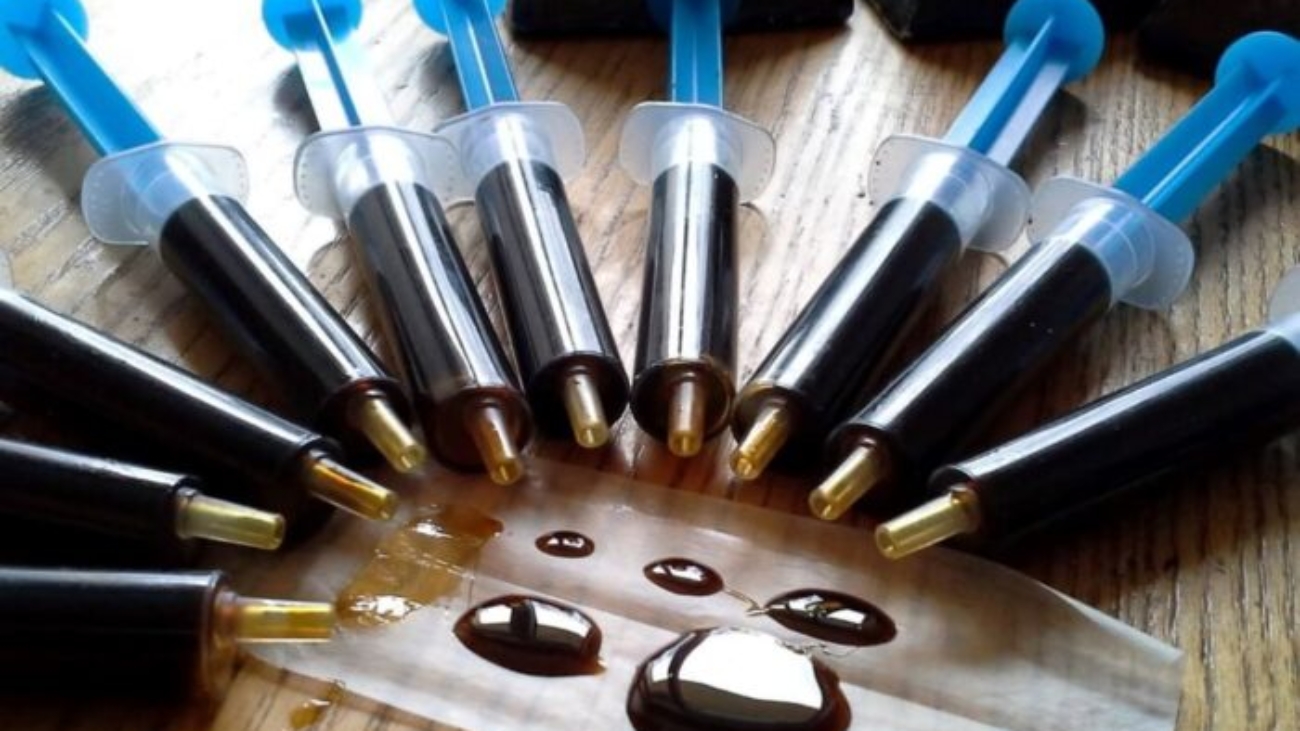
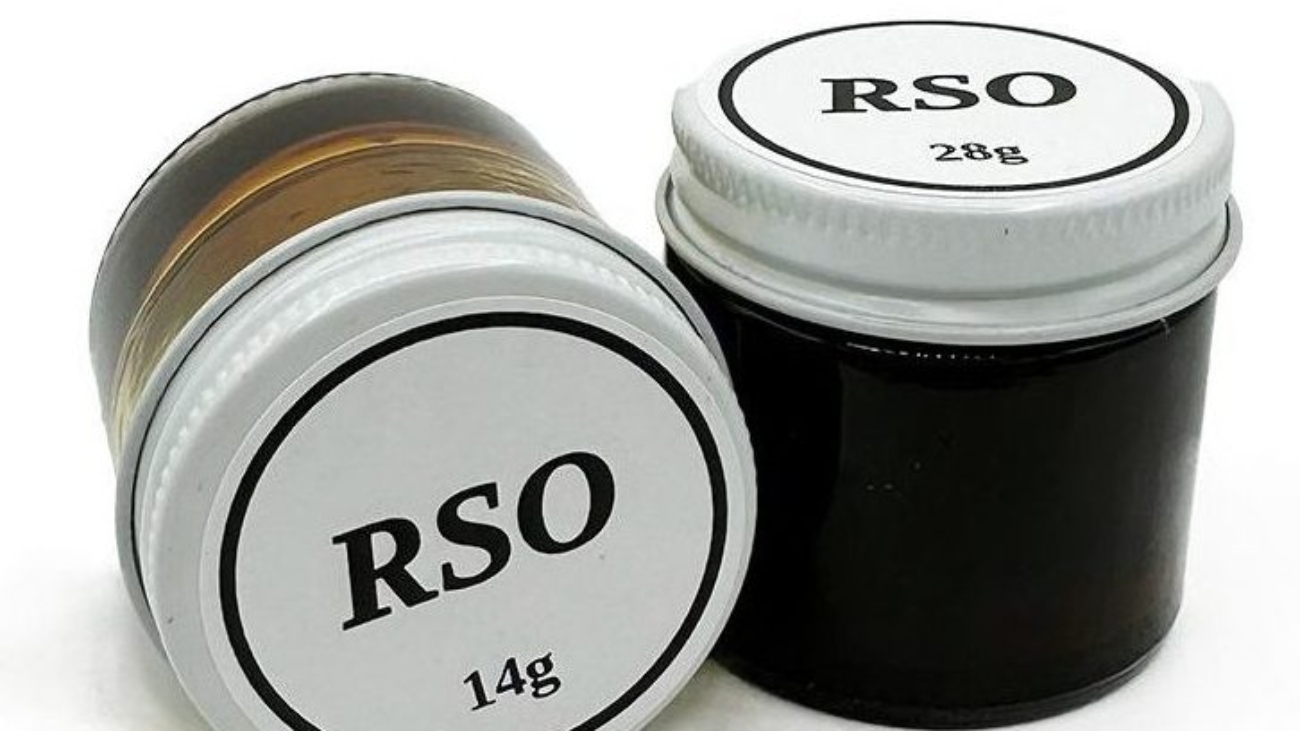
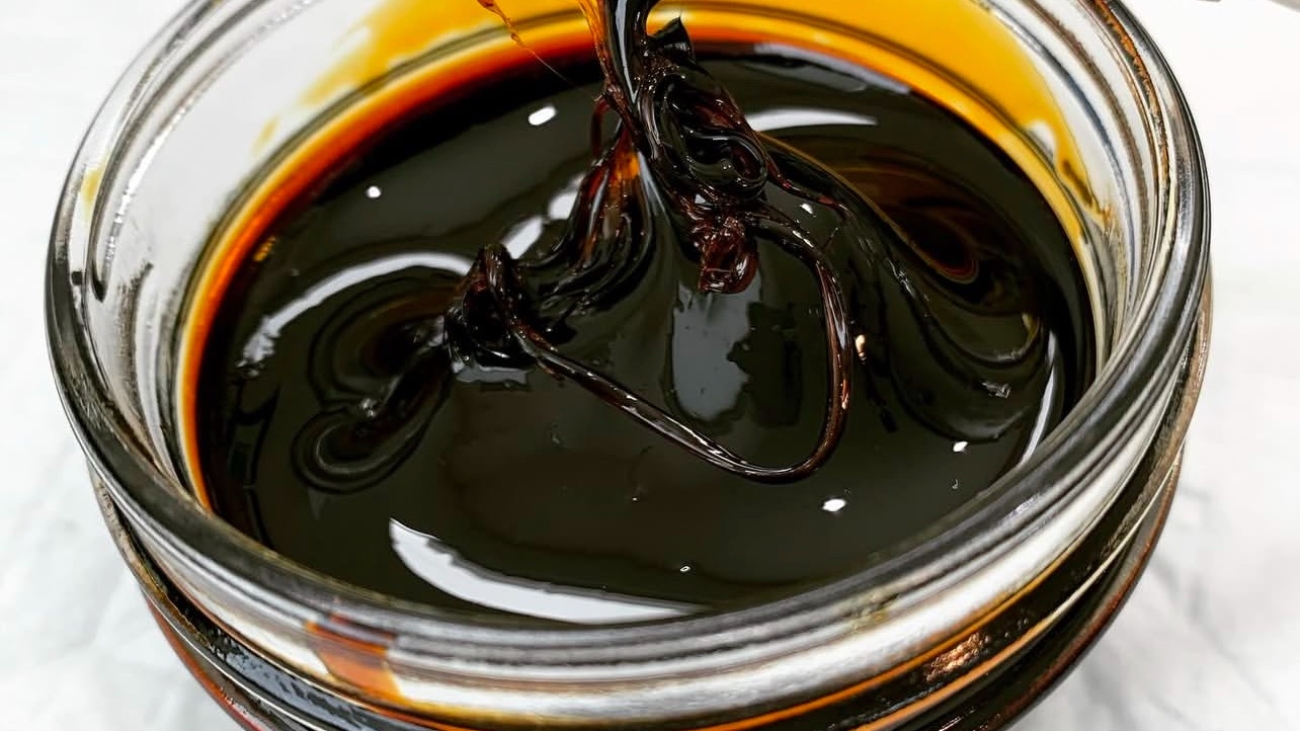
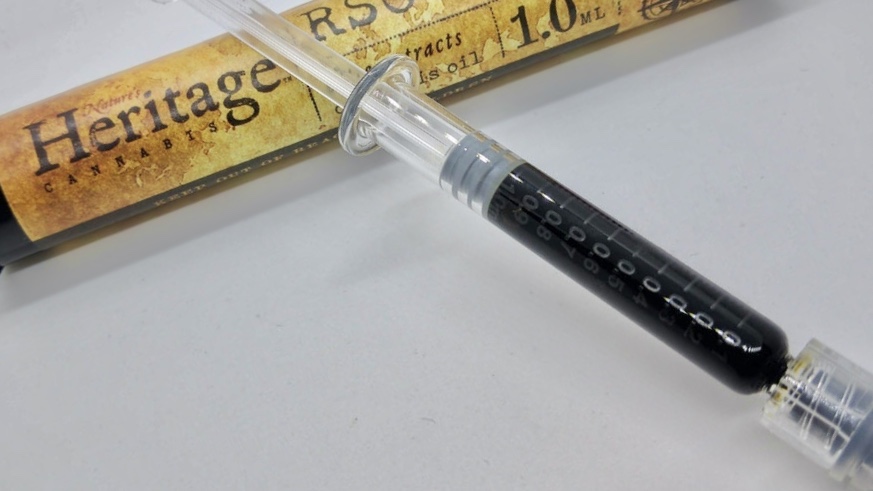
Produced via solvent extraction, RSO appears as a thick, dark oil in syringes or jars.

What is RSO? | Nature's Care and Wellness

ncwmedical.com

What is RSO? | Nature’s Care and Wellness

How RSO Interacts with the Body

RSO primarily works through the endocannabinoid system (ECS), a regulatory network influencing pain, mood, appetite, and inflammation.

THC binds to CB1 receptors (brain/nervous system) for psychoactive and analgesic effects, and CB2 receptors (immune cells) for anti-inflammatory action. Terpenes enhance absorption and efficacy.

CBD and the Endocannabinoid System - Physicians Lab

physicianslab.com

CBD and the Endocannabinoid System – Physicians Lab

Key Rick Simpson Oil Benefits and Supporting Evidence

Scientific evidence for RSO specifically is limited—most studies examine isolated cannabinoids or cannabis extracts. Here’s a breakdown:

Pain Relief

One of the most cited benefits is chronic pain management.

  • Evidence: A 2018 Cochrane review found cannabis-based medicines reduced chronic neuropathic pain. FDA-approved drugs like dronabinol (synthetic THC) treat pain in certain conditions.
  • RSO Angle: High THC content may provide stronger relief than low-THC products, per user reports and small studies on whole-plant extracts.

Anti-Inflammatory Effects

Inflammation underlies many diseases, from arthritis to autoimmune issues.

  • Evidence: Preclinical studies show THC and CBD reducing inflammation via CB2 receptors. A 2020 review in Frontiers in Immunology highlighted cannabinoids’ potential in inflammatory diseases.
  • RSO Benefit: Full-spectrum profile may offer broader anti-inflammatory action than isolates.
NIST Researchers to Test New Approach for Detecting Cannabis in Breath |  NIST

nist.gov

NIST Researchers to Test New Approach for Detecting Cannabis in Breath | NIST

Sleep Improvement

Many use RSO for insomnia due to its sedative properties.

  • Evidence: Studies on THC indicate improved sleep onset and quality, though long-term use may disrupt REM sleep. A 2022 meta-analysis supported cannabis for short-term sleep aid.
  • Note: Indica-dominant RSO is favored for relaxation.

Appetite Stimulation and Nausea Reduction

Common in chemotherapy patients.

  • Evidence: Strong—dronabinol and nabilone (THC-based) are FDA-approved for chemotherapy-induced nausea and appetite loss.

Potential Anti-Cancer Properties

Simpson claimed RSO cured his skin cancer, sparking interest.

  • Evidence: Lab/animal studies (e.g., 1975 NCI research) show THC inducing apoptosis in cancer cells. Recent reviews (2023 in Cancers) note promise in glioma and breast cancer models.
  • Human Evidence: Limited to case reports and small trials; no large-scale studies confirm RSO cures cancer. It’s viewed as supportive for symptoms, not treatment.
Setting the Stage for Better Education on Cannabis Use

reports.mountsinai.org

Setting the Stage for Better Education on Cannabis Use

Skin Health (Topical Use)

Applied directly for eczema, psoriasis, or wounds.

  • Evidence: Cannabinoids show anti-inflammatory and antimicrobial effects in dermatology studies. Topical cannabis reduced itch and improved skin in small trials.
CBD Oil: Benefits, Uses, and Side Effects - GoodRx

goodrx.com

CBD Oil: Benefits, Uses, and Side Effects – GoodRx

Other Emerging Benefits

  • Anxiety/Mood: Mixed evidence—low doses may help, high doses worsen.
  • Neurological: Potential in epilepsy (via CBD-rich, but THC contributes).

Limitations of Current Scientific Evidence

  • Most research uses purified THC/CBD, not full-spectrum RSO.
  • Legal barriers historically limited large human trials.
  • Anecdotes dominate RSO-specific claims.
  • Placebo effects and bias in self-reports.

Experts emphasize evidence-based medicine; RSO shows promise but lacks definitive proof for many benefits.

Why Choose High-Quality RSO?

For potential benefits, source lab-tested, solvent-free products to ensure potency and safety.

Discover premium RSO at RSO Healing Hub.

Safe Usage Tips

  • Start low, especially with high-THC RSO.
  • Monitor effects.
  • Combine with lifestyle changes.

For complementary natural options, check Magic Mushroom Store.

Ongoing Research

Cannabis studies accelerate, with focus on whole-plant extracts and ECS targeting.

User Experiences vs. Science

Many report life-changing benefits, aligning with cannabinoid research but exceeding proven evidence.

Frequently Asked Questions

  • Is RSO scientifically proven? For some symptoms yes (via THC studies); for cures, no.
  • Best for what conditions? Pain, nausea—where evidence is strongest.
  • Risks? Psychoactivity, tolerance, interactions.

Conclusion

Rick Simpson Oil benefits include potential pain relief, reduced inflammation, better sleep, and symptom support, backed by growing scientific evidence on cannabinoids. While lab and preliminary studies are encouraging, robust human trials on RSO itself are needed. Approach with informed caution and professional guidance.

Ready to explore RSO responsibly?

Shop Now

What benefits interest you most? Share your thoughts or questions in the comments!